
Directing
Claudia von Alemann
Born
1943-03-23 (83)
Place of birth
Seebach, Germany
Known for
Directing
Credits
37 titles
Claudia von Alemann is a German film director and professor.
Known for
 9.0
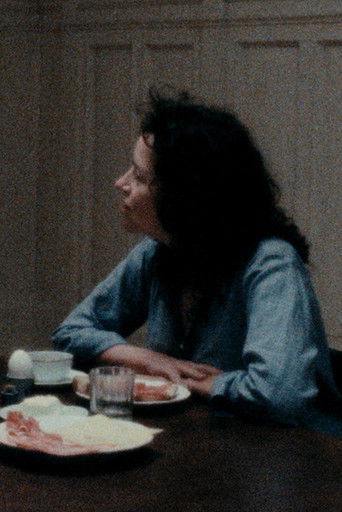
9.0Five people in one city, different ways of loving and living, different views on how to experience or suppress the past.
Nebelland
1983
Doors open and close in the hallway of an apartment, used plates in the kitchen, a pencil is sharpened, a beer bottle and a can of sardines are opened, an egg rolls across the table: everything is in its place, or maybe not.
Einfach
1966
Reel 28 of Gérard Courant’s on-going Cinematon series.
Cinématon XXVIII
1983
 4.9
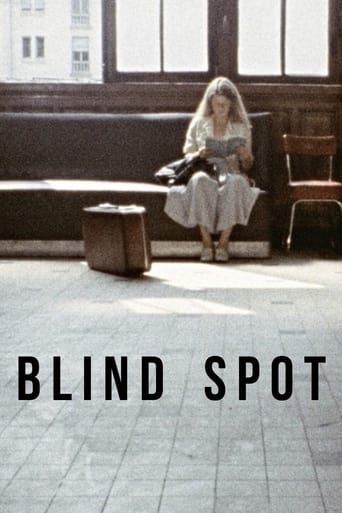
4.9The young historian Elisabeth is traveling to Lyon on her own in order to explore the city tracing the life of Flora Tristan. Tristan, whose diary Elisabeth is carrying, was a 19th century socialist and feminist who influenced many contemporary activists and intellectuals yet fell into oblivion herself. Elisabeth tries to put together the clues she can find in Lyon wanting to reconstruct Tristan's life in the most sensual way.
Blind Spot
1981
 9.0
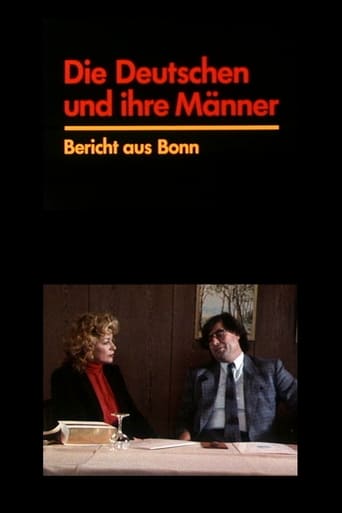
9.0A documentary with fictious elements. Ms. Elisabeth (Lieschen) Müller from Austria comes to Bonn, Germany to find herself a man. During the search she investigates the connections between neckties, political power and prostitution, and tries to look for the influence the german feminist movement had on the men in Germany's capital.
The Germans and Their Men
1990
 7.0
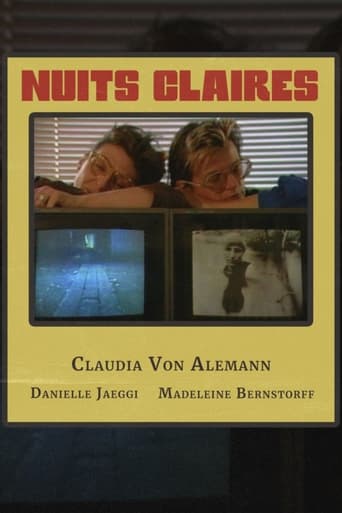
7.0In an experimentally compiled film review, Danielle Jaeggi, Paule Baillargeon and Claudia von Alemann reflect on their work as filmmakers and life as mothers. Just as the title is based on Michel Leiris' book of poems Bright Nights and Many a Dark Day, the film has its own poetry, which is also evident in shots of everyday activities, such as hands washing dishes. “Just the hair or the relationship of the hands to each other or gestures, and then words come in between and film clips that we talk about, and we were amazed to find that the women we portray in the films always have a lot of trouble with theirs Identity, their search for something, for lost people or lost things. “They are usually looking for something that has been lost, forgotten or gone,” said Claudia von Alemann in the 1992 interview conducted by Renate Fischetti, A Pioneer of Female Film Language. An essay about desire, doubt, contradictions. (fib)
Bright Nights
1990
Film credits
1990s · 3 titles
9.0A documentary with fictious elements. Ms. Elisabeth (Lieschen) Müller from Austria comes to Bonn, Germany to find herself a man. During the search she investigates the connections between neckties, political power and prostitution, and tries to look for the influence the german feminist movement had on the men in Germany's capital.
The Germans and Their Men
1990
7.0In an experimentally compiled film review, Danielle Jaeggi, Paule Baillargeon and Claudia von Alemann reflect on their work as filmmakers and life as mothers. Just as the title is based on Michel Leiris' book of poems Bright Nights and Many a Dark Day, the film has its own poetry, which is also evident in shots of everyday activities, such as hands washing dishes. “Just the hair or the relationship of the hands to each other or gestures, and then words come in between and film clips that we talk about, and we were amazed to find that the women we portray in the films always have a lot of trouble with theirs Identity, their search for something, for lost people or lost things. “They are usually looking for something that has been lost, forgotten or gone,” said Claudia von Alemann in the 1992 interview conducted by Renate Fischetti, A Pioneer of Female Film Language. An essay about desire, doubt, contradictions. (fib)
Bright Nights
1990
 7.0
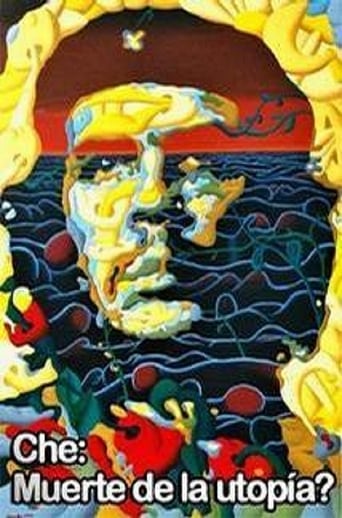
7.0What does Che Guevara"s mythic presence represent to people at the turn of the century, and how do people define their concept of utopia?
Che: muerte de la utopia?
1999
1980s · 3 titles
Reel 28 of Gérard Courant’s on-going Cinematon series.
Cinématon XXVIII
1983
No synopsis available yet.
Das schwache Geschlecht muss stärker werden. Teil 2
1988
 5.8
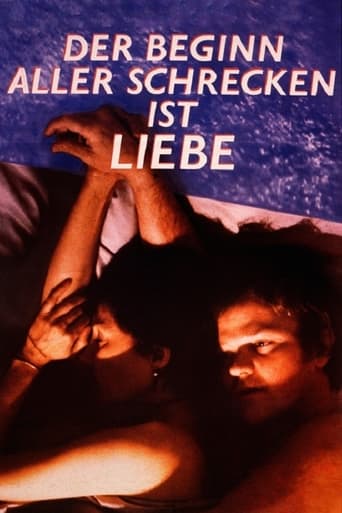
5.8Story concerns two friends, Freya and Irmtraut and their relationships with the same man, Traugott, who finds it impossible to choose between the two women.
Love Is the Beginning of All Terror
1984
Behind the camera
9.0Five people in one city, different ways of loving and living, different views on how to experience or suppress the past.
Nebelland
1983
9.0Five people in one city, different ways of loving and living, different views on how to experience or suppress the past.
Nebelland
1983
9.0Five people in one city, different ways of loving and living, different views on how to experience or suppress the past.
Nebelland
1983
Doors open and close in the hallway of an apartment, used plates in the kitchen, a pencil is sharpened, a beer bottle and a can of sardines are opened, an egg rolls across the table: everything is in its place, or maybe not.
Einfach
1966
Doors open and close in the hallway of an apartment, used plates in the kitchen, a pencil is sharpened, a beer bottle and a can of sardines are opened, an egg rolls across the table: everything is in its place, or maybe not.
Einfach
1966
4.9The young historian Elisabeth is traveling to Lyon on her own in order to explore the city tracing the life of Flora Tristan. Tristan, whose diary Elisabeth is carrying, was a 19th century socialist and feminist who influenced many contemporary activists and intellectuals yet fell into oblivion herself. Elisabeth tries to put together the clues she can find in Lyon wanting to reconstruct Tristan's life in the most sensual way.
Blind Spot
1981
4.9The young historian Elisabeth is traveling to Lyon on her own in order to explore the city tracing the life of Flora Tristan. Tristan, whose diary Elisabeth is carrying, was a 19th century socialist and feminist who influenced many contemporary activists and intellectuals yet fell into oblivion herself. Elisabeth tries to put together the clues she can find in Lyon wanting to reconstruct Tristan's life in the most sensual way.
Blind Spot
1981
4.9The young historian Elisabeth is traveling to Lyon on her own in order to explore the city tracing the life of Flora Tristan. Tristan, whose diary Elisabeth is carrying, was a 19th century socialist and feminist who influenced many contemporary activists and intellectuals yet fell into oblivion herself. Elisabeth tries to put together the clues she can find in Lyon wanting to reconstruct Tristan's life in the most sensual way.
Blind Spot
1981
7.0In an experimentally compiled film review, Danielle Jaeggi, Paule Baillargeon and Claudia von Alemann reflect on their work as filmmakers and life as mothers. Just as the title is based on Michel Leiris' book of poems Bright Nights and Many a Dark Day, the film has its own poetry, which is also evident in shots of everyday activities, such as hands washing dishes. “Just the hair or the relationship of the hands to each other or gestures, and then words come in between and film clips that we talk about, and we were amazed to find that the women we portray in the films always have a lot of trouble with theirs Identity, their search for something, for lost people or lost things. “They are usually looking for something that has been lost, forgotten or gone,” said Claudia von Alemann in the 1992 interview conducted by Renate Fischetti, A Pioneer of Female Film Language. An essay about desire, doubt, contradictions. (fib)
Bright Nights
1990
7.0In an experimentally compiled film review, Danielle Jaeggi, Paule Baillargeon and Claudia von Alemann reflect on their work as filmmakers and life as mothers. Just as the title is based on Michel Leiris' book of poems Bright Nights and Many a Dark Day, the film has its own poetry, which is also evident in shots of everyday activities, such as hands washing dishes. “Just the hair or the relationship of the hands to each other or gestures, and then words come in between and film clips that we talk about, and we were amazed to find that the women we portray in the films always have a lot of trouble with theirs Identity, their search for something, for lost people or lost things. “They are usually looking for something that has been lost, forgotten or gone,” said Claudia von Alemann in the 1992 interview conducted by Renate Fischetti, A Pioneer of Female Film Language. An essay about desire, doubt, contradictions. (fib)
Bright Nights
1990
 NR
NRA portrait of photographer Abisag Tüllmann (1935-1996). Abisag Tüllmann’s photographs have become deeply engraved into our cultural memory. Using more than 500 black-and-white photos, all of which taken by Abisag Tüllmann, this cinematic tribute places her life and work in the context of the 1960s to the 1990s. Claudia von Alemann tries to get close to her friend via pictures and archival documents, excerpts from films by Carola Benninghoven, Helke Sander, Alexander Kluge, Günther Hörmann, and Ulrich Schamoni, via the music of composer José Luis de Delás, and via letters and memories, such as those of photographer Barbara Klemm, who still vividly remembers her former Frankfurt colleague.
Die Frau mit der Kamera
2015
NRA portrait of photographer Abisag Tüllmann (1935-1996). Abisag Tüllmann’s photographs have become deeply engraved into our cultural memory. Using more than 500 black-and-white photos, all of which taken by Abisag Tüllmann, this cinematic tribute places her life and work in the context of the 1960s to the 1990s. Claudia von Alemann tries to get close to her friend via pictures and archival documents, excerpts from films by Carola Benninghoven, Helke Sander, Alexander Kluge, Günther Hörmann, and Ulrich Schamoni, via the music of composer José Luis de Delás, and via letters and memories, such as those of photographer Barbara Klemm, who still vividly remembers her former Frankfurt colleague.
Die Frau mit der Kamera
2015
NRA portrait of photographer Abisag Tüllmann (1935-1996). Abisag Tüllmann’s photographs have become deeply engraved into our cultural memory. Using more than 500 black-and-white photos, all of which taken by Abisag Tüllmann, this cinematic tribute places her life and work in the context of the 1960s to the 1990s. Claudia von Alemann tries to get close to her friend via pictures and archival documents, excerpts from films by Carola Benninghoven, Helke Sander, Alexander Kluge, Günther Hörmann, and Ulrich Schamoni, via the music of composer José Luis de Delás, and via letters and memories, such as those of photographer Barbara Klemm, who still vividly remembers her former Frankfurt colleague.
Die Frau mit der Kamera
2015
 NR
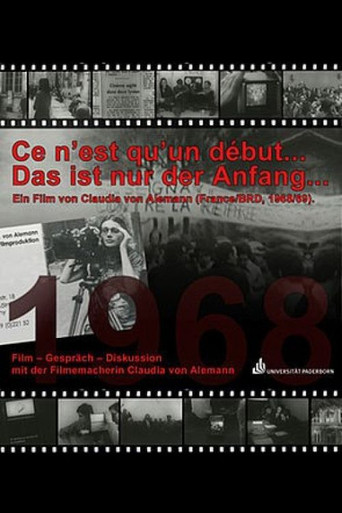
NRClaudia Alemann's film documents the general strike and student mass protests in Paris in 1968. As a participant in various film collectives, she also examines the role of the medium of film in times of political and social upheaval and the impact of changing cultural-political paradigms on artistic activity. Alemann allows workers, students, teachers and filmmakers to have their say.
Das ist nur der Anfang - der Kampf geht weiter
1968
No synopsis available yet.
November
1991
 NR
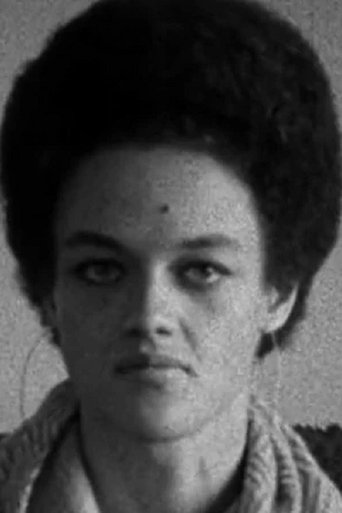
NRClaudia von Alemann filmed the co-founders of the Black Panther Party, Kathleen and Eldridge Cleaver, in exile in Algiers, on her own. Their filmed statements were intended for a solidarity campaign in West Germany for the release of Ericka Huggins and Bobby Seale, their Black Panther friends.
Kathleen und Eldridge Cleaver in Algier
1970
NRClaudia von Alemann filmed the co-founders of the Black Panther Party, Kathleen and Eldridge Cleaver, in exile in Algiers, on her own. Their filmed statements were intended for a solidarity campaign in West Germany for the release of Ericka Huggins and Bobby Seale, their Black Panther friends.
Kathleen und Eldridge Cleaver in Algier
1970
No synopsis available yet.
Denny, Ameise und die Anderen
1994
Women at work in the kitchen serve as the starting point for a film that does not seek to depict events in a conventional manner, but rather assembles the scenes in an associative way and attempts to reveal connections by twisting and distorting the everyday gestures—which almost resemble rituals—to such an extent that the boundary between reality and dream becomes blurred.
Das Frauenzimmer
1981
 NR
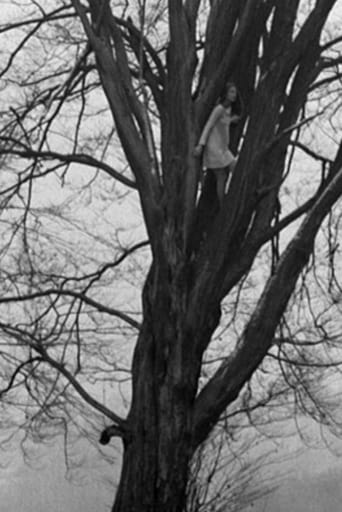
NRFragments of fairy tales alternate with observations of children. Documentary and staged sequences are combined. There is no break and no contrast between reality, the children's behavior and the imagination; they merge into one another.
Foundling-Bird
1968
NRFragments of fairy tales alternate with observations of children. Documentary and staged sequences are combined. There is no break and no contrast between reality, the children's behavior and the imagination; they merge into one another.
Foundling-Bird
1968
NRFragments of fairy tales alternate with observations of children. Documentary and staged sequences are combined. There is no break and no contrast between reality, the children's behavior and the imagination; they merge into one another.
Foundling-Bird
1968
The film provides an analysis of the essential role played by women during the Vietnamese war of liberation. Without a visa to film the war in Vietnam, Claudia von Alemann sets out to make an archive film about Vietnamese women. She manages to interview the Foreign Minister in exile, Mrs Nguyễn Thị Bình, filmed in Paris under difficult conditions.
Aus Eigener Kraft - Frauen in Vietnam
1971
This film painstakingly documents the ways in which women are devalued as workers in a patriarchal society.
The Point Is to Change It
1973
This film painstakingly documents the ways in which women are devalued as workers in a patriarchal society.
The Point Is to Change It
1973
This film painstakingly documents the ways in which women are devalued as workers in a patriarchal society.
The Point Is to Change It
1973
A short documentary by Claudia von Alemann.
Tu Luc Van Doan
1971
 NR
NRTurn of the year 1967/68: at the fourth EXPRMNTL festival in the Belgian seaside resort of Knokke, the film documents spontaneous performances, happenings and protest actions, capturing – only a few months before May ’68 – the harbingers of cultural upheaval.
Exprmntl 4 Knokke
1968
In search of the history of the German-speaking women’s movement, detective Lore embarks on a journey through time. She takes us back to the decades between 1830 and 1860, into the living rooms and studies of Luise Otto-Peters, Louise Aston, Kathinka Zitz, and Mathilde Franziska Anneke.
Das nächste Jahrhundert wird uns gehören
1987