

Known for
 7.1
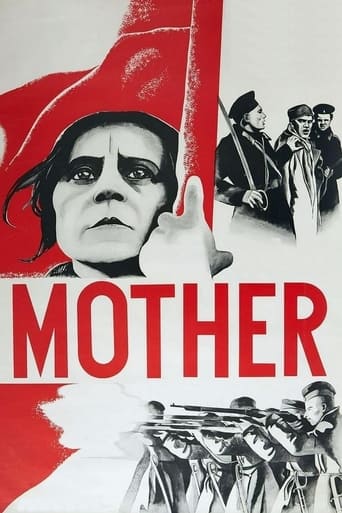
7.1A Soviet woman is caught between her husband and son, who find themselves on opposing sides of the Russian Revolution.
Mother
1926
 NR
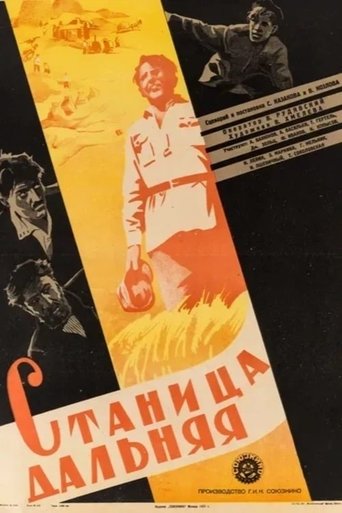
NRNo synopsis available yet.
Станица Дальняя
1930
Killing to Live is a 1931 Soviet documentary directed by Vladimir Korolevitch.
Killing to Live
1931
 6.5
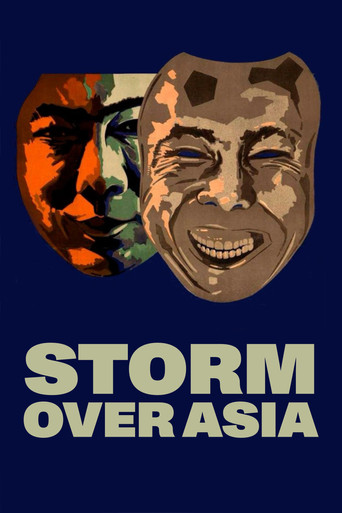
6.5Lowly Mongolian trapper Bair, shunned by his fellow trappers for fighting with a trader, flees his trading post and joins the Soviet partisans trying to oust the occupying British forces. After Bair is captured and shot by the British, they find an amulet on him suggesting he is a descendant of Genghis Khan. The soldiers nurse Bair back to health and use him to establish a puppet government, unaware that their plan will backfire when the puppet breaks his strings.
Storm Over Asia
1928
 5.6
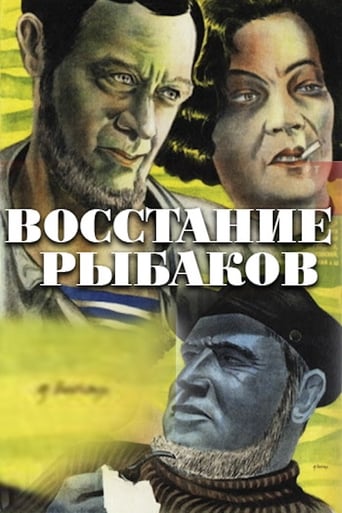
5.6Working fishermen from a small village rise up against the entrepreneurs and the buyers, fighting for higher wages for their hard and difficult work.
The Revolt of the Fishermen
1934
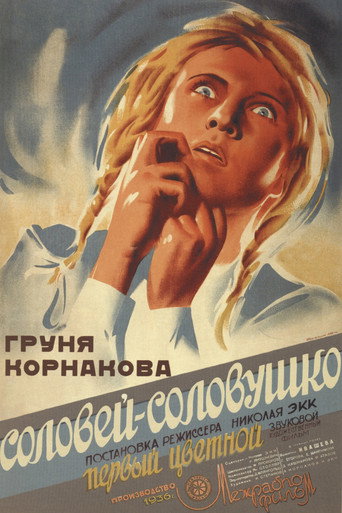 7.0
7.0The events in the film take place in pre-revolutionary Russia. A riot of workers of a large porcelain factory is taking place. After the burning of one of the shops, Grunya's father dies in the fire. The owner of the factory caused the fire in order to obtain a fine from the workers. Grunya urgers the workers to fight, but is injured, yet she still urges the people not to give up.
Nightingale
1936
Film credits
1930s · 10 titles
NRNo synopsis available yet.
Станица Дальняя
1930
Killing to Live is a 1931 Soviet documentary directed by Vladimir Korolevitch.
Killing to Live
1931
5.6Working fishermen from a small village rise up against the entrepreneurs and the buyers, fighting for higher wages for their hard and difficult work.
The Revolt of the Fishermen
1934
7.0The events in the film take place in pre-revolutionary Russia. A riot of workers of a large porcelain factory is taking place. After the burning of one of the shops, Grunya's father dies in the fire. The owner of the factory caused the fire in order to obtain a fine from the workers. Grunya urgers the workers to fight, but is injured, yet she still urges the people not to give up.
Nightingale
1936
About the fate of a former prisoner of war, who returns to his homeland, to the Soviet Union.
Nastenka Ustinova
1934
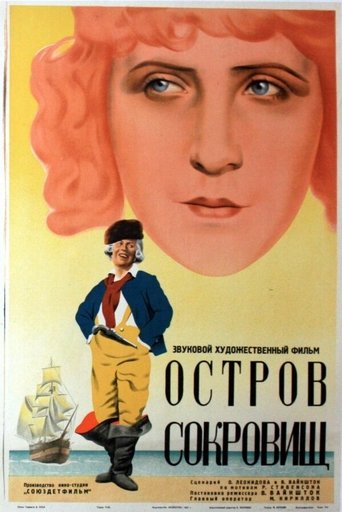 6.3
6.3An adaptation of Robert Louis Stevenson's "Treasure Island" with drastic changes to the plot. A group of English rebels searches for pirate's treasures to buy weapons for the civil war.
Treasure Island
1937
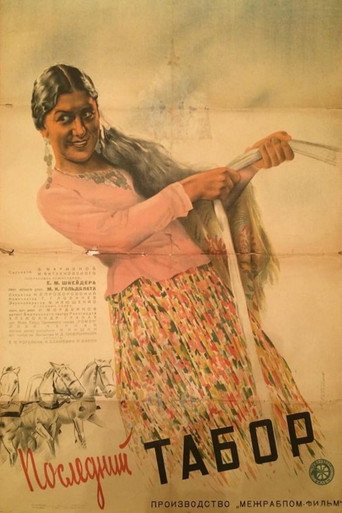 10.0
10.0A Soviet agent tries to win over a band of gypsies to a happy life on a farm co-op.
Gypsies
1936
A film about the workers at the cement factory, who insist on developing the Marhot Range, which is rich in marl, which is used to make cement.
Marhota's Heroes
1931
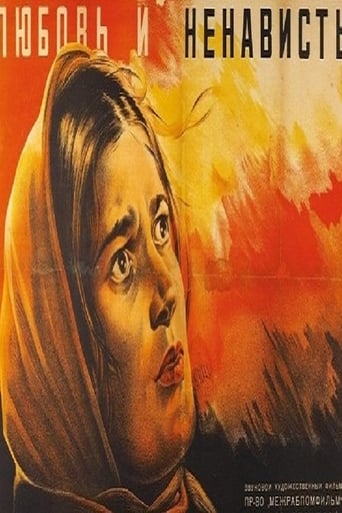 5.4
5.4A group of Ukrainian women are forced to work in the mine under the supervision of cruel enemy soldiers. When the soldiers are forced to retreat and decide to blow up the mine, the women organize a guerrilla action to stop them.
Love and Hate
1935
 5.3
5.3Following the end of the Russian Civil War, three close friends and former Red Army commanders—Langovoy, Zhyoltikov, and their elder comrade Uncle Sasha—return to their hometown to serve in the military headquarters. While Sasha and Zhyoltikov remain bachelors and share a room, Langovoy lives with his wife, Mashenka, whom he married during the war.
A Simple Case
1930
1920s · 5 titles
7.1A Soviet woman is caught between her husband and son, who find themselves on opposing sides of the Russian Revolution.
Mother
1926
6.5Lowly Mongolian trapper Bair, shunned by his fellow trappers for fighting with a trader, flees his trading post and joins the Soviet partisans trying to oust the occupying British forces. After Bair is captured and shot by the British, they find an amulet on him suggesting he is a descendant of Genghis Khan. The soldiers nurse Bair back to health and use him to establish a puppet government, unaware that their plan will backfire when the puppet breaks his strings.
Storm Over Asia
1928
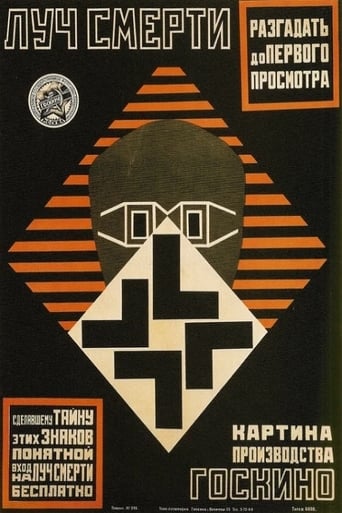 5.2
5.2In a Western capitalist country where a fascist government attempts to suppress a socialist uprising, revolutionary leader Thomas Lamm is imprisoned by the government but he escapes to the Soviet Union. There, he meets the engineer Podobed who invents the 'death ray' – a device which explodes gunpowder and fuel mixtures at a distance.
The Death Ray
1925
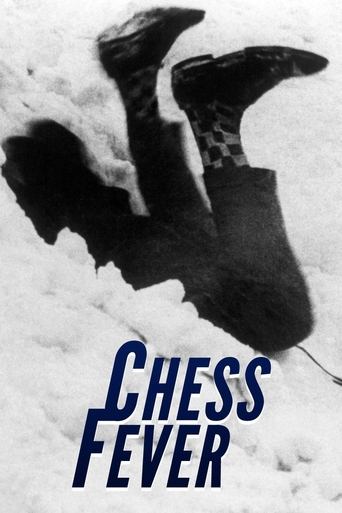 6.4
6.4With an international chess tournament in progress, a young man becomes completely obsessed with the game. His fiancée has no interest in it, and becomes frustrated and depressed by his neglect of her, but wherever she goes she finds that she cannot escape chess. On the brink of giving up, she meets the world champion, Capablanca himself, with interesting results.
Chess Fever
1925
 NR
NRPartially lost.
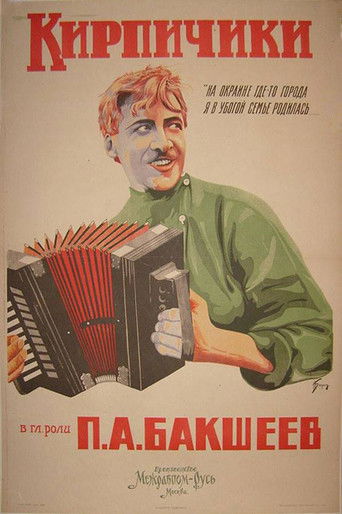
Bricks
1925