
Directing
Juan Martín Cueva
Born
1966-10-09 (60)
Place of birth
Quito, Ecuador
Known for
Directing
Credits
10 titles
Known for
 5.8
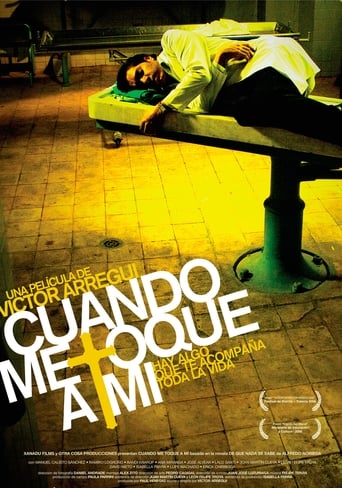
5.8A murder sets in motion a series of tragedies that find their way to the city morgue's Dr. Arturo Fernandez. Physically and emotionally isolated, Arturo develops an intimate relationship with the personal lives of his cases, forcing him to confront his connection to the living and the dead. This dark, serpentine tale offers a richly textured rendering of Ecuador's capital.
My Time Will Come
2006
 7.3
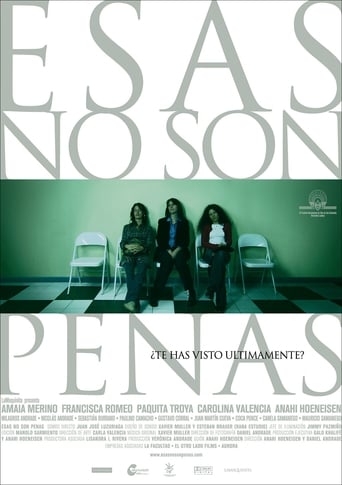
7.3One day five women from Quito, friends in their teens, decide to get back together after fourteen years. Helena is waiting for her second child, Marina lives the ups and downs of infidelity, Diana, an early widow, shares her loneliness with her 15 year old daughter and Tamara has not abandoned the random life of nightclubs, men and drugs. The purpose of their get-together is to visit their old classmate, Alejandra, who is consumed by an illness.
Esas no son penas
2005
Stories told by sailors who spend a life of loneliness and nostalgia several months of the year sailing a ship to support their homes. And they look forward to being able to reunite with their families. Through the testimony of Hector Murillo and his companions, this documentary addresses the life of a sailor in his usual environment, a ship.
Marineros
1997
 4.0
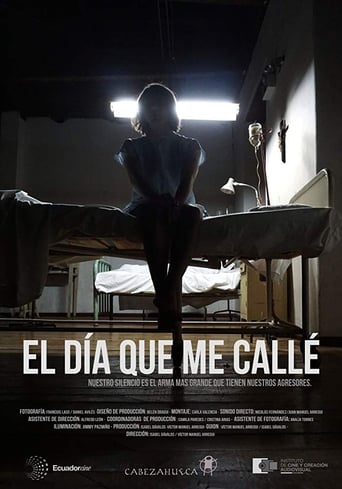
4.0Victor was victim of a violent attack during the government of León Febres Cordero in 1987. More than 30 years later, he decides to free himself from the weight of the secrets and ghosts that has carried for many years and speak out.
El día que me callé
2022
On January 3, 2001 in Lorca there was a traffic accident that caused 12 deaths who were Ecuadorians, worked in agricultural fields and were in an irregular situation in Spain. This documentary reflects the harsh reality experienced by dozens of illegal Ecuadorians offering much cheaper labor in Spain.
Ningún ser humano es ilegal
2001
 NR
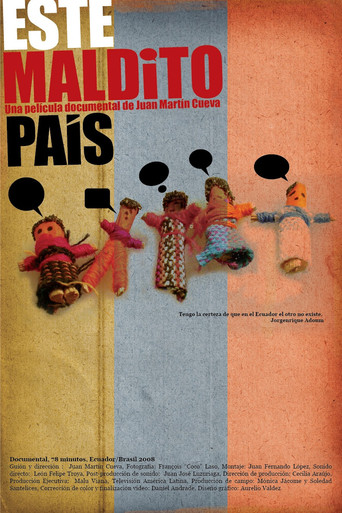
NRWith intertwined life stories, this film starts from the questions: Is Ecuadorian society essentially mestizo? What is a mongrel? This documentary aims to bring to the fore issues that have been poorly resolved both in the way in which Ecuador defines itself as a country, and in the subjectivity of its inhabitants.
Este maldito país
2008
Film credits
2000s · 2 titles
5.8A murder sets in motion a series of tragedies that find their way to the city morgue's Dr. Arturo Fernandez. Physically and emotionally isolated, Arturo develops an intimate relationship with the personal lives of his cases, forcing him to confront his connection to the living and the dead. This dark, serpentine tale offers a richly textured rendering of Ecuador's capital.
My Time Will Come
2006
7.3One day five women from Quito, friends in their teens, decide to get back together after fourteen years. Helena is waiting for her second child, Marina lives the ups and downs of infidelity, Diana, an early widow, shares her loneliness with her 15 year old daughter and Tamara has not abandoned the random life of nightclubs, men and drugs. The purpose of their get-together is to visit their old classmate, Alejandra, who is consumed by an illness.
Esas no son penas
2005
Behind the camera
Stories told by sailors who spend a life of loneliness and nostalgia several months of the year sailing a ship to support their homes. And they look forward to being able to reunite with their families. Through the testimony of Hector Murillo and his companions, this documentary addresses the life of a sailor in his usual environment, a ship.
Marineros
1997
Stories told by sailors who spend a life of loneliness and nostalgia several months of the year sailing a ship to support their homes. And they look forward to being able to reunite with their families. Through the testimony of Hector Murillo and his companions, this documentary addresses the life of a sailor in his usual environment, a ship.
Marineros
1997
On January 3, 2001 in Lorca there was a traffic accident that caused 12 deaths who were Ecuadorians, worked in agricultural fields and were in an irregular situation in Spain. This documentary reflects the harsh reality experienced by dozens of illegal Ecuadorians offering much cheaper labor in Spain.
Ningún ser humano es ilegal
2001
On January 3, 2001 in Lorca there was a traffic accident that caused 12 deaths who were Ecuadorians, worked in agricultural fields and were in an irregular situation in Spain. This documentary reflects the harsh reality experienced by dozens of illegal Ecuadorians offering much cheaper labor in Spain.
Ningún ser humano es ilegal
2001
NRWith intertwined life stories, this film starts from the questions: Is Ecuadorian society essentially mestizo? What is a mongrel? This documentary aims to bring to the fore issues that have been poorly resolved both in the way in which Ecuador defines itself as a country, and in the subjectivity of its inhabitants.
Este maldito país
2008
 9.0
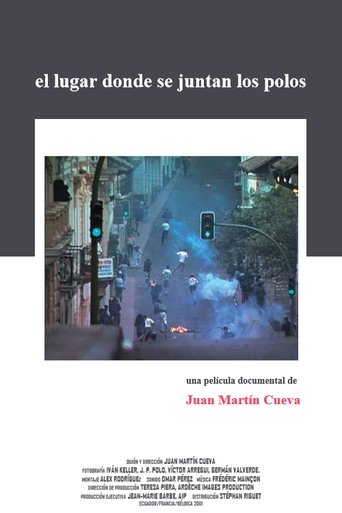
9.0Juan, the film director, is Ecuadorian, his partner, Francisca, is Cuban. They live in Paris where their two children were born, just like Juan 30 years earlier. By switching back and forward from past to present, between the history of a family across 3 generations and that of a whole continent, the film director considers the issue of political commitment and the heritage left to the next generation in the form of a letter from a father to his children.
El lugar donde se juntan los polos
2004
9.0Juan, the film director, is Ecuadorian, his partner, Francisca, is Cuban. They live in Paris where their two children were born, just like Juan 30 years earlier. By switching back and forward from past to present, between the history of a family across 3 generations and that of a whole continent, the film director considers the issue of political commitment and the heritage left to the next generation in the form of a letter from a father to his children.
El lugar donde se juntan los polos
2004