
Acting
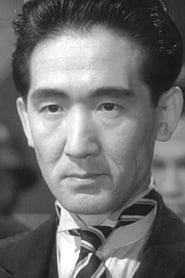
Hyo Kitazawa
Born — Died
1911-05-18 — 1980-08-04
Place of birth
Tokyo, Japan
Known for
Acting
Credits
55 titles
Known for
 NR
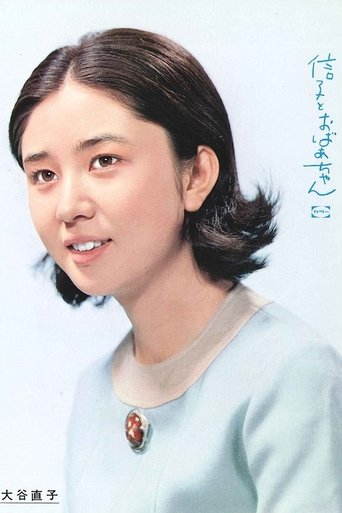
NRThe 9th NHK Asadora. Starring Naoko Otani as a young woman living with her grandmother.
Nobuko to Obachan
1969
A television serial that was in turn adapted from a radio series and a novel, My Daughter And I featured a Japanese novelist who is married to a French woman who have one daughter. The man and his daughter begin a new life when the woman dies. Having difficulty spending time with his daughter, the man sends his daughter to a Christian boarding school. He remarries and brings his daughter back home. After the end of the World War his lot improves professionally, yet his second wife dies.
Musume to Watashi
1961
 NR
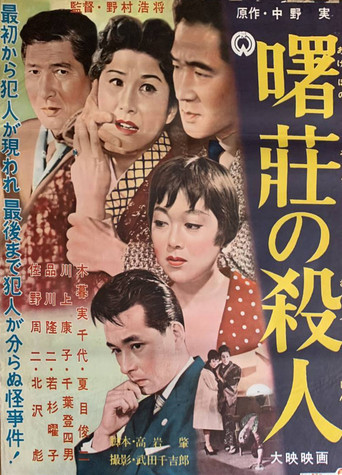
NRA body is found poisoned in a room of a luxury apartment late at night and a beautiful mother turns herself in to protect her rebellious daughter.
Akebono sō no satsujin
1957
 7.3
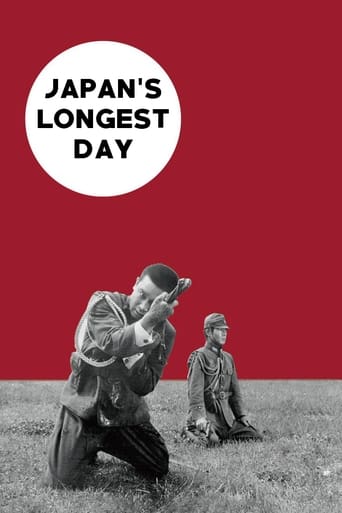
7.3A dramatisation of the 24-hour period in which the Japanese government was deadlocked over the decision to accept or reject the Allies' demand for an unconditional surrender following the bombings of Hiroshima and Nagasaki.
Japan's Longest Day
1967
 NR
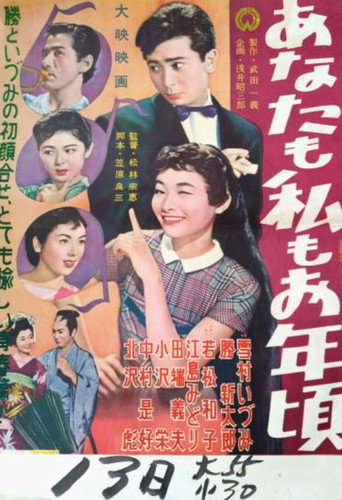
NRNo synopsis available yet.
Anata mo watashi mo o toshigoro
—
 6.8
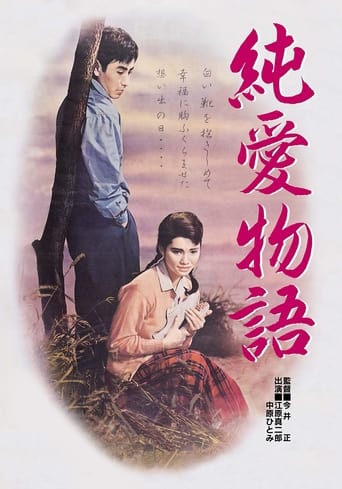
6.8Junai Monogatari AKA Story of Pure Love is about two poor youths, Mitsuko and Kando, rebelling against society in various ways, who are desperately trying to be together despite tortuous circumstances. The film depicts their lives as thieves, menial laborers who can get little pay, society outcasts, and of course, lovers. Junai Monogatari depicts, mostly, their struggles within the Japanese reformatory system and Mitsuko's worsening sickness.
The Story of Pure Love
1957
Film credits
1970s · 6 titles
 10.0
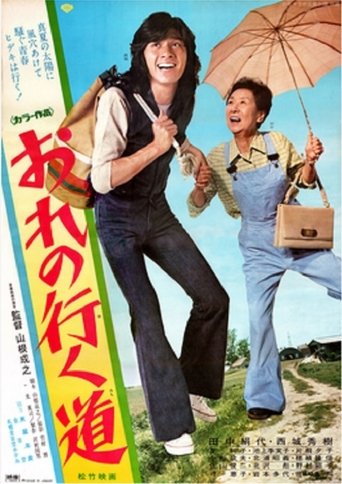
10.0Let's Go, Grandma! plays like an exuberant, goofy update to Yasujiro Ozu's Tokyo Story. Kinuyo Tanaka plays the titular Grandma, who, after selling her Hokkaido property, is apparently flush with cash but newly homeless. Her grown children take turns hosting her, making extravagant performances of filial devotion with an eye to potential profit. Making use of a catalog of wacky visual effects, bracketed by gratuitous ham-fisted fight scenes, and costarring pop singer Hideki Saijo, the film is balanced by Tanaka's nuanced performance, which delivers a denunciation of hypocrisy and greed.
Let's Go, Grandma!
1975
 NR
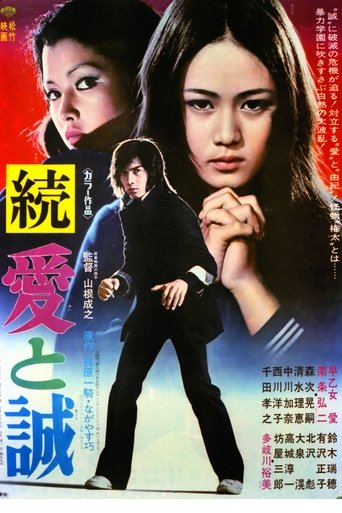
NRMeet Saotome Ai, a high school girl from a well-to-do family. When she was a small child, she was in an accident that resulted in a young boy being permanently scarred between his eyes while she emerged unscathed. The young boy saved her life and although she never knew who he was, she never forgot him. Meet Taiga Makoto, a young man with a scar between his eyes who has had a rough life, but has emerged as a rough, tough bully - a thug and a brawler and about as rude as they come - all of which he blames on the incident that gave him his scar. When Ai and Makoto run into each other again, Ai feels guilt for what Makoto has become and decides to intervene and rehabilitate him. But is he a diamond in the rough, or just a bully?
The Legend of Love & Sincerity: Continuation
1975
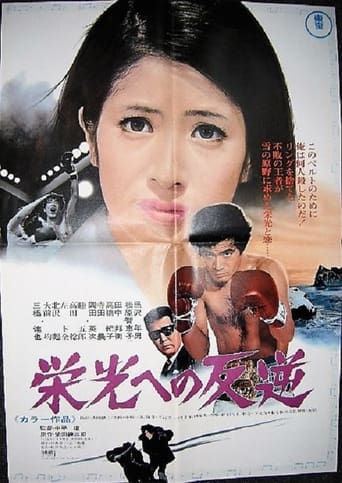 NR
NRNo synopsis available yet.
Rebel Against Glory
1970
 9.0
9.0Richness, severity and pureness of love is beautifully and sentimentally depicted.
Wakare no uta
1971
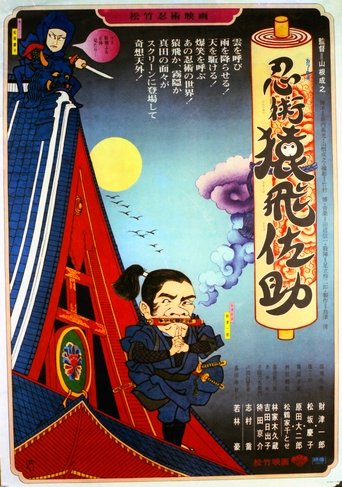 NR
NRA period comedy set at the end of the Sengoku Period about Sasuke Saruhi, a middle-aged ninja.
Ninjutsu: Sasuke Saruhi
1976
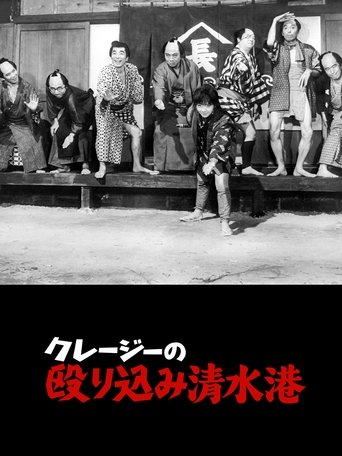 10.0
10.0The 14th and final "Crazy" feature. The Crazy Cats reunited (minus Ishibashi, who had by then retired from the team) for one last feature, Jun Ichikawa's odd Memories of You (Kaisha mono-gatari, 1988) released by Shochiku. Most of the cast of Crazy lrresponsibles at Shimizu Harbor (1966) return in this sequel.
Crazy Violence at Shimizu Harbor
1970
1960s · 5 titles
7.3A dramatisation of the 24-hour period in which the Japanese government was deadlocked over the decision to accept or reject the Allies' demand for an unconditional surrender following the bombings of Hiroshima and Nagasaki.
Japan's Longest Day
1967
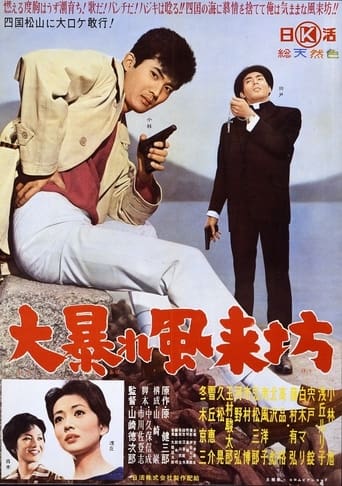 NR
NRFourth installment of Nikkatsu's "Drifter" series, with Kobayashi Akira.
The Wild, Unruly Drifter
1960
 6.0
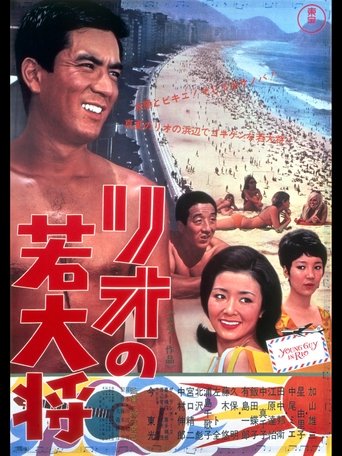
6.0Yuzo Kayama is captain of the Fencing team and visits Brazil to work in the shipyards with his professor. There he meets his beautiful daughter (Mie Nakao) and a tour guide (Yuriko Hoshi), but his work and his band, The Ranchers, keep him busy.
Young Guy in Rio
1968
 8.0
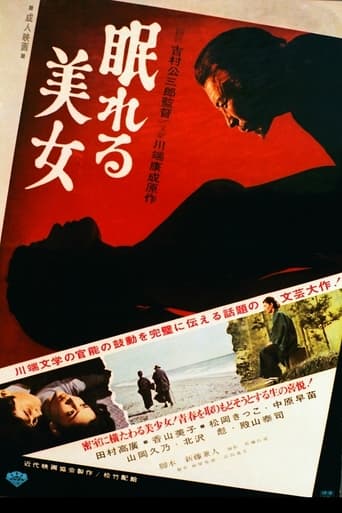
8.0About an establishment where old men pay to sleep besides young girls that had been narcotized and happen to be naked, the sleeping beauties. The old men are expected to take sleeping pills and share the bed for a whole night with a girl without attempting anything of bad taste like putting a finger inside their mouths.
The House of the Sleeping Virgins
1968
 NR
NR1960 Japanese movie
Young Nude
1960
1950s · 16 titles
NRA body is found poisoned in a room of a luxury apartment late at night and a beautiful mother turns herself in to protect her rebellious daughter.
Akebono sō no satsujin
1957
6.8Junai Monogatari AKA Story of Pure Love is about two poor youths, Mitsuko and Kando, rebelling against society in various ways, who are desperately trying to be together despite tortuous circumstances. The film depicts their lives as thieves, menial laborers who can get little pay, society outcasts, and of course, lovers. Junai Monogatari depicts, mostly, their struggles within the Japanese reformatory system and Mitsuko's worsening sickness.
The Story of Pure Love
1957
 NR
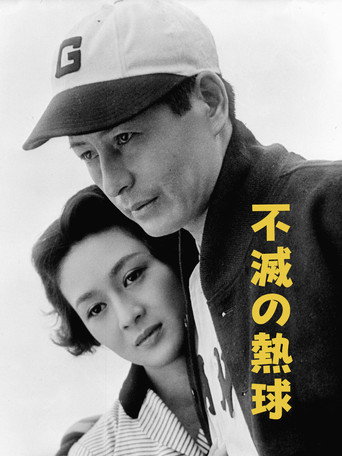
NRBaseball movie about Eiji Sawamura.
The Immortal Pitcher
1955
 NR
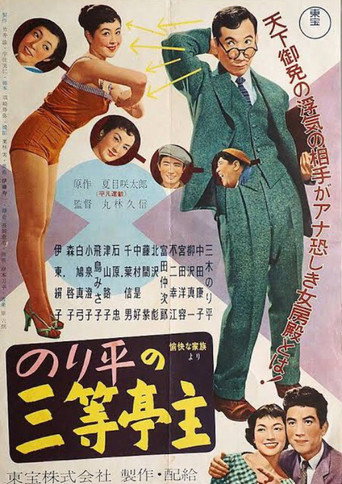
NRNo synopsis available yet.
Norihei's 'Third Level Husband': The Happy Family
1956
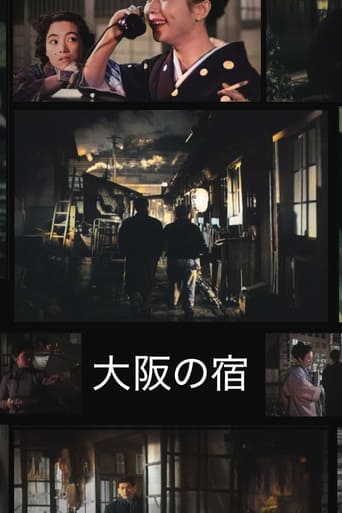 7.5
7.5Follows the story of an insurance company executive from Tokyo, Mr. Mito, who is demoted to the Osaka office. He takes a room at a small inn and tries to rebuild his life.
An Inn at Osaka
1954
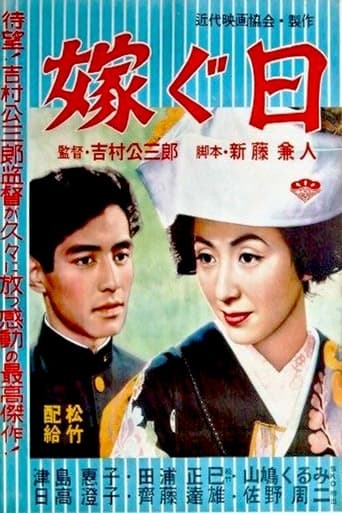 7.0
7.0Shinsaku was once a renowned playwright, has now been left behind by journalism and is living a lethargic life in Oiso. His family is concerned with Shinsaku regaining his old vigor as a writer and Sakie, his daughter, finding a suitable match, while the family is struggling with the losses of war.
Wedding Day
1956
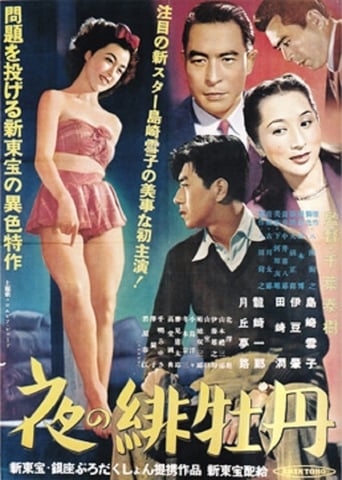 NR
NRA romantic melodrama about the shifting relationship between Ryosuke and Miki as their precarious employment and social circumstances shift around them.
Red Peony of Night
1950
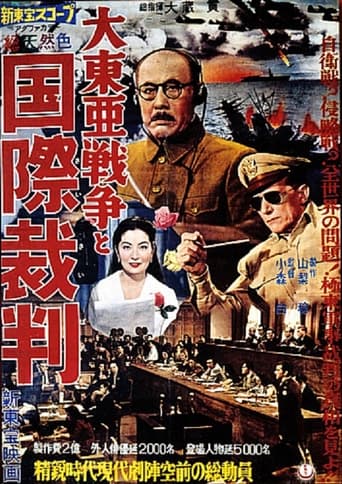 8.0
8.0In 1941, overpopulated Japan faces an economic boycott and its armed forces push further to the south. And despite negotiations between Japan and the U. S. A. war is declared with the attack on Pearl Harbour. Victories follow for Japan on land and sea and her forces push forward to the borders of India. But gradually the tide turns in favour of the Allies and after the atom bombings of Hiroshima and Nagasaki, Japan is compelled to accept the Potsdam Declaration and by the order of the Emperor agrees to unconditional surrender. Under the supervision of the occupation forces the International Military Tribunal opens in Tokyo to try the Japanese war leaders. Established in the cause of justice, and to prevent future aggressive wars the trials drag on for two and a half years. And on December 23, 1948, General Tojo and six other war leaders mount the thirteen steps to the gallows at Tokyo's Sugamo prison.
The Pacific War and the International Military Tribunal
1959
 7.0
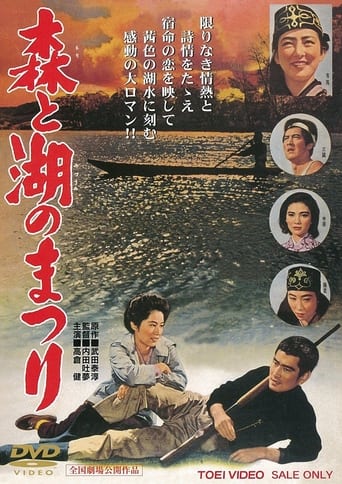
7.0A drama about relations between Japanese immigrants and the indigenous Ainu on Hokkaido, the most northerly island of Japan. From a novel by Taijun Takeda.
The Outsiders
1958
 NR
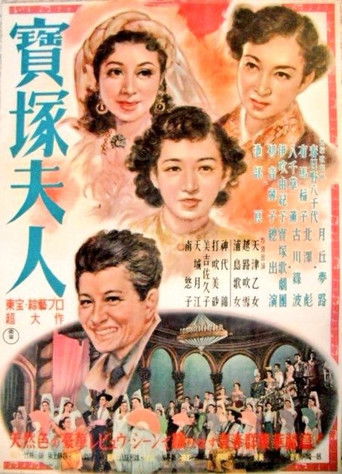
NRNo synopsis available yet.
Lady Takarazuka
1951
 9.0
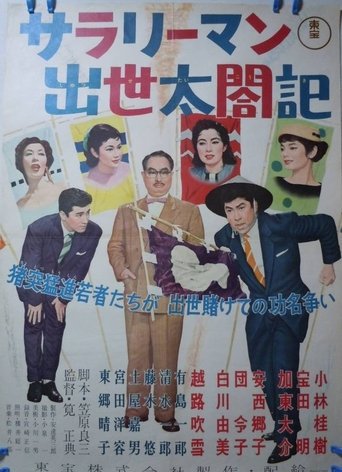
9.0Optimistic student Hideyoshi struggles to land a job at Japan Motors, facing setbacks and rivalry but winning his way in through persistence—and a mix of charm, luck, and chaos in both work and love.
Diary of a Successful Salaryman
1957
 10.0
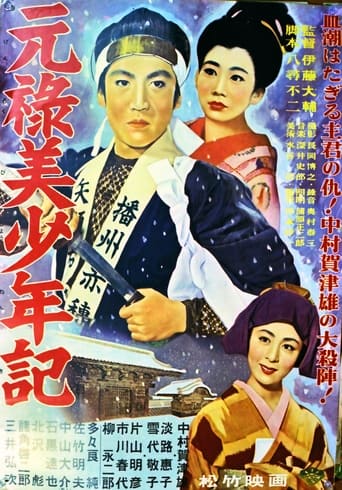
10.0On February 4th of the 16th year of the Genroku era, Yatō Uemon no Shichi reminisces while waiting his turn for seppuku at the Mizuno residence. When news of his lord, Asano Naganori, attacking Kira Yoshinaka in the palace reached Akō, Uemon no Shichi was sixteen. The family elder, Ōishi Kuranosuke, determined to avenge, gathered allies, but Uemon no Shichi's father, Chōsuke, being sickly and considered too young, was not included. Chōsuke committed suicide.
元祿美少年記
1955
 9.0
9.0No synopsis available yet.
I Was a Prisoner in Siberia
1952
 NR
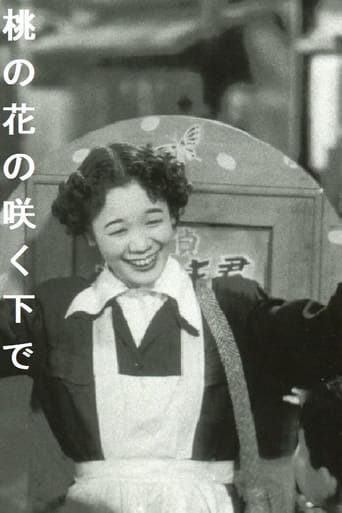
NRA picture-story-show operator, accompanies her son, Akira, who lives apart from her, to a hot-spring medical treatment and spend a moment of brief happiness together, but eventually the time comes to say goodbye. The portrayal of the children and the atmosphere of the hot spring resort shine through in this film about a mother by master filmmaker Hiroshi Shimizu.
Under the Blossoming Peach
1951
 8.0
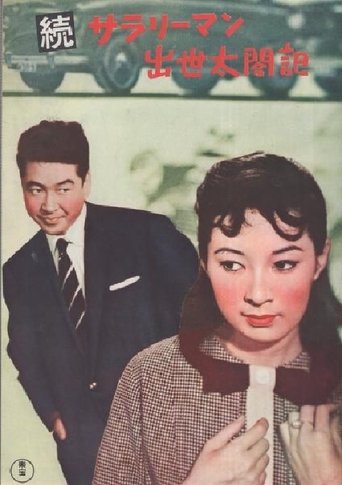
8.0After a transfer to a rural factory, salesman Hideyoshi faces blunders, schemers, and rivalries but proves his integrity, winning respect and a return to headquarters.
Diary of a Successful Salaryman Part 2
1957
 NR
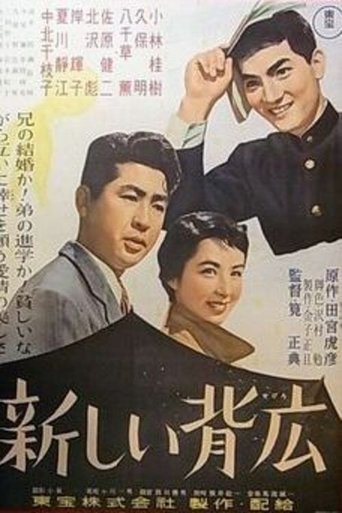
NRThis movie depicts poor yet kind and modest people, focusing on sibling love.
Atarashii Sebiro
1957
1940s · 12 titles
 7.0
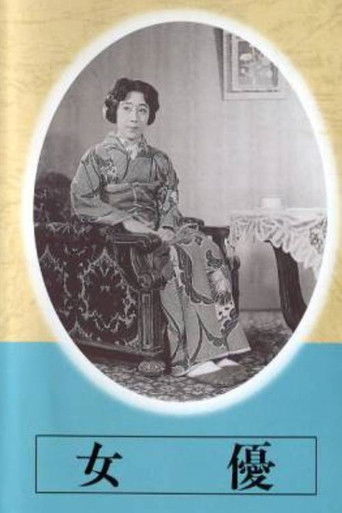
7.0During the late Meiji period, at the beginning of the twentieth century, Sumako, a country girl, becomes a great actress with the help of Hogetsu, a scholar who brought European realism to the Japanese stage. The relationship leads to the end of his marriage and the breakup of his Arts Society.
Actress
1947
 10.0
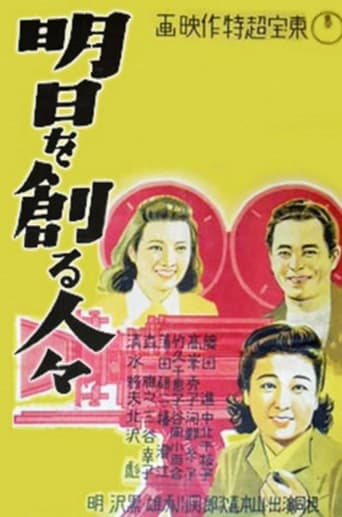
10.0In postwar Japan, two sisters—a film studio script girl and a revue dancer—become swept up in the growing labor movement when workers around them strike for better conditions. As their conservative father opposes their activism, his own dismissal forces him to confront the realities of class struggle and join their fight for a fairer future. Now considered a lost film, Those Who Make Tomorrow was produced by Toho to promote unionization during Japan’s Allied Occupation.
Those Who Make Tomorrow
1946
 8.0
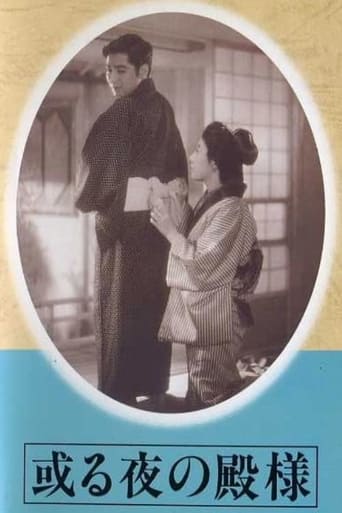
8.0In 1887, two businessmen, Echigo-ya and Kitahara, compete for railroad construction authorization from the government. The minister states that a local noble must not object, and his missing younger brother is the only one who could sway him. Meanwhile, Omitsu, a hotel employee tired of Echigo-ya’s wife’s arrogance, teams up with Kitahara to stage a scheme where a vagrant young man pretends to be the noble’s lost brother, aiming to trick and embarrass the wealthy woman.
Lord for a Night
1946
 6.2
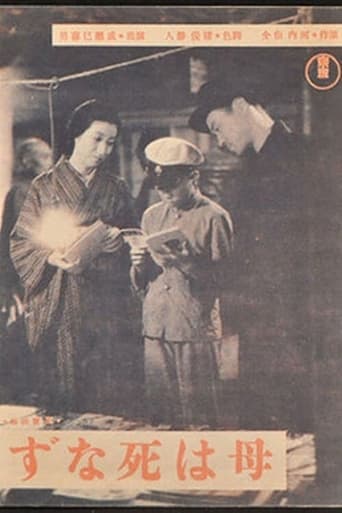
6.2The premature death of a young mother serves as inspiration for her husband and son.
Mother Never Dies
1942
1941 Toho adaptation of Natsume's novel.
The Poppy
1941
 9.0
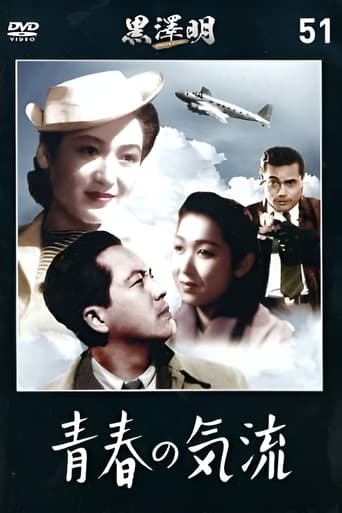
9.0It was supposed to be about a love story, but it was and was not. An aircraft mechanic working for the government is matched by his boss with the latter man's daughter (Setsuko Hara) who is both beautiful and aggressive. Yet, he picks a woman who is less assertive as his bride.
Currents of Youth
1942
 10.0
10.0Following Flower Picking Diary (1939), Tamizo directed another film starring Hideko Takamine, based on a story by Nobuko Yoshiya. Takamine plays a poor young girl, trying to become a teacher on her quest to become independent to be able to look after her younger brother. But then tragedy strikes...
Bellflower
1940
 9.0
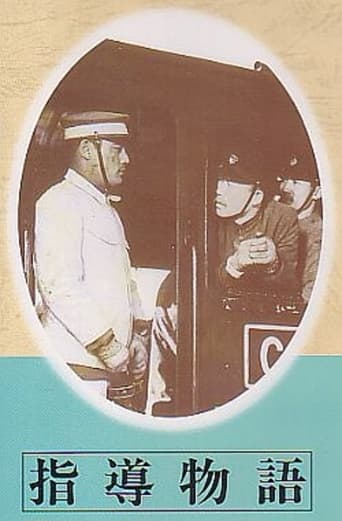
9.0In this semi-documentary, an older locomotive driver is tasked with training younger ones and is currently training two in particular. The old man is finding the task overwhelming as it is hard work with practical lessons and classroom components. His wife has died, but he has three daughters with the oldest taking care of her younger siblings.
Story of Leadership
1941
This is a rokyoku film of Tenjuken Ungetsu II (Hideko Itami), a popular rokyoku performer who was famous for her seven different voices for men and women of all ages.
Wife of a Lily
1940
 6.8
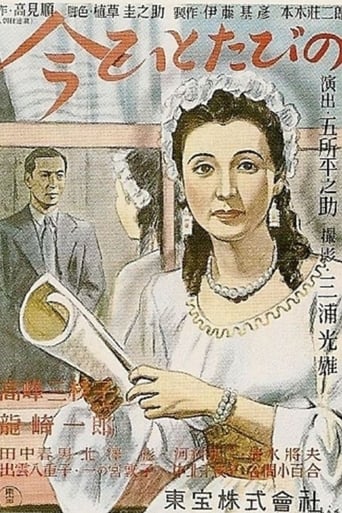
6.8A romance with political overtones about the relationship of a sheltered bourgeois woman and a doctor who devotes himself to caring for the poor. Over a ten-year period - from 1936 through the war - they find each other and are separated again by the events of those tumultuous days.
Once More
1947
 8.0
8.0Jidaigeki from 1940
Flowers Blooming In the Storm
1940
 10.0
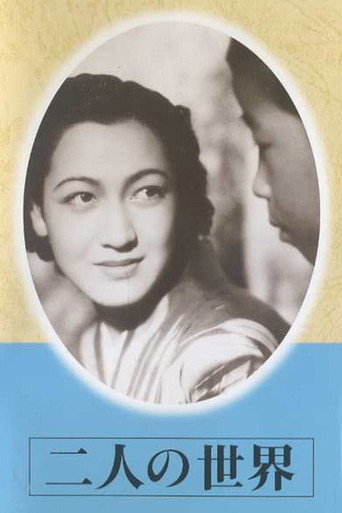
10.0No synopsis available yet.
A World of Two
1940
1930s · 13 titles
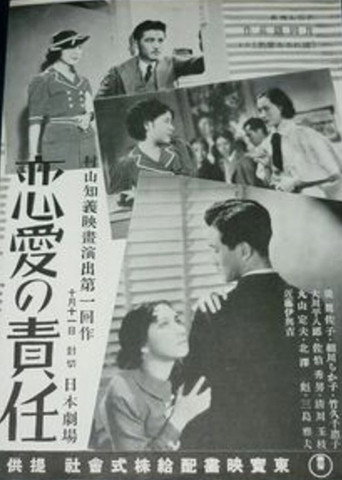 NR
NRNo synopsis available yet.
The Responsibility of Kissing
1936
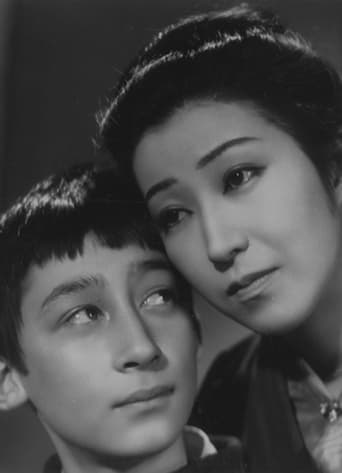 NR
NR"Karayuki-san offers a no-holds-barred depiction of the discrimination faced by a former prostitute who returns to Japan from Singapore with her mixed-race son." - Alexander Jacoby (Oxford Brookes University)
Karayuki-san
1937
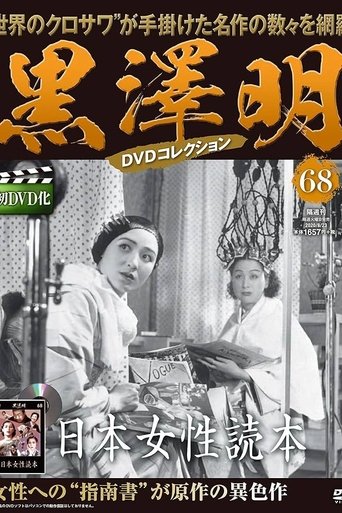 9.0
9.0No synopsis available yet.
Japanese Women's Textbook
1937
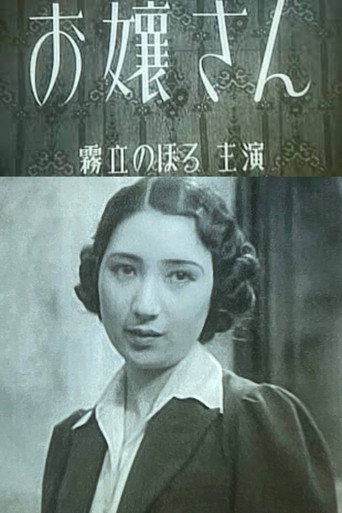 8.0
8.0The story deas with the experiences of an exceptionally strong-willed, middle class Tokyo "ojōsan" who comes to teach in a middle school in the countryside.
Young Lady
1937
 6.7
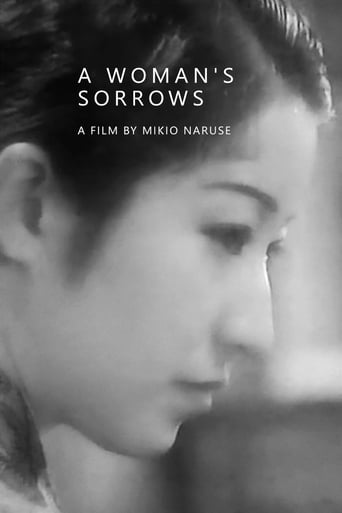
6.7Young Hiroko’s conservative principles place her at odds with most modern women, as she has already submitted to her mother’s choice of man for any marriage prospect. Wed into an affluent family that practically treats her as a housemaid, locked away like a 'doll' by her estimation, Hiroko’s own submission to traditional thinking brings contradictions to light.
A Woman's Sorrows
1937
 7.0
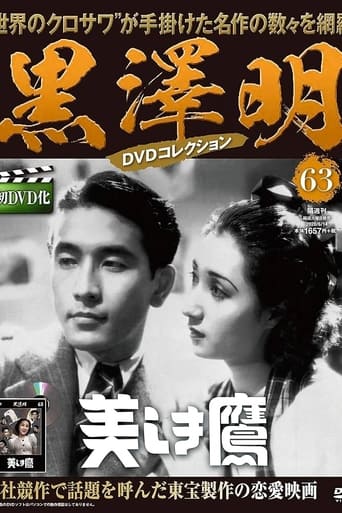
7.0One of three titles released the same year, with the same title based on the same story. This is the P.C.L. (Toho) Version
The Beautiful Hawk
1937
 NR
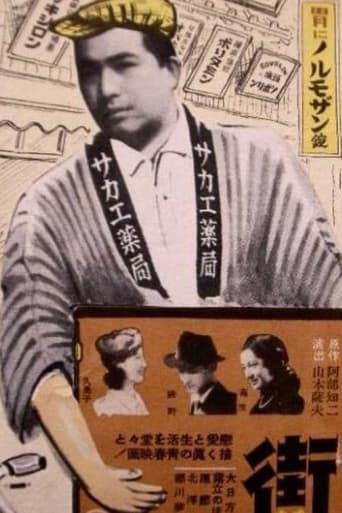
NRNo synopsis available yet.
The Town
1939
 NR
NRA biographical film chronicling the life of composer Setoguchi Tōkichi (1868-1941) from his early days as a clarinetist in the Imperial Japanese Navy band to his later years when his music, in particular the famed “Warship March” (Gunkan kōshinkyoku), surged in popularity.
Chorus of the Century--Patriotic March
1938
 5.0
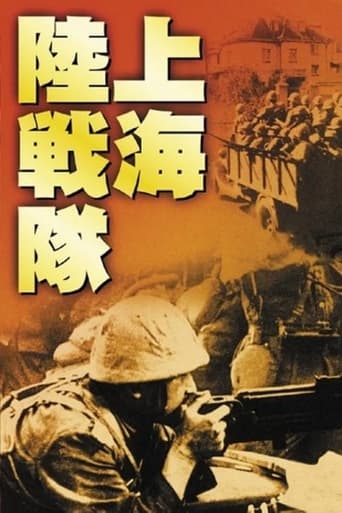
5.0This film attempts to reconstruct the tension of the Battle of Shanghai through an episode in an understated way, introducting its story in a documentary mode. In the film story, Japan's marine regiment protects Japanese residents and Chinese refugees-women and young children-from rampant street fighting, Shanhai Rikusentai unsparingly uses its first eight minutes for an official-mannered self-justification of the war. From the viewpoint of explaining Japan's military operation,the narration refers to the city s spatial division in sync with maps on screen.
Shanghai Landing Party
1939
Japanese film based on the life of writer Ichiyo Higuchi (1872-1896).
Ichiyo Higuchi
1939
A film that begins with wit and comedy when a husband tries to hide and mask his drinking, which his Jesus freak and very Christian wife dislikes, by gargling and other methods, turns somber when the man loses his job after being fired. He attempts to keep us appearances by having parties and still going to night clubs, which means money is even more of a short supply. He turns to gambling and the race horse tracks as a result.
Winter Inn
1938
 6.0
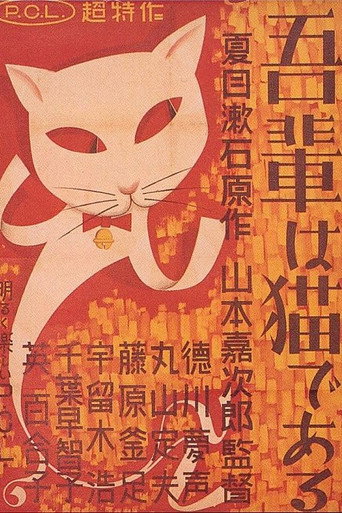
6.01936 P.C.L. adaptation of Natsume's novel.
I Am a Cat
1936
 7.0
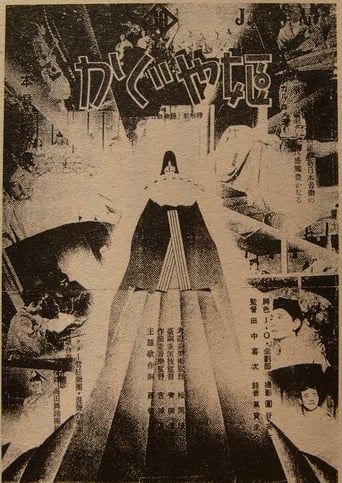
7.0Toho's production of the classic Japanese fairytale.
Kaguya Hime
1935
Undated · 1 titles
Series credits
NRThe 9th NHK Asadora. Starring Naoko Otani as a young woman living with her grandmother.
Nobuko to Obachan
1969
A television serial that was in turn adapted from a radio series and a novel, My Daughter And I featured a Japanese novelist who is married to a French woman who have one daughter. The man and his daughter begin a new life when the woman dies. Having difficulty spending time with his daughter, the man sends his daughter to a Christian boarding school. He remarries and brings his daughter back home. After the end of the World War his lot improves professionally, yet his second wife dies.
Musume to Watashi
1961