

Directing
Marianne Eyde
Known for
Directing
Credits
26 titles
Norwegian-Peruvian filmmaker. She studied Political Science at the University of Paris, France, and graduated in Communication Sciences from the University of Lima. Her filmography is characterized by its exploration of themes relevant to Peruvian reality. Among her most recent productions are “Dibujando Memorias” (Huancavelica, 2015) and “La cuna del Bacalao” (Norway, 2008). Marianne Eyde has directed four feature films: “Coca Mama,” “La Carnada” (1998), “La Vida es una Sola” (1992), and “Los Ronderos” (1987). Her medium-length films include “Los alpaqueros de Chimboya” (1983), which won the Red Ribbon Award at the American Film Festival in 1984, and “Casire” (1980). She began her film care…
Known for
 5.0
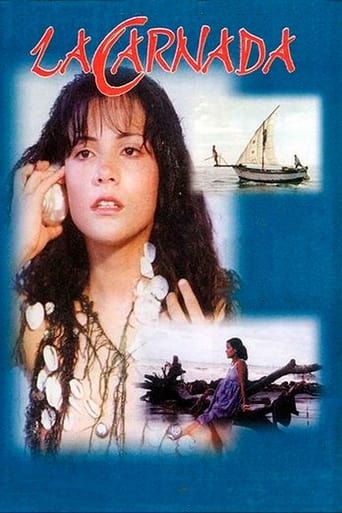
Maria earns her living fishing in a northern Peruvian village, working alongside her husband. But when her husband is called away to work on larger industrial fishing boat, Maria, who is pregnant, finds ways to act out her anger.
La Carnada
1999
 10.0
Paulina, a young merchant, arrives to Kintupata, where the coca leaf is cultivated. She becomes a friend and lover of Gato, the local drug trafficker, and Antonio, the eternal writer and former drug addict. Paulina’s conflict, confused and trapped by her new relationships is intermingled with the drama of the coca farmers. Filmed in the town center of Villa Mejorada, Valley of the Apurímac River, Ayacucho.
Coca Mama
2004
 NR
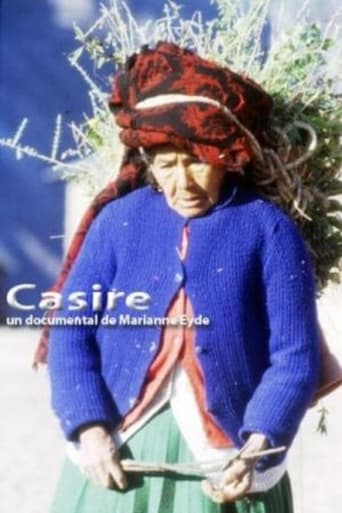
Casire is a peasant community on the slopes of the Sara Sara Volcano in the south of Peru. Two hundred people still live in the community. The film narrates the story of the Volcano´s spell on the community, when she discovered that incestous relationships were practised there. She erupted, leaving the village in ruins, but being a female herself considered the men guilty and allowed only the women to remain in the village. The film tells what happens after the Spanish conquest when the Christian decided to put an end to the Volcano’s power to cast spells, and the state of the village nowadays.
Casire
1980
 NR
Portrait of the Ayacucho violinist Máximo Damián Huamani.
El Violinista
1977
The documentary was filmed at Julio Barreda's alpaca farm and shows his efforts to improve the genetic quality and wool of these camelids native to Peru.
Mejorando Alpacas
1984
On the musical dialogue characteristic of the music performed with panpipes from Puno.
Diálogo Musical
1984
Behind the camera
5.0Maria earns her living fishing in a northern Peruvian village, working alongside her husband. But when her husband is called away to work on larger industrial fishing boat, Maria, who is pregnant, finds ways to act out her anger.
La Carnada
1999
5.0Maria earns her living fishing in a northern Peruvian village, working alongside her husband. But when her husband is called away to work on larger industrial fishing boat, Maria, who is pregnant, finds ways to act out her anger.
La Carnada
1999
5.0Maria earns her living fishing in a northern Peruvian village, working alongside her husband. But when her husband is called away to work on larger industrial fishing boat, Maria, who is pregnant, finds ways to act out her anger.
La Carnada
1999
10.0Paulina, a young merchant, arrives to Kintupata, where the coca leaf is cultivated. She becomes a friend and lover of Gato, the local drug trafficker, and Antonio, the eternal writer and former drug addict. Paulina’s conflict, confused and trapped by her new relationships is intermingled with the drama of the coca farmers. Filmed in the town center of Villa Mejorada, Valley of the Apurímac River, Ayacucho.
Coca Mama
2004
NRCasire is a peasant community on the slopes of the Sara Sara Volcano in the south of Peru. Two hundred people still live in the community. The film narrates the story of the Volcano´s spell on the community, when she discovered that incestous relationships were practised there. She erupted, leaving the village in ruins, but being a female herself considered the men guilty and allowed only the women to remain in the village. The film tells what happens after the Spanish conquest when the Christian decided to put an end to the Volcano’s power to cast spells, and the state of the village nowadays.
Casire
1980
NRPortrait of the Ayacucho violinist Máximo Damián Huamani.
El Violinista
1977
The documentary was filmed at Julio Barreda's alpaca farm and shows his efforts to improve the genetic quality and wool of these camelids native to Peru.
Mejorando Alpacas
1984
On the musical dialogue characteristic of the music performed with panpipes from Puno.
Diálogo Musical
1984
 NR
Explore the life of the Motilona community, part of the Kichua-Lamista ethnic group of the Peruvian Amazon, preserving their memory and cultural wealth.
Motilones Lamistas
1975
 NR
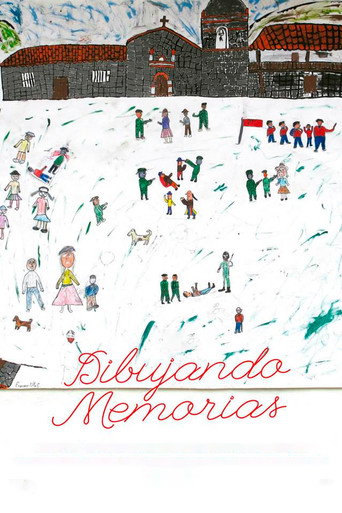
With pencils, brushes, colors, papers and canvases, those who were children during the internal armed conflict that ravaged Peru between 1980 and 2000, draw and paint with their children, forging the collective memory of the years of violence they lived through in their communities, in a story that dispels the fears that held them captive and shares their dreams for the future.
Dibujando Memorias
2015
The flora and fauna of the highlands.
La Puna
—
 NR
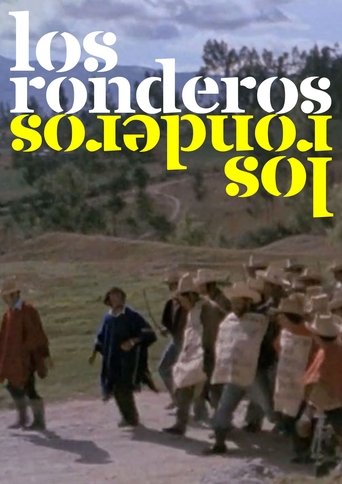
The film presents the most important features of the Rondas Campesinas in their conflict with rustlers in Chota, in the Department of Cajamarca in the 1970s. Ronderos surprise three rustlers stealing cattle and hand them over to the authorities. But they release the rustlers, who go back to steal and kill a peasant. Faced with this murder, the ronderos capture the rustlers and decide to reeducate them, so they learn to work and become useful people for their community. With the participation of the members of the Rondas Campesinas from Chota and teachers of the normal school of Chota.
Los Ronderos
1987
Beliefs of a group of farmers from Choptapampa and Rojas Pampa regarding the healing and harm that the witches of those towns can cause.
Macaneo
1988
The daily life of the peasant woman where weaving and small trade are complementary activities to agriculture.
Asunción
1987
This documentary showcases the work of farmers in the Chira River Valley who, by harnessing the region's natural resources (wind for mills and wood), are expanding their farmland. The documentary benefited from the expertise of Alfredo Oliveros and Guido Ucelli, wind energy specialists.
Ingenio y Naturaleza
1977
The documentary was filmed at the Colpa Matara ranch in the Chota district and tells the story of the peasant patrols in Cajamarca when they recover stolen livestock, punish, and re-educate the local cattle rustlers. Members of the Federation of Peasant Patrols of Chota appear in the documentary.
El toro de Don Samuel
1986
 NR
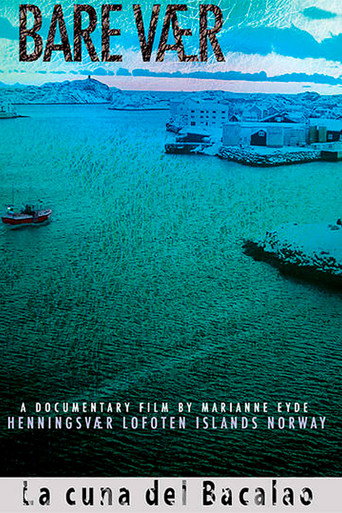
For centuries, dried fish has been Norway's main export. The Lofoten Islands, above the Arctic Circle, were once synonymous with cod fishing. Fishermen, entrepreneurs, and artisans tell us the story of Henningsvær: a vibrant community in an extreme environment.
La cuna del bacalao
2008
About a dance that evokes the struggle between Moors and Christian knights in a folk festival in the district of Huamantanga, province of Cana-Lima.
Carlo Magno de los Andes
1975
 NR
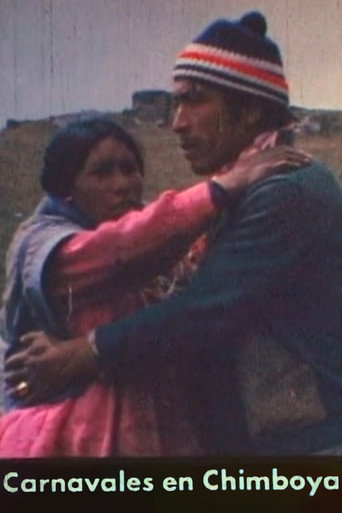
Carnival celebration by the community members of Chimboya (Corani district, Carabaya province), in homage to their farms and livestock.
Carnavales en Chimboya
1984
In the 30 de Agosto community of the Comas district, a woman is working to find solutions to common needs by coordinating efforts. Her work benefits her children, but her husband is not happy with her new role.
La Historia de Ana
1989
 6.3
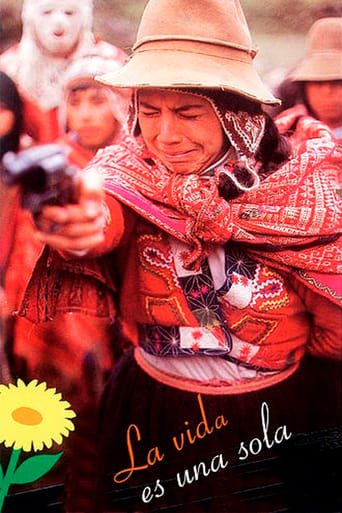
Peru in the early 1980s… a time of difficulties.
You Only Live Once
1993
6.3Peru in the early 1980s… a time of difficulties.
You Only Live Once
1993
 NR
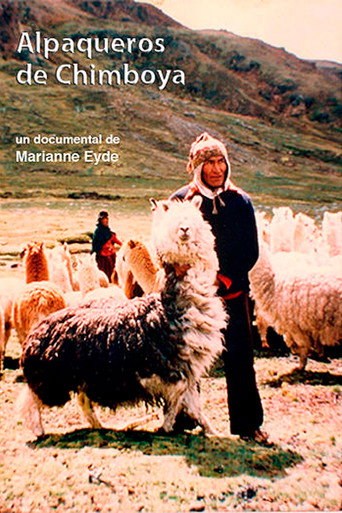
This documentary shows the daily lives of alpaca herders in Chimboya and describes the alpaca fiber marketing system, from the factory in Arequipa through intermediaries to the producers. Large companies advance money to traders or middlemen, who in turn provide advances in cash or food to the producers, to be repaid in wool. To supplement their diet, the farmers make long journeys to the lower valleys to exchange the products they produce on the high plateau, such as wool, textiles, and meat, for agricultural products like corn, barley, and wheat grown by the communities in the lower valleys.
Alpaqueros de Chimboya
1983