
Known for
 8.0
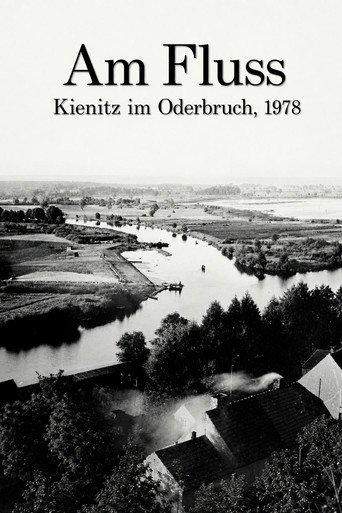
A documentary about the village Kienitz at the river Oder, about the people, their life, their history.
At the River
1979
 NR
Documentary with beautiful black-and-white CinemaScope shots, which combined impressive scenes from a trip to the Ukraine with historical reminiscences. The censors criticized the "too narrow and too intimate view" of the Soviet Union; they didn't like the fact that bells were ringing, that a chauffeur from the film crew or an elderly peasant couple recalled the horrors of war or that Nikolai Gogol and Yevgeny Yevtushenko were quoted - that was considered backward-looking. Without the knowledge of the filmmakers Karlheinz Mund and Christian Lehmann, the film was shortened and mutilated; the seventeen minutes that were allowed for a public screening are only the torso of a large draft.
Eine Sommerreise
1969
Documentary about three painters painting cities.
Stadtlandschaften
1982
Two cousins, who had been communists since their earliest youth and were anti-fascist fighters, meet again for the first time in Spain in 1988 and reminisce about their lives (1936–1956).
Die Cousins
1988
Four men from different professions, all around 50 years old (including a pastor and a stage designer), are interviewed about their childhood in fascist Germany. In individual conversations, they recall childhood experiences and reflect on them from today's perspective.
Knabenjahre
1989
 NR
The film portrays the photographer Walter Ballhause, who walks the streets of his home town of Hanover in the 1930s with his Leica and photographs people: People waiting on bridge railings, on park benches, in endless queues in front of the employment offices...
Walter Ballhause - One Among Millions
1982
Behind the camera
8.0A documentary about the village Kienitz at the river Oder, about the people, their life, their history.
At the River
1979
NRDocumentary with beautiful black-and-white CinemaScope shots, which combined impressive scenes from a trip to the Ukraine with historical reminiscences. The censors criticized the "too narrow and too intimate view" of the Soviet Union; they didn't like the fact that bells were ringing, that a chauffeur from the film crew or an elderly peasant couple recalled the horrors of war or that Nikolai Gogol and Yevgeny Yevtushenko were quoted - that was considered backward-looking. Without the knowledge of the filmmakers Karlheinz Mund and Christian Lehmann, the film was shortened and mutilated; the seventeen minutes that were allowed for a public screening are only the torso of a large draft.
Eine Sommerreise
1969
Documentary about three painters painting cities.
Stadtlandschaften
1982
Two cousins, who had been communists since their earliest youth and were anti-fascist fighters, meet again for the first time in Spain in 1988 and reminisce about their lives (1936–1956).
Die Cousins
1988
Four men from different professions, all around 50 years old (including a pastor and a stage designer), are interviewed about their childhood in fascist Germany. In individual conversations, they recall childhood experiences and reflect on them from today's perspective.
Knabenjahre
1989
NRThe film portrays the photographer Walter Ballhause, who walks the streets of his home town of Hanover in the 1930s with his Leica and photographs people: People waiting on bridge railings, on park benches, in endless queues in front of the employment offices...
Walter Ballhause - One Among Millions
1982
 NR
Camera study about everyday life on the Hoyerswerda construction site. Film rediscovered in 2014.
Der Elefant von Hoyerswerda
1959
NRCamera study about everyday life on the Hoyerswerda construction site. Film rediscovered in 2014.
Der Elefant von Hoyerswerda
1959