

Directing
Masato Hara
Born
1950-07-15 (76)
Known for
Directing
Credits
23 titles
While still in secondary school, Hara Masato (1950) won several prizes with his 16mm film A Sad Yet Funny Ballad. In 1970, he wrote the script for Oshima Nagasi's film The Man Who Left His Will on Film. In 1973, he completed The First Emperor, a film on which he worked for three years. The film was selected by the magazine Kinema Jumpo as one of the most important films in Japanese film history. From the 1980s on, Hara focused increasingly on television documentaries. In his work, he makes use of various media, mainly animation and laser disk images and he often combines the screening of his films with live performances.
Known for
 7.6
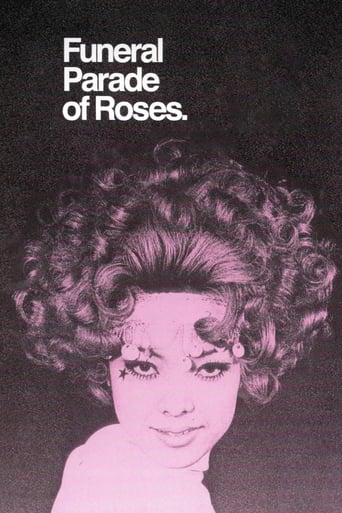
7.6In 1960s Tokyo, Gonda owns a bar in which the gay, cross-dresser, and trans scenes meet. Gonda is in a relationship with the madam of the bar, Leda. As the younger Eddie starts a passionate affair with Gonda, she ignites the jealousy of Leda, unaware of another kind of history between them.
Funeral Parade of Roses
1969
 7.1
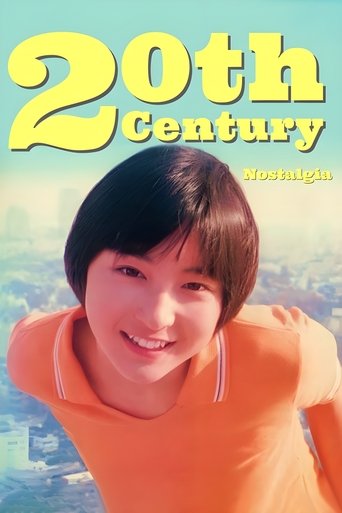
7.1A young student believes that the spirit of an alien from another planet has gone back in time, taking over his body to infiltrate and study humanity in order to find the reasons why our civilization is doomed to future destruction. He replicates the spirit of another alien in a girl that he meets, and together they use their video cameras to document modern urban Japanese society.
20th Century Nostalgia
1997
 NR
NRA tragic love story set in a mountain village in the Showa era, waiting for a fiancé who died in the war, but it is more than that. It breaks through the existing concept of a film with a beginning, middle, and end, and like Fellini or Godard... Hara Masato's cosmic film philosophy on the theme of "human history and media" unfolds like a symphony.
SOAR: I Wish You Were Here
2015
 5.9
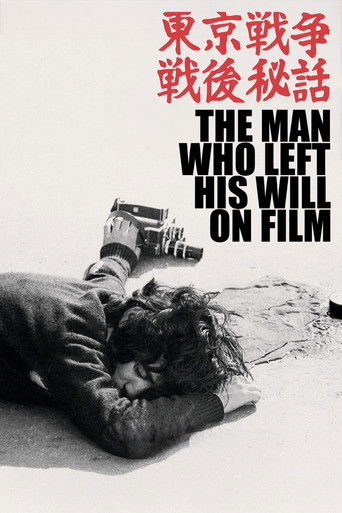
5.9When a man chases down his stolen movie camera, the thief commits suicide by jumping off a building. But after the police take the camera as evidence, it becomes unclear if there was ever a thief in the first place.
The Man Who Left His Will on Film
1970
 NR
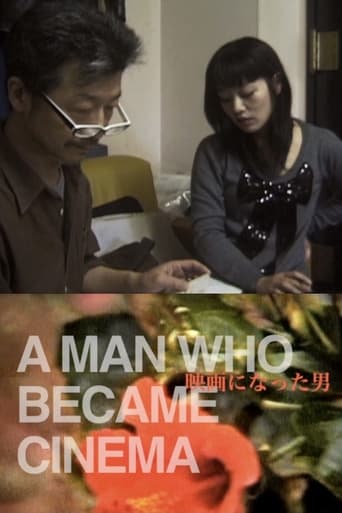
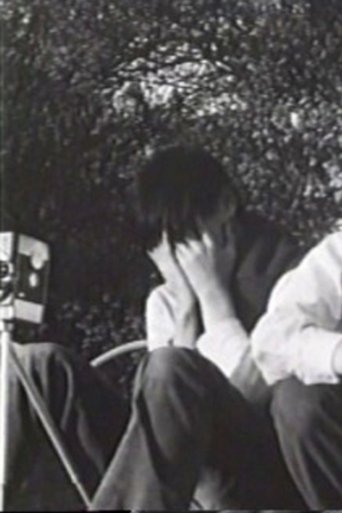
NRMasato Hara made his directorial debut in high school in 1968 and achieved a reputation as a young prodigy. Many years later, he continues to make films and show his old experimental 'live-screening' films, but is saddled with massive debts. This film follows eight years in his life.
A Man Who Became Cinema
2018
 NR
NRA young man sets out to make a Super 8 film, but isn't sure what the film should be about.
A Sad Yet Funny Ballad
1968
Film credits
2010s · 2 titles
NRMasato Hara made his directorial debut in high school in 1968 and achieved a reputation as a young prodigy. Many years later, he continues to make films and show his old experimental 'live-screening' films, but is saddled with massive debts. This film follows eight years in his life.
A Man Who Became Cinema
2018
 NR
NRTanzan Shrine, also known as the Danzan Shrine.
Tanzan session
2012
Behind the camera
7.1A young student believes that the spirit of an alien from another planet has gone back in time, taking over his body to infiltrate and study humanity in order to find the reasons why our civilization is doomed to future destruction. He replicates the spirit of another alien in a girl that he meets, and together they use their video cameras to document modern urban Japanese society.
20th Century Nostalgia
1997
7.1A young student believes that the spirit of an alien from another planet has gone back in time, taking over his body to infiltrate and study humanity in order to find the reasons why our civilization is doomed to future destruction. He replicates the spirit of another alien in a girl that he meets, and together they use their video cameras to document modern urban Japanese society.
20th Century Nostalgia
1997
NRA tragic love story set in a mountain village in the Showa era, waiting for a fiancé who died in the war, but it is more than that. It breaks through the existing concept of a film with a beginning, middle, and end, and like Fellini or Godard... Hara Masato's cosmic film philosophy on the theme of "human history and media" unfolds like a symphony.
SOAR: I Wish You Were Here
2015
NRA tragic love story set in a mountain village in the Showa era, waiting for a fiancé who died in the war, but it is more than that. It breaks through the existing concept of a film with a beginning, middle, and end, and like Fellini or Godard... Hara Masato's cosmic film philosophy on the theme of "human history and media" unfolds like a symphony.
SOAR: I Wish You Were Here
2015
5.9When a man chases down his stolen movie camera, the thief commits suicide by jumping off a building. But after the police take the camera as evidence, it becomes unclear if there was ever a thief in the first place.
The Man Who Left His Will on Film
1970
NRA young man sets out to make a Super 8 film, but isn't sure what the film should be about.
A Sad Yet Funny Ballad
1968
NRA young man sets out to make a Super 8 film, but isn't sure what the film should be about.
A Sad Yet Funny Ballad
1968
 NR
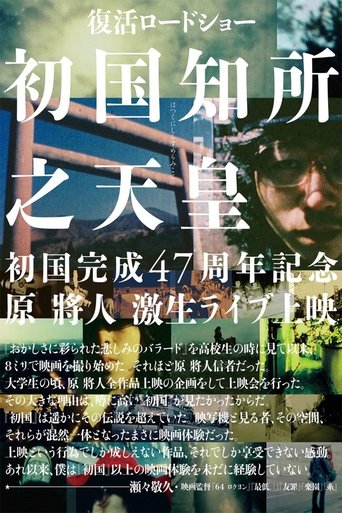
NRIn 1971, Hara Masato and a group or actors started shooting his 16mm film, The First Emperor, based on an old Japanese book about history and myths that is known as the Kojiki ('Record of Ancient Matters'). He did not finish the film.
The First Emperor
1973
NRIn 1971, Hara Masato and a group or actors started shooting his 16mm film, The First Emperor, based on an old Japanese book about history and myths that is known as the Kojiki ('Record of Ancient Matters'). He did not finish the film.
The First Emperor
1973
NRIn 1971, Hara Masato and a group or actors started shooting his 16mm film, The First Emperor, based on an old Japanese book about history and myths that is known as the Kojiki ('Record of Ancient Matters'). He did not finish the film.
The First Emperor
1973
 NR
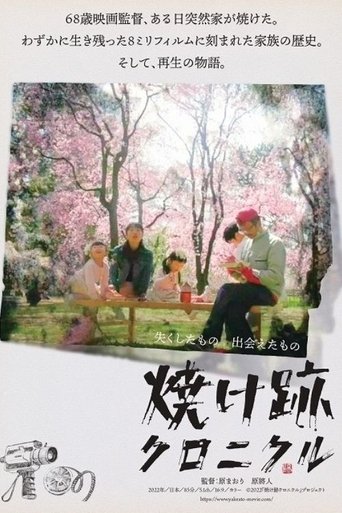
NRHara's new film 「焼け跡クロニクル」 is a documentary film about Hara's attempt to rebuild his life from scratch after his house burned down in 2018 and he lost all his household goods and film equipment. Co-produced with Maori Hara, his partner in both public and private life, the film combines 8mm film salvaged from the ruins of the fire with digital footage shot on an iPhone to tell the story of his recovery from the fire.
Yakeato Chronicle
2022
The film is an intimate and raw portrait of Yoshio Hayakawa, former leader of the legendary group Jacks, filmed between July and November 1969, in the months following the group’s dissolution. As he prepares to temporarily step away from the spotlight of the music scene to open a second-hand record store, director Masato Hara captures his world, his thoughts, and his reflections on music and creation. The film also looks back at his solo career, which began with the release of his album かっこいいことはなんてかっこ悪いんだろう.
自己表出史「早川義夫」編
1970
With two people I met on the live screening tour of my previous film The Eternal Traveler, Kaneko Tomokazu (17) and Onuma Ryoko (23), posing as my son and my daughter, the "Road Movie Family" went on voyage in the summer of 1996, taking five cameras with them. This journey became the core of our film, with each of us editing his or her own part, adding his or her own voice-over, trying to achieve an "I-movie" with several "I" s.
Never Ending Summer
1997
Filmmaker Masato Hara and his teenage son set off on a road trip, following the route of Basho's Narrow Road to the Deep North.
The Eternal Traveller
1995
Filmmaker Masato Hara and his teenage son set off on a road trip, following the route of Basho's Narrow Road to the Deep North.
The Eternal Traveller
1995
 NR
NRAt the age of 63, Masato Hara becomes father to a pair of twin sisters, and for the first time in his life must work part-time jobs to make a living.
Futago Rekki
2018
NRAt the age of 63, Masato Hara becomes father to a pair of twin sisters, and for the first time in his life must work part-time jobs to make a living.
Futago Rekki
2018
 NR
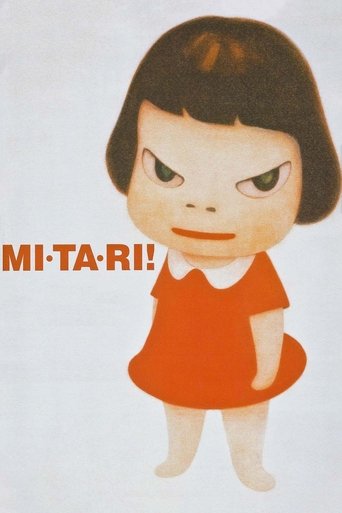
NRFilm director Masato Hara welcomes MAORI as a partner and begins a new life. The two of us routinely turn the 8mm camera and make songs while the days go by. The time between the two will soon be the time for the three with their newborn eldest son, KOBOH. And a small family trip. Head south from Kyoto to Hiroshima, Kyushu, and Okinawa. Put enough luggage, shooting equipment and accordion in a small car.
MI • TA • RI!
2002
NRFilm director Masato Hara welcomes MAORI as a partner and begins a new life. The two of us routinely turn the 8mm camera and make songs while the days go by. The time between the two will soon be the time for the three with their newborn eldest son, KOBOH. And a small family trip. Head south from Kyoto to Hiroshima, Kyushu, and Okinawa. Put enough luggage, shooting equipment and accordion in a small car.
MI • TA • RI!
2002