
Acting
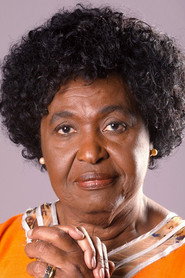
Benedita da Silva
Born
1942-04-26 (84)
Place of birth
Rio de Janeiro, Rio de Janeiro, Brazil
Known for
Acting
Credits
22 titles
Benedita Sousa da Silva Sampaio (Rio de Janeiro, April 26, 1942) is a Brazilian public servant, teacher, nursing assistant, social worker, and politician.
Known for
 7.3
Against the backdrop of a turbulent era in Brazil, this documentary captures Pelé's extraordinary path from breakthrough talent to national hero. Mixing rare archival footage and exclusive interviews, this documentary celebrates the legendary Brazilian footballer who personified football as art.
Pelé
2021
 8.5
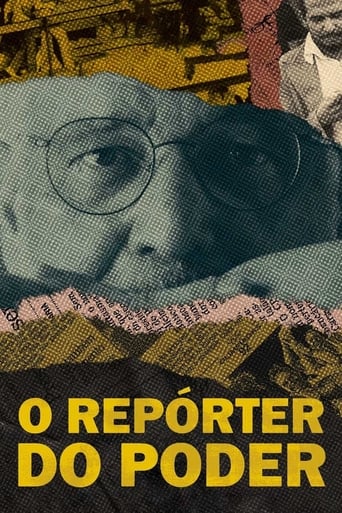
No synopsis available yet.
O Repórter do Poder
2023
 5.6
This documentary investigates the aesthetic, political and existential trajectory of emblematic Black Brazilian actor Antônio Pitanga. His career spans over five decades, and he has worked with iconic Brazilian filmmakers Glauber Rocha, Cacá Diegues and Walter Lima Jr. He was a prominent figurehead and outspoken activist during the Brazilian dictatorship, a period of unrest in Brazilian cinema. "Pitanga" deep dives into the world of Antônio and the history of Brazil. The documentary was directed by his daughter Camila Pitanga, one of widely recognised faces in Brazilian television and cinema right now. The film is also a poem, and a tender ode to fatherhood.
Pitanga
2016
 7.9
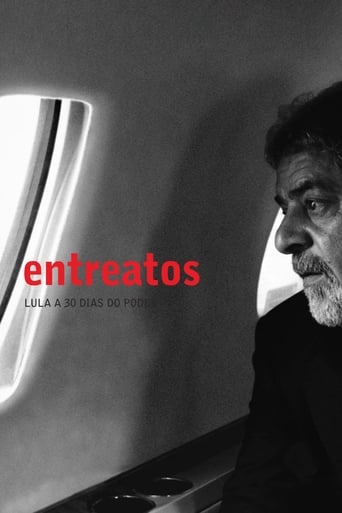
This revealing documentary offers an insider's view of Lula da Silva's 2002 presidential campaign, showing political dynamics alongside intimate moments.
Intermissions
2004
 7.6
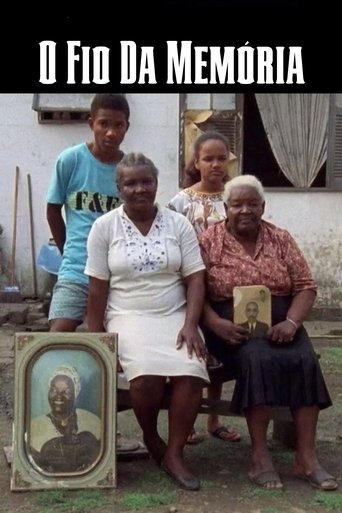
A panorama of the Brazilian black experience, starting with the figure of the semi-illiterate popular artist and employee of a salt mine Gabriel Joaquim dos Santos.
The Memory Thread
1991
 6.9
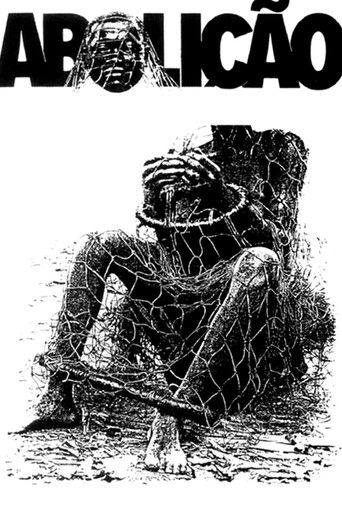
In 1988, the centenary of abolition of slavery in Brazil, Zózimo Bulbul made this powerful historical analysis of racial issues in his country. This documentary provides an in-depth look through extensive archival researching and interviews of key figures who were involved in preserving black culture. Aside from historical testimony, this epic documentary also points to the current relevance of facing the racism that still confronts the black population in Brazil.
Abolition
1988
Film credits
2020s · 9 titles
7.3Against the backdrop of a turbulent era in Brazil, this documentary captures Pelé's extraordinary path from breakthrough talent to national hero. Mixing rare archival footage and exclusive interviews, this documentary celebrates the legendary Brazilian footballer who personified football as art.
Pelé
2021
 NR
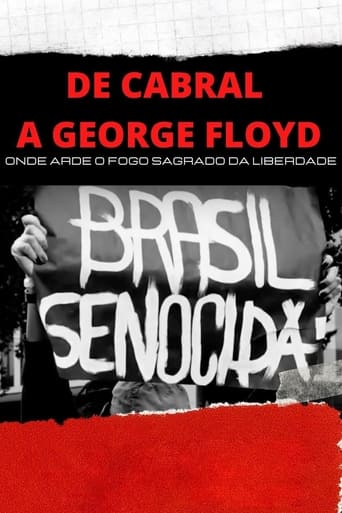
Through clippings, the film draws a narrative line between the construction of racism in Brazil and the United States, having as base the European invasion of the continent, police violence, the genocide of the black people, the massacre of indigenous peoples, religious violence, the criminalization of funk music, structural racism in art and education, the importance of quota policy and the need urgent historical repair as a commitment by the Brazilian state to the black people.
De Cabral a George Floyd: Onde Arde o Fogo Sagrado da Liberdade
2020
 8.3
Brazil has a long tradition of coup d'états. These coups would have not been viable without the support of the big media, particularly TV Globo. Two Brazilian journalists in the UK reveal the manipulative tactics of these organisations.
The Coup d'État Factory
2022
 5.0
Through rare and striking footage from her own films, Eunice Gutman Has Stories revisits the journey of one of the pioneers of feminist cinema in Brazil. This is a tribute to the director, who will celebrate 50 years of work and 85 years of life in 2026.
Eunice Gutman Has Stories
2025
 NR
In 2018, Brazil’s 1988 Constitution turned thirty. Known as the Citizen Constitution, it was a landmark in the history of Brazil, the outcome of across-the-board engagement of society in its preparation. In Congress, the parliamentarians best known for their involvement in this initiative were names that are still familiar today in Brazil’s political history: Ulysses Guimarães, Teotônio Vilela, Tancredo Neves and Nelson Carneiro.
Nelson Carneiro: Knight of Democracy
2023
 NR
The most successful case of collective fight for women's rights in Brazil.
Lobby do Batom
2022
 NR
About Rio de Paz
A Estética da Luta
2022
 NR
No synopsis available yet.
Terceiro Lado
2020
 NR
No synopsis available yet.
Luzes, Mulheres, Ação
2022
2010s · 3 titles
5.6This documentary investigates the aesthetic, political and existential trajectory of emblematic Black Brazilian actor Antônio Pitanga. His career spans over five decades, and he has worked with iconic Brazilian filmmakers Glauber Rocha, Cacá Diegues and Walter Lima Jr. He was a prominent figurehead and outspoken activist during the Brazilian dictatorship, a period of unrest in Brazilian cinema. "Pitanga" deep dives into the world of Antônio and the history of Brazil. The documentary was directed by his daughter Camila Pitanga, one of widely recognised faces in Brazilian television and cinema right now. The film is also a poem, and a tender ode to fatherhood.
Pitanga
2016
 10.0
Stories of black women who, thanks to the relentless toil of their mothers, were able to attend school and retrace the paths treaded by their ancestors. Their memories, joys and sorrows become present as a possibility for a new fate, transforming the hard work of the washerwomen in a spectacle of life and fulfillment.
Filhas de Lavadeiras
2019
 NR
The documentary recalls the mobilizations in favor of the Child and Adolescent Statute, when hundreds of street kids occupied the Chamber of Deputies Plenary to symbolically vote for the approval of that law, in July 1990.
Toda Criança é Criança
2015
2000s · 2 titles

1990s · 3 titles
7.6A panorama of the Brazilian black experience, starting with the figure of the semi-illiterate popular artist and employee of a salt mine Gabriel Joaquim dos Santos.
The Memory Thread
1991
No synopsis available yet.
A Dívida da Vida
1992
 NR
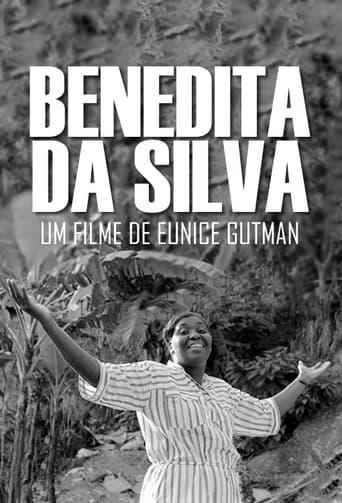
No synopsis available yet.
Benedita da Silva
1991
1980s · 4 titles
6.9In 1988, the centenary of abolition of slavery in Brazil, Zózimo Bulbul made this powerful historical analysis of racial issues in his country. This documentary provides an in-depth look through extensive archival researching and interviews of key figures who were involved in preserving black culture. Aside from historical testimony, this epic documentary also points to the current relevance of facing the racism that still confronts the black population in Brazil.
Abolition
1988
 8.5
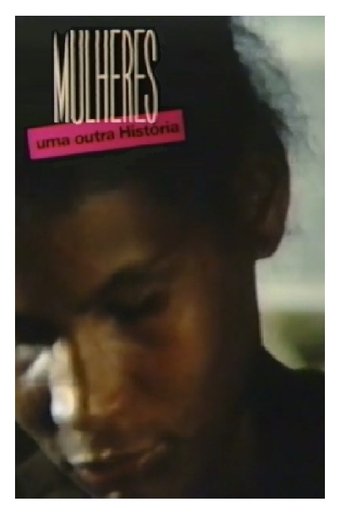
Filmed as Brazil was transitioning back into a democracy after over two decades of dictatorship, ‘Mulheres: uma outra história’ focuses on various aspects of women's participation in the Brazilian political scene and features interviews with some of the 23 women newly elected to the Constituent Assembly who managed to gain the approval of some of their proposals for the Brazilian Constitution which was being written at the time. The film features appearances from suffragist Carmen Portilho, who reminds viewers about the long history of struggle for women to earn the right to vote in the country, and Jandira Feghali and Benedita da Silva who would become some of the most influential political leaders in the country’s history.
Mulheres: Uma Outra História
1988
 8.0
The documentary addresses the stereotypes that imprison both men and women, the prejudice against women at the time and the need to legalize abortion to avoid the damage caused by illegal abortion.
Our Lives
1985
 10.0
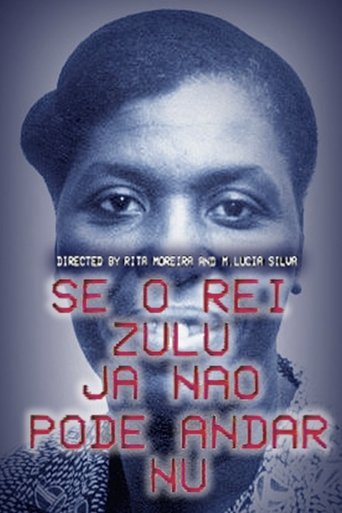
Video documentary on prejudice against black people in Brazil, featuring statements and interviews about racist episodes, and a poll on the importance of Benedita da Silva’s presence in the Constituent Assembly. Footage of the South African bishop Desmond Tutu’s visit to Rio de Janeiro, at a time when Apartheid was still in effect in his country and Nelson Mandela was in prison.
Se O Rei Zulu Já Não Pode Andar Nu
1987