
Writing
Kengo Inomata
Born — Died
1940-08-08 — 2005-05-01
Place of birth
Tokyo, Japan
Known for
Writing
Credits
8 titles
Known for
 NR
NRThe Japanese karate master Muhashi spent some time in Hong Kong studying various Shaolin martial arts styles. Soon the narcotics brigade calls in his help to combat a powerful drug and prostitution syndicate.
Karate from Shaolin Temple
1976
 6.0
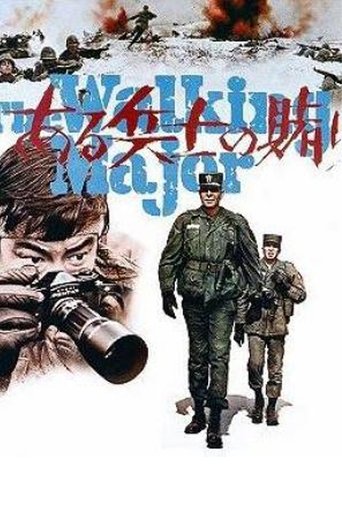
6.0U.S. Army Captain Clark Allen gains attention by walking back and forth, the length of Japan, gambling with U.S. servicemen in order to raise funds to rebuild an orphanage. Suspicious of Allen's motives, a Japanese newsman, Hiroshi Kitabayashi, traces the American's background until he discovers the motive behind Allen's long walk.
The Walking Major
1970
 NR
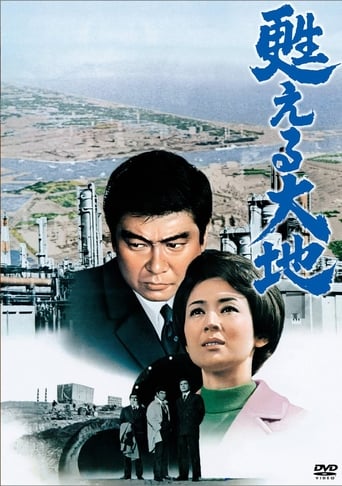
NRA dramatic film that recorded the history of Japan in the period of high economic growth. This work deals with Kashima Rinkai industrial zone development. The men who dream of making the overlooking wasteland as a big industrial area draw the courage to realize the ideal purely with the fishy desire swirling back to the coastal industrial area of Kashima Nada in Ibaraki prefecture.
The Earth is Born Again
1971
 NR
NRSuspense.
Michinoku Reunion Tour Murders
1988
 10.0
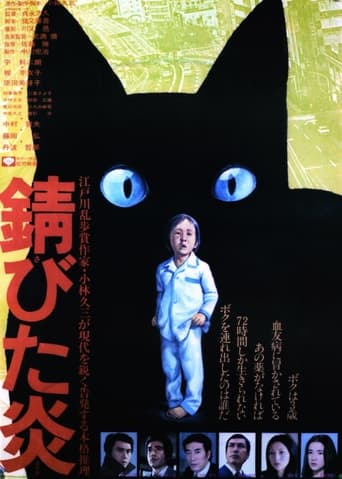
10.0In the early hours of April 13th, a five year old hemophiliac child was kidnapped by someone from Tanemura General Hospital in Tokyo, Setagaya. Tokyo Metropolitan Police Department Inspector Kitahara, who received the report, goes quickly to the Tanemura home, along with other police to speak to the family of the child. Then, suddenly, the phone rings. The kidnapper wants money.
Flickering Flames
1977
 6.0
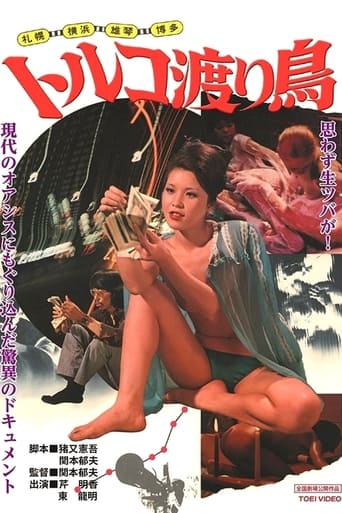
6.0A Toei mockumentary exploration of the Japanese brothels called "Turkish baths".
Sapporo, Yokohama, Ogoto, Hakata: Turkish Migratory Birds
1975
Behind the camera
NRThe Japanese karate master Muhashi spent some time in Hong Kong studying various Shaolin martial arts styles. Soon the narcotics brigade calls in his help to combat a powerful drug and prostitution syndicate.
Karate from Shaolin Temple
1976
6.0U.S. Army Captain Clark Allen gains attention by walking back and forth, the length of Japan, gambling with U.S. servicemen in order to raise funds to rebuild an orphanage. Suspicious of Allen's motives, a Japanese newsman, Hiroshi Kitabayashi, traces the American's background until he discovers the motive behind Allen's long walk.
The Walking Major
1970
NRA dramatic film that recorded the history of Japan in the period of high economic growth. This work deals with Kashima Rinkai industrial zone development. The men who dream of making the overlooking wasteland as a big industrial area draw the courage to realize the ideal purely with the fishy desire swirling back to the coastal industrial area of Kashima Nada in Ibaraki prefecture.
The Earth is Born Again
1971
NRSuspense.
Michinoku Reunion Tour Murders
1988
10.0In the early hours of April 13th, a five year old hemophiliac child was kidnapped by someone from Tanemura General Hospital in Tokyo, Setagaya. Tokyo Metropolitan Police Department Inspector Kitahara, who received the report, goes quickly to the Tanemura home, along with other police to speak to the family of the child. Then, suddenly, the phone rings. The kidnapper wants money.
Flickering Flames
1977
6.0A Toei mockumentary exploration of the Japanese brothels called "Turkish baths".
Sapporo, Yokohama, Ogoto, Hakata: Turkish Migratory Birds
1975
 NR
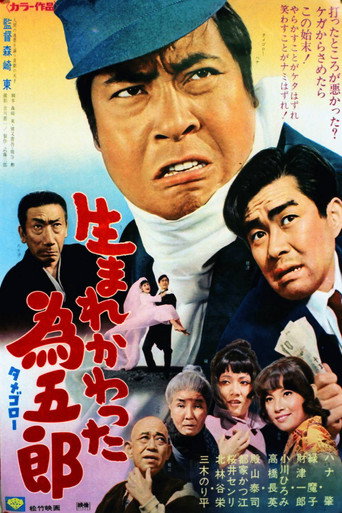
NRA drifting gambler named Tamegorō befriends a weary salesman and helps connect him with a nightclub hostess whose father has just been released from prison. In a rapidly industrializing coastal town dominated by yakuza influence, Tamegorō becomes entangled in gang conflicts and the exploitation of local workers. As he grows attached to the struggling people around him, the carefree drifter finds himself driven toward an act of rebellion against the corrupt underworld controlling the city.
Umarekawatta Tamegorō
1972
In Jimpachi Kodera's household, young samurai Keishiro Kanie arrives, captivating Jimpachi's wife, Shoko, despite his initially arrogant demeanor. Keishiro introduces himself while Shoko is cleaning, and she recalls her husband mentioning a visitor, reluctantly preparing a meal for him. Frustrated by Jimpachi's silence about Keishiro, Shoko confronts him, but he remains tight-lipped, further irritating her. As Keishiro addresses Shoko as "Okami" (landlady) and speaks informally with Jimpachi, his innocent and unpretentious nature gradually wins Shoko over. Despite initial irritation, Shoko is drawn to Keishiro's kindness and dependability as they spend more time together.
My Beloved Is My Husband's Boss?!
1987