
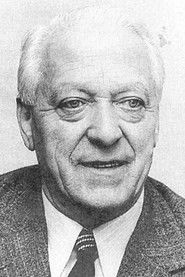
Directing
Vladimír Bahna
Born — Died
1914-07-25 — 1977-10-19
Place of birth
Banská Štiavnica, Austria-Hungary, Slovakia
Known for
Directing
Credits
34 titles
Known for
The film adaptation of the novel of the same name by Peter Jilemnický is a drama about the life of poor Kysuce miners, which takes place in the thirties during the economic crisis. During the peak wave of emigration, the dream of a better life drives thousands of people to America for work. Others, in order to support their families, leave for the surrounding towns. Produced by the Bratislava Art Film Studio, studios and laboratories Bratislava - Koliba.
Unploughed Field
1954
 10.0
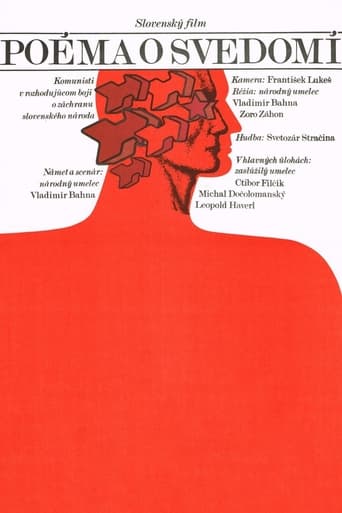
10.0Historical reconstruction of the events of the anti-fascist struggle in Slovakia in 1943 and 1944.
Poéma o svedomí
1979
 9.0
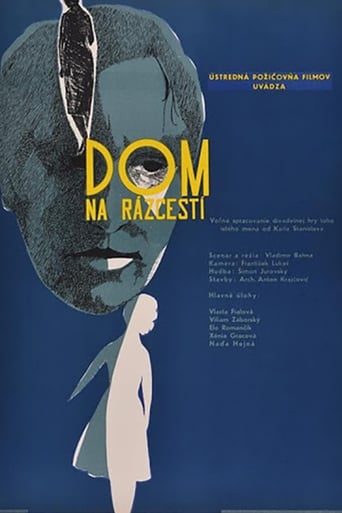
9.0Because abortions required complicated approvals, an enterprising doctor secretly set up a sort of private practice where she offered this "service" illegally. However, the sympathetic doctor who was supposed to become a valuable helper in this business flatly refuses.
Dom na rázcestí
1959
No synopsis available yet.
Čierne umenie
1944
No synopsis available yet.
Pukanskí kolári
1948
 NR
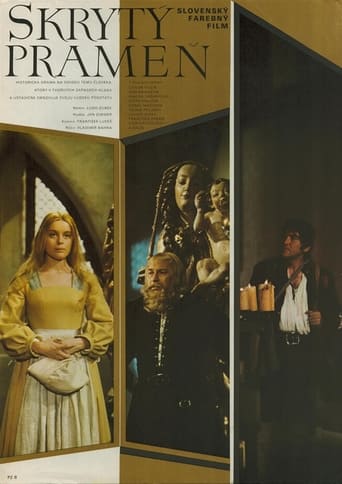
NRLevoča, first half of the 16th century. Master Paul creates his most famous work - a late Gothic altar in the Church of St. James. He has just recruited the carving companion Kristof into his service.
Skrytý prameň
1974
Film credits
Behind the camera
The film adaptation of the novel of the same name by Peter Jilemnický is a drama about the life of poor Kysuce miners, which takes place in the thirties during the economic crisis. During the peak wave of emigration, the dream of a better life drives thousands of people to America for work. Others, in order to support their families, leave for the surrounding towns. Produced by the Bratislava Art Film Studio, studios and laboratories Bratislava - Koliba.
Unploughed Field
1954
10.0Historical reconstruction of the events of the anti-fascist struggle in Slovakia in 1943 and 1944.
Poéma o svedomí
1979
10.0Historical reconstruction of the events of the anti-fascist struggle in Slovakia in 1943 and 1944.
Poéma o svedomí
1979
9.0Because abortions required complicated approvals, an enterprising doctor secretly set up a sort of private practice where she offered this "service" illegally. However, the sympathetic doctor who was supposed to become a valuable helper in this business flatly refuses.
Dom na rázcestí
1959
9.0Because abortions required complicated approvals, an enterprising doctor secretly set up a sort of private practice where she offered this "service" illegally. However, the sympathetic doctor who was supposed to become a valuable helper in this business flatly refuses.
Dom na rázcestí
1959
No synopsis available yet.
Čierne umenie
1944
No synopsis available yet.
Pukanskí kolári
1948
No synopsis available yet.
Pukanskí kolári
1948
NRLevoča, first half of the 16th century. Master Paul creates his most famous work - a late Gothic altar in the Church of St. James. He has just recruited the carving companion Kristof into his service.
Skrytý prameň
1974
NRLevoča, first half of the 16th century. Master Paul creates his most famous work - a late Gothic altar in the Church of St. James. He has just recruited the carving companion Kristof into his service.
Skrytý prameň
1974
Documentary film about the Slovak Youth Line - a railway line built by the Czechoslovak youth from Hronská Dúbrava to Báňská Štiavnica and Letovice.
Oceľová cesta
1950
Documentary film about the Slovak Youth Line - a railway line built by the Czechoslovak youth from Hronská Dúbrava to Báňská Štiavnica and Letovice.
Oceľová cesta
1950
No synopsis available yet.
Neznáme ruky
1949
No synopsis available yet.
Čarovný prút
1948
No synopsis available yet.
Čarovný prút
1948
No synopsis available yet.
Dúha nad Slovenskom
1952
No synopsis available yet.
Dúha nad Slovenskom
1952
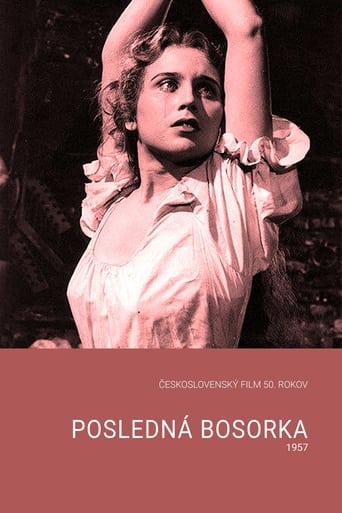 7.9
7.9This dramatic story is situated in the town of Trnava of the 18th century. Painter Peter paints an altar-piece of the Martyrdom of St. Juliet and his model is a young girl. This is much disliked by the clergy who unjustly accuse the girl of witchcraft. She is saved from being burnt at a stake by the students of the Trnava University.
The Last Witch
1957
Historical satire from the first half of the 19th century, which captures the decay and decline of the landed estate. The impoverished peasants still seem to adhere to the old principles of peasant honor and glory, but the elections will show how easy it is to buy knightly qualities.
Earthly Honor
1958
No synopsis available yet.
Na brehu priezračnej rieky
1966
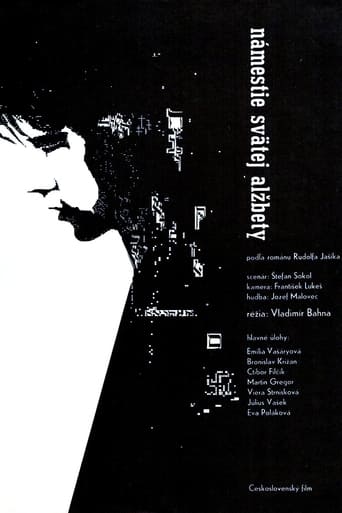 9.0
9.0Film adaptation of Rudolf Jašík's novel of the same name. The plot of the film is situated in the forties of our century, in the first years of the Second World War. It captures the political and social atmosphere of one of the Slovak towns that lives seemingly in the lee, far from the world and war. Well, appearances are deceiving. Beneath the surface of peaceful, everyday life, a tragic process is taking place, accelerating people's destinies, the disintegration of their characters, but also the maturing of their relationships. The film is the story of Eva and Igor, their love, violently interrupted by political events. In this era of personal and social tragedies, children become adults almost overnight, honest people become victims, and mentally ill people become murderers. The film about the fates of Eva and Igor, the Jewish cartmen Samko and Maxi, and the careerist Flórik presents a believable, convincing picture of the era marked by the expansion of fascism.
Saint Elizabeth Square
1966
During the Slovak National Uprising, even ordinary people were determined to perform heroic deeds, even though they knew they were exposing themselves to great danger. The heroine of this film, a simple country woman, has a hard time paying for her bravery: she is sentenced to death, postponed for now so that she can nurse her recently born baby. She is even offered salvation if she betrays, but the presence of a member of the Soviet army infuses her with determination and hope. Early Spring belongs to the usual schematic, lifeless staged views of the subject that the communist regime has elevated to the level of sacred matter.
Predjarie
1961
During the Slovak National Uprising, even ordinary people were determined to perform heroic deeds, even though they knew they were exposing themselves to great danger. The heroine of this film, a simple country woman, has a hard time paying for her bravery: she is sentenced to death, postponed for now so that she can nurse her recently born baby. She is even offered salvation if she betrays, but the presence of a member of the Soviet army infuses her with determination and hope. Early Spring belongs to the usual schematic, lifeless staged views of the subject that the communist regime has elevated to the level of sacred matter.
Predjarie
1961
Slovak partisans, bravely fighting against Nazi superiority, would never have succeeded to such an extent if they had not been supported by the villagers. Despite the threat of repression, it is the villagers who care for the wounded, hide them, and behave conscientiously. Although the film was made in the late 1960s, it fully adopts the patterns of partisan stories, perhaps the only thing it can be credited with is a more developed sense of authenticity in the story, characters, and setting.
Stopy na Sitne
1969
Slovak partisans, bravely fighting against Nazi superiority, would never have succeeded to such an extent if they had not been supported by the villagers. Despite the threat of repression, it is the villagers who care for the wounded, hide them, and behave conscientiously. Although the film was made in the late 1960s, it fully adopts the patterns of partisan stories, perhaps the only thing it can be credited with is a more developed sense of authenticity in the story, characters, and setting.
Stopy na Sitne
1969
No synopsis available yet.
Príďte všetci!
1954
No synopsis available yet.
Príďte všetci!
1954
No synopsis available yet.
Slnečný kúpeľ
1964
A dramatic story of a young woman, Mária Kedrová, who gradually breaks free from her humiliating position in her family and society in the post-war years. Tired of the inhumane work and tyranny on behalf of her husband's kulak family, after endless humiliation, she leaves the Kedrová house with her son Martin to start living her own life.
Žena z Vrchov
1956
A dramatic story of a young woman, Mária Kedrová, who gradually breaks free from her humiliating position in her family and society in the post-war years. Tired of the inhumane work and tyranny on behalf of her husband's kulak family, after endless humiliation, she leaves the Kedrová house with her son Martin to start living her own life.
Žena z Vrchov
1956
Based on the short story of the same name by Dobroslav Chrobák, which deals with the return of Ondrej Baláž from the war after 17 years.
Návrat Ondreja Baláža
1966
No synopsis available yet.
Údolie radosti
1949
No synopsis available yet.
Údolie radosti
1949