
Acting
Michael Danvers-Walker
Born
1935-09-27 (91)
Place of birth
Bromley, Kent, England, UK
Known for
Acting
Credits
25 titles
Michael Danvers-Walker was born on September 27, 1935 in Bromley, Kent, England, UK. He is an actor, known for The Avengers (1961), The Railway Children (1951) and Billy Bunter of Greyfriars School (1952).
Known for
 7.8
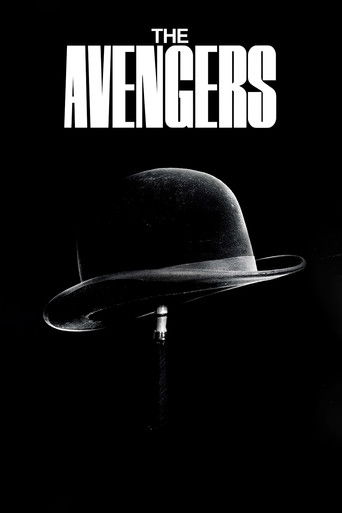
A quirky spy show of the adventures of eccentrically suave British Agent John Steed and his predominantly female partners. Jonathan Steed - an urbane, proper gentleman spy - teams with various assistants throughout the series' run, including Dr. David Keel, Cathy Gale, Emma Peel and Tara King, to repeatedly save the world from diabolical schemes plotted by equally diabolical evil-doers (among them robots and man-eating monsters).
The Avengers
1961
 5.5
Crossroads is a British television soap opera set in a fictional motel near Birmingham, England. Created by Hazel Adair and Peter Ling, the commercial ITV network originally broadcast the series between 1964 and 1988. Produced by ATV and later by Central it became a byword for cheap production values, particularly in the 1970s and early 1980s. The series was revived in a glossier version by Carlton Television in 2001, but was again cancelled in 2003. The original theme tune was composed by Tony Hatch, and notably covered by Paul McCartney & Wings on their 1975 album Venus and Mars. A new version, which was first aired in 1987 when the series was relaunched as Crossroads, Kings Oak, was composed by Raf Ravenscroft and Max Early.
Crossroads
1964
 7.7
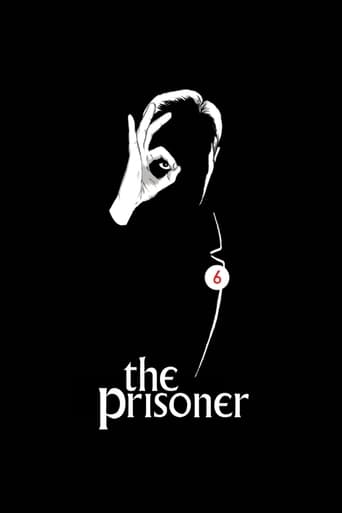
After resigning, a secret agent is abducted and taken to what looks like an idyllic village, but is really a bizarre Kafkaesque prison. His warders demand information. He gives them nothing, but only tries to escape.
The Prisoner
1967
 7.1
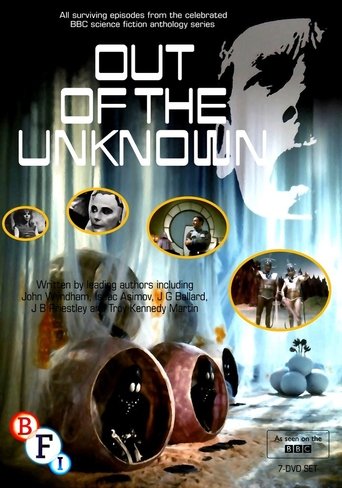
Out of the Unknown is a British television science fiction anthology drama series, produced by the BBC and broadcast on BBC2 in four series between 1965 and 1971. Each episode was a dramatisation of a science fiction short story; some were created for the series, but most were adaptations of already published stories. The first three years were exclusively science fiction, but that genre was abandoned in the final year in favour of horror and fantasy. A number of episodes were wiped during the early 1970s, as was standard procedure at the time.
Out of the Unknown
1965
Story Parade specialized in adaptations of modern novels. It was broadcast on June 5, 1964 and repeated on August 28, 1964. The teleplay was by Terry Nation (who invented "Blake's 7" and the Daleks in Dr. Who), and Elijah Baley was played by the late Peter Cushing. It also starred John Carson John Carson as R. Daneel Olivaw and Kenneth J. Warren. The master tapes of the program were erased, however a few clips from the production have turned up in various documentaries about Isaac Asimov's work.
Story Parade
1964
The adventures of Richard Crane, cafe owner & part-time smuggler, around the coast of Morocco, aided (and sometimes abetted) by his ex-Foreign Legion sidekick Orlando, waitress Halina, and local cop Colonel Mahmoud.
Crane
1963
Film credits
1980s · 1 titles


1960s · 4 titles
 6.9
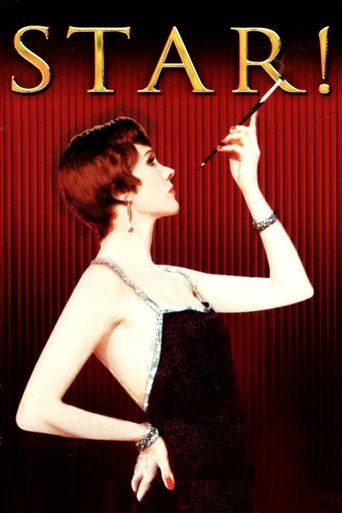
Gertrude Lawrence rises to stage stardom at the cost of happiness.
Star!
1968
 6.5
Rogues Jelly Knight, Scapa Flood, and Lennie the Dip leave prison expecting boss The Duke to have their stash ready to share out. Instead, Duke's girl Sara gives them the news Duke is dead and the money gone on nursing care. They soon discover that Duke is actually running Hope Springs Nature Clinic with the help of most of the local villains. Very strange - and the nearby army camp and Sara's encouragement of Lieutenant Vine would seem to be no coincidence either. Written by Jeremy Perkins
Rotten to the Core
1965
 5.4
John Sawyer, once an eminent barrister, has slid into a life of cynicism and drunkenness since his wife left him. When his daughter's boyfriend is accused of murder, Sawyer decides to try to pull himself together and defend him in court.
Stranger in the House
1967
 9.0
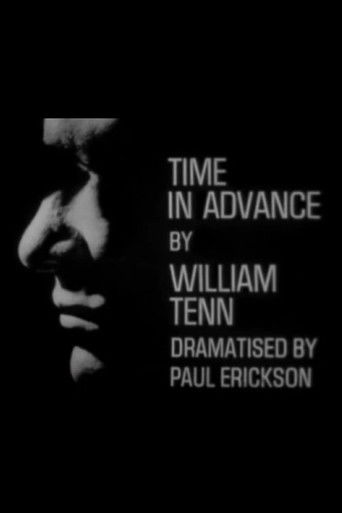
The future. Criminals serve prison sentences before they commit their crimes. Prisons are on new planets that are being colonised. After serving their time, the former prisoners return to their home planet.
Time in Advance
1965
Series credits
7.8A quirky spy show of the adventures of eccentrically suave British Agent John Steed and his predominantly female partners. Jonathan Steed - an urbane, proper gentleman spy - teams with various assistants throughout the series' run, including Dr. David Keel, Cathy Gale, Emma Peel and Tara King, to repeatedly save the world from diabolical schemes plotted by equally diabolical evil-doers (among them robots and man-eating monsters).
The Avengers
1961
5.5Crossroads is a British television soap opera set in a fictional motel near Birmingham, England. Created by Hazel Adair and Peter Ling, the commercial ITV network originally broadcast the series between 1964 and 1988. Produced by ATV and later by Central it became a byword for cheap production values, particularly in the 1970s and early 1980s. The series was revived in a glossier version by Carlton Television in 2001, but was again cancelled in 2003. The original theme tune was composed by Tony Hatch, and notably covered by Paul McCartney & Wings on their 1975 album Venus and Mars. A new version, which was first aired in 1987 when the series was relaunched as Crossroads, Kings Oak, was composed by Raf Ravenscroft and Max Early.
Crossroads
1964
7.7After resigning, a secret agent is abducted and taken to what looks like an idyllic village, but is really a bizarre Kafkaesque prison. His warders demand information. He gives them nothing, but only tries to escape.
The Prisoner
1967
7.7After resigning, a secret agent is abducted and taken to what looks like an idyllic village, but is really a bizarre Kafkaesque prison. His warders demand information. He gives them nothing, but only tries to escape.
The Prisoner
1967
7.1Out of the Unknown is a British television science fiction anthology drama series, produced by the BBC and broadcast on BBC2 in four series between 1965 and 1971. Each episode was a dramatisation of a science fiction short story; some were created for the series, but most were adaptations of already published stories. The first three years were exclusively science fiction, but that genre was abandoned in the final year in favour of horror and fantasy. A number of episodes were wiped during the early 1970s, as was standard procedure at the time.
Out of the Unknown
1965
Story Parade specialized in adaptations of modern novels. It was broadcast on June 5, 1964 and repeated on August 28, 1964. The teleplay was by Terry Nation (who invented "Blake's 7" and the Daleks in Dr. Who), and Elijah Baley was played by the late Peter Cushing. It also starred John Carson John Carson as R. Daneel Olivaw and Kenneth J. Warren. The master tapes of the program were erased, however a few clips from the production have turned up in various documentaries about Isaac Asimov's work.
Story Parade
1964
The adventures of Richard Crane, cafe owner & part-time smuggler, around the coast of Morocco, aided (and sometimes abetted) by his ex-Foreign Legion sidekick Orlando, waitress Halina, and local cop Colonel Mahmoud.
Crane
1963
 5.9
The Baron is a British television series, made in 1965/66 based on the book series by John Creasey, written under the pseudonym Anthony Morton, and produced by ITC Entertainment. It was the first ITC show without marionettes to be produced entirely in colour.
The Baron
1966
 NR
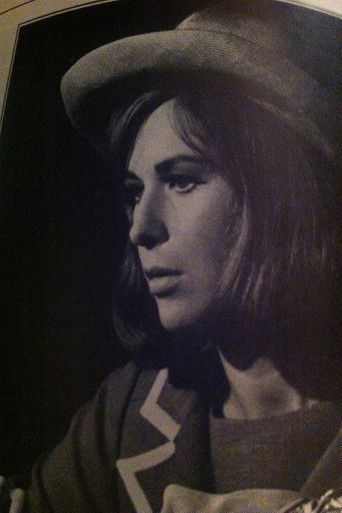
London itself takes the starring role in this series of plays from the BBC – a role which varies between hero and villain, enchantress and harpy. The series features extensive location filming, ranging from Soho to the Law Courts, Wembley to the docks. Of the twelve episodes, eleven are believed to be lost.
Londoners
1965
NRLondon itself takes the starring role in this series of plays from the BBC – a role which varies between hero and villain, enchantress and harpy. The series features extensive location filming, ranging from Soho to the Law Courts, Wembley to the docks. Of the twelve episodes, eleven are believed to be lost.
Londoners
1965
Eleven-part mini-series featuring an ensemble cast of up-and-coming acting talent, in plays by young authors, each actor or actress taking the lead role in turn.
The Younger Generation
1961
An anthology of self-contained plays focused on the personal experiences of characters who find themselves taking a break from their normal lives—such as going on holiday, taking a retreat, or travelling.
Away from It All
1973
 6.0
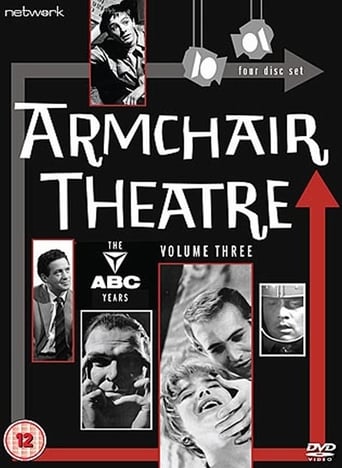
Armchair Theatre is a British television drama anthology series of single plays that ran on the ITV network from 1956 to 1974. It was originally produced by Associated British Corporation, and later by Thames Television from mid-1968.
Armchair Theatre
1956
 7.0
Noël Coward hosts these four episodes, each an adaptation of one of his plays.
A Choice of Coward
1964
Anthology of plays on themes related to escaping from situations.
Escape
1967
Bunter is up to his usual pranks; falling asleep in class, stealing jam and cakes from other boys' lockers, chalking rude things on the blackboard, getting six of the best from Mr Quelch, failing to turn up for cricket, scuffling with the local vagrant and even being threatened with expulsion.
Billy Bunter Of Greyfriars School
1952
The first BBC TV version was presented as an 8 part x 30mins. serial between 6 Feb 1951 and 27 Mar 1951. The original production was broadcast live from the Children's TV studio at Lime Grove. There was one transmission during the week with a live repeat, often with a totally different crew, on Sundays. In those days, the amount of telecine (film inserts) was relatively small, so there was great pressure on the actors and the camera crews.
The Railway Children
1951