
Known for
Based on Robert Louis Stevenson's novel.
Treasure Island
1965
 10.0
A two part documentary that details the contribution of black and Asian people to television history from the birth of television in 1936 to 1992. Interviewees include: Pearl Connor, Thomas Baptiste, Lenny Henry, Norman Beaton, Horace Ové, Carmen Munroe, and Stuart Hall.
Black and White in Colour
1992
 10.0
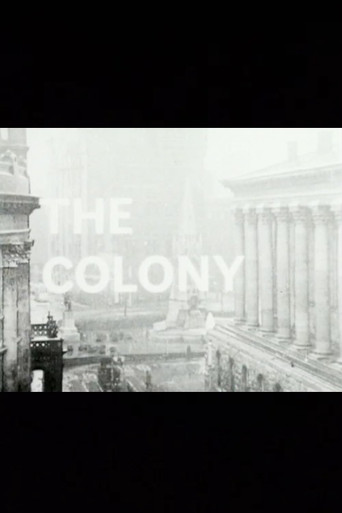
A railwayman from St. Kitts, a bus conductor from Jamaica, a family of singers from Trinidad and a nurse from Barbados ... Philip Donnellan's Birmingham-based film gives a voice to West Indian immigrants who movingly describe their experiences of trying to integrate into a surprisingly unwelcoming ‘mother country’. Shot in 1964 the film provides an important snapshot of Britain in the early stages of momentous social change and first-generation Afro-Caribbean immigration.
The Colony
1964
Celebrates the life of Jack Elliott, a coal miner from Birtley, Co Durham. In 1962 Jack talked to a film crew about his life as a miner. In 1966 he died. The following year the pit at Birtley closed. The film is 'In memory of a man, a pit, and a community'.
Death of a Miner
1968
BBC documentary exploring the changing lifestyles of the long-entrenched British traveller as society grows more industrialised and wary of those without a fixed abode.
Where Do We Go from Here?
1969
 NR
A bitter account of the marginal status of the community of male Irish migrants responsible for rebuilding much of Britain's post-war infrastructure. Made for TV but never broadcast, it instead enjoyed limited circulation on the non-theatrical circuit.
The Irishmen: An Impression of Exile
1965
Film credits
Behind the camera
Based on Robert Louis Stevenson's novel.
Treasure Island
1965
Based on Robert Louis Stevenson's novel.
Treasure Island
1965
10.0A railwayman from St. Kitts, a bus conductor from Jamaica, a family of singers from Trinidad and a nurse from Barbados ... Philip Donnellan's Birmingham-based film gives a voice to West Indian immigrants who movingly describe their experiences of trying to integrate into a surprisingly unwelcoming ‘mother country’. Shot in 1964 the film provides an important snapshot of Britain in the early stages of momentous social change and first-generation Afro-Caribbean immigration.
The Colony
1964
Celebrates the life of Jack Elliott, a coal miner from Birtley, Co Durham. In 1962 Jack talked to a film crew about his life as a miner. In 1966 he died. The following year the pit at Birtley closed. The film is 'In memory of a man, a pit, and a community'.
Death of a Miner
1968
Celebrates the life of Jack Elliott, a coal miner from Birtley, Co Durham. In 1962 Jack talked to a film crew about his life as a miner. In 1966 he died. The following year the pit at Birtley closed. The film is 'In memory of a man, a pit, and a community'.
Death of a Miner
1968
BBC documentary exploring the changing lifestyles of the long-entrenched British traveller as society grows more industrialised and wary of those without a fixed abode.
Where Do We Go from Here?
1969
NRA bitter account of the marginal status of the community of male Irish migrants responsible for rebuilding much of Britain's post-war infrastructure. Made for TV but never broadcast, it instead enjoyed limited circulation on the non-theatrical circuit.
The Irishmen: An Impression of Exile
1965
A portrait of Ghana's first president Kwame Nkrumah
The Proud African
1964
 NR
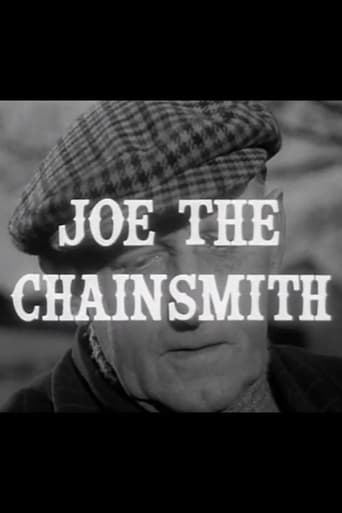
A day in the life of Joe, a chainmaker from Cradley Heath near Birmingham, UK in the late 1950s
Joe the Chainsmith
1958
 NR
1973 documentary on boxing from filmmaker Philip Donnellan, inspired by an original Radio Ballad of the same name by Charles Parker, Ewan MacColl and Peggy Seeger
The Fight Game
1973
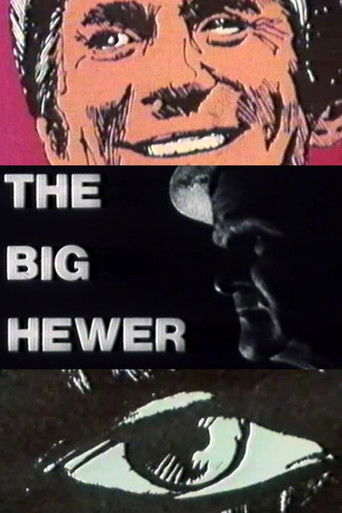 NR
The hero-figure of the British coalfield - is he real? or imaginary? is he man? or machine?
The Big Hewer
1974
NRThe hero-figure of the British coalfield - is he real? or imaginary? is he man? or machine?
The Big Hewer
1974