
Directing
Jean-Blaise Junod
Known for
Directing
Credits
3 titles
Known for
 NR
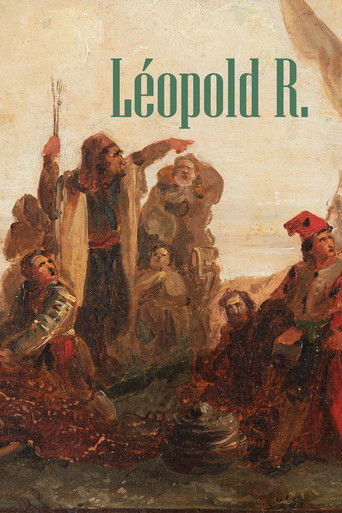
The painter Léopold Robert took his own life on 20 March 1835 in his Venice studio, at the height of his fame. The central character of this film, the narrator, attempts to discover the causes of the artist's suicide with the help of his voluminous correspondence.
Léopold R.
1998
Duende, the title of this documentary, is a richly complex and untranslatably idiomatic Spanish word which evokes the mysterious, ineffable quality that the art of bullfighting has for its devotees. This film explores the process by which an apprentice bullfighter, Carmelo, became a matador, a term which is reserved only for those who are recognized as being fully qualified to serve as a central player in this ritualistic drama, la corrida, which is sometimes incorrectly described as being a "sport." Various senior and retired bullfighters and their relatives recount their observations and experiences, and Carmelo re-enacts his coming-of-age as a bullfighter for the cameras. Those who are already convinced that la corrida is a celebration of the mystery of life and death may particularly appreciate this respectful documentary.
Duende
1990
Behind the camera
NRThe painter Léopold Robert took his own life on 20 March 1835 in his Venice studio, at the height of his fame. The central character of this film, the narrator, attempts to discover the causes of the artist's suicide with the help of his voluminous correspondence.
Léopold R.
1998
NRThe painter Léopold Robert took his own life on 20 March 1835 in his Venice studio, at the height of his fame. The central character of this film, the narrator, attempts to discover the causes of the artist's suicide with the help of his voluminous correspondence.
Léopold R.
1998
Duende, the title of this documentary, is a richly complex and untranslatably idiomatic Spanish word which evokes the mysterious, ineffable quality that the art of bullfighting has for its devotees. This film explores the process by which an apprentice bullfighter, Carmelo, became a matador, a term which is reserved only for those who are recognized as being fully qualified to serve as a central player in this ritualistic drama, la corrida, which is sometimes incorrectly described as being a "sport." Various senior and retired bullfighters and their relatives recount their observations and experiences, and Carmelo re-enacts his coming-of-age as a bullfighter for the cameras. Those who are already convinced that la corrida is a celebration of the mystery of life and death may particularly appreciate this respectful documentary.
Duende
1990