
Directing
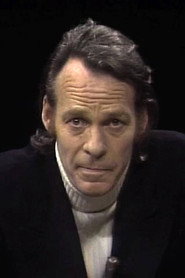
Robert Gardner
Born — Died
1925-11-05 — 2014-06-21
Place of birth
Brookline, Massachusetts, USA
Known for
Directing
Credits
52 titles
Robert Gardner was the Director of the Film Study Center at Harvard University from 1957 to 1997. He is known for his work in the field of non-fiction film. He is an internationally renowned filmmaker and author whose works have entered the permanent canon of non-fiction filmmaking. Some of his most prominent films include Dead Birds (1964), a lyric account of the Dugum Dani, a Stone Age society at one time living an isolated existence in the Highlands of the former Netherlands New Guinea (Gardner was the leader of the Peabody Museum-sponsored expedition to study the Dani in 1961-62); Rivers of Sand (1974), a social commentary on the Hamar people of southwestern Ethiopia; and Forest of Blis…
Known for
 NR
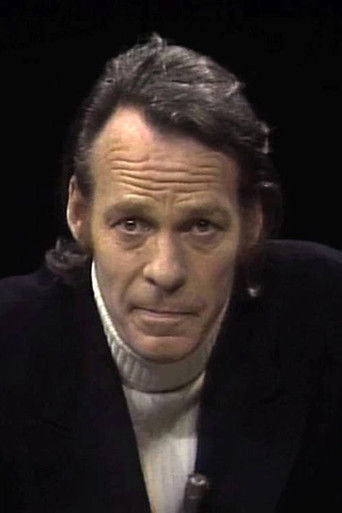
NRIndependent filmmakers are given a chance to show and discuss their work on a commercial (ABC-TV) affiliate station.
Screening Room
1972
 6.5
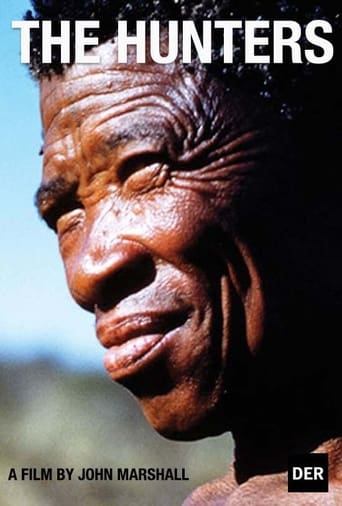
6.5An ethnographic documentary following four Ju/’hoansi (!Kung) men during a multi-day giraffe hunt in the Kalahari Desert, filmed during the Smithsonian–Harvard Peabody expedition of 1952–53.
The Hunters
1957
 6.0
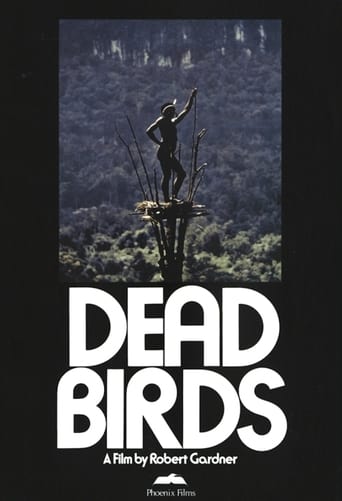
6.0An ethnographic documentary documenting the ritual warfare cycle, social life, and belief systems of the Dani people of the Baliem Valley in western New Guinea.
Dead Birds
1963
 7.0
7.0Jonas Mekas assembles 160 portraits, appearances, and fleeting sketches of underground and independent filmmakers captured between 1955 and 1996. Fast-paced and archival in spirit, the film celebrates the avant-garde as its own “nation of cinema,” a vital community existing outside the dominance of commercial film.
Birth of a Nation
1997
 NR
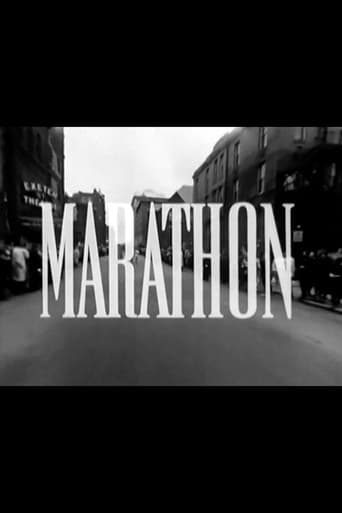
NRStarted as a class project in what was likely the first filmmaking course ever taught at Harvard, Marathon documents the running of the 1964 Boston Marathon.
Marathon
1965
 NR
NRSerpent Mother is about devotion to the Goddess of Snakes and the importance of divine female power in West Bengal Indian life. The film's focus is the Jhapan Festival, the great celebration of snakes. Shown are festival preparations, the role of traditional arts and crafts in the worship of the Goddess, devotional singing, and an exposition of ritual action. The difficult and complex symbolism of the ritual is explained by the participants themselves. In addition to the commentary, this makes accessible what is, at first glance, exotic and inexplicable behavior.
Serpent Mother
1985
Film credits
2000s · 2 titles
 NR
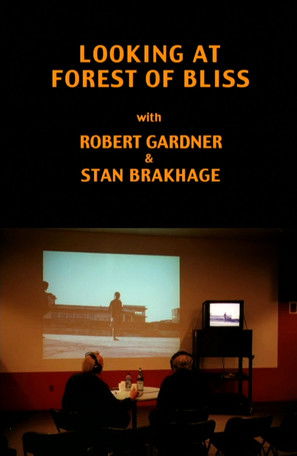
NRDirector Robert Gardner and legendary filmmaker Stan Brakhage share an in-depth viewing of Gardner's ethnographic masterwork, Forest of Bliss. The film is shown in its entirety, with Gardner occasionally pausing to elucidate, and Brakhage brilliantly observing tonality, poetic imagery, life, death, the unconscious, and, well, just being damned insightful. - dred
Looking at Forest of Bliss
2000
 NR
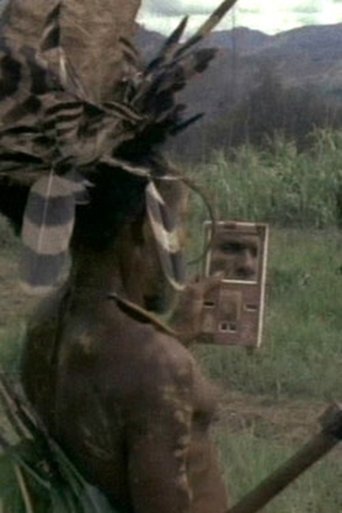
NRSeveral filmmakers discuss the introduction of Western modes of communication, especially film, to native cultures. While these tools can help a native people to document their own culture, it can also "swallow" their culture, encroaching upon and irreversibly altering it. The film takes its title from a book written by filmmaker Edmund Carpenter in 1972 about his engagement with media in Papua New Guinea.
Oh, What a Blow That Phantom Gave Me!
2003
1990s · 2 titles
7.0Jonas Mekas assembles 160 portraits, appearances, and fleeting sketches of underground and independent filmmakers captured between 1955 and 1996. Fast-paced and archival in spirit, the film celebrates the avant-garde as its own “nation of cinema,” a vital community existing outside the dominance of commercial film.
Birth of a Nation
1997
 7.0
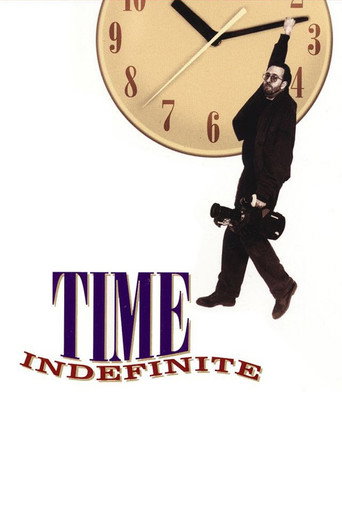
7.0After documentarian Ross McElwee gets married, a series of misfortunes follow: his grandmother dies, his wife miscarries, and then his father dies less than a week later. Shaken by the sudden string of deaths, McElwee becomes depressed. After spending time with his friend and former high school poetry teacher, Charlene, he goes to meet his brother, a doctor. In a series of interviews, McElwee contemplates his morbid preoccupation with death and tries to figure out how to shake it off.
Time Indefinite
1993
1980s · 2 titles
NRSerpent Mother is about devotion to the Goddess of Snakes and the importance of divine female power in West Bengal Indian life. The film's focus is the Jhapan Festival, the great celebration of snakes. Shown are festival preparations, the role of traditional arts and crafts in the worship of the Goddess, devotional singing, and an exposition of ritual action. The difficult and complex symbolism of the ritual is explained by the participants themselves. In addition to the commentary, this makes accessible what is, at first glance, exotic and inexplicable behavior.
Serpent Mother
1985
 10.0
10.0Loving Krishna is about the worship of Krishna and the meaning of devotion. It explores the rural and urban character of the town of Vishnapur in West Bengal by examining the royal past, everyday life, work in traditional arts and crafts, bazaar exchange, and sacred rituals and festivals. Public and private devotional life is represented by detailed visual narratives of the Chariot Journey of Krishna, celebrated by the whole town, and the Birthday Festival commemorated on a much smaller scale of intimate family worship.
Loving Krishna
1985
1970s · 2 titles
 2.0
2.0Exploration of the way of life of the Q’eros Indians of Peru, who have lived in the Andes for more than 3,000 years.
Q'eros: The Shape of Survival
1979
 5.9
5.9Fulton made the film during his brief time at Harvard, where he had been invited to teach by Robert Gardner, his friend and collaborator (Fulton would later serve as a cinematographer on Gardner’s 1981 documentary Deep Hearts, among others). Reality’s Invisible could be described as a portrait of the Carpenter Center, yet it is a portrait of an extremely idiosyncratic and distinctive sort. Fulton moves us through the concrete space of the Center’s Le Corbusier-designed building—the only structure by the architect in North America—but, more centrally, presents us footage of students making and discussing their work alongside figures like Gardner, theorist Rudolf Arnheim, artist Stan Vanderbeek, filmmaker Stan Brakhage, and graphic designer Toshi Katayama.
Reality's Invisible
1972
1960s · 2 titles
Series credits
Behind the camera
6.5An ethnographic documentary following four Ju/’hoansi (!Kung) men during a multi-day giraffe hunt in the Kalahari Desert, filmed during the Smithsonian–Harvard Peabody expedition of 1952–53.
The Hunters
1957
6.0An ethnographic documentary documenting the ritual warfare cycle, social life, and belief systems of the Dani people of the Baliem Valley in western New Guinea.
Dead Birds
1963
6.0An ethnographic documentary documenting the ritual warfare cycle, social life, and belief systems of the Dani people of the Baliem Valley in western New Guinea.
Dead Birds
1963
NRStarted as a class project in what was likely the first filmmaking course ever taught at Harvard, Marathon documents the running of the 1964 Boston Marathon.
Marathon
1965
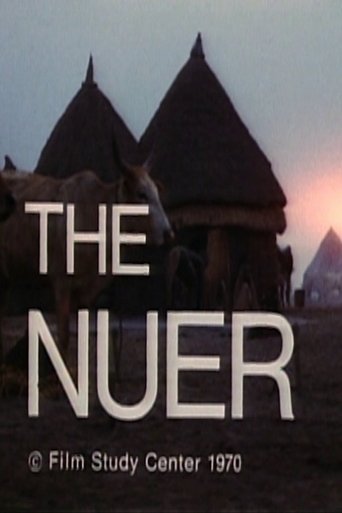 5.5
5.5Portrays the Nuer, Nilotic herdsmen of the Nile basin. Shows how their daily lives revolve about their cattle, and depicts the psychological bonds between them. Includes extensive use of Nuer music and poetry.
The Nuer
1970
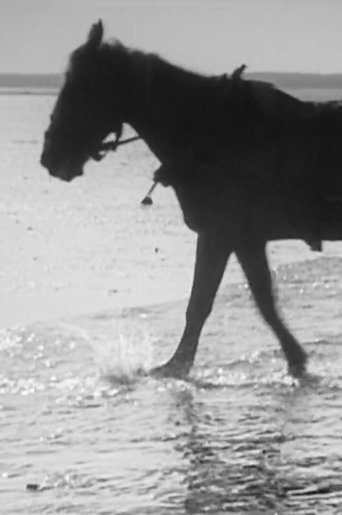 NR
NRIn the late sixties I picked up my seldom used Arri 35mm camera and set off for the famous tidal flats of Nova Scotia. This fragment is of an elderly farmer who fished a weir using his horse and carriage to go out to it with the ebbing time and home with the incoming tide. I thought I saw a nice structure for a film that even included the element of chase, that old standby of film narrative. Would the carriage get home before being engulfed by the incoming tide, would the fog appear and obscure all points of reference?
Tide
1966
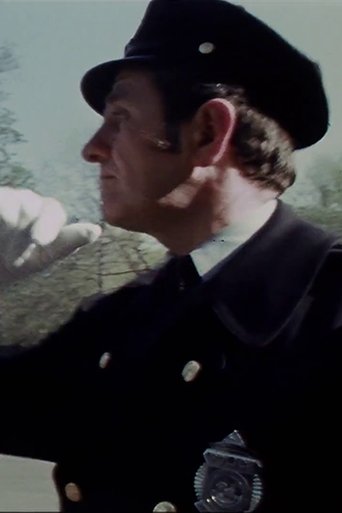 NR
NREarly in the seventies I was involved in the programming of an ABC affiliate TV station in Boston (Channel 5). I was given the opportunity to make what I called "non commercials" to be shown between programs just like a conventional advertisement but consisting instead of a 60 second look at a commonplace social activity. Policeman was one of several such "non commercials" that aired on this station to many peoples' astonishment.
Policeman
1973
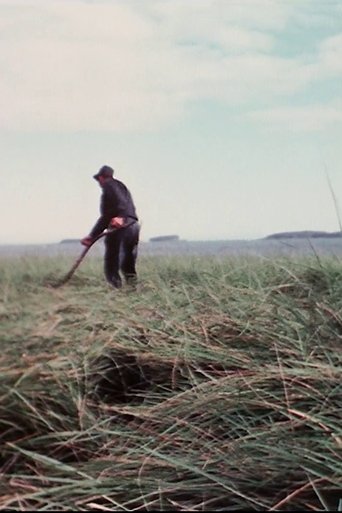 NR
NRWhile active in the programming of ABC affiliate Channel 5 in Boston, Gardner was permitted to make a few short one-minute vignettes illustrating the working lives of relatively ordinary people. These vignettes were meant to be used by the TV station as ‘non commercials’ or unexpected looks at ordinary lives.
Farmer
1973
Deep Hearts is a film about the Bororo Fulani, a nomadic society located in central Niger Republic and the title is a reference to an important aspect of these people’s thought and demeanor.
Deep Hearts
1980
 NR
NR“In the middle of the twentieth century, Blunden Harbour was a small village on the coast of Vancouver Island in British Colombia inhabited by a handful of impoverished Kwakiutl Indians who gained their meagre livelihood from fishing and gathering...It is a beginner's attempt to impart the rhythm and atmostphere of a place and a people.” - Robert Gardner
Blunden Harbour
1951
 NR
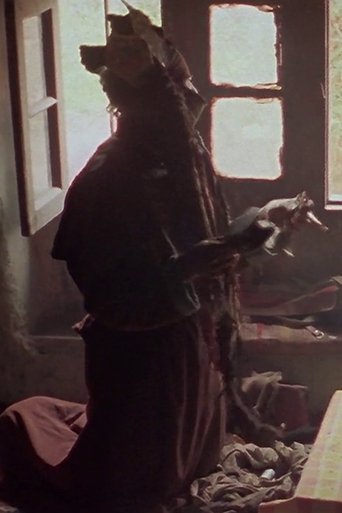
NRI went to Ladakh in the vain search for a shaman. What I found was a species of Buddhist healing that involved trance and a variety of magical tricks of the healing trade.
Healing
1978
 NR
NRShort film photographed by Robert Gardner
Anthem
1973
 NR
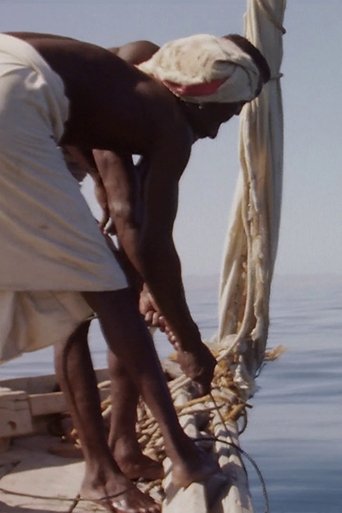
NRThe coastal Danakil in Northeastern Ethiopia have found an environmentally suitable way of life netting sharks far out to sea which they export to the south Arabian states.
Hauling Sharks
1988
NRDirector Robert Gardner and legendary filmmaker Stan Brakhage share an in-depth viewing of Gardner's ethnographic masterwork, Forest of Bliss. The film is shown in its entirety, with Gardner occasionally pausing to elucidate, and Brakhage brilliantly observing tonality, poetic imagery, life, death, the unconscious, and, well, just being damned insightful. - dred
Looking at Forest of Bliss
2000
In the highlands of Northern Columbia the Ika live a strenuous and isolated life, economically dependent on small gardens and a handful of domestic animals. They are thought to be descendants of the Maya who fled from the turmoil of Central American High Civilization’s warring states to the remote valleys of Colombia’s Sierra Nevadas. The Ika still inhabit a spectacular but demanding terrain extending between five and fifteen thousand feet, an almost vertical geography through which they move with prodigious ease.
Ika Hands
1988
In the highlands of Northern Columbia the Ika live a strenuous and isolated life, economically dependent on small gardens and a handful of domestic animals. They are thought to be descendants of the Maya who fled from the turmoil of Central American High Civilization’s warring states to the remote valleys of Colombia’s Sierra Nevadas. The Ika still inhabit a spectacular but demanding terrain extending between five and fifteen thousand feet, an almost vertical geography through which they move with prodigious ease.
Ika Hands
1988
 NR
NRThis short documentary was made while the painter lived in Seattle, Washington, early in the 1950s. It is only the second film made by Robert Gardner and tries to show in cinematic language how this man looked at the world; Mark Tobey himself both performs and is observed. A unique film in the Gardner ouvre, the film not only presents an experimental portrait of Tobey but serves as a window into the American art, avant garde film and poetic movements of this period.
Mark Tobey
1952
 NR
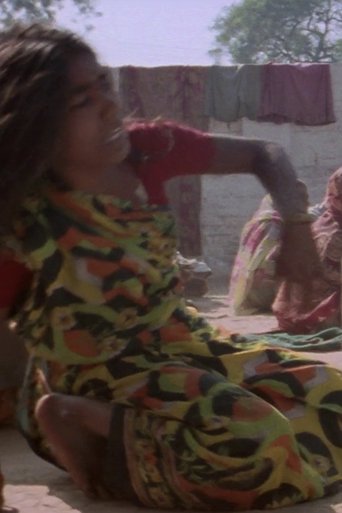
NRWhile shooting in Benares for Forest of Bliss, I stumbled upon a temple visited by women who came to it with a variety of ailments including love sickness and problems with their families. This fragment begins to indicate the extent of their despair.
Supplicating Women
1985
 NR
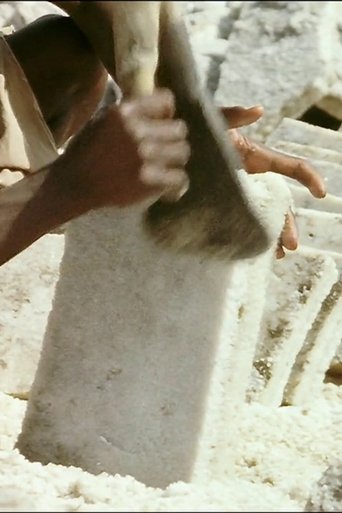
NROne of my filmic interests in Ethiopia was to see and film the salt trade between the Highlands and the Dallol Depression, a wondrous environment of unbearable heat and intense color. I managed a start only and these are the bits that emerged.
Salt
1968
 NR
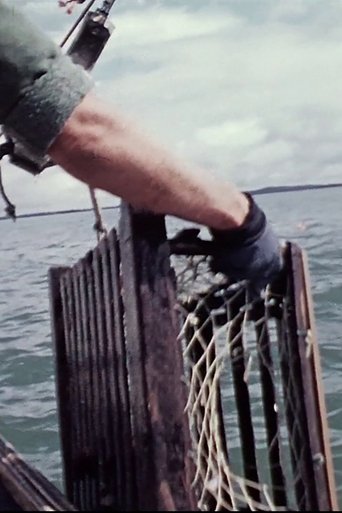
NRWhile active in the programming of ABC affiliate Channel 5 in Boston, Gardner was permitted to make a few short one-minute vignettes illustrating the working lives of relatively ordinary people. These vignettes were meant to be used by the TV station as ‘non commercials’ or unexpected looks at ordinary lives.
Lobsterman
1973
 NR
NRShort by Robert Gardner
The Photographer
1966
 7.0
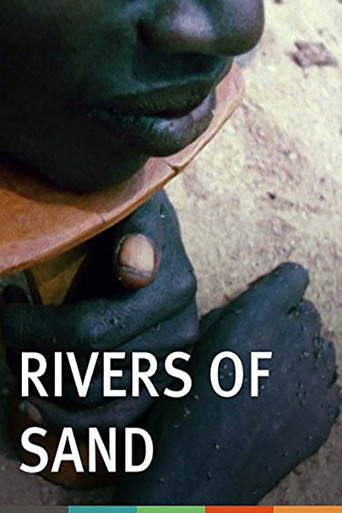
7.0The people portrayed in this film are called Hamar. They dwell in the thorny scrubland of southwestern Ethiopia, about one hundred miles north of Lake Rudolph, Africa's great inland sea. They are isolated by some distant choice that now limits their movement and defines their condition. At least until recently, it has resulted in their retaining a highly traditional way of life. Hamar women eagerly accept their ritual whipping when boys come of age. Part of that tradition was the open, even flamboyant, observance of male supremacy. In their isolation, they seemed to have refined this not uncommon principle of social organization into a remarkably pure state. Hamar men are masters and their women are slaves. The film tries to disclose the effect on mood and behavior of lives governed by the idea of sexual inequality.
Rivers of Sand
1974
7.0The people portrayed in this film are called Hamar. They dwell in the thorny scrubland of southwestern Ethiopia, about one hundred miles north of Lake Rudolph, Africa's great inland sea. They are isolated by some distant choice that now limits their movement and defines their condition. At least until recently, it has resulted in their retaining a highly traditional way of life. Hamar women eagerly accept their ritual whipping when boys come of age. Part of that tradition was the open, even flamboyant, observance of male supremacy. In their isolation, they seemed to have refined this not uncommon principle of social organization into a remarkably pure state. Hamar men are masters and their women are slaves. The film tries to disclose the effect on mood and behavior of lives governed by the idea of sexual inequality.
Rivers of Sand
1974
 NR
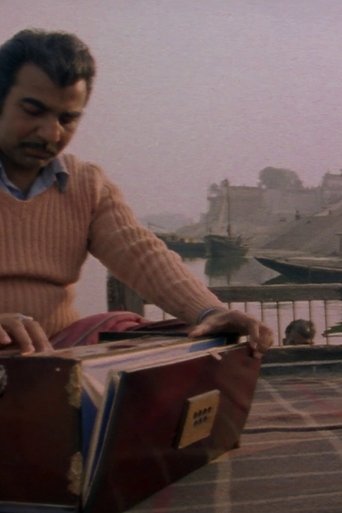
NROne of my thoughts while shooting Forest of Bliss was to see and hear what poets might have to say about their surroundings. These scenes recount some of their thoughts.
Life Keeps on Passing
1985
Dances of the Kwakiutl is composed of fragments filmed in 1950 in Fort Rupert, British Columbia. They were made during a performance by those still familiar with the tradition of ‘Hamatsa’ or cannibal dancing. This type of dance was brought to impressive artistic heights by the Kwakiutl people of the Northwest coast.
Dances of the Kwakiutl
1951
 NR
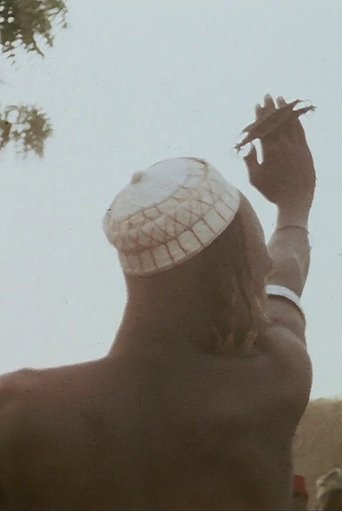
NRIn 1967 I was hoping to make a film about sheepherders in Nigeria. Civil War intervened and I had to be content with a few days attending a ritual called “sharo” in a small village near Kano. It qualified as a true ‘ordeal’, a contest of endurance to pain.
Creatures of Pain
1968
 NR
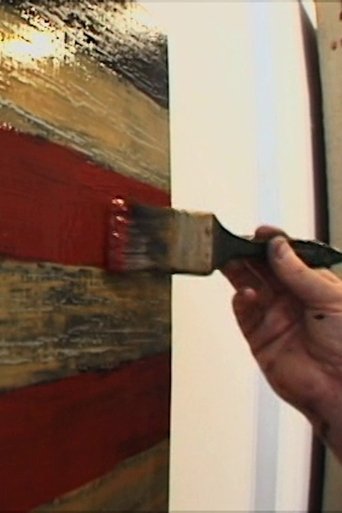
NRTestigos is a small painting done when Gardner and Scully worked together in Barcelona. The title, which means 'witnesses,' is the name of a small island in the Caribbean. Testigos, and at least one other painting, was made on the days that the larger canvas Passenger was drying.
Sean Scully: Testigos AKA The Witnesses
1997
Sons of Shiva is a sustained attempt to film a four-day ceremony concerned with the worship of Shiva. Devotees of the God Shiva are shown from the initial taking of the Sacred Thread through gradually intensifying action to a culmination in a variety of ascetic and self denying practices.
Sons of Shiva
1985
On the island of Pentecost in the New Hebrides archipelago, a few hundred Melanesians maintain a traditional life thanks to their geographic isolation and to the leaders who have resisted Christianity, schools and cooperatives.
Land-Divers of Melanesia
1972
 NR
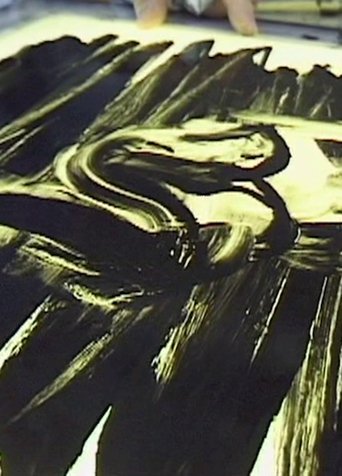
NR"Good to Pull" is a 10 minute film by Robert Gardner, produced by the Film Study Center at Harvard University. Watch Michael Mazur’s printmaking process and techniques as he develops the intaglio plates for his Dante’s "Inferno" portfolio which is on view now in "The Inferno of Dante: Etchings by Michael Mazur." Free and open to the public.
Good to Pull (Bon a Tirer)
2000
 NR
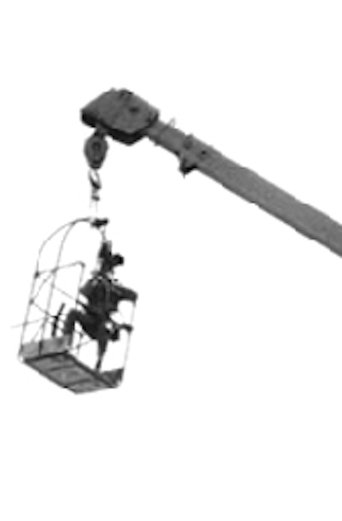
NRAlexander Calder's La Grande Voile was erected on the Massachusetts Institute of Technology campus in 1966 with the artist directing the work. As the spectacular steel forms of this monumental stabile rise, it is filmed with time-lapse and verité photography. One can see that the structure owes its spare elegance to the precision of its design and construction. Calder remains absorbed in quiet concentration as skeptical students and bemused bystanders observe the somewhat peculiar event.
The Great Sail
1966
 NR
NRThis film was produced to make the life of science more appealing to school children in America. It was intended to tell the story of purpose and even drama that scientists experienced in the world of experimental physics. The film recounts the long and complicated life cycle of a high energy physics experiment.
People and Particles
1965
 6.8
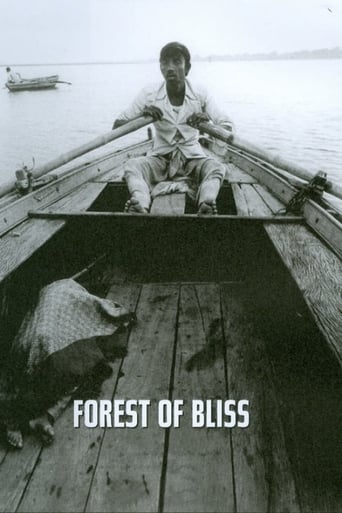
6.8Forest of Bliss is an unsparing yet redemptive account of the inevitable griefs, religious passions and frequent happinesses that punctuate daily life in Benares, India's most holy city. The film unfolds from one sunrise to the next without commentary, subtitles or dialogue. It is an attempt to give the viewer a wholly authentic, though greatly magnified and concentrated, sense of participation in the experiences examined by the film.
Forest of Bliss
1986
6.8Forest of Bliss is an unsparing yet redemptive account of the inevitable griefs, religious passions and frequent happinesses that punctuate daily life in Benares, India's most holy city. The film unfolds from one sunrise to the next without commentary, subtitles or dialogue. It is an attempt to give the viewer a wholly authentic, though greatly magnified and concentrated, sense of participation in the experiences examined by the film.
Forest of Bliss
1986
 NR
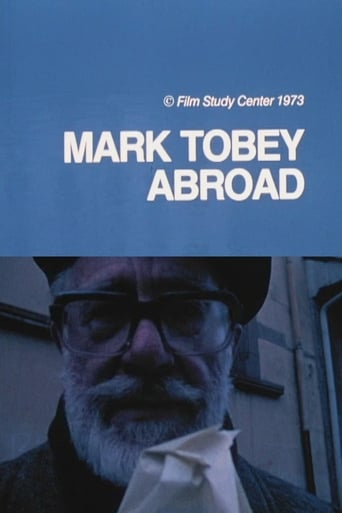
NRRobert Gardner visits the great American painter Mark Tobey in Basel, Switzerland, where he lived for the last years of his life. With remarkable candor and objectivity, Tobey discusses his work and that of fellow artists including Picasso.
Mark Tobey Abroad
1973
NRRobert Gardner visits the great American painter Mark Tobey in Basel, Switzerland, where he lived for the last years of his life. With remarkable candor and objectivity, Tobey discusses his work and that of fellow artists including Picasso.
Mark Tobey Abroad
1973
 NR
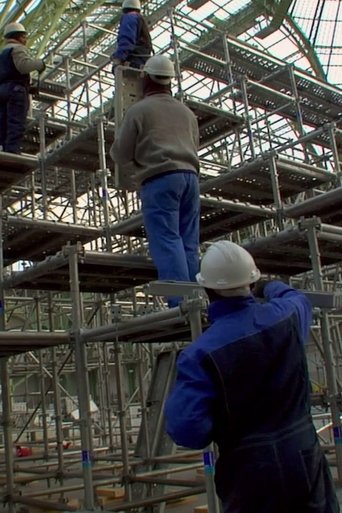
NRRobert Gardner has known Boltanski since the 1970s, when he invited him to the Carpenter Center for Visual Arts at Harvard as a visting artist, and the following years since Boltanski has become a major figure in the art world. Gardner and photographer Michael Hutcherson travelled to Paris to make a film about Boltanski and the PERSONNES installation process.
Deus Ex Boltanski
2010
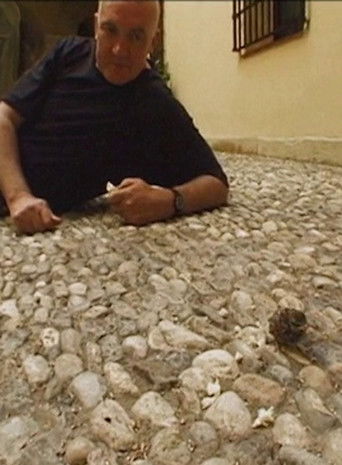 NR
NRA short film acknowledging the efforts of those responsible for installing the exhibition “Sean Scully 1987-1997” in Malaga. Equally important, the film captures Scully's parents dancing their beloved 'paso doble' in the midst of their son's work.
Scully in Malaga
1997
"When Michael Fitzgerald and I decided to help Mikos Jansco make The Blue Danube Waltz neither of us even considered the possibility of not watching him do it. We both loved his work and we both, perhaps for our own reasons, wanted to know how he managed to make films of such immense visual power so quickly and so inexpensively. It was not long before I had succumbed to the by now banal idea of filming filmmaking. In due course I also proceeded to betray my deepest aesthetic principles by agreeing to shoot it in (Hi8) video. Dancing with Miklos is the outcome, greatly enhanced by Zsuzsi Csakany (Jansco)’s sharp eye for her husband’s craft. It is, though admittedly lighthearted, a deeply felt tribute to a fellow filmmaker’s grace." - Robert Gardner
Dancing with Miklos
1993
 7.0
7.0This film records a 12 day ritual performed by Mambudiri Brahmins in Kerala, southwest India, in April 1975. This event was possibly the last performance of the Agnicayana, a Vedic ritual of sacrifice dating back 3,000 years and probably the oldest surviving human ritual. Long considered extinct and never witnessed by outsiders, the ceremonies require the participation of seventeen priests, involve libations of Soma juice and oblations of other substances, all preceded by several months of preparation and rehearsals. They include the construction, from a thousand bricks, of a fire altar in the shape of a bird.
Altar of Fire
1976