
Known for
 NR
NRFrom the starting point of her admiration for the pioneering Ukrainian filmmaker Kira Muratova (1934-2018), the director poses a question: is cinema made by women really tougher, more violent? Seeking answers, she talks to great contemporary filmmakers like Catherine Breillat, Virginie Despentes, Alice Diop, Céline Sciamma, Ana Lily Amirpour, and Monika Treut, among others. It becomes obvious that the cinema screen is a space for the projection of real social problems and power relations.
No Mercy
2026
 7.0
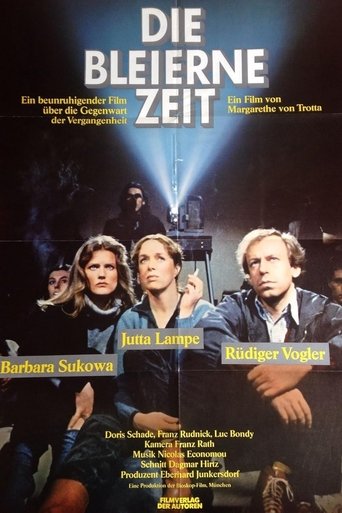
7.0Germany, 1968: The priest's daughters Marianna and Juliane both fight for changes in society, like making abortion legal. However their means are totally different: while Juliane's committed as a reporter, her sister joins a terroristic organization. After she's caught by the police and put into isolation jail, Juliane remains as her last connection to the rest of the world. Although she doesn't accept her sister's arguments and her boyfriend Wolfgang doesn't want her to, Juliane keeps on helping her sister. She begins to question the way her sister is treated.
Marianne and Juliane
1981
 7.0
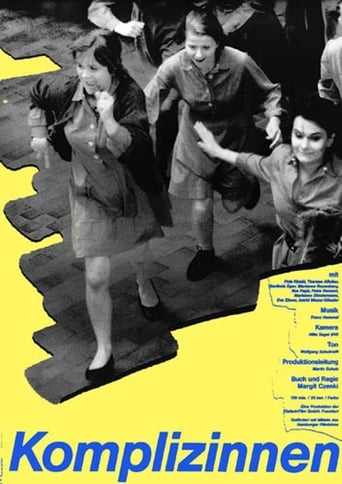
7.0This film was made in the Vierlande prison and tells the story of what it is like to be imprisoned. Nothing is explained; only fragments are visible, which slowly come together. A gaze that often cannot believe what it sees, that "does not trust its eyes."
Komplizinnen
1987
 6.1
6.1Three people rob a bank to help a day care center that's in debt. Wolf is captured, Werner identified, police suspect Christa is the third. She and Werner ask Hans, a clergyman, to launder the money and give it to the kindergarten. He refuses. They try Ingrid, Christa's friend, who tries to help, but the school rejects the money. When tragedy strikes Werner, Hans helps Christa bolt to a collective in Portugal. Ingrid visits her; their relationship makes the collective nervous, so she returns to Germany and ceases living in hiding. The police are still looking for her and so is a witness to the robbery, Lena, a bank clerk. Lena's interest brings Christa's second awakening.
The Second Awakening of Christa Klages
1978
The Devaluation Kit is a satirical guide to the devaluation of neighbourhoods at risk of gentrification. Designed in the manner of a YouTube tutorial, it gives tips on how to successfully create the atmosphere of a less affluent neighbourhood with simple means – shattered windowpanes, satellite antennas, shopping bags from relevant discount stores displayed on the façade, etc. – and thus scare off potential gentrification candidates.
Devaluation Kit
2009
Film credits
Behind the camera
7.0This film was made in the Vierlande prison and tells the story of what it is like to be imprisoned. Nothing is explained; only fragments are visible, which slowly come together. A gaze that often cannot believe what it sees, that "does not trust its eyes."
Komplizinnen
1987
7.0This film was made in the Vierlande prison and tells the story of what it is like to be imprisoned. Nothing is explained; only fragments are visible, which slowly come together. A gaze that often cannot believe what it sees, that "does not trust its eyes."
Komplizinnen
1987
The Devaluation Kit is a satirical guide to the devaluation of neighbourhoods at risk of gentrification. Designed in the manner of a YouTube tutorial, it gives tips on how to successfully create the atmosphere of a less affluent neighbourhood with simple means – shattered windowpanes, satellite antennas, shopping bags from relevant discount stores displayed on the façade, etc. – and thus scare off potential gentrification candidates.
Devaluation Kit
2009