
Directing
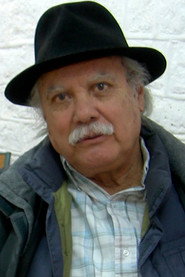
Jorge Reyes Ramos
Known for
Directing
Credits
9 titles
Jorge Reyes, a Peruvian filmmaker based in France, has made more than 24 films and documentaries, but he remains unknown in his homeland. Virtually all of his work was censored by the successive governments of Velasco, Morales Bermúdez, and Belaúnde Terry.
Known for
Report on the former glories of Creole singing, the duo formed by the brothers Rosa and Alejandro Ascoy known as La Limeñita and Ascoy.
Tiempos
1976
Short film.
The Pioneers
—
Documentary about the life and work of Felipe Pinglo Alva, the father of Creole music.
Felipe de los Pobres
1977
The activity of a group of puppeteers in a young town, where they come to present a children's play.
Todo acto o voz genial viene del pueblo y va hacia él
1978
No synopsis available yet.
Avenue des Amériques
1973
Short film about the popular artist and mime Jorge Acuña
Teatro de la Calle
—
Behind the camera
Report on the former glories of Creole singing, the duo formed by the brothers Rosa and Alejandro Ascoy known as La Limeñita and Ascoy.
Tiempos
1976
Short film.
The Pioneers
—
Documentary about the life and work of Felipe Pinglo Alva, the father of Creole music.
Felipe de los Pobres
1977
The activity of a group of puppeteers in a young town, where they come to present a children's play.
Todo acto o voz genial viene del pueblo y va hacia él
1978
No synopsis available yet.
Avenue des Amériques
1973
Short film about the popular artist and mime Jorge Acuña
Teatro de la Calle
—
In the world of women in prison, the Educational Reform makes changes possible for female inmates.
Jacinta Orochi Mamani
1980
 9.0
In this Peruvian look at the beginning of the 20th century in Lima, the life of a fictitious leftist labor organizer Vicente Orozco (Humberto Cavero) is traced back to 1900 to illustrate the conditions that led to his radicalization. This background and Vicente's efforts to unionize his fellow workers are thoroughly explored in the 140-minute running time.
La familia Orozco
1983
9.0In this Peruvian look at the beginning of the 20th century in Lima, the life of a fictitious leftist labor organizer Vicente Orozco (Humberto Cavero) is traced back to 1900 to illustrate the conditions that led to his radicalization. This background and Vicente's efforts to unionize his fellow workers are thoroughly explored in the 140-minute running time.
La familia Orozco
1983