
Known for
A travel film with a poetic narration and orchestral soundtrack on Tasmania: '...set like a scenic tapestry in the Southern Ocean'.
Tasmanian Tapestry
1953
Inland with Sturt is a 1951 documentary from Film Australia consisting of the 1950-51 re-enactment of Captain Charles Sturt's 1829-30 expedition down the Murrumbidgee and Murray Rivers. The re-enactment was part of Australia's 1951 Commonwealth Jubilee Celebrations, commemorating 50 years of Federation.
Inland with Sturt
1951
 NR
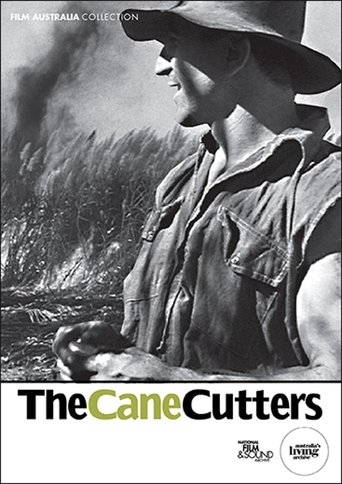
This short black and white film takes a look at the daily life and work of North Queensland sugarcane cutters. Five million tons of sugarcane (1016 kg) have to be cut by hand, in backbreaking conditions. Itinerant workers contract with a cane grower and work in gangs to cut the cane and load it for transport to the sugar mills. They start early in the morning, then break for a hearty lunch and a mid-afternoon nap in the tropical heat, before heading back out into the fields again to work another shift until dusk. Cane cutting is hard work and you've got to be tough, but the pay is good and the industry itself means much to the thriving state of Queensland.
The Cane Cutters
1947
Behind the camera
A travel film with a poetic narration and orchestral soundtrack on Tasmania: '...set like a scenic tapestry in the Southern Ocean'.
Tasmanian Tapestry
1953
Inland with Sturt is a 1951 documentary from Film Australia consisting of the 1950-51 re-enactment of Captain Charles Sturt's 1829-30 expedition down the Murrumbidgee and Murray Rivers. The re-enactment was part of Australia's 1951 Commonwealth Jubilee Celebrations, commemorating 50 years of Federation.
Inland with Sturt
1951
NRThis short black and white film takes a look at the daily life and work of North Queensland sugarcane cutters. Five million tons of sugarcane (1016 kg) have to be cut by hand, in backbreaking conditions. Itinerant workers contract with a cane grower and work in gangs to cut the cane and load it for transport to the sugar mills. They start early in the morning, then break for a hearty lunch and a mid-afternoon nap in the tropical heat, before heading back out into the fields again to work another shift until dusk. Cane cutting is hard work and you've got to be tough, but the pay is good and the industry itself means much to the thriving state of Queensland.
The Cane Cutters
1947