
Directing
Hannes Schönemann
Known for
Directing
Credits
14 titles
Known for
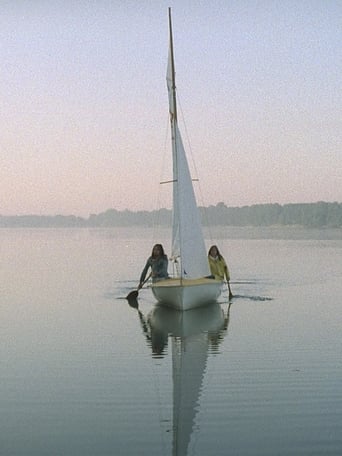
17-year-old Ramona comes from a home in Berlin to a small village and introduces herself as the baker's daughter. Neither of them knew anything about each other. Laconic images of the dreariness of the East German provinces show the excessive demands on the long-married baker and the mutual speechlessness of daughter and father.
Ramona
1980
 NR
NRThe film revolves around two characters: a high school student who is intelligent, beautiful, and fulfills all the expectations placed on her by her school, her parents, and society—and a young unskilled worker, a loser, whom she is supposed to take care of and reform. Such sponsorships were commonplace in the GDR and form the basis for a multi-layered, ironic, and profoundly told encounter that deals with conformity and rebellion, social background, and outsiders.
Die Kaminski
1980
 6.0
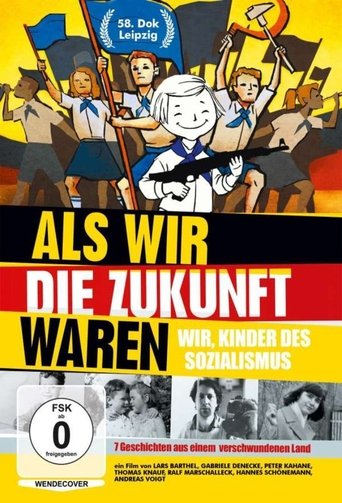
6.0Seven directors remember their childhood and youth; to the 50s and 60s in the GDR. They appear to be curious, vulnerable children and teenagers who also want to be cool (even though the word doesn't exist for them yet). They live in well-adjusted or resistant families. Some only in half because their father left for the West. Depending on their family background, they want or should help build the new, better Germany.
Als wir die Zukunft waren
2016
No synopsis available yet.
Die Lok hinterm Fliederbaum
1990
Hannes Schönemann reconstructs the story of his love affair with the Danish communist Julia Szaba a decade after her suicide.
Julias Wahn
1999
 NR
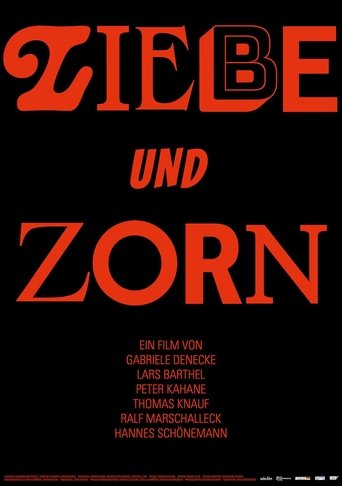
NRSix directors, one film: in episodes, they recall their experiences at the end of the GDR and the fate of a family under National Socialism. They talk about making films despite censorship, about the search for opportunities. They tell of losses, of leaving, of staying and of love in exile. A film about the longing for home and the endurance of friendships.
Liebe und Zorn
2024
Film credits
Behind the camera
17-year-old Ramona comes from a home in Berlin to a small village and introduces herself as the baker's daughter. Neither of them knew anything about each other. Laconic images of the dreariness of the East German provinces show the excessive demands on the long-married baker and the mutual speechlessness of daughter and father.
Ramona
1980
NRThe film revolves around two characters: a high school student who is intelligent, beautiful, and fulfills all the expectations placed on her by her school, her parents, and society—and a young unskilled worker, a loser, whom she is supposed to take care of and reform. Such sponsorships were commonplace in the GDR and form the basis for a multi-layered, ironic, and profoundly told encounter that deals with conformity and rebellion, social background, and outsiders.
Die Kaminski
1980
NRThe film revolves around two characters: a high school student who is intelligent, beautiful, and fulfills all the expectations placed on her by her school, her parents, and society—and a young unskilled worker, a loser, whom she is supposed to take care of and reform. Such sponsorships were commonplace in the GDR and form the basis for a multi-layered, ironic, and profoundly told encounter that deals with conformity and rebellion, social background, and outsiders.
Die Kaminski
1980
6.0Seven directors remember their childhood and youth; to the 50s and 60s in the GDR. They appear to be curious, vulnerable children and teenagers who also want to be cool (even though the word doesn't exist for them yet). They live in well-adjusted or resistant families. Some only in half because their father left for the West. Depending on their family background, they want or should help build the new, better Germany.
Als wir die Zukunft waren
2016
6.0Seven directors remember their childhood and youth; to the 50s and 60s in the GDR. They appear to be curious, vulnerable children and teenagers who also want to be cool (even though the word doesn't exist for them yet). They live in well-adjusted or resistant families. Some only in half because their father left for the West. Depending on their family background, they want or should help build the new, better Germany.
Als wir die Zukunft waren
2016
No synopsis available yet.
Die Lok hinterm Fliederbaum
1990
Hannes Schönemann reconstructs the story of his love affair with the Danish communist Julia Szaba a decade after her suicide.
Julias Wahn
1999
Hannes Schönemann reconstructs the story of his love affair with the Danish communist Julia Szaba a decade after her suicide.
Julias Wahn
1999
NRSix directors, one film: in episodes, they recall their experiences at the end of the GDR and the fate of a family under National Socialism. They talk about making films despite censorship, about the search for opportunities. They tell of losses, of leaving, of staying and of love in exile. A film about the longing for home and the endurance of friendships.
Liebe und Zorn
2024
NRSix directors, one film: in episodes, they recall their experiences at the end of the GDR and the fate of a family under National Socialism. They talk about making films despite censorship, about the search for opportunities. They tell of losses, of leaving, of staying and of love in exile. A film about the longing for home and the endurance of friendships.
Liebe und Zorn
2024
idfa: The filmmakers are interested in the daily lives of psychiatric patients in the Dobbertin Clinic in Germany. This institution is housed in an old monastery, beautifully situated near a lake in Mecklenburg. The filmmaker follows a number of patients in their daily activities and asks them about their ideas and longings.
Labendig
1995
A documentary portrait of the everyday life of teenagers in Mecklenburg.
Sonnabend, Sonntag, Montagfrüh
1979
A documentary portrait of the everyday life of teenagers in Mecklenburg.
Sonnabend, Sonntag, Montagfrüh
1979