
Known for
 8.0
Japanese drama.
Where's Paradise?
1956
 8.0
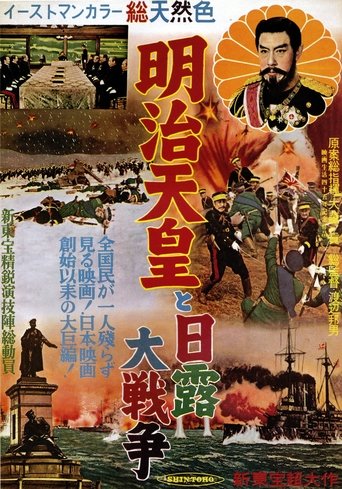
Meiji Tenno portrays the buildup to the Russo-Japan War. In addition to showing the political events that led to war, it also shows the era from the story of a farm family in rural Japan that sends their son off to war. As such, it could be considered an anti-war movie, showing how, while war is devised by governments, the people do not really understand what war is, and its combatants often do not know what they are fighting for.
Emperor Meiji and the Great Russo-Japanese War
1957
 5.0
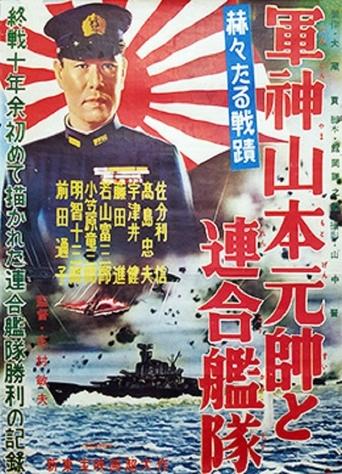
Admiral Isoroku Yamamoto leads the Combined Fleet of the Imperial Japanese Navy to defeat the American Fleet.
Admiral Yamamoto and the Allied Fleets
1956
 6.3
Oiwa has been searching for the one who killed her father for a long time. She comes to Yedo and sees a man named Naosuke. The film is based on the kabuki classic: Toukaidou Yotsuya Kaidan (1826) written by Tsuruya Nanboku and is one of the most famous ghost stories throughout Japan.
The Ghosts of Yotsuya
1956
 8.0
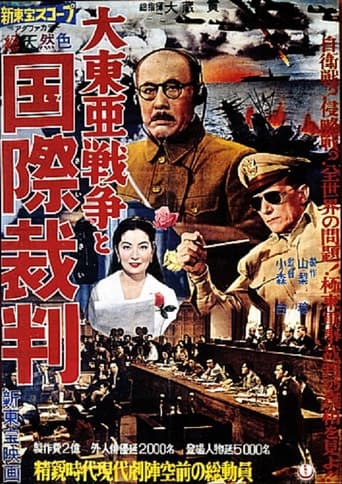
In 1941, overpopulated Japan faces an economic boycott and its armed forces push further to the south. And despite negotiations between Japan and the U. S. A. war is declared with the attack on Pearl Harbour. Victories follow for Japan on land and sea and her forces push forward to the borders of India. But gradually the tide turns in favour of the Allies and after the atom bombings of Hiroshima and Nagasaki, Japan is compelled to accept the Potsdam Declaration and by the order of the Emperor agrees to unconditional surrender. Under the supervision of the occupation forces the International Military Tribunal opens in Tokyo to try the Japanese war leaders. Established in the cause of justice, and to prevent future aggressive wars the trials drag on for two and a half years. And on December 23, 1948, General Tojo and six other war leaders mount the thirteen steps to the gallows at Tokyo's Sugamo prison.
The Pacific War and the International Military Tribunal
1959
 6.5
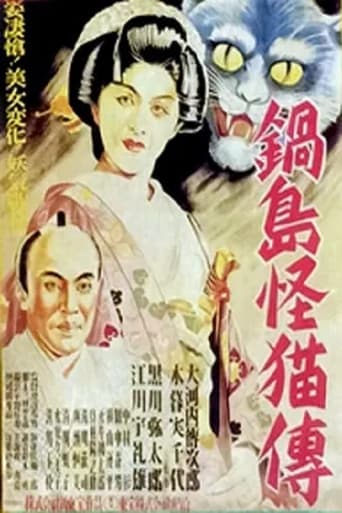
Tanuma Kandayuu is a high class samurai of the house of Nabeshima. He finds a lavish board of Go (a Chinese Board game) at Kinbei's store. He recommend Kinbei to offer it to his lord. Kinbei hesitates at first, since he knows the board has a mysterious legend surrounding it; it's believed that for every game played on the board, one death is required.
Ghost Cat of Nabeshima
1949
Film credits
1960s · 3 titles


1950s · 16 titles
8.0Japanese drama.
Where's Paradise?
1956
8.0Meiji Tenno portrays the buildup to the Russo-Japan War. In addition to showing the political events that led to war, it also shows the era from the story of a farm family in rural Japan that sends their son off to war. As such, it could be considered an anti-war movie, showing how, while war is devised by governments, the people do not really understand what war is, and its combatants often do not know what they are fighting for.
Emperor Meiji and the Great Russo-Japanese War
1957
5.0Admiral Isoroku Yamamoto leads the Combined Fleet of the Imperial Japanese Navy to defeat the American Fleet.
Admiral Yamamoto and the Allied Fleets
1956
6.3Oiwa has been searching for the one who killed her father for a long time. She comes to Yedo and sees a man named Naosuke. The film is based on the kabuki classic: Toukaidou Yotsuya Kaidan (1826) written by Tsuruya Nanboku and is one of the most famous ghost stories throughout Japan.
The Ghosts of Yotsuya
1956
8.0In 1941, overpopulated Japan faces an economic boycott and its armed forces push further to the south. And despite negotiations between Japan and the U. S. A. war is declared with the attack on Pearl Harbour. Victories follow for Japan on land and sea and her forces push forward to the borders of India. But gradually the tide turns in favour of the Allies and after the atom bombings of Hiroshima and Nagasaki, Japan is compelled to accept the Potsdam Declaration and by the order of the Emperor agrees to unconditional surrender. Under the supervision of the occupation forces the International Military Tribunal opens in Tokyo to try the Japanese war leaders. Established in the cause of justice, and to prevent future aggressive wars the trials drag on for two and a half years. And on December 23, 1948, General Tojo and six other war leaders mount the thirteen steps to the gallows at Tokyo's Sugamo prison.
The Pacific War and the International Military Tribunal
1959
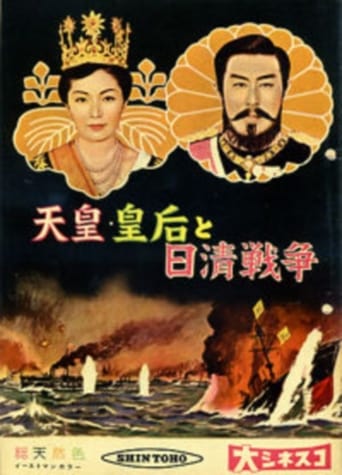 NR
No synopsis available yet.
Emperor & Empress Meiji and the Sino-Japanese War
1958
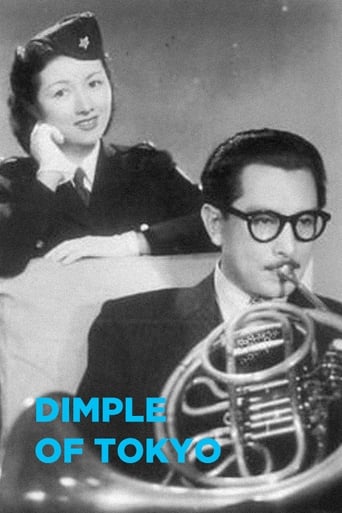 10.0
Buntaro, the president of a food trading company got tired of the day-to-day routine of life. The new secretary, Nobuko, suggested her "shacho-san" (the president) run away from the job. Nobuko took Buntaro to her home and introduced him to her own family as friend, "Sachio-san"...
Dimple of Tokyo
1952
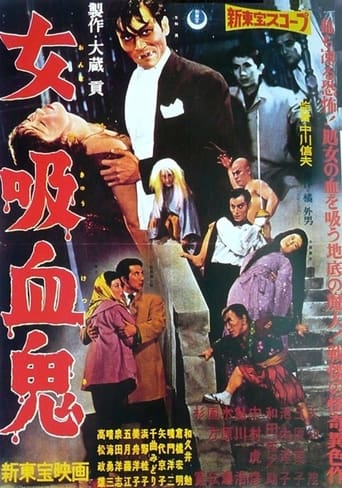 5.4
Tamio takes Itsuko to an art gallery and the two find one painting is a nude portrait of Itsuko's mother, who disappeared twenty years ago when she was just a baby. No one knows the first thing about the artist who painted it, but he goes by the name Shiro Sofue, and he's always wearing shades in the daytime...
The Lady Vampire
1959
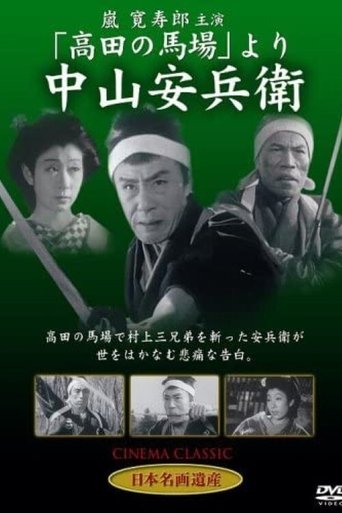 NR
Jidai-geki about the life of Yasubei Nakayama, a famous ronin who did participate in the revenge against Lord Kira Yoshinaka as detailed in Japan's famous epic Chushingura
Yasubei Nakayama
1951
 NR
No synopsis available yet.
Half Virgin
1953
 7.5
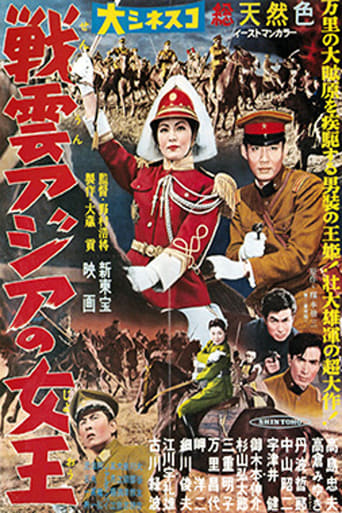
Japanese war film based on the true story of Yoshiko Kawashima, played by actress Miyuki Takakura in her film debut.
Queen of Asia
1957
Japanese film.
Santōshain to onna hisho
1955
 NR
Japanese youth film about kendo.
Daigaku no kengō: Keiraku no abarenbō
1956
 NR
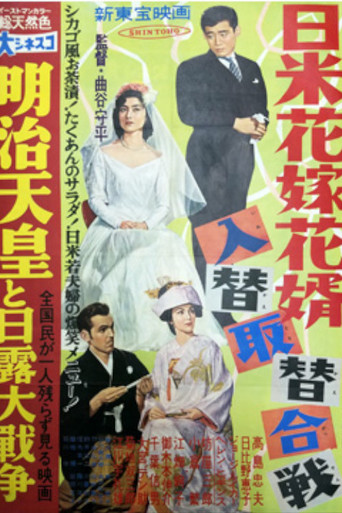
Japanese comedy film.
日米花嫁花婿入替取替合戦
1957
 NR
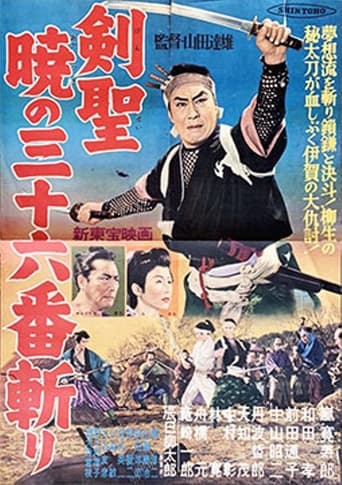
No synopsis available yet.
剣聖 暁の三十六番斬り
1957
Japanese comedy film.
ノイローゼ兄さんガッチリ娘
1956