Known for
 NR
No synopsis available yet.
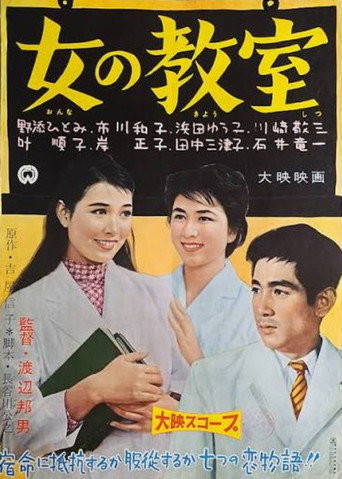
Women's Classroom
1959
 8.0
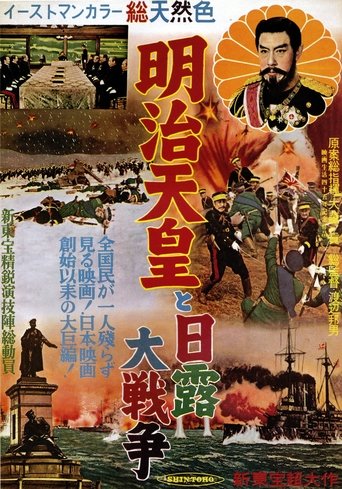
Meiji Tenno portrays the buildup to the Russo-Japan War. In addition to showing the political events that led to war, it also shows the era from the story of a farm family in rural Japan that sends their son off to war. As such, it could be considered an anti-war movie, showing how, while war is devised by governments, the people do not really understand what war is, and its combatants often do not know what they are fighting for.
Emperor Meiji and the Great Russo-Japanese War
1957
 NR
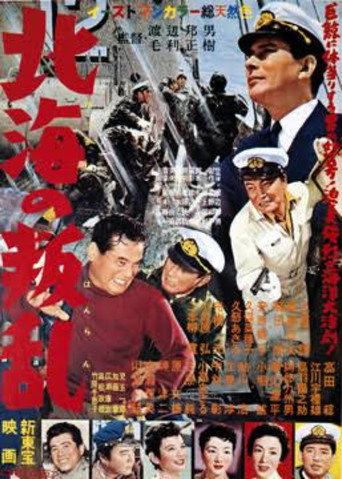
A maritime action drama set aboard a whaling ship rocked by a labor-management conflict. Shintoho's second color feature.
Mutiny in the North Sea
1956
 8.0
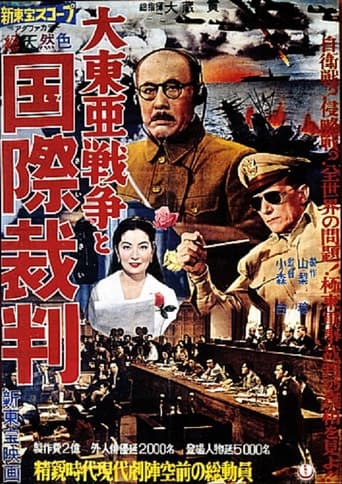
In 1941, overpopulated Japan faces an economic boycott and its armed forces push further to the south. And despite negotiations between Japan and the U. S. A. war is declared with the attack on Pearl Harbour. Victories follow for Japan on land and sea and her forces push forward to the borders of India. But gradually the tide turns in favour of the Allies and after the atom bombings of Hiroshima and Nagasaki, Japan is compelled to accept the Potsdam Declaration and by the order of the Emperor agrees to unconditional surrender. Under the supervision of the occupation forces the International Military Tribunal opens in Tokyo to try the Japanese war leaders. Established in the cause of justice, and to prevent future aggressive wars the trials drag on for two and a half years. And on December 23, 1948, General Tojo and six other war leaders mount the thirteen steps to the gallows at Tokyo's Sugamo prison.
The Pacific War and the International Military Tribunal
1959
 NR
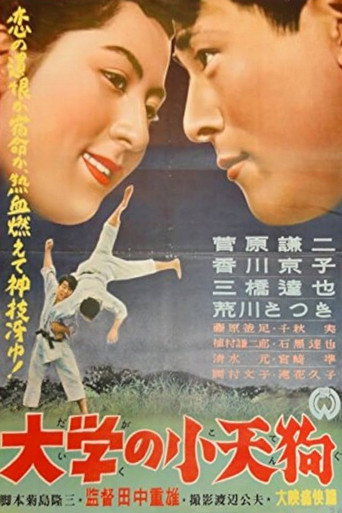
With his mother’s wishes and a young woman’s prayers in his heart, a spirited young man fights to uphold the honor of college judo.
Daigaku no kotengu
1952
 6.5
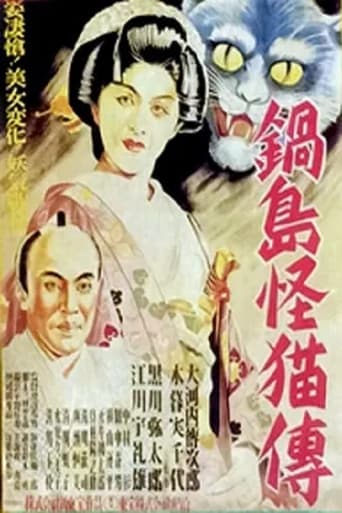
Tanuma Kandayuu is a high class samurai of the house of Nabeshima. He finds a lavish board of Go (a Chinese Board game) at Kinbei's store. He recommend Kinbei to offer it to his lord. Kinbei hesitates at first, since he knows the board has a mysterious legend surrounding it; it's believed that for every game played on the board, one death is required.
Ghost Cat of Nabeshima
1949
Film credits
1950s · 18 titles
NRNo synopsis available yet.
Women's Classroom
1959
8.0Meiji Tenno portrays the buildup to the Russo-Japan War. In addition to showing the political events that led to war, it also shows the era from the story of a farm family in rural Japan that sends their son off to war. As such, it could be considered an anti-war movie, showing how, while war is devised by governments, the people do not really understand what war is, and its combatants often do not know what they are fighting for.
Emperor Meiji and the Great Russo-Japanese War
1957
NRA maritime action drama set aboard a whaling ship rocked by a labor-management conflict. Shintoho's second color feature.
Mutiny in the North Sea
1956
8.0In 1941, overpopulated Japan faces an economic boycott and its armed forces push further to the south. And despite negotiations between Japan and the U. S. A. war is declared with the attack on Pearl Harbour. Victories follow for Japan on land and sea and her forces push forward to the borders of India. But gradually the tide turns in favour of the Allies and after the atom bombings of Hiroshima and Nagasaki, Japan is compelled to accept the Potsdam Declaration and by the order of the Emperor agrees to unconditional surrender. Under the supervision of the occupation forces the International Military Tribunal opens in Tokyo to try the Japanese war leaders. Established in the cause of justice, and to prevent future aggressive wars the trials drag on for two and a half years. And on December 23, 1948, General Tojo and six other war leaders mount the thirteen steps to the gallows at Tokyo's Sugamo prison.
The Pacific War and the International Military Tribunal
1959
NRWith his mother’s wishes and a young woman’s prayers in his heart, a spirited young man fights to uphold the honor of college judo.
Daigaku no kotengu
1952
 NR
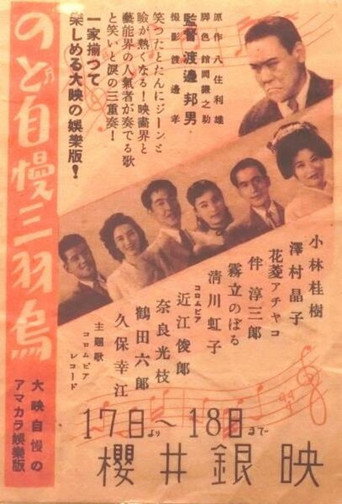
No synopsis available yet.
Nodo jiman sanbagarasu
1951
 NR
No synopsis available yet.
Zoku nangoku taiheiki: Satsunan no arashi
1954
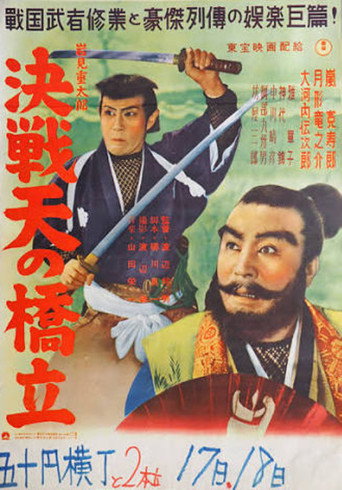 NR
No synopsis available yet.
Shigetaro Iwami: Final Battle at Amano Hashidate
1954
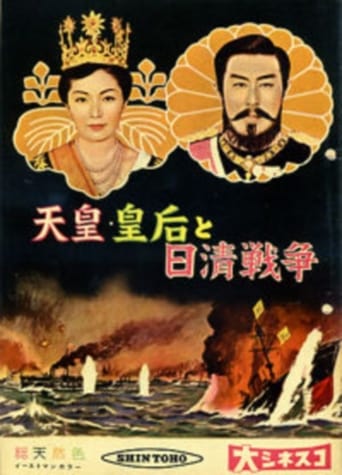 NR
No synopsis available yet.
Emperor & Empress Meiji and the Sino-Japanese War
1958
 7.0
Early adaptation of the book "The Inugami Clan", featuring the detective Kōsuke Kindaichi.
Inugami-ke no nazo: Akuma wa odoru
1954
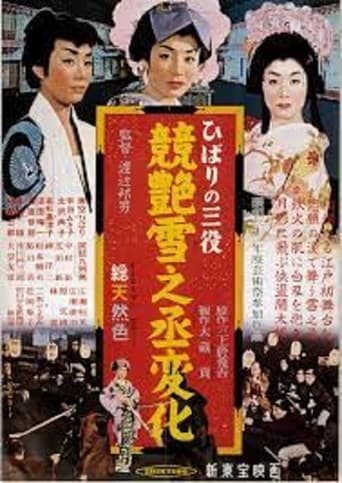 NR
No synopsis available yet.
Hibari's Triple Role: The Dazzling Transformation of Yukinojo
1957
 NR
No synopsis available yet.
Nangoku Taiheiki
1954
1952 Japanese film directed by Kunio Watanabe.
Geisha Waltz
1952
 NR
Based on a radio drama.
Husband Beware!
1954
 NR
The second film in the 1953 trilogy based on the long novel series The Great Bodhisattva Pass.
Merciless Blade Part 2
1953
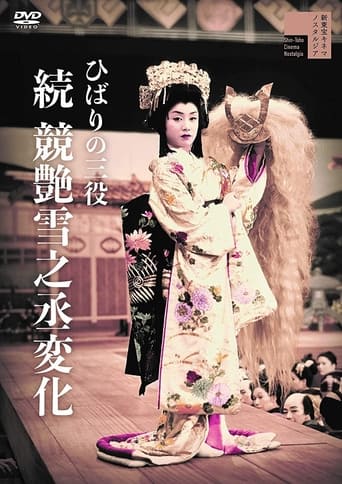 NR
No synopsis available yet.
Hibari's Triple Role: The Transformation of Yukinojo — Part II
1957
 5.0
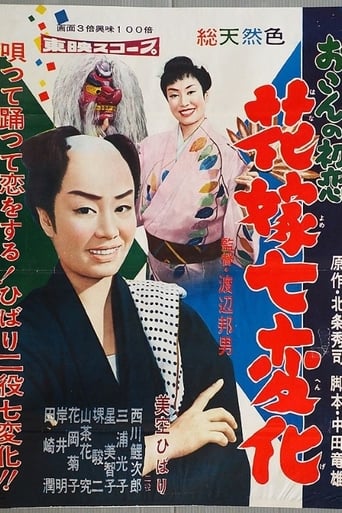
A fox in disguise, Okon, returns the favor to a man who rescued her from a fatal trap.
First Love of Okon
1958
 NR
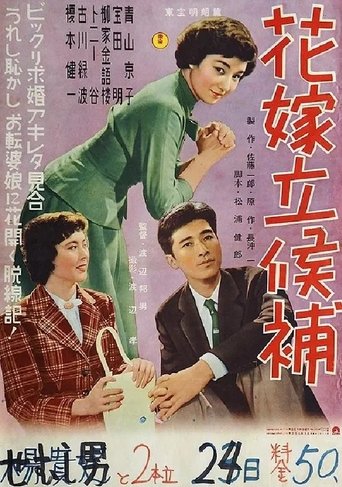
Rookie reporter Yukiko helps save the failing Miyako Times with her friends, while romance and comic chaos unfold around her and fortune-teller Ishibashi.
Bridal Candidates
1955
1940s · 3 titles
6.5Tanuma Kandayuu is a high class samurai of the house of Nabeshima. He finds a lavish board of Go (a Chinese Board game) at Kinbei's store. He recommend Kinbei to offer it to his lord. Kinbei hesitates at first, since he knows the board has a mysterious legend surrounding it; it's believed that for every game played on the board, one death is required.
Ghost Cat of Nabeshima
1949
 NR
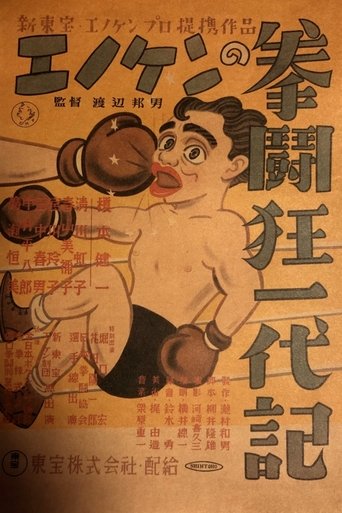
Near the end of the Taisho era (1912-1926), Enokichi, a popular figure in the world of boxing entangled in the Yakuza business.
Enoken’s Boxing Generation
1949
History film directed by Tomu Uchida.
History - Part I
1940