
Acting
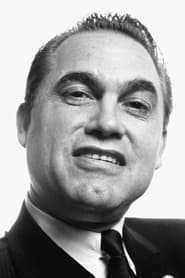
George Wallace
Born — Died
1919-08-25 — 1998-09-13
Place of birth
Clio, Alabama, USA
Known for
Acting
Credits
16 titles
George Corley Wallace Jr. was an American politician who served as the 45th governor of Alabama for four terms. A member of the Democratic Party, he is best remembered for his staunch segregationist and populist views. During his tenure, he promoted "industrial development, low taxes, and trade schools." Wallace sought the United States presidency as a Democrat three times, and once as an American Independent Party candidate, unsuccessfully each time. Wallace opposed desegregation and supported the policies of "Jim Crow" during the Civil Rights Movement, declaring in his 1963 inaugural address that he stood for "segregation now, segregation tomorrow, segregation forever".
Known for
 6.6
6.6America's popular television News magazine in which an ever changing team of CBS News correspondents contribute segments ranging from hard news coverage to politics to lifestyle and pop culture.
60 Minutes
1968
 4.6
4.6Meet the Press is a weekly American television news/interview program airing on NBC. It is the longest-running television series in American broadcasting history, despite bearing little resemblance to the original format of the program seen in its television debut on November 6, 1947. Meet the Press is the highest-rated of the American television Sunday morning talk shows. It has been hosted by 11 moderators, beginning with Martha Rountree. Meet the Press and similar shows specialize in interviewing national leaders on issues of politics, economics, foreign policy and other public affairs.
Meet the Press
1947
 6.8
6.8The Dick Cavett Show has been the title of several talk shows hosted by Dick Cavett on various television networks.
The Dick Cavett Show
1968
 7.6
7.6Showcasing the best in international documentaries, Storyville has developed an enviable reputation since its inception more than a decade ago. Screening over 340 films, from some 70 different countries, the strand has garnered a staggering array of awards: five Oscars, 15 Griersons, three Peabodys and two International Emmys. In true, unique, Storyville style, the new series promises to deliver the strand's usual eclectic mix of compelling stories from across the globe.
Storyville
1997
 9.0
9.0Forever enshrined in myth by an assassin's bullet, Kennedy's presidency long defied objective appraisal. Recent assessments have revealed an administration long on promise and vigor, and somewhat lacking in tangible accomplishment. His proposals for a tax cut and civil rights legislation, however, promised significant gains in the months before his assassination. While maturation, as evidenced in the handling of the Cuban missile crisis, was apparent, the potential legacy of the New Frontier will forever be left to speculation.
JFK
2013
 7.1
7.1Four girls living in Small Town, Florida re-examine their lives after their only ambitious friend moves away to follow her dreams.
Florida Girls
2019
Film credits

2010s · 2 titles
 6.9
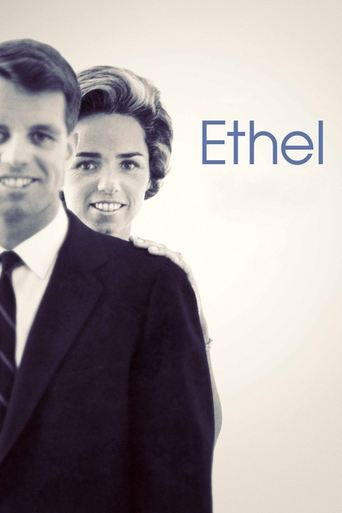
6.9Filmmaker Rory Kennedy interviews her mother, Ethel Kennedy, who discusses family, marriage and politics.
Ethel
2012
 6.8
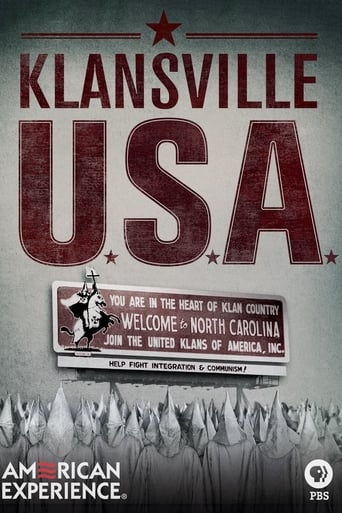
6.8Investigates the reasons North Carolina, long seen as the most progressive state in the South, became home to the largest Klan organization in the country, with more members than all the other Southern states combined, during the 1960s.
Klansville U.S.A.
2015
1990s · 3 titles
Reveals through graphic historical and exclusive footage the tragic murders of political and social leaders. These heinous crimes help make the 20th century man's most most violent era. Included also are numerous attempted assassinations and the stories behind those who are driven to kill prominent figures. ASSASSINATED: Malcolm X John F. Kennedy Dr. Martin Luther King Mahatma Ghandi John Lennon Robert Kennedy George Moscone
Murderers, Mobsters, & Madmen: Volume 2: Assassination in the 20th Century
1992
 6.5
6.5Hosted by a leather masked individual with a distorted voice named z.187 this shockumentary takes a look at real life death and violence caught on film.
Snuff Video: Volume Red
1997
 7.1
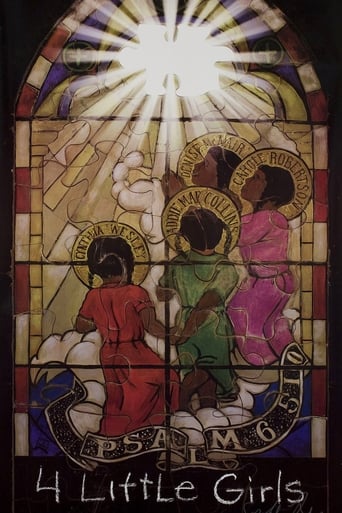
7.1On September 15, 1963, a bomb destroyed a black church in Birmingham, Alabama, killing four young girls who were there for Sunday school. It was a crime that shocked the nation--and a defining moment in the history of the civil-rights movement. Spike Lee re-examines the full story of the bombing, including a revealing interview with former Alabama Governor George Wallace.
4 Little Girls
1997

Series credits
6.6America's popular television News magazine in which an ever changing team of CBS News correspondents contribute segments ranging from hard news coverage to politics to lifestyle and pop culture.
60 Minutes
1968
4.6Meet the Press is a weekly American television news/interview program airing on NBC. It is the longest-running television series in American broadcasting history, despite bearing little resemblance to the original format of the program seen in its television debut on November 6, 1947. Meet the Press is the highest-rated of the American television Sunday morning talk shows. It has been hosted by 11 moderators, beginning with Martha Rountree. Meet the Press and similar shows specialize in interviewing national leaders on issues of politics, economics, foreign policy and other public affairs.
Meet the Press
1947
6.8The Dick Cavett Show has been the title of several talk shows hosted by Dick Cavett on various television networks.
The Dick Cavett Show
1968
7.6Showcasing the best in international documentaries, Storyville has developed an enviable reputation since its inception more than a decade ago. Screening over 340 films, from some 70 different countries, the strand has garnered a staggering array of awards: five Oscars, 15 Griersons, three Peabodys and two International Emmys. In true, unique, Storyville style, the new series promises to deliver the strand's usual eclectic mix of compelling stories from across the globe.
Storyville
1997
9.0Forever enshrined in myth by an assassin's bullet, Kennedy's presidency long defied objective appraisal. Recent assessments have revealed an administration long on promise and vigor, and somewhat lacking in tangible accomplishment. His proposals for a tax cut and civil rights legislation, however, promised significant gains in the months before his assassination. While maturation, as evidenced in the handling of the Cuban missile crisis, was apparent, the potential legacy of the New Frontier will forever be left to speculation.
JFK
2013
7.1Four girls living in Small Town, Florida re-examine their lives after their only ambitious friend moves away to follow her dreams.
Florida Girls
2019
 6.6
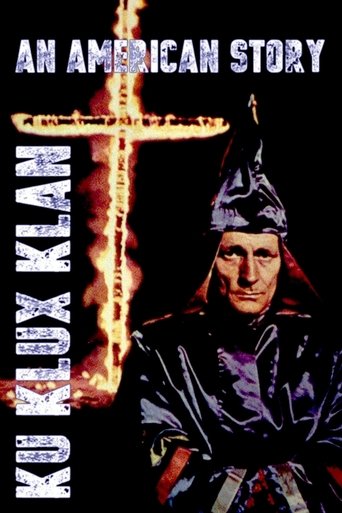
6.6Since its birth in 1865, in the wake of the American Civil War, the history of the Ku Klux Klan has been inseparable from that of the United States. The debates over slavery, the populism in the roaring twenties, the struggle for civil rights in the sixties, the rise of the far-right in the early 21st century; the Klan seems to have always embodied the dark side of the nation, with its gray areas and blind spots.
Ku Klux Klan: An American Story
2020