Sound
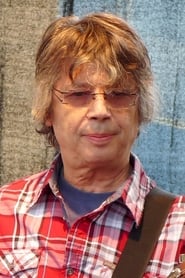
János Bródy
Born
1946-04-05 (80)
Place of birth
Budapest, Hungary
Known for
Sound
Credits
15 titles
Known for
 7.5
7.5No synopsis available yet.
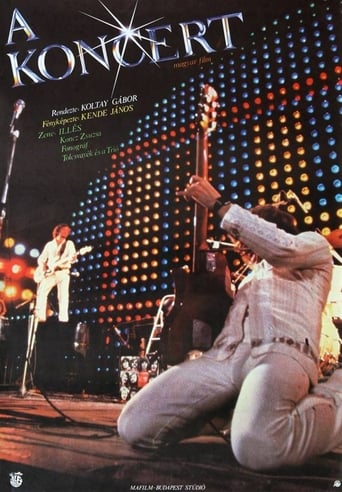
A koncert
1981
 8.0
8.0No synopsis available yet.
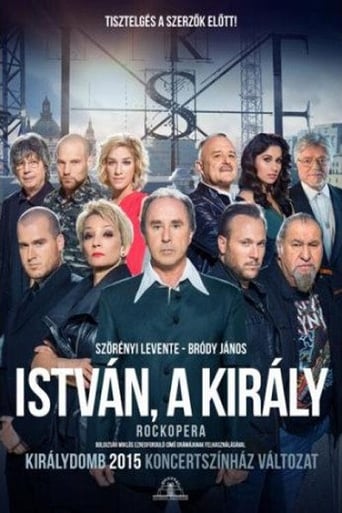
István, a király - Királydombon
2015
The documentary-television director duo Jolán Árvai and László Sántha, while making an entertaining documentary-report montage about the rock life of the period between 1957 and 1973, were mainly curious about how and why the movement's sad metamorphosis began. What intention and what mechanism of action resulted in the withering away and slow death of progressive trends; the most vital ones becoming manipulable and commercialized? The filmmakers do not tell the answer, and they do not tell anyone. They leave it up to the viewer to decide whether they want to answer at all. Because if not, the seventy-five minutes of Rockfogyatkozás will still pass quickly. It carries within itself the possibility of a multi-part series offering an optional experience, with which several layers of viewers can be satisfied at the same time.
Rockfogyatkozás
1988
 NR
NRNo synopsis available yet.
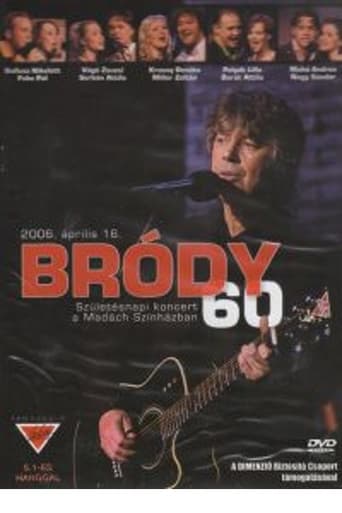
Bródy 60
2006
 NR
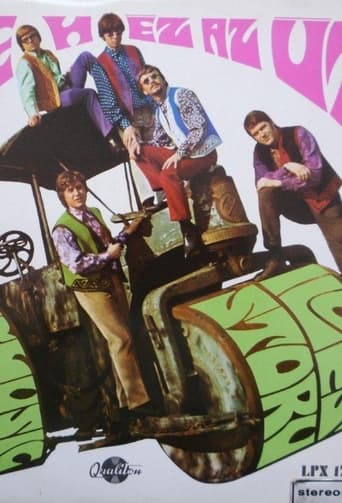
NRNo synopsis available yet.
Az Illés-sztori
2000
 8.0
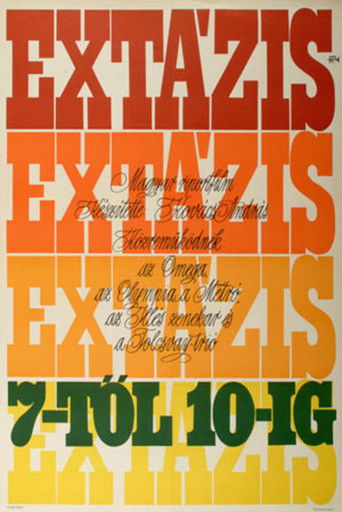
8.0A tableau of the most famous Hungarian beat bands whose fans speak about what music means to them, while some aging people explain why they think this savage type of music should be banned, censored, or at least played without drums.
Ecstasy from 7 to 10
1969
Film credits
2010s · 2 titles

2000s · 2 titles
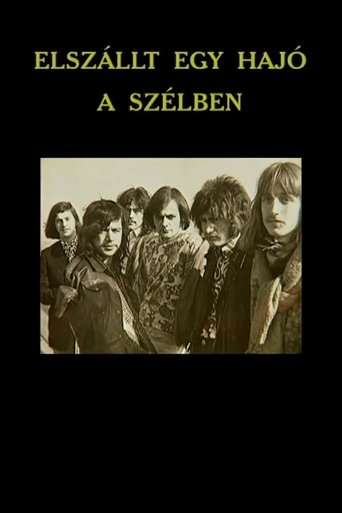
1980s · 3 titles
7.5No synopsis available yet.
A koncert
1981
The documentary-television director duo Jolán Árvai and László Sántha, while making an entertaining documentary-report montage about the rock life of the period between 1957 and 1973, were mainly curious about how and why the movement's sad metamorphosis began. What intention and what mechanism of action resulted in the withering away and slow death of progressive trends; the most vital ones becoming manipulable and commercialized? The filmmakers do not tell the answer, and they do not tell anyone. They leave it up to the viewer to decide whether they want to answer at all. Because if not, the seventy-five minutes of Rockfogyatkozás will still pass quickly. It carries within itself the possibility of a multi-part series offering an optional experience, with which several layers of viewers can be satisfied at the same time.
Rockfogyatkozás
1988
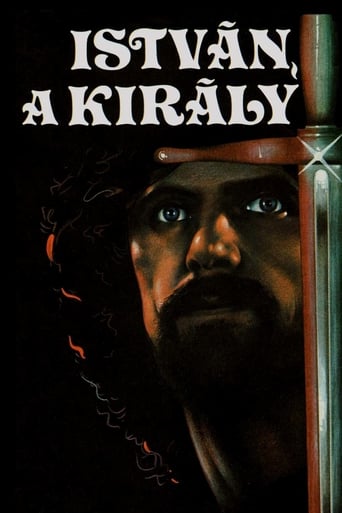 7.3
7.3István, a király ("Stephen, the King") is a Hungarian rock opera written by Levente Szörényi (music) and János Bródy (lyrics), based on the life of Saint Stephen of Hungary. The storyline was based on the play Ezredforduló (Turn of the Millennium) by Miklós Boldizsár, who co-wrote the libretto. The opera was first staged in 1983 on an open-air stage in Budapest. This first performance was also made into a 1984 film, directed by Gábor Koltay, and its music released on an album. The musical became a smash hit and is still very popular in Hungary and among Hungarian minorities in neighboring countries.
Stephen, the King
1984
1960s · 4 titles
8.0A tableau of the most famous Hungarian beat bands whose fans speak about what music means to them, while some aging people explain why they think this savage type of music should be banned, censored, or at least played without drums.
Ecstasy from 7 to 10
1969
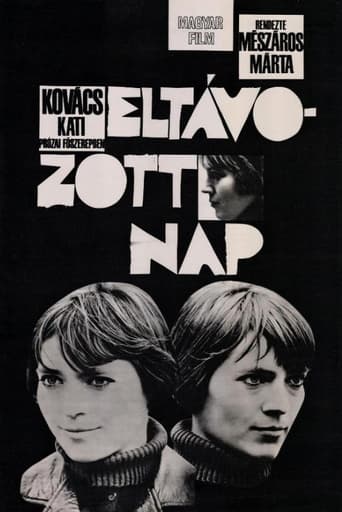 6.5
6.5On receiving a letter from her mother, a quiet working-class girl leaves the state orphanage in Budapest where she grew up and takes a trip to the rural countryside to visit her.
The Girl
1968
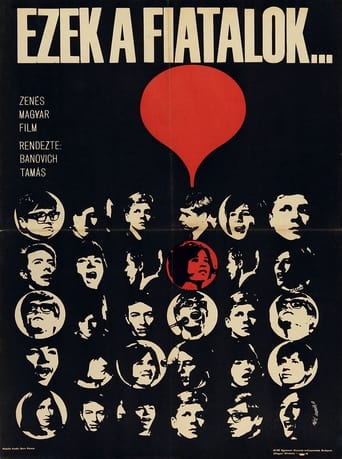 6.6
6.6Laci is facing maturation and he wants to work, but his intellectual parents want him to be at the university. Laci feels lonely, because back home the centre is his younger brother and he also deceived in Zsuzsa, his class mate. The girl is already an accomplished pop singer, member of the Illés, and she only returns the love of Laci as a friend. But through Zsuzsa he can meet the members of the well-established group, whose members even lend him their instruments for the concert of the school group. They also play together and another brown girl cheers him already.
Oh, These Young People!
1967
6.6Laci is facing maturation and he wants to work, but his intellectual parents want him to be at the university. Laci feels lonely, because back home the centre is his younger brother and he also deceived in Zsuzsa, his class mate. The girl is already an accomplished pop singer, member of the Illés, and she only returns the love of Laci as a friend. But through Zsuzsa he can meet the members of the well-established group, whose members even lend him their instruments for the concert of the school group. They also play together and another brown girl cheers him already.
Oh, These Young People!
1967