
Writing
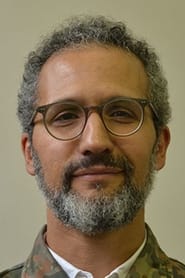
Khalid Shamis
Known for
Writing
Credits
6 titles
Known for
 NR
In his debut documentary, Dylan Valley explores the untold Creole history of Afrikaans, using what he knows best: HipHop, humour and personal perspective. The film follows a group of local artists creating the stage production (or 'hip-hopera'), AFRIKAAPS, as they trace the true roots of Afrikaans to slaves in the Cape. The play, and the film, reclaims and liberates Afrikaans from its reputation as the language of the oppressor, taking it back to the people who own it. Features music from Jitsvinger, Kyle Shepard, Emile (black noise), Moenier Parker, Shane Cooper, Blaq Pearl, the powerhouse bboy, Bliksemstraal, and the poetic genius of Jethro Louw.
Afrikaaps
2013
 NR
In 1981, seven Libyan exiles formed the core opposition group to Colonel Muammar Gaddafi. Thirty years later, they are back to their country only to inherit the mess he left. The film is an intricate blend of rare first-hand accounts, propaganda archival material turned on its head, evocative cinematography and an untold history of a country.
The Colonel's Stray Dogs
2021
In 1969, Imam Abdullah Haron was incarcerated and killed in detention in Cape Town, South Africa. A much loved community leader, he was active within an inactive community in raising awareness of the plight of his compatriots living under apartheid. During the 60s, Imam Haron became more active and began travelling abroad to raise funds for impoverished families back home. Mixing animation, documentary and stock footage, this short film looks at the last few years of the Imam's life and death.[3] It is told by his grandson, the filmmaker Khalid Shamis, through the eyes of a child
The Killing of the Imam
—
Behind the camera
NRIn his debut documentary, Dylan Valley explores the untold Creole history of Afrikaans, using what he knows best: HipHop, humour and personal perspective. The film follows a group of local artists creating the stage production (or 'hip-hopera'), AFRIKAAPS, as they trace the true roots of Afrikaans to slaves in the Cape. The play, and the film, reclaims and liberates Afrikaans from its reputation as the language of the oppressor, taking it back to the people who own it. Features music from Jitsvinger, Kyle Shepard, Emile (black noise), Moenier Parker, Shane Cooper, Blaq Pearl, the powerhouse bboy, Bliksemstraal, and the poetic genius of Jethro Louw.
Afrikaaps
2013
NRIn 1981, seven Libyan exiles formed the core opposition group to Colonel Muammar Gaddafi. Thirty years later, they are back to their country only to inherit the mess he left. The film is an intricate blend of rare first-hand accounts, propaganda archival material turned on its head, evocative cinematography and an untold history of a country.
The Colonel's Stray Dogs
2021
In 1969, Imam Abdullah Haron was incarcerated and killed in detention in Cape Town, South Africa. A much loved community leader, he was active within an inactive community in raising awareness of the plight of his compatriots living under apartheid. During the 60s, Imam Haron became more active and began travelling abroad to raise funds for impoverished families back home. Mixing animation, documentary and stock footage, this short film looks at the last few years of the Imam's life and death.[3] It is told by his grandson, the filmmaker Khalid Shamis, through the eyes of a child
The Killing of the Imam
—