
Known for
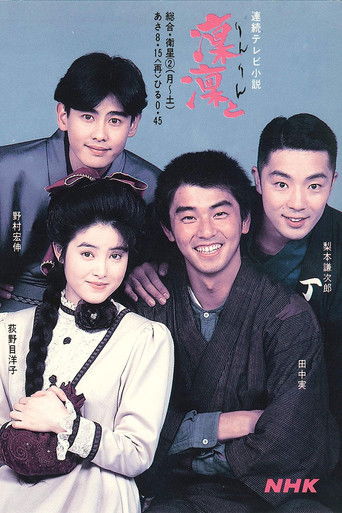 NR
The 44th NHK Asadora about a man who developed an early television system.
Rinrinto
1990
 7.2
In the summer of 1941, the United States and Japan seem on the brink of war after constant embargos and failed diplomacy come to no end. "Tora! Tora! Tora!", named after the code words used by the lead Japanese pilot to indicate they had surprised the Americans, covers the days leading up to the attack on Pearl Harbor, which plunged America into the Second World War.
Tora! Tora! Tora!
1970
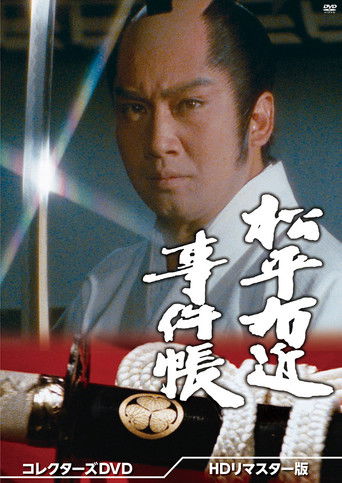 NR
In this gripping period drama, Matsudaira Ukon, the younger brother of the 11th Tokugawa Shogun Ienari, lives in the city as Yabutaro, a doctor in the Ukiyo Koji district, while fighting the evil that has infested the city of Edo.
Matsudaira Ukon Jikencho
1982
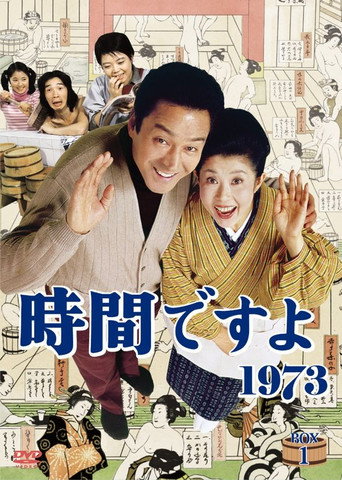 NR
No synopsis available yet.
時間ですよ
1970
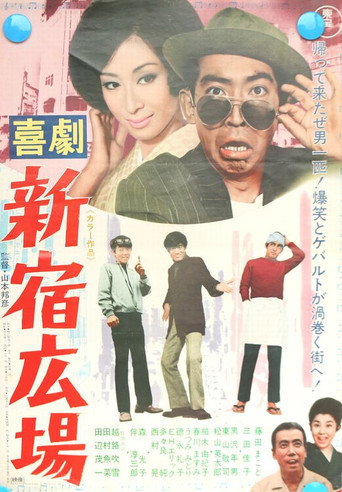 NR
Comedy about residents of Shinjuku.
Shinjuku Plaza
1969
 NR
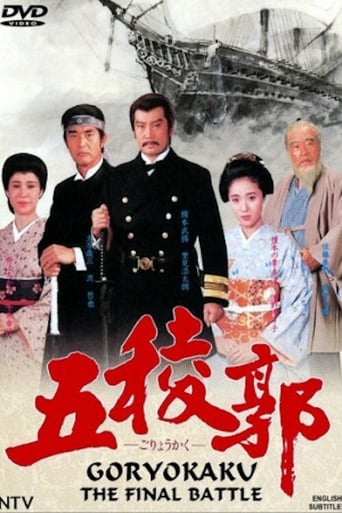
After the fall of the Tokugawa Shogunate, there was a series of battles fought while the former supporters of the Tokugawa shogunate retreated to the north where they actually started a sovereign nation that was recognized by more than one European country. Survivors of the Shinsengumi were among the followers of Enomoto Takeaki who took them to the northernmost island of Ezo where they fought their final battle at the star shaped fort, Goryokaku. The Japanese Civil Wars fought in the name of the emperor signaled the complete end of the feudal system and Japan’s entry into the modern world as those brave samurai tried to halt progress and learned that the age of modern warfare and weaponry had passed them by. Swords were no match for rifles and cannons, nor was any man a match for the power of the imperial flag. Japanese loyalty to the emperor has long defined the nation and culture despite the changing times.
Goryokaku
1988
Film credits
1990s · 2 titles
 NR
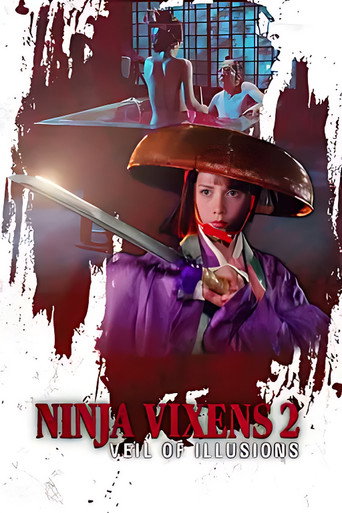
Kagero, the leader of the female ninja serving Kasuga no Tsubone in the Ōoku, rescues a young woman who is being attacked by samurai. This incident leads to the discovery of a smuggling scandal in the Echizen Maruoka Domain. Without hesitation, Kagero and the female ninjas set out for Maruoka to investigate and take action.
The Ninja Vixens II: Veil of Illusions
1990
Jirocho Shimizu has now sealed his family's long sword with a ban on fighting and makes a living as a cargo worker. His zeal is tested when he is placed in the middle of Daimon's gambling den affair.
Jirocho of Shimizu 3: Man Tears, the End of Ishimatsu
1992
1980s · 3 titles
NRAfter the fall of the Tokugawa Shogunate, there was a series of battles fought while the former supporters of the Tokugawa shogunate retreated to the north where they actually started a sovereign nation that was recognized by more than one European country. Survivors of the Shinsengumi were among the followers of Enomoto Takeaki who took them to the northernmost island of Ezo where they fought their final battle at the star shaped fort, Goryokaku. The Japanese Civil Wars fought in the name of the emperor signaled the complete end of the feudal system and Japan’s entry into the modern world as those brave samurai tried to halt progress and learned that the age of modern warfare and weaponry had passed them by. Swords were no match for rifles and cannons, nor was any man a match for the power of the imperial flag. Japanese loyalty to the emperor has long defined the nation and culture despite the changing times.
Goryokaku
1988
 10.0
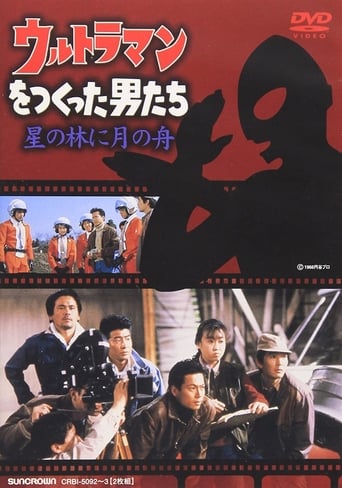
A biographical dramatization about the production of the original Ultraman, the beloved classic special effects fantasy series from Eiji Tsuburaya.
The Men Who Made Ultraman
1989
Shimizu Jirocho aka Yamamoto Chogoro has established a family in Shimizu Port and works on river construction. One day, Inosuke is killed, and suspicion falls on the Jirocho family. Oryu, Inosuke's daughter, attempts to take revenge on her father. Little do they know that the killing is the plot masterminded by Kitsu An Takei and Katsuzo Kurokoma who have returned to take revenge on Chogoro and the Denzo families.
Jirocho of Shimizu 2: Journey Through Winds and Clouds
1982
1970s · 3 titles
7.2In the summer of 1941, the United States and Japan seem on the brink of war after constant embargos and failed diplomacy come to no end. "Tora! Tora! Tora!", named after the code words used by the lead Japanese pilot to indicate they had surprised the Americans, covers the days leading up to the attack on Pearl Harbor, which plunged America into the Second World War.
Tora! Tora! Tora!
1970
 7.3
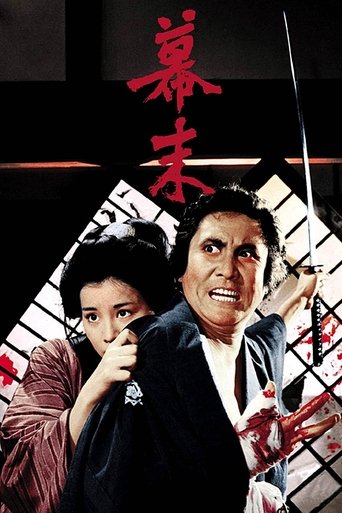
The story of Ryoma Sakamoto, considered to be the architect behind the downfall of the Tokugawa shogunate. He was considered an outlaw by his own clan, hunted by his government, and was despised by supporters of the Shogun as well as the Loyalists for desiring the opening of Japan to the West in order to learn its technology, in the hopes of one day defeating the West with a modern army and navy.
The Ambitious
1970
A TV film based on the kidnapping and murder of 4 year old Yoshinobu Murakoshi.
The Biggest Post-war Kidnapping: The Yoshinobu case
1979
1960s · 14 titles
NRComedy about residents of Shinjuku.
Shinjuku Plaza
1969
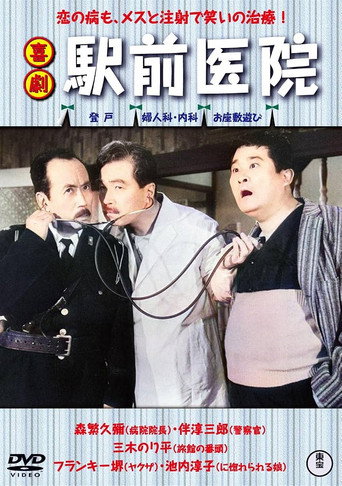 NR
The 11th "Ekimae" feature.
Hospital in Front of the Train Station
1965
Shinkichi, a peasant employed as a cloth-dyer, has a dream: in the midst of the civil war which ravages Japan, he hopes to revive the long-banned custom of the Kyoto Gion Festival, and by doing so, bring together the warring clans and rampaging brigands in peaceful celebration.
The Day the Sun Rose
1968
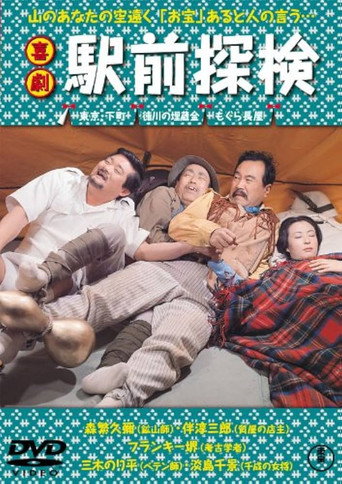 NR
Late entry "Ekimae" feature, about the hunt for lost treasure.
Exploration in Front of the Station
1967
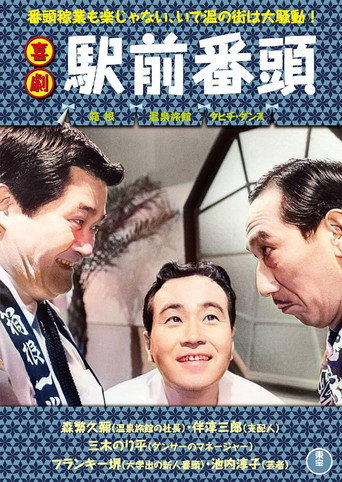 NR
The 16th "Ekimae" feature.
Big Wind at the Spa
1966
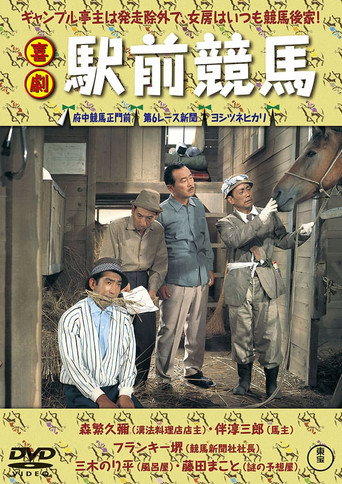 NR
The 17th "Ekimae" feature.
How to Win a Race
1966
 8.0
15th entry in the Ekimae series, surrounding the then-insanely popular Weekly Shounen Sunday series Osomatsu-kun and Obake no Q-Taro.
A Comedy in Front of the Station: Manga
1966
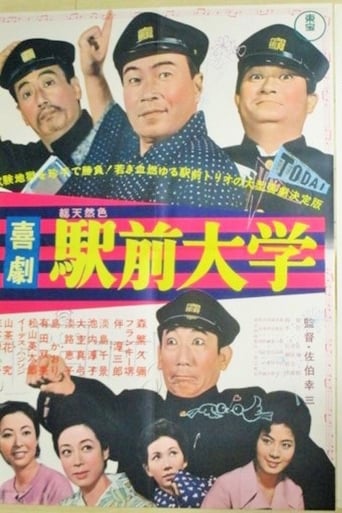 7.0
#13 in the Ekimae series of films. Set at Todai University, Professor Sakai (played by Frankie Sakai) mentors a group of university hopefuls. Cut to 25 years later, the students have each settled into their careers and cross paths with Professor Sakai's son, a P.E. teacher (also played by Sakai).
A Comedy in Front of the Station: University
1965
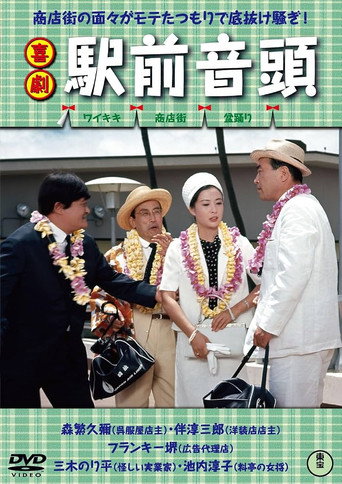 NR
The 9th "Ekimae" feature.
Mumu Dance
1964
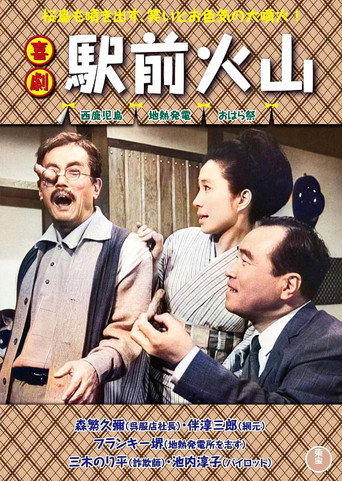 NR
Penultimate 23rd "Ekimae" comedy is about oil-field exploration.
Volcano of Station Front Plaza
1968
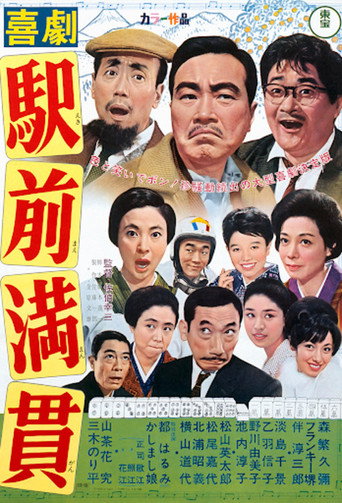 NR
The 18th "Ekimae" feature.
Mahjong Madness
1967
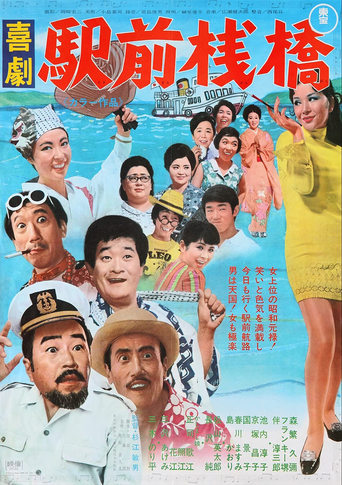 7.0
The 24th and final entry in the Ekimae series, set at Takamatsu Station in Kagawa Prefecture, formerly known for its ferry service to the Seto Inland Sea.
A Comedy in Front of the Station: Pier
1969
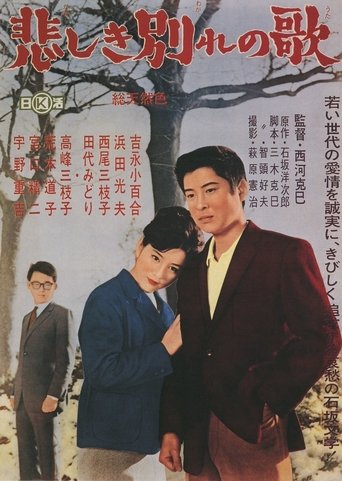 NR
After her mother's funeral, Yuriko, dressed in mourning clothes, sees off her lover Shintaro as he leaves in the powdery snow, and resolves to part ways with him forever. However, in Yuriko's heart... Pure love duo Yoshinaga and Hamada rigorously pursue a life of sincerity and love of the younger generation, and love but parting, in this lyrical and melancholy touching story of Ishizaka literature.
Song of Farewell
1965
 NR
1967 Japanese movie
若社長レインボー作戦
1967

Series credits
NRThe 44th NHK Asadora about a man who developed an early television system.
Rinrinto
1990
NRIn this gripping period drama, Matsudaira Ukon, the younger brother of the 11th Tokugawa Shogun Ienari, lives in the city as Yabutaro, a doctor in the Ukiyo Koji district, while fighting the evil that has infested the city of Edo.
Matsudaira Ukon Jikencho
1982
NRNo synopsis available yet.
時間ですよ
1970
 NR
Edo wo Kiru (江戸を斬る) was a popular jidaigeki on Japan's TBS. It lasted through eight series, with several casts and settings.
Edo wo Kiru
1973