
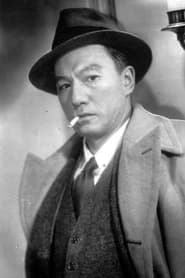
Acting
Kodayu Ichikawa
Born — Died
1902-01-26 — 1976-01-10
Place of birth
Tokyo, Japan
Known for
Acting
Credits
62 titles
Known for
 8.0
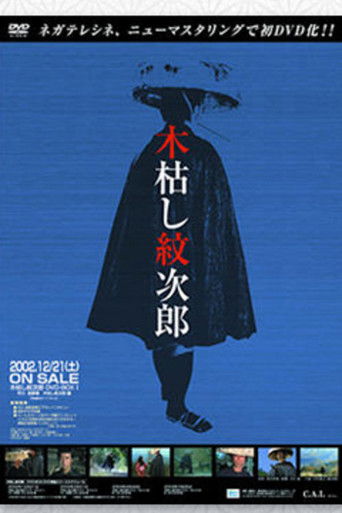
8.0Monjiro was born into a poor farm family in Mikazuki Village, Nitta County, Ueshu, and abandoned his hometown when he was 10 years old. He has been traveling aimlessly with a long toothpick in his mouth. Monjiro avoided getting involved in anything, but wherever he went, he ended up getting involved in incidents
Kogarashi Monjiro
1972
 NR
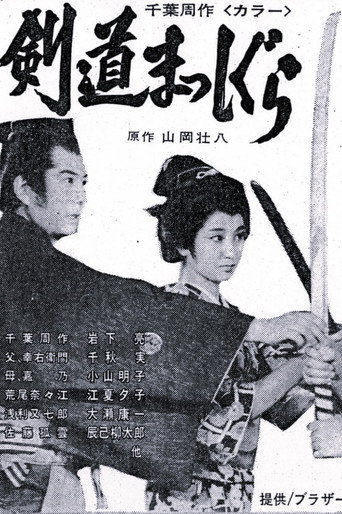
NRChiba Shusaku: Kendo Masshigura is a Japanese period drama that aired on the TBS network from November 2, 1970 to August 30, 1971 in the "Brother Gekijo" slot. It ran for 44 colour episodes of 30 minutes each. Based on Sohachi Yamaoka's novel "Chiba Shusaku", it depicts the youth of Chiba Shusaku, founder of the Hokushin Itto-ryu school of swordsmanship. A hot-blooded young man who calls himself Shusaku enters the dojo of Asari Matashichiro and, through encounters with all kinds of people, grows rapidly both in swordsmanship and in character. Produced by TBS and Shochiku. Rerun on the Japanese CS channel Jidaigeki Senmon Channel from March 17, 2025.
Chiba Shusaku: Kendo Masshigura
1970
 NR
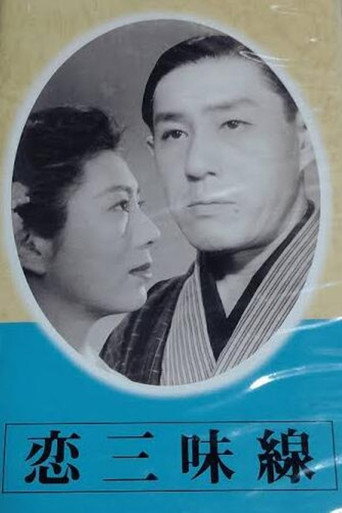
NRNo synopsis available yet.
Love Shamisen
1946
 NR
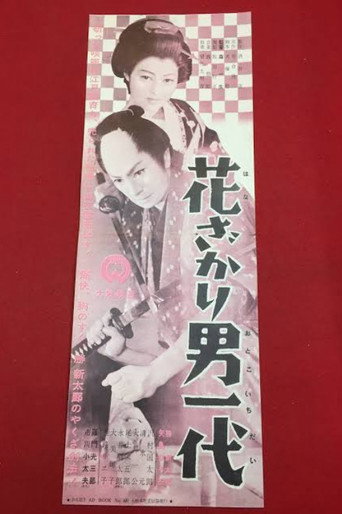
NRNo synopsis available yet.
Hanazakari otoko ichidai
1955
 NR
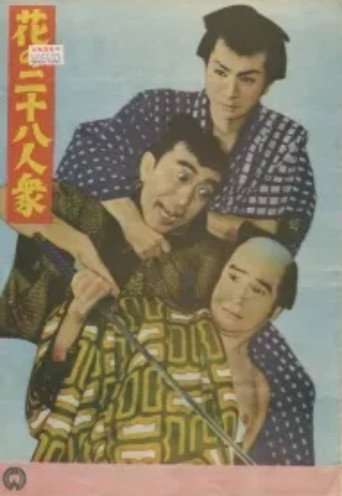
NRNo synopsis available yet.
Hana no nijū hachinin shū
1955
 NR
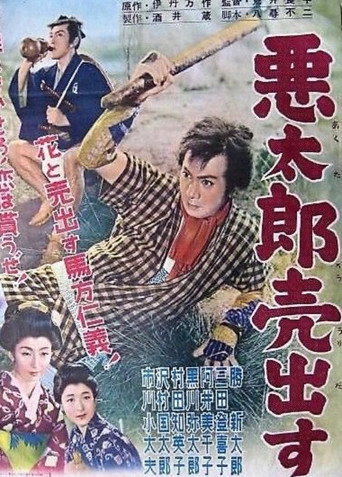
NRNo synopsis available yet.
Akutarō uridasu
1955
Film credits
1960s · 4 titles
 7.5
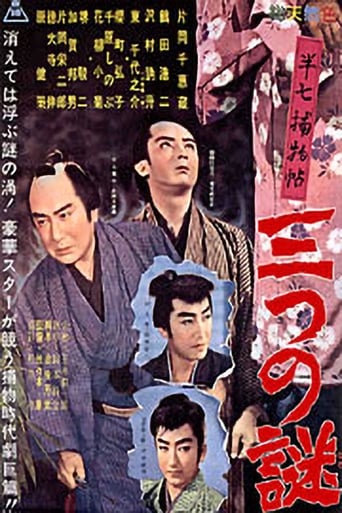
7.5Detective Hanshichi (Kataoka Chiezo) solves 3 mysterious murder cases. Great story and an impressive all-star cast, a must see!
Cases of Hanshichi
1960
 6.5
6.5Kinnosuke of Toyama sets out on a private mission to clear his father’s name for a crime he did not commit.
Official with a Tattoo
1960
 NR
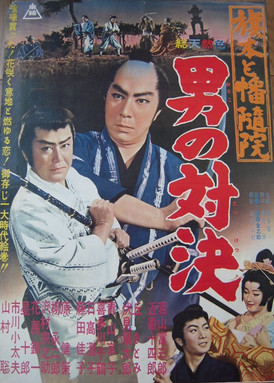
NRNo synopsis available yet.
Ryuji, the Gun Slinger
1960
 NR
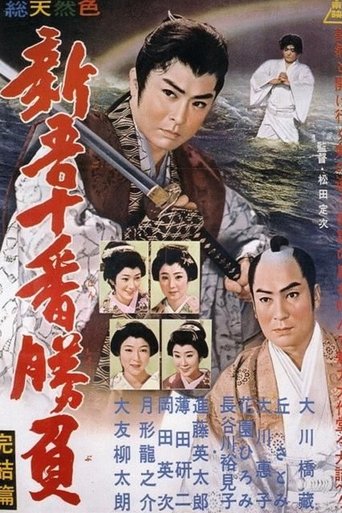
NRAoi Shingo, a son of the Shogun, continues his travels seeking to further his mastery of the sword. In this final episode of the popular “Shingo’s Original Challenge” series, Shingo confronts his master’s killer in the ultimate test of his skill.
Shingo's Original Challenge, Part 4
1960
1950s · 55 titles
NRNo synopsis available yet.
Hanazakari otoko ichidai
1955
NRNo synopsis available yet.
Hana no nijū hachinin shū
1955
NRNo synopsis available yet.
Akutarō uridasu
1955
 NR
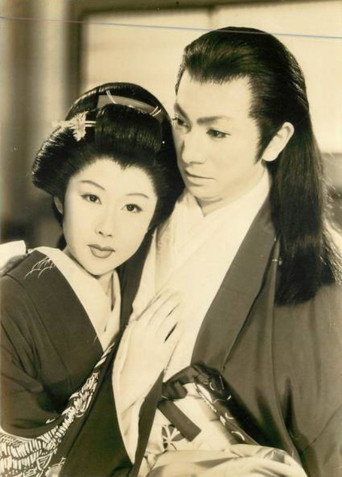
NRNo synopsis available yet.
Tenka o nerau bishōnen
1955
 NR
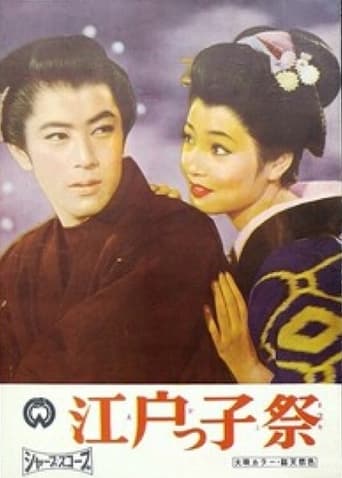
NRPeriod film about a feudal era judge living in Edo
An Edoite Judge
1953
 6.1
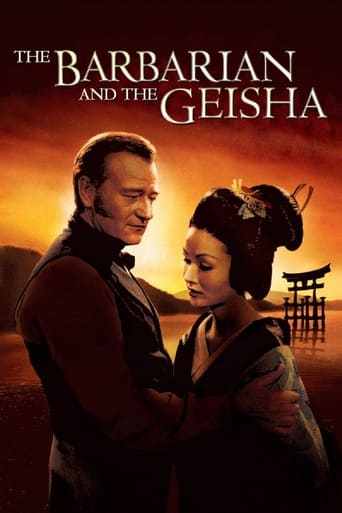
6.1Townsend Harris is sent by President Pierce to Japan to serve as the first U.S. Consul-General to that country. Harris discovers enormous hostility to foreigners, as well as the love of a young geisha.
The Barbarian and the Geisha
1958
 NR
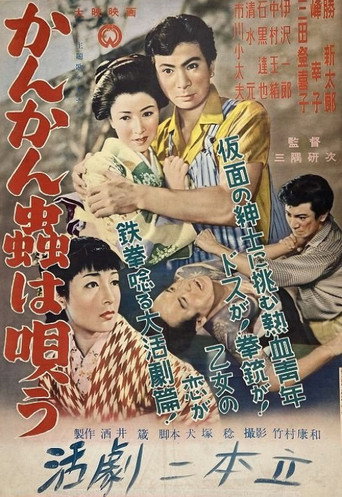
NRA passionate young man takes on a corrupt boss, determined to save innocent teachers and numerous orphans.
The Rust Cleaner Sings
1955
 5.2
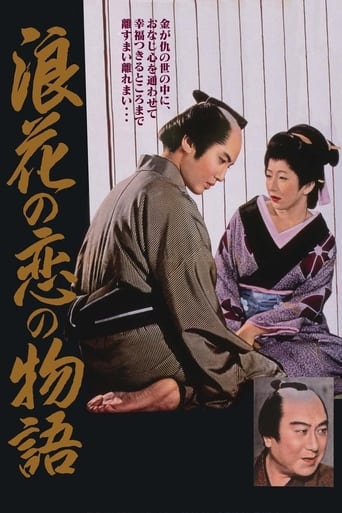
5.2Chubei, the adopted son of an Osaka courier, falls desperately in love with the courtesan Umegawa. To prevent a wealthy client from purchasing her, he steals money from his employer to buy her freedom himself. Now hunted criminals, the lovers flee toward Yamato, pursued by the law.
Chikamatsu's Love in Osaka
1959
No synopsis available yet.
Kago de iku no wa
1955
 6.5
6.5Machiko and Haruki’s drama continues. Two meet again in Hokkaido only to be separated again.
Always in My Heart Part 2
1953
 NR
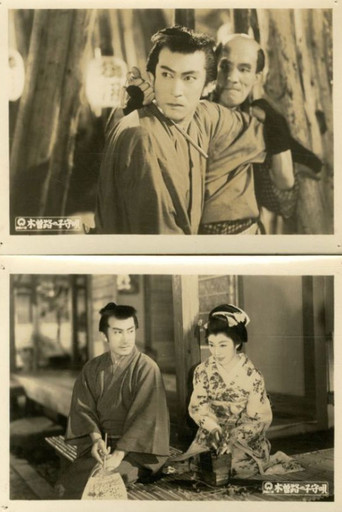
NRNo synopsis available yet.
Kisoji no Komori-uta
1953
 NR
NRNo synopsis available yet.
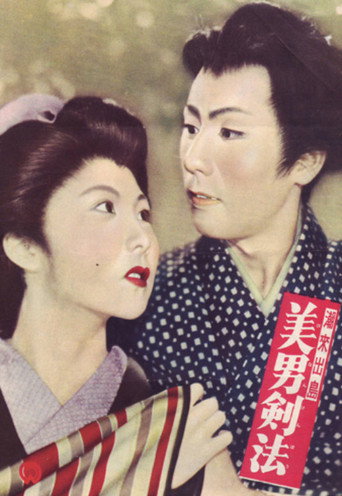
The Young Swordsman
1954
 6.8
6.8Machiko Ujiie and Haruki Atomiya first meet and fall in love on Ginza’s Sukiyabashi Bridge during the Great Tokyo Air Raid in March 1945. Machiko and Haruki pledge to meet again at the bridge in six months but part without asking each other’s names.
Always in My Heart
1953
 NR
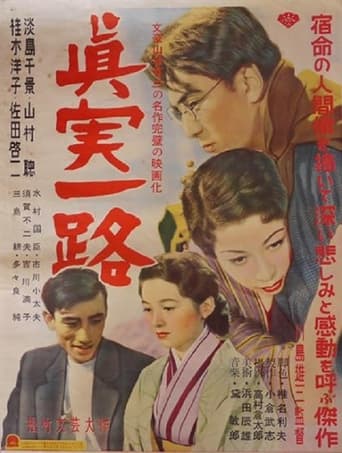
NREach one of us lives differently. So, there are many tragedies and comedies in our lives. She feels many conflicts in living her life between truth and love.
Love and Duty
1954
 NR
NRNo synopsis available yet.
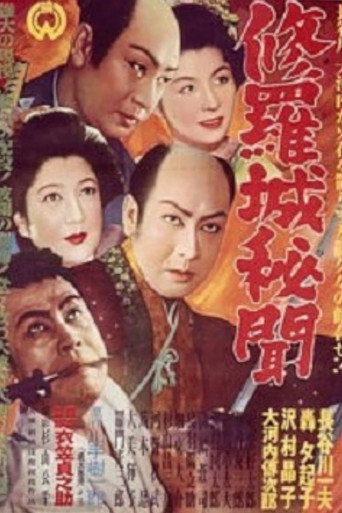
Castle of Carnage
1952
 9.0
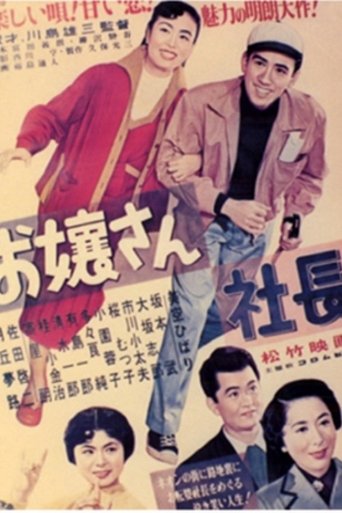
9.0A President of the confectionery company announced his retirement, and his sixteen year old granddaughter, Madoka was ordered to be a new head. But Madoka wants to be a stage dancer, so she won't concentrate her office job. Madoka meets Akiyama, a stage director. Akiyama introduce her to his neighbors. In among poor but open minded people, Madoka has changed. Her new ambition is her company provide nice sweets for children. She decide to focus on the office job. But she doesn't know that company executives has conspiracy against her...
Young Miss Executive
1953
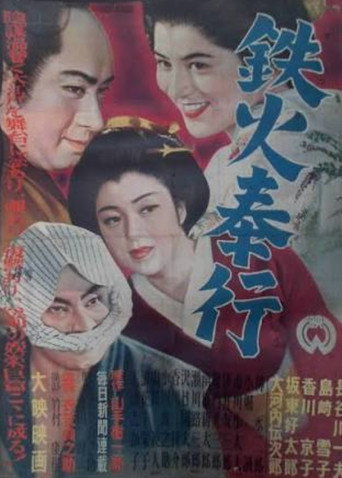 NR
NRNo synopsis available yet.
Tekka bugyō
1954
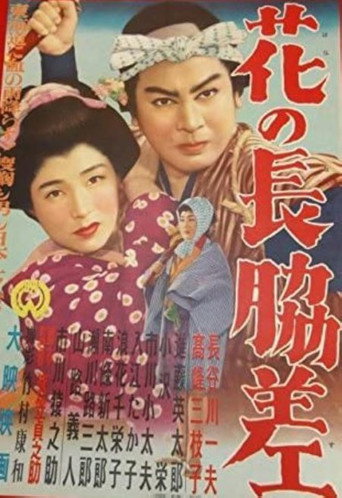 NR
NRNo synopsis available yet.
Hana no nagadosu
1954
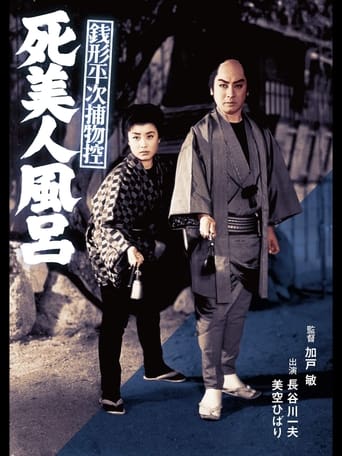 NR
NRNo synopsis available yet.
Case Files of Zenigata Heiji: The Dead Beauty in the Bathhouse
1956
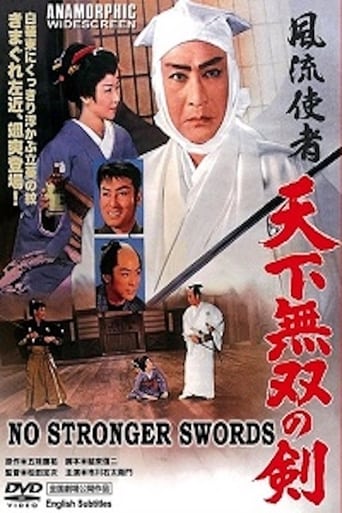 7.0
7.0Featuring some of the finest swordsmen ever to grace the silver screen, this Toei classic tells the story of a battle between the evil sword style called ”Otonashi” (The Silent Form) and the proper way of swordsmanship as promoted by such historical stalwarts as Shimada Toranosuke, and the mysterious Honda Sakon, who face off against a group masquerading as the lord of Mito and his traveling bodyguards Suke-san and Kaku-san. The plot thickens as their leader unveils his secret plan to disrupt the stability of the nation. It is all in the name of swordsmanship, and as the title implies there are no stronger swordsmen!
No Stronger Swords
1959
 NR
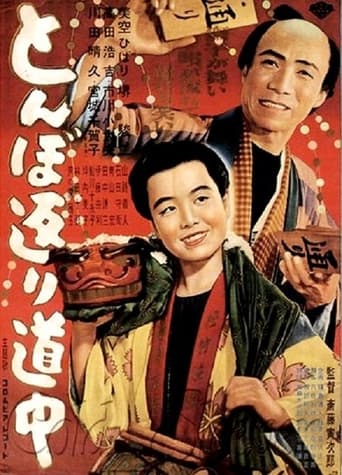
NRA young boy named Chomatsu (Misora Hibari) lives with an old man Denbei near the grounds of Asakusa temple as bell ringers. In their house is an Echigo lion mask, a memento of Chomatsu's deceased father. After several incidents of Echigo lion masks being destroyed in the area, a local kingpin Saheiji shows up at Denbei's demanded he hand over the mask, a request Denbei rejects out of pity for Chomatsu. However, after it is accidentally revealed that the mask contains an important map, Saheiji plots to steal the mask. Chomatsu gets involved after his mother makes a sudden reappearance that sends the boy on a roundabout journey that will reveal the truth about his family.
Somersault on the Way
1950
 NR
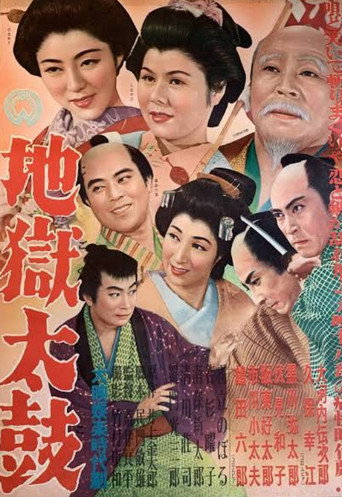
NRA girl from a tenement house was abducted in broad daylight, right in the heart of Edo.
Jigoku taiko
1953
 NR
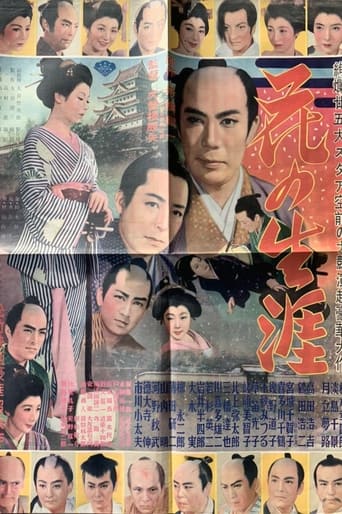
NRIn 1842, in the Umemoku Mansion within Hikone Castle, Naosuke Ii, despite the tumultuous times, was engrossed in the world of tea ceremony. His friend, the Kokugaku scholar Nagano Shuzen, introduced him to a captivating shamisen master named Murayama Taka. Naosuke became deeply infatuated with her, disregarding the jealousy of his consort Shizu and the warnings of his senior retainer, Gaiji. However, upon discovering Taka's relationship with Shuzen, Naosuke promptly ended his ties with her.
Hana no shôgai
1953
 NR
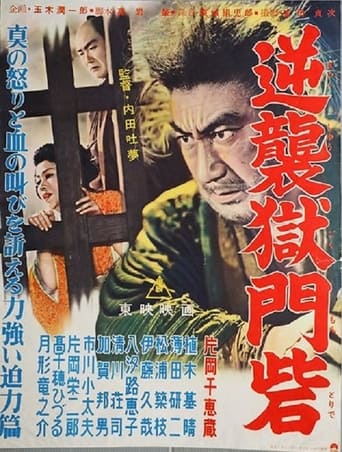
NRA master hunter is driven to defiance after a tyrannical magistrate's cruelty pushes his community to its breaking point. His expert skill with a bow becomes the rallying point for a group of oppressed peasants and prisoners seeking justice. Together, they stage a fierce, collective uprising to storm the local stronghold and overthrow their corrupt rulers.
Rebellion from Below
1956
 8.0
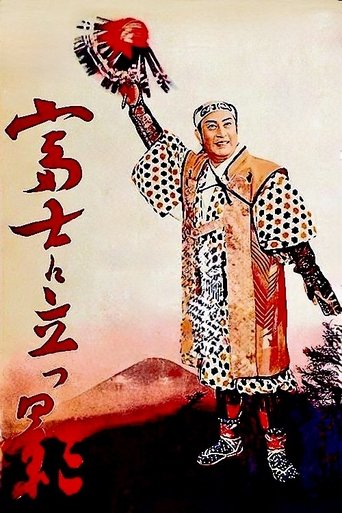
8.0The year is 1805. Napoleon ruled Europe. Ienari is the 11th Tokugawa Shogun. An incident, which was an open official secret, took place on the foothills of Mt. Fuji. Fearing attacks from within and without, the Shogunate planned to build a training castle utilizing the most advanced techniques. Two master castle architects, Sato Kikutaro and Kumai Hakuten, were selected to compete for the honor of building this castle. Lord Mizuno Dewa has even ordered the townspeople to assist both sides with their land surveys and preparations. This leads to fear on the part of farmers that their land will be taken away from them, and sets off a series of events which rock the nation to its very roots. With an all-star cast, this is an important story with relevance to current times. One of Ichikawa Utaemon's finest performances, a true classic!
Shadow Over Fuji
1957
 NR
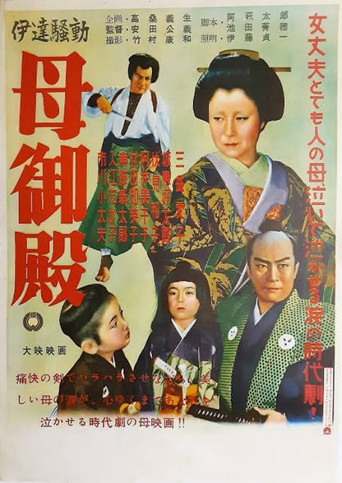
NRNo synopsis available yet.
Date sōdō: Haha goten
1954
 7.0
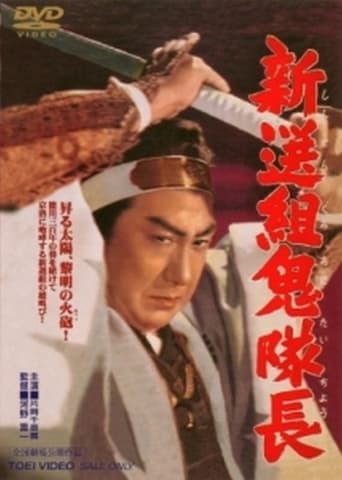
7.0Kondo Isami, the “Devil” commander of the Shinsengumi was one of Japan’s greatest national heroes and a peerless swordsman who devoted his life to protecting the shogun and fighting on the side of the Tokugawa. This tells the story of the Shinsengumi starting at the moment of their greatest triumph through the final battles as the Tokugawa shogunate was brought down.
Fall of the Shogun's Militia
1954
 NR
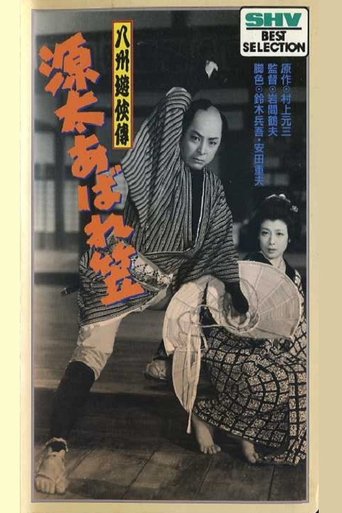
NRNo synopsis available yet.
The Further Adventures of Genta
1955
 NR
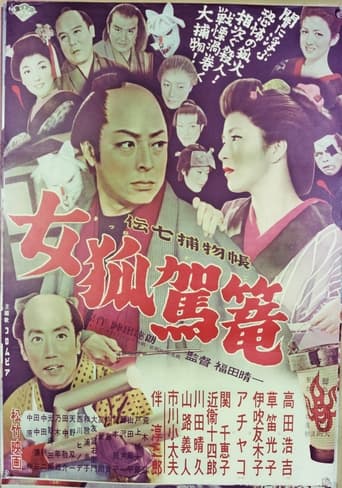
NROne night in Edo, a mysterious woman in a palanquin appeared at the moneylender Yamashiroya, revealing herself to a beautiful woman. She told the owner, Shigebē, that she had come to collect a life he owed from twenty years ago and then left. The same night, Maruiya Genbē also received a visit from the woman's palanquin, and nearby, a man named Manbē was murdered. The detective Hayanawa Gohē concluded the murder was the work of a fox spirit, but another detective, Den Shichi, skeptical of this theory, noticed footprints on the tatami and decided to investigate further.
Denshichi Torimonocho: Female Fox Palanquin
1956
 NR
NROn March 11 in the seventh year of Tenpo (1836), a monk named Bennō, who fell in love with a geisha named Oshima, was publicly exposed at Nihonbashi for committing an illicit act with a woman. While this was happening, an extravagant procession led by another monk named Nikkei passed over the bridge. Nikkei, the head of the Kanouin temple, in collusion with Nakano Harima-no-Kami, had schemed to make his younger sister, Miyoshi, the Shogun's mistress and aimed to transform Kanouin into the Shogun's family temple. To fund the renovations, Nikkei accepted bribes from a corrupt merchant named Koya Bunzo.
快盗三人吉三
1954
 6.3
6.3One of the great stories from Japan’s rich history comes to life in this true tale of the bloody showdown between two rival yakuza gangs in the 1840’s. The battle between Boss Sukegoro of Iioka and Boss Shigezo of Sasagawa has been portrayed many times, most notably in the first Zatoichi film, where the blind man befriends the tubercular ronin Hirate Miki, before cutting him down in one of the great duels in cinema history. This all-star extravaganza pulls out all the stops, with appearances by virtually all of the great actors and actresses from Toei’s studio at the time. Ichikawa Utaemon’s portrayal of the kind-hearted, noble yakuza boss Shigezo of Sasagawa contrasts sharply with the devious Sukegoro of Iioka. Corrupt as he may have been, his men were all willing to give up their lives for him.
A Spectacular Showdown
1959
 6.5
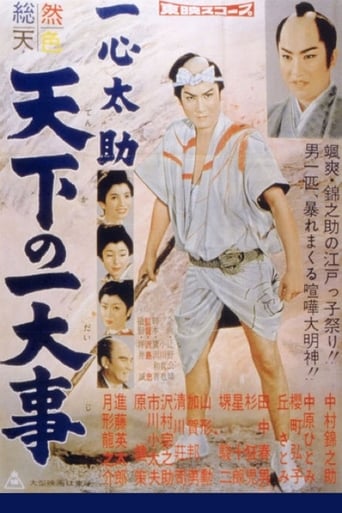
6.5Tasuke stumbles across Kokichi, a distraught man whom having lost his fiancee to Lord Kawakatsu is ready to commit suicide. Tasuke learns that Kokichi's fiancee, Otoyo, was a chambermaid whom Kawakatsu abducted in order to make her his concubine and Tasuke feels compelled to right this wrong. Meanwhile Kawakatsu is dealing in black-market lumber and receiving kick-backs but unbeknownst to him he is under investigation by Lord Izu, one of the Shogun Elders. Will Tasuke be able to rescue Otoyo from the clutches of Lord Kawakatsu and can Lord Izu put an end to his money hungry evildoings.
Isshin Tasuke: A World in Danger
1958
 5.0
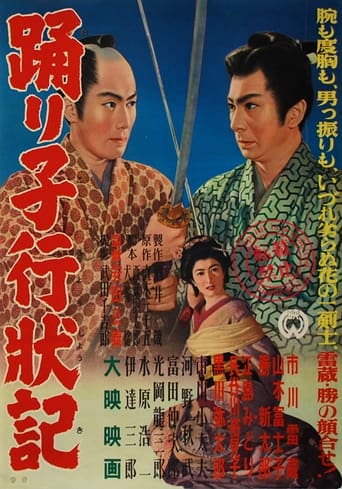
5.0No synopsis available yet.
The Dancer and Two Warriors
1955
 8.0
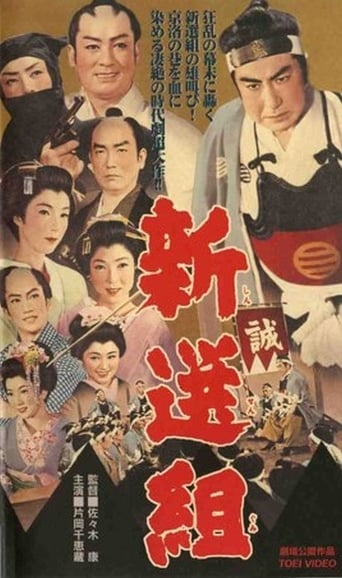
8.0The Shinsengumi is a special unit of ronin commissioned by the Tokugawa shogunate to counter anti-shogunate activities in Kyoto. A sinister plot to overthrow the shogun is set in motion and Kondo Isami and his fellow samurai must answer the call and expose those behind it.
The Shogun’s Guard, Shinsengumi
1958
 NR
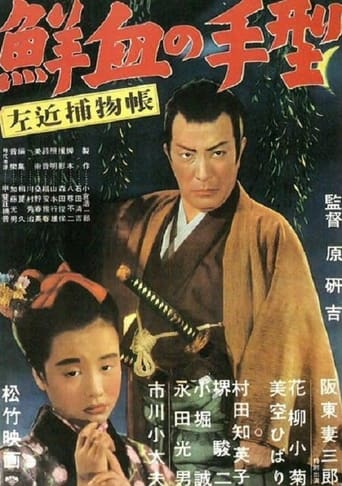
NRNo synopsis available yet.
Sakon Detective Story: Handprint in Fresh Blood
1950
 NR
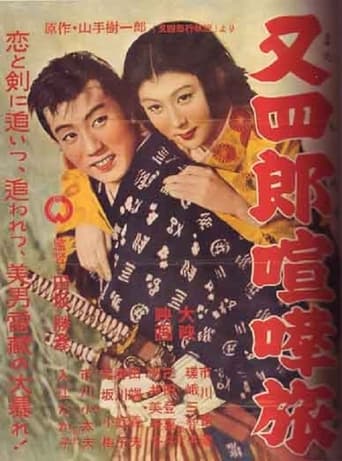
NRNo synopsis available yet.
Matashirō Fighting Journey
1956
 9.0
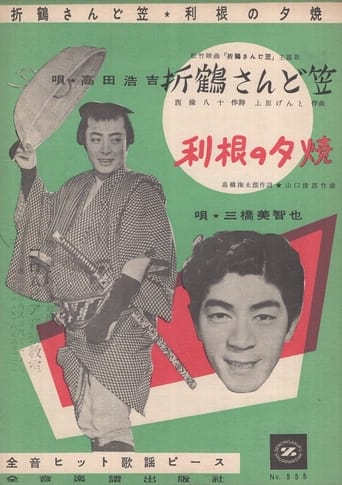
9.0Akitaro Orizuru, who set out on a journey to avenge his father's death in the darkness, returned to Itako, his hometown, where the Ayame Festival was approaching, for the first time in five years. His late father's brother, Sutezo, who took off his waraji, runs a small prostitute with only one child, Sutematsu. In addition, only Shigezaburo, who left a mark in the middle wind, was ill-mannered by Inomatsu. Akitaro was accompanied by a daughter named Omitsu on the way to here, but she was Ura's younger sister who works at Fujikura's house, and the villagers worked on the fifty cars to meet her critically ill father.
The Young Avenger
1957
 NR
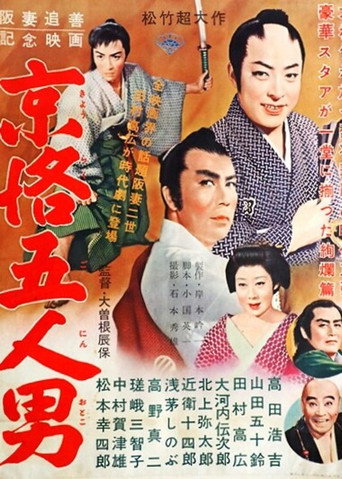
NRAn all-star cast portraying the end of the Edo period as a commemorative film for the late Tsumasaburo Bando.
Five Patriots of Kyoto
1956
 NR
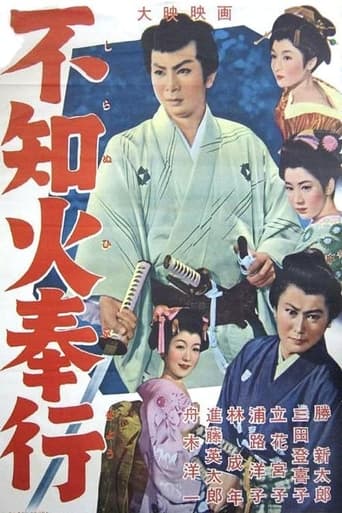
NRFilm adaption by Kenji Misumi
The Fiery Magistrate
1956
 NR
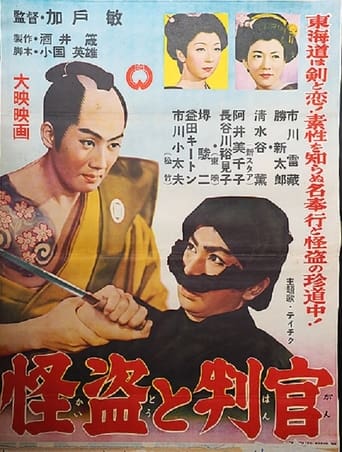
NRNo synopsis available yet.
Thief and Magistrate
1955
 NR
NRThe story follows Keiko, a dancer in the "Maiko Odori" theater in Kyoto, who tries to climb the social ladder in a world driven by money and self-interest. She becomes involved with wealthy men to pursue her ambitions but faces betrayal, exploitation, and is even accused of embezzlement. As she struggles to survive, her close friend dies from a heart condition, and her plan to marry a rich man fails. In the end, Keiko realizes the harshness of reality and decides to keep dancing despite the sorrow.
The Gion Tempest
1958
 NR
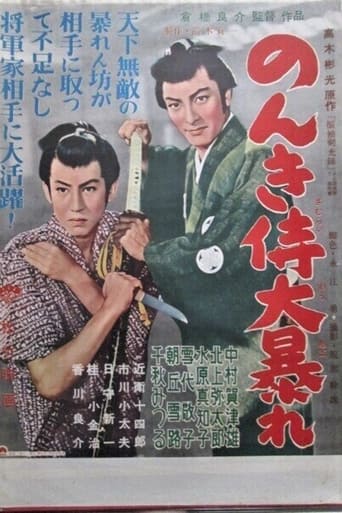
NRIn the mid-Tokugawa period, a conflict arose over the "Seiryū Himon," a secret document left by the former shogun Iesai, bequeathing the eighth shogunate to young Lord Manguro of Owari domain. This document became the center of a struggle between the current shogun, Yoshimune, and Manguro. Iida Daisuke, a member of the shogunate's secret intelligence group, the Kurokuwa Group, stole the document from Owari but was killed by Manguro's men. The document then fell into the hands of Yozakura Ogin, who had pledged her life to Daisuke.
のんき侍大暴れ
1956
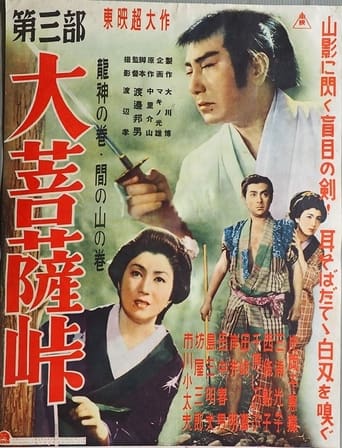 NR
NRThe final film in the 1953 trilogy based on the long novel series The Great Bodhisattva Pass.
Merciless Blade Part 3
1953
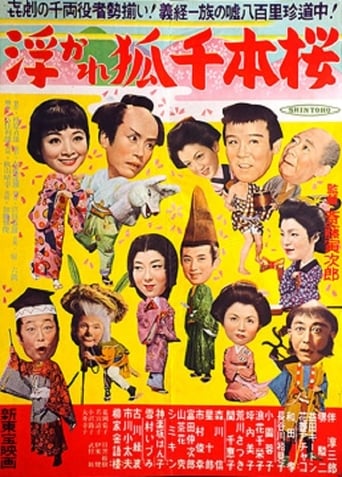 NR
NRJapanese comedy film.
浮かれ狐千本櫻
1954
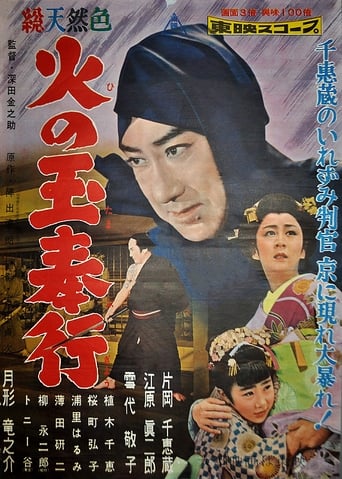 NR
NRTwo guardians of the Nijo Castle, Shioya and Kamazawa, discover a map leading to a secret passage to Edo Castle. Instead of reporting their find to local authorities, they decide to blackmail the lords who created the forbidden passage. To prove their crime, Magistrate Toyama Kinshiro launches a private undercover investigation.
Fireball Magistrate
1958
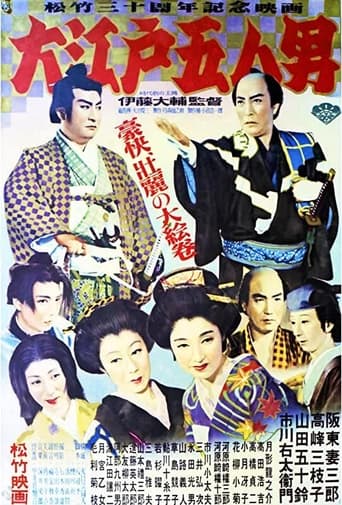 6.0
6.0During the 17th Century roving bands of hatamoto were causing trouble in the new capital city of Edo and constantly fought with the townspeople at every turn. The leader of these ruthless samruai was Mizuno Jirozaemon, who despite his high rank was in deep financial distress, thus leading to a tragedy that shook the very streets of the city.Opposing him was Banzui-in Chobei, the ‘Protector of the Weak’ who was willing to put his life on the line to save the 808 districts of Edo from the 80,000 hatamoto whose violent behavior threatened to destroy the fabric of society. Starring Bando Tsumasaburo, the first great star of the silver screen along with mega-star Ichikawa Utaemon, this is a story not to be missed. Torn from the pages of history, this true story has been told many times, but never as powerfully as this!
Five Men of Edo
1951
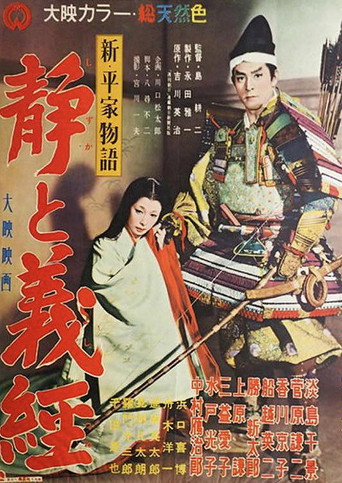 NR
NR1956 Daiei movie
New Tale of Genji: Shizuka and Yoshitsune
1956
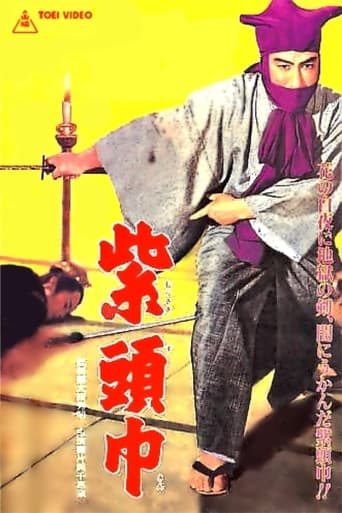 5.4
5.4Kataoka Chiezo stars as Murasaki Zukin, a mysterious hero of the people who helps those in need. Now under the rule of the evil Tanuma, the people look to Murasaki Zukin more than ever, to confront and punish those who bring misfortune upon the commoners. Will he be able to bring peace to the land? One of the greatest actors from Toei Studios, known mainly for his swashbuckling roles as powerful swordsmen such as Ryunosuke in SOULS IN THE MOONLIGHT, he appeared in 325 films both before and after the war, beginning with CHUSHINGURA in 1928, and including KUNISADA CHUJI in 1933, and DOKUGANRYO MASAMUNE. While best known for his swordplay, Chiezo really did not enjoy the action, but was able to use his menacing presence to stare down his adversaries. Although Kataoka Chiezo passed away in 1983 at the age of 79, he still has many fans today. This film shows him at his best.
The Purple Hood
1958
Japanese film.
Meigetsu sataro gasa
1955
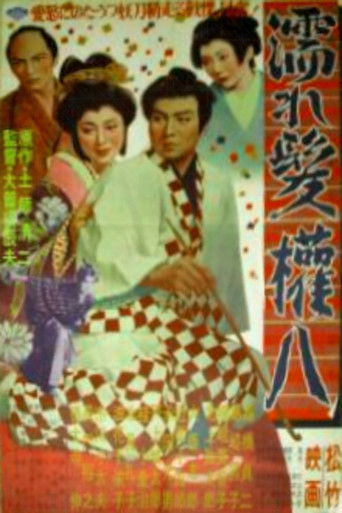 NR
NRA foot soldier from Tottori domain named Shirai Gonpachi showcased exceptional swordsmanship that even surpassed the domain's champion Honjo Sukehichi during a ceremonial match. Though Gonpachi was promised a promotion to samurai status due to his skills, Sukehichi's father Sukezaemon's intervention out of jealousy prevented this. In anger, Gonpachi killed Sukezaemon and, without realizing it, also mistakenly killed Tomoe, his lover's brother Tsushimo Uemon. Following this, he fled to Kyoto, seeking shelter at the "Murasa" inn operated by Uemon's aunt.
Beautiful Gonpati
1954
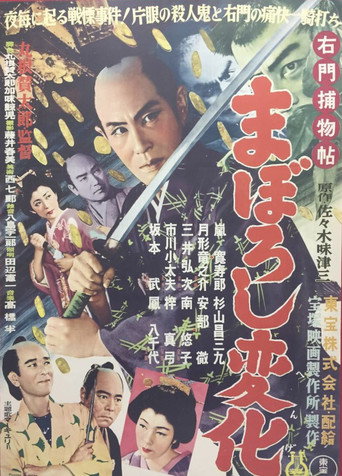 NR
NRDetective Umon investigates a wave of counterfeit money in Edo linked to the murder of a mint official. His search leads him to a mysterious shape-shifting woman and uncovers a massive conspiracy by corrupt officials trying to replace government funds with fake currency. Umon ultimately exposes the mastermind and solves the case.
Umon Detective Story: Rare Change
1954
 NR
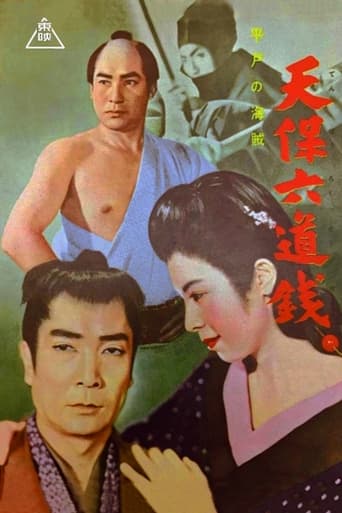
NRIn the 9th year of the Tempo era, after a long sea voyage, Moritaya Seizo returned to Hirado, who earned huge amounts of gold by piracy. Along the way, he picked up Ichinojo Kaneko, a Ronin who survived the disaster at sea. Seizo and Orin, the daughter of merchant Yohei, are in love with each other and want to get married. However, Kashiwakura Gaiki, the samurai of the domain, wants to kill Seizo for the sake of his son Shozaburo, who is in love with Arin, and Kurando Matsuura, the owner of the castle, wants to seize all the gold for himself...
Hirado Pirates
1955
 NR
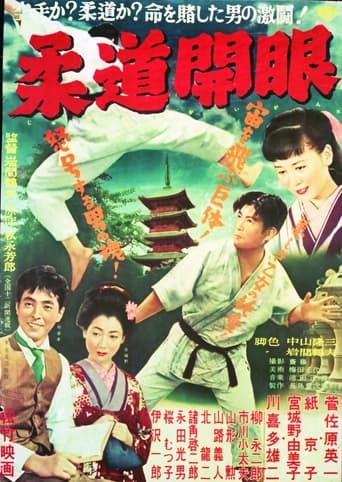
NRNo synopsis available yet.
The Dawn of Judo
1955
It is brother against brother in this tale of love and betrayal within the famed Yagyu clan. In one of their earliest films together, superstars Ichikawa Raizo and Katsu Shintaro are magnificent as the two finest young swordsmen in the clan. As they vie for the hand of a beautiful woman their loyalty comes into question during an attack on their lord. When one of them masters the secret technique taught to him by Miyamoto Musashi, it leads to bloody violence that can tear the clan apart! Filled with superb swordplay this rare classic is not to be missed!
Hidden Story of the Yagyu Clan
1956
 NR
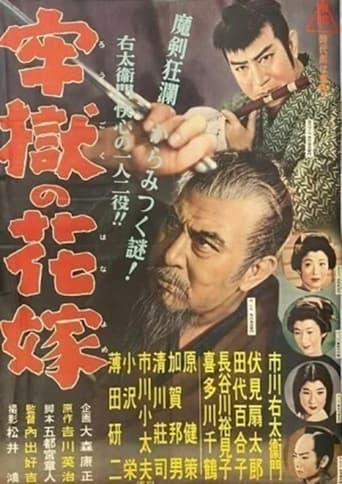
NRNo synopsis available yet.
牢獄の花嫁
1955
1940s · 1 titles
Series credits
8.0Monjiro was born into a poor farm family in Mikazuki Village, Nitta County, Ueshu, and abandoned his hometown when he was 10 years old. He has been traveling aimlessly with a long toothpick in his mouth. Monjiro avoided getting involved in anything, but wherever he went, he ended up getting involved in incidents
Kogarashi Monjiro
1972
NRChiba Shusaku: Kendo Masshigura is a Japanese period drama that aired on the TBS network from November 2, 1970 to August 30, 1971 in the "Brother Gekijo" slot. It ran for 44 colour episodes of 30 minutes each. Based on Sohachi Yamaoka's novel "Chiba Shusaku", it depicts the youth of Chiba Shusaku, founder of the Hokushin Itto-ryu school of swordsmanship. A hot-blooded young man who calls himself Shusaku enters the dojo of Asari Matashichiro and, through encounters with all kinds of people, grows rapidly both in swordsmanship and in character. Produced by TBS and Shochiku. Rerun on the Japanese CS channel Jidaigeki Senmon Channel from March 17, 2025.
Chiba Shusaku: Kendo Masshigura
1970