Acting
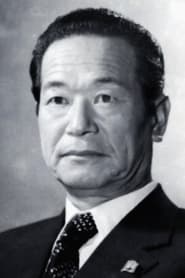
Won Jun Yu
Born — Died
1919-10-18 — 1998-06-30
Place of birth
Hamhung, South Hamgyong Province, Empire of Japan (now Democratic People's Republic of Korea)
Known for
Acting
Credits
14 titles
Known for
 5.5
5.5This was the first feature film to be produced after the liberation of North Korea. It gives a pictures of boundless joy and emotion of the Korean people who are now liberated from the colonial yoke of Japanese imperialism thanks to the glorious anti-Japanese struggle organized and led by the great leader Comrade Kim Il-Sung. Unable to endure the insult of the landlord, Gwan Pil gives vent to his rage. Because of this, the Japanese imperialists deprive him of his tenant land and put him in jail where he gains class consciousness under the influence of a KPA operative.
My Home Village
1949
 7.0
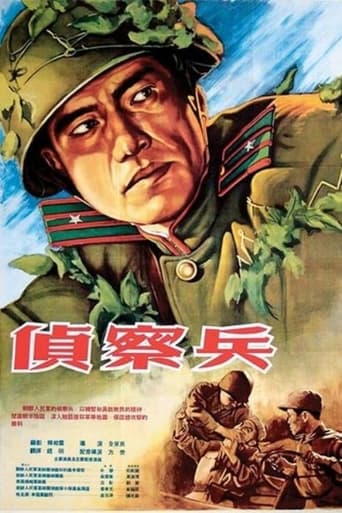
7.0The film tells the story of a small group of the Korean People's Army, led by Hakcheol Lee, deputy chief of the reconnaissance division, which went behind enemy lines.
Scouts
1953
 NR
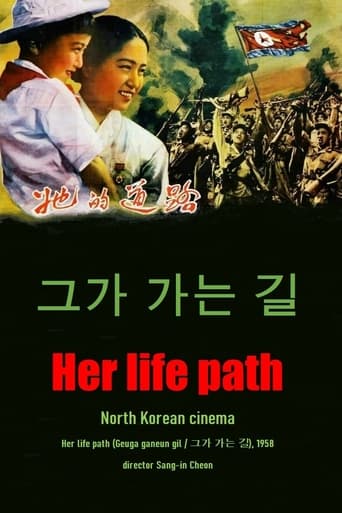
NRUsing the fate of an ordinary woman as an example, the film shows how life has changed in liberated Korea.
Her Life Path
1958
The film tells about the life and struggle of the Korean peasants living on the Phundekber plain, near the 38th parallel, against the Americans and the Lisinman people. The film is set in 1950.
The Road of Happiness
1956
 NR
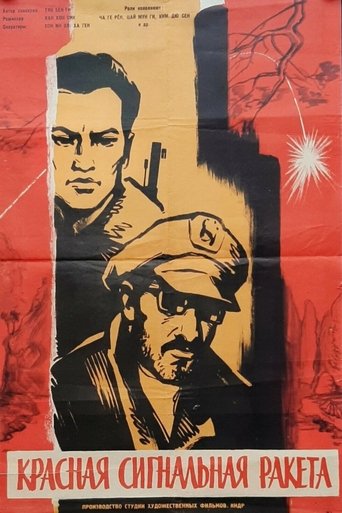
NRAbout the struggle of the National Liberation Army of Korea against South Korean mercenaries, about the military operations of the People's Army scouts behind enemy lines.
Red Flare
1960
 6.0
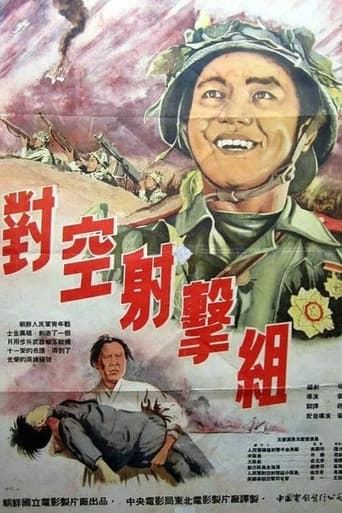
6.0The main character of the film, Man-sik Kim, is a fighter of the Korean People's Army. Through his bravery and resourcefulness in battle, he crushed the enemy's air superiority and dealt a crushing blow to the enemy.
The Combat Unit of a Fighter Plane
1953
Film credits
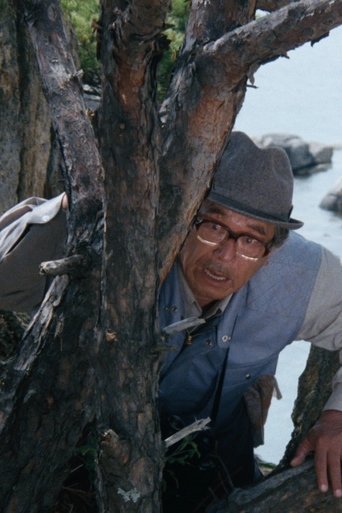
1960s · 3 titles
NRAbout the struggle of the National Liberation Army of Korea against South Korean mercenaries, about the military operations of the People's Army scouts behind enemy lines.
Red Flare
1960
 NR
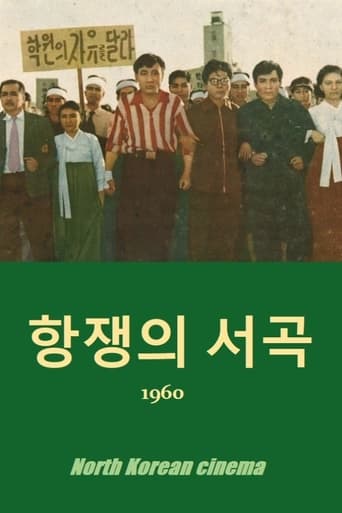
NRAbout the last days of the government of Syngman Rhee, about the struggle against his regime of Seoul students.
Prelude to the struggle
1960
 NR
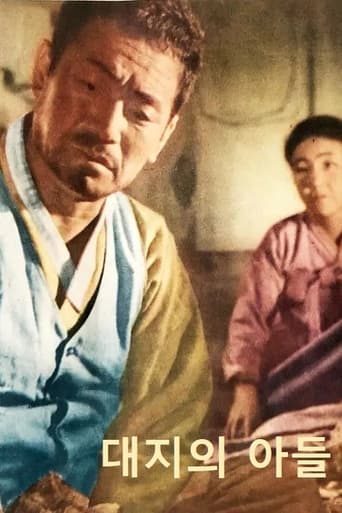
NRTold in three parts, Yong Min, who prior to the liberation of Korea received all sorts of humiliations and insults while serving at the landowner, becomes the owner of the land in socialist Korea.
Son of the Land
1964
1950s · 8 titles
7.0The film tells the story of a small group of the Korean People's Army, led by Hakcheol Lee, deputy chief of the reconnaissance division, which went behind enemy lines.
Scouts
1953
NRUsing the fate of an ordinary woman as an example, the film shows how life has changed in liberated Korea.
Her Life Path
1958
The film tells about the life and struggle of the Korean peasants living on the Phundekber plain, near the 38th parallel, against the Americans and the Lisinman people. The film is set in 1950.
The Road of Happiness
1956
6.0The main character of the film, Man-sik Kim, is a fighter of the Korean People's Army. Through his bravery and resourcefulness in battle, he crushed the enemy's air superiority and dealt a crushing blow to the enemy.
The Combat Unit of a Fighter Plane
1953
 NR
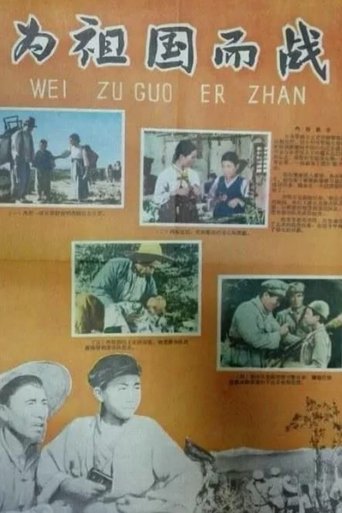
NRA screen adaptation of the novel by North Korean writer Yong Song. On the anti-Japanese partisan struggle of the Korean partisans in the 1930s.
Mt. Baekdu can be seen everywhere
1956
 NR
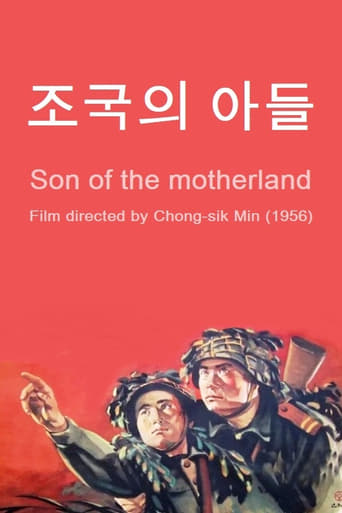
NRThe story of a Korean who, since childhood, lived under the rule of Japanese invaders. During the Korean War, the hero devotes all his strength to the fight against the aggressors, worthily serving the homeland he loves.
Son of the Motherland
1956
 NR
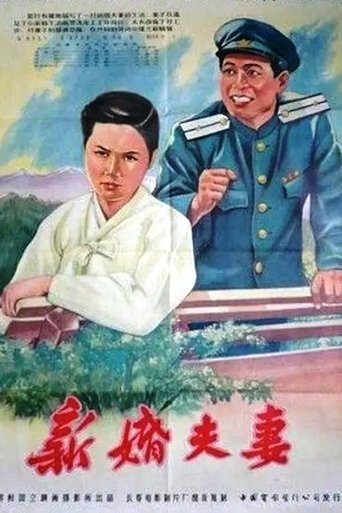
NRThe film tells the story of a newlywed couple working on the railroad (the husband is a train driver and his young wife works at a lathe) in a lyrical and poignant tone. Both have difficult personalities and their own views on life, but together they take an active part in the economic recovery of the country after the Korean War.
The Newlyweds
1955
About the plight of poor man Dek Sam and his daughter Bok Sir, expelled from the north of Korea by supporters of the South Korean regime of Singman Ri, who, like thousands of other unemployed, are doomed to terrible hardships and poverty.
I can see the Big Dipper
1959