
Known for
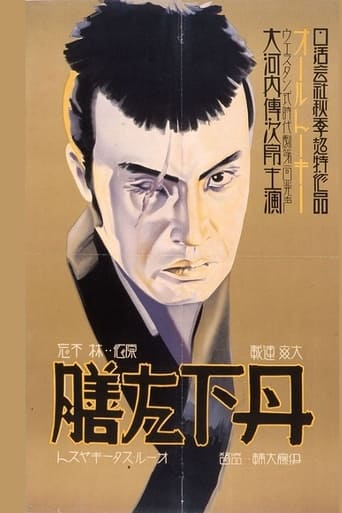 7.0
7.0No synopsis available yet.
Tange Sazen - Dai-ippen
1933
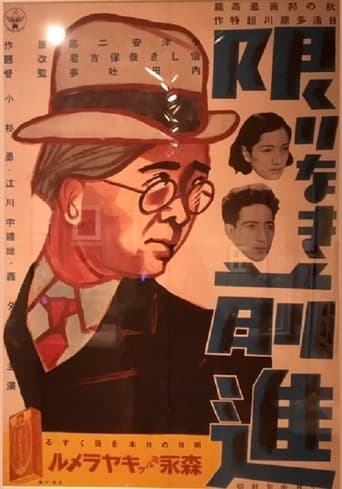 10.0
10.0One of Uchida’s early sound films, Unending Advance is based on a curious story by Yasujiro Ozu, in which an examination of the quotidian problems of a middle-aged salaryman and his family segues into an idyllic dream of an implausible future. The surviving print, although incomplete, offers an essential glimpse into Uchida’s prewar period, when he was associated more with realist dramas than with the period films that dominated his work after the war.
Unending Advance
1937
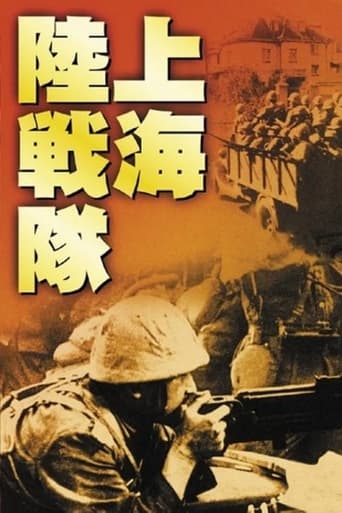 5.0
5.0This film attempts to reconstruct the tension of the Battle of Shanghai through an episode in an understated way, introducting its story in a documentary mode. In the film story, Japan's marine regiment protects Japanese residents and Chinese refugees-women and young children-from rampant street fighting, Shanhai Rikusentai unsparingly uses its first eight minutes for an official-mannered self-justification of the war. From the viewpoint of explaining Japan's military operation,the narration refers to the city s spatial division in sync with maps on screen.
Shanghai Landing Party
1939
Song of the White Orchid was a co-production of Toho and Mantetsu, the railway that served the colonial region of Manchuria, and the first film in the Kazuo Hasegawa/Shirley Yamaguchi (Ri Koran) “Continental Trilogy.” Handsome Hasegawa (representing Japan) runs up against an impertinent Yamaguchi (representing the continent); not surprisingly, in the course of the film the woman comes around and realizes the benevolent intentions of the Japanese. In Song of the White Orchid Yamaguchi leaves Hasegawa, who plays an expatriate working for the railway, because of a misunderstanding. She joins a communist guerilla group plotting to blow up the Manchurian railway. Learning of the subterfuge that led to the misunderstanding, she renews her faith in Hasegawa—and by extension Japan—and tries to undermine the plot.
Song of the White Orchid
1939
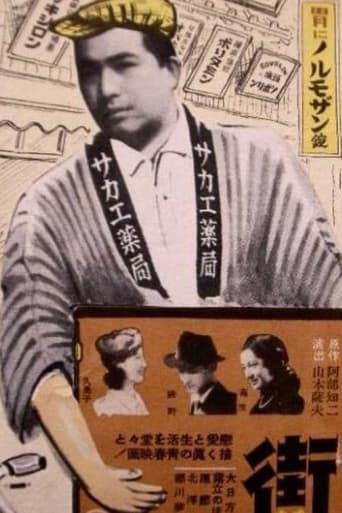 NR
NRNo synopsis available yet.
The Town
1939
Jirokichi the Rat is a notorious thief. While on the run from the law, he discovers an unexpectedly honorable side of himself, and maybe some form of redemption. Considered a lost film.
Jirokichi the Rat-Kid: Edo Reel
1933
Film credits
1930s · 10 titles
7.0No synopsis available yet.
Tange Sazen - Dai-ippen
1933
10.0One of Uchida’s early sound films, Unending Advance is based on a curious story by Yasujiro Ozu, in which an examination of the quotidian problems of a middle-aged salaryman and his family segues into an idyllic dream of an implausible future. The surviving print, although incomplete, offers an essential glimpse into Uchida’s prewar period, when he was associated more with realist dramas than with the period films that dominated his work after the war.
Unending Advance
1937
5.0This film attempts to reconstruct the tension of the Battle of Shanghai through an episode in an understated way, introducting its story in a documentary mode. In the film story, Japan's marine regiment protects Japanese residents and Chinese refugees-women and young children-from rampant street fighting, Shanhai Rikusentai unsparingly uses its first eight minutes for an official-mannered self-justification of the war. From the viewpoint of explaining Japan's military operation,the narration refers to the city s spatial division in sync with maps on screen.
Shanghai Landing Party
1939
Song of the White Orchid was a co-production of Toho and Mantetsu, the railway that served the colonial region of Manchuria, and the first film in the Kazuo Hasegawa/Shirley Yamaguchi (Ri Koran) “Continental Trilogy.” Handsome Hasegawa (representing Japan) runs up against an impertinent Yamaguchi (representing the continent); not surprisingly, in the course of the film the woman comes around and realizes the benevolent intentions of the Japanese. In Song of the White Orchid Yamaguchi leaves Hasegawa, who plays an expatriate working for the railway, because of a misunderstanding. She joins a communist guerilla group plotting to blow up the Manchurian railway. Learning of the subterfuge that led to the misunderstanding, she renews her faith in Hasegawa—and by extension Japan—and tries to undermine the plot.
Song of the White Orchid
1939
NRNo synopsis available yet.
The Town
1939
Jirokichi the Rat is a notorious thief. While on the run from the law, he discovers an unexpectedly honorable side of himself, and maybe some form of redemption. Considered a lost film.
Jirokichi the Rat-Kid: Edo Reel
1933
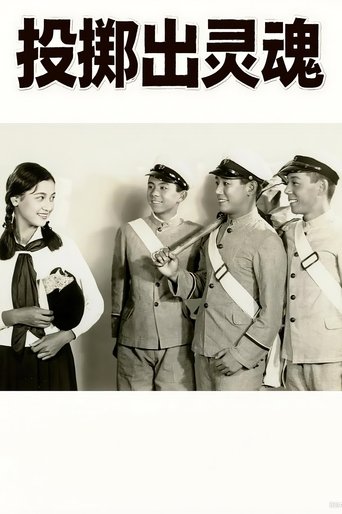 NR
NRThe film centres around junior high school students. They are members of the school's baseball team. They are very good. Izawa's father asks him to stop playing prior to an important game. Hayasaki health deteriorates at this time and he becomes absent. The team decides to speak to Izawa's father to plead their case and ask for the return of their team member.
Throwing the Soul Away
1935
A lost film telling a story of Jirokichi the Rat, a notorious thief
Jirokichi the Rat-Kid: The Journey
1933
A lost film that tells a story of Jirokichi, a notorious thief
Jirokichi the Rat-Kid: Edo Reel Part 2
1933
No synopsis available yet.
Sōbō
1937
1920s · 4 titles
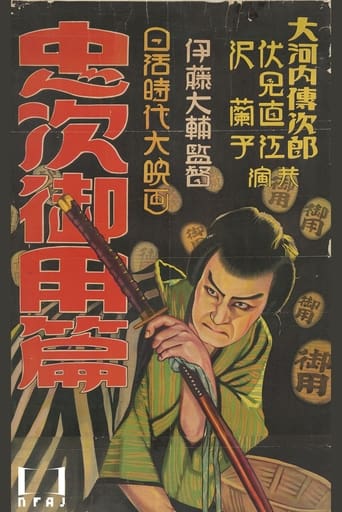 7.6
7.6The Japanese equivalent of penny dreadfuls glorifying Jesse James, A Diary of Chuji’s Travels gives a unique gloss to the tale of Chuji Kunisada, the legendary bakuto (or gambler, the precursors to modern-day yakuza). One of the two remaining segments of Ito’s original four-hour trilogy, it depicts Chuji’s attempt to save the geisha Oshina, a rebellion against the rigid social structure of Edo Japan. With socialist overtones, it’s a passionate artifact of early Japanese film.
Chuji's Travel Diary: The Chuji Patrol Episode
1927
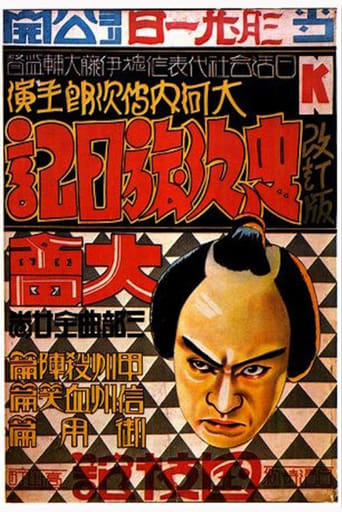 7.0
7.0A Diary of Chuji's Travels is a silent Japanese jidaigeki made in 1927 starring Denjirō Ōkōchi and directed by Daisuke Itō. It was originally released in three parts, all of which were long thought to be lost until portions of the second part and much of the third part were discovered and restored in 1991. Since the film had once been voted in a 1959 Kinema Junpō poll as the best Japanese film of all time, its discovery was significant. At the time of its release, Itō was the leader of a new style of samurai films that featured outlaw heroes and fast-cut sword fighting scenes.
Chuji's Travel Diary: Story of Bloody Shinshu
1927
Directed by Daisuke Itō.
Evil Spirit
1927
No synopsis available yet.
To the Hills Again in Spring
1929