
Acting
Sunalini Devi
Known for
Acting
Credits
10 titles
Known for
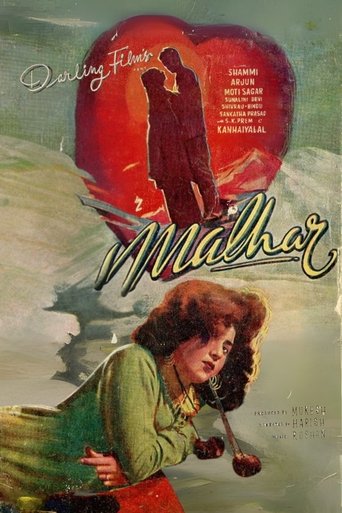 7.0
Two lovers Ratan and Reshmi are torn apart by Reshmi's scheming, cruel brother, Anand. After the death of his father, Anand banishes Ratan from the house and gets Reshmi married to his wealthy friend.
Malhar
1951
 6.5
Living an indolent life in a luxurious palace, Prince Gautama (Rai) is insulated by his family from the harshness of the world outside. But he is destined to learn greater truths: shocked to discover the pain and suffering of so many in his kingdom, he abandons his privileged existence, and his wife Gopa (Seeta Devi), to become a wandering teacher, eventually finding enlightenment and founding Buddhism. Featuring superimposed images and deep-focus shots that were highly impressive for the time, Light of Asia astutely combines a deeply felt spirituality with the surefire attraction of Indian exotica, which helped make it a considerable success in Europe.
The Light of Asia
1925
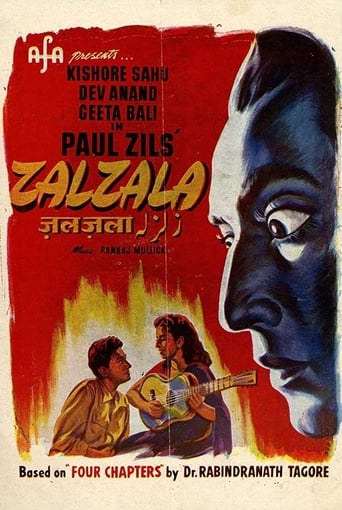 7.0
Bengal's struggle to get rid of British domination by terrorism and underground intrigue.
Zalzala
1952
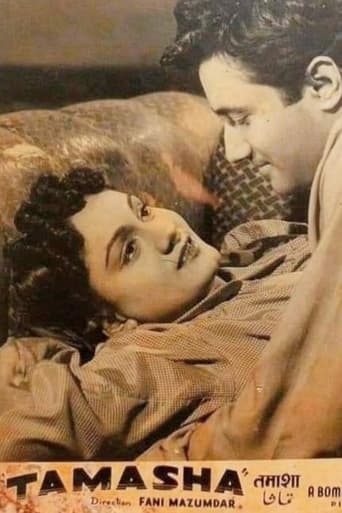 7.0
Fed up of Dilip's involvement with gold digging actress Nayantara, Dilip's uncle pretends to be gravely ill in hopes of guilting him into marrying a decent girl. Dilip convinces reluctant Kiran to pretend to be his fiancée. Dilip and Kiran soon fall in love, and Nayantara decides to intervene.
Tamasha
1952
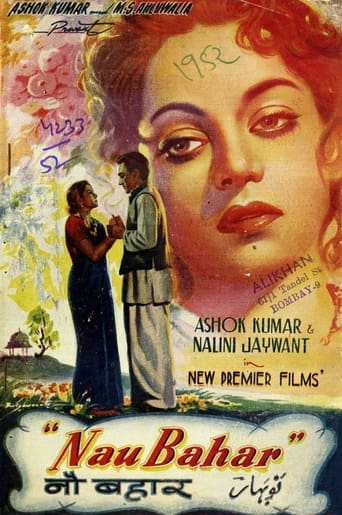 8.0
A rich blind man who falls for a poor girl, regains his sight and is forced to marry a wealthy girl whom his father has chosen.
Nau Bahar
1952
 9.0
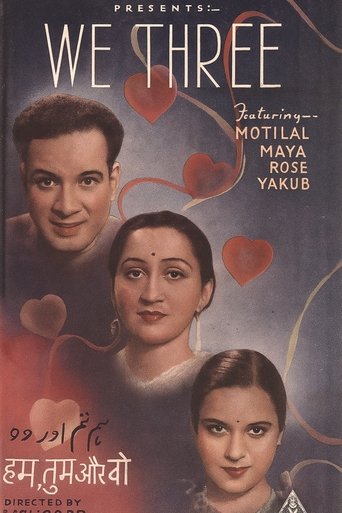
Mehboob presents the autonomous passion of Leela (Rose) for Moti (Motilal) who is promised to another woman, Bina (Maya). Leela is portrayed as irresponsible and impulsive as she acknowledges her desire for Moti and has a child by him. Bina then releases Moti from his promise. Moti suffers when he is told by Bina’s father (Sankantha) that she is dead, while Leela’s father (Pande) enjoins his daughter to commit suicide if Moti does not marry her. In spite of the film’s endorsement of ‘traditional’, lethally oppressive patriarchal mores, incarnated by the women’s fathers, Mehboob’s narrative at least dares to depict a woman who refuses to feel guilty about her desire.
We Three
1938
Film credits
1950s · 5 titles
7.0Two lovers Ratan and Reshmi are torn apart by Reshmi's scheming, cruel brother, Anand. After the death of his father, Anand banishes Ratan from the house and gets Reshmi married to his wealthy friend.
Malhar
1951
7.0Bengal's struggle to get rid of British domination by terrorism and underground intrigue.
Zalzala
1952
7.0Fed up of Dilip's involvement with gold digging actress Nayantara, Dilip's uncle pretends to be gravely ill in hopes of guilting him into marrying a decent girl. Dilip convinces reluctant Kiran to pretend to be his fiancée. Dilip and Kiran soon fall in love, and Nayantara decides to intervene.
Tamasha
1952
8.0A rich blind man who falls for a poor girl, regains his sight and is forced to marry a wealthy girl whom his father has chosen.
Nau Bahar
1952
 8.0
Two brothers fall in love with the same girl, but the girl loves younger brother creating an intriguing love triangle.
Buzdil
1951
1940s · 2 titles
 7.0
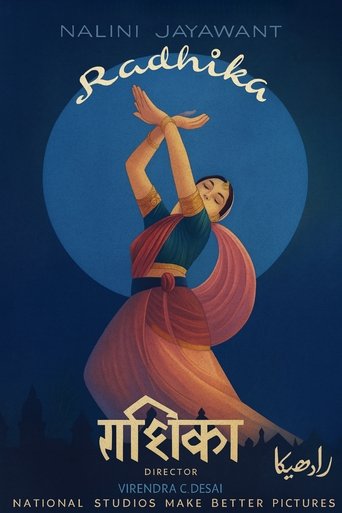
Radha is deeply devoted to Lord Gopal and spends her days in worship and spiritual pursuit. Her beauty and piety attract the attention of the Jagirdar, a powerful and wealthy man, who desires to marry her. However, Rasha is uninterested in worldly attachments and seeks only spiritual fulfillment.
Radhika
1941
 7.0
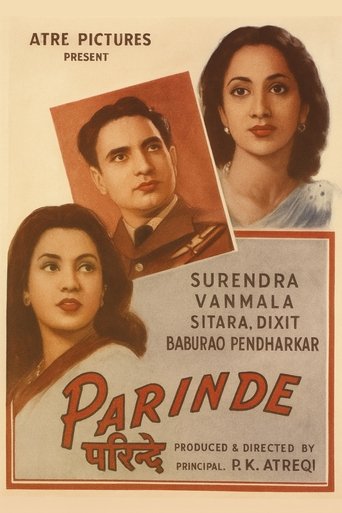
In the midst of war, teacher Ashok falls for Shyama, but their love is tested when he joins the air force and faces a cunning love rival and wartime profiteers. As misunderstandings and deceptions mount, can their love survive the chaos of war and betrayal?
Parinde
1945
1930s · 2 titles
9.0Mehboob presents the autonomous passion of Leela (Rose) for Moti (Motilal) who is promised to another woman, Bina (Maya). Leela is portrayed as irresponsible and impulsive as she acknowledges her desire for Moti and has a child by him. Bina then releases Moti from his promise. Moti suffers when he is told by Bina’s father (Sankantha) that she is dead, while Leela’s father (Pande) enjoins his daughter to commit suicide if Moti does not marry her. In spite of the film’s endorsement of ‘traditional’, lethally oppressive patriarchal mores, incarnated by the women’s fathers, Mehboob’s narrative at least dares to depict a woman who refuses to feel guilty about her desire.
We Three
1938
 10.0
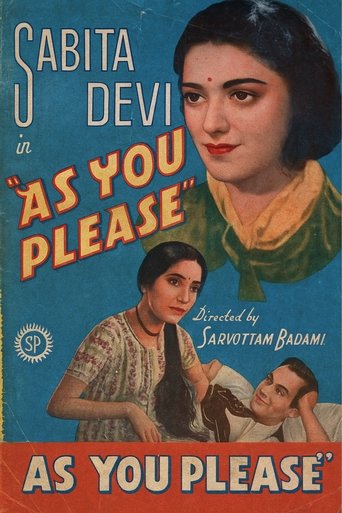
An everyday man, Govindlal (secretly wealthy Seth Bansilal), wins a Kashmir trip in a crossword puzzle, as does unemployed Sumant. They land in the same hotel, leading to a hilarious room mix-up. As Sumant and Bansilal's niece Shashi fall for each other amidst comic blunders, a blackmail plot by another guest, Manjri, adds to the chaos.
As You Please
1939