
Sound
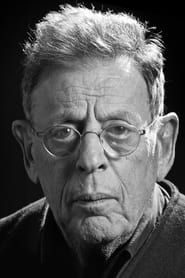
Philip Glass
Born
1937-01-31 (89)
Place of birth
Baltimore, Maryland, USA
Known for
Sound
Credits
57 titles
Philip Morris Glass is an American composer. He is one of the most influential music makers of the late 20th century. His music is also often controversially described as minimal music.
Known for
 6.9
6.9A late-night live television sketch comedy and variety show created by Lorne Michaels. The show's comedy sketches, which parody contemporary culture and politics, are performed by a large and varying cast of repertory and newer cast members. Each episode is hosted by a celebrity guest, who usually delivers an opening monologue and performs in sketches with the cast, and features performances by a musical guest.
Saturday Night Live
1975
 5.6
5.6The South Bank Show is a television arts magazine show produced by ITV between 1978 and 2010. A new series began on Sky Arts from 27 May 2012. Presented by Melvyn Bragg, the show aims to bring both high art and popular culture to a mass audience.
The South Bank Show
1978
 8.2
8.2In a picture-perfect seaside town, an insurance salesman begins to realize that his entire existence may be staged and observed by a vast unseen audience as part of a long-running real-time reality TV show.
The Truman Show
1998
 7.7
7.7A documentary series about pop and rock albums that are considered the best or most distinctive of a well-known band or musician or that exemplify a stage in the history of music.
Classic Albums
1997
 7.4
7.4The Kennedy Center Honors is an annual honor given to those in the performing arts for their lifetime of contributions to American culture.
The Kennedy Center Honors
1978
 6.7
6.7A weekly BBC Two magazine programme focusing on the best of the week's arts and culture news, covering books, art, film, architecture and more.
The Culture Show
2004
Film credits
2020s · 5 titles
 7.7
7.7Untold stories behind the culture-defining and newsmaking musical performances, sketches and cameos of the past 50 years.
Ladies & Gentlemen... 50 Years of SNL Music
2025
 NR
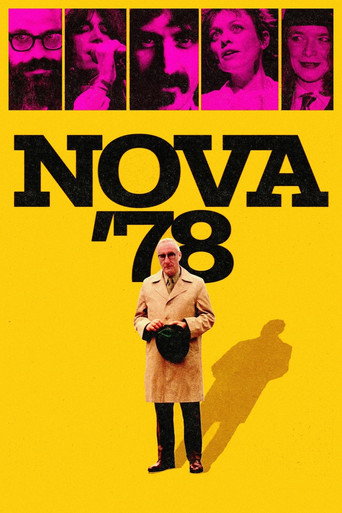
NREast Village, New York, 1978. William Burroughs, Patti Smith, Frank Zappa, Allen Ginsberg, and other brilliant minds come together in an explosion of ideas, art, and rebellion.
Nova '78
2026
 6.0
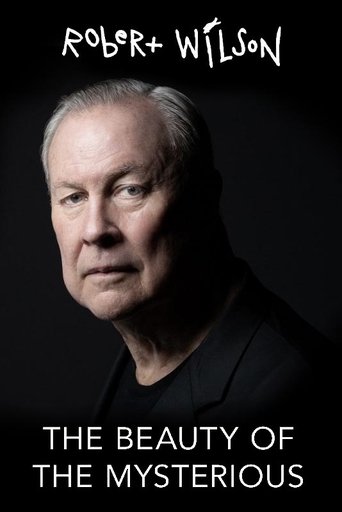
6.0We look back at more than half a century of mysterious artistic creation while trying to crack a unique artistic code. Why are people moved to tears when Robert “Bob” Wilson puts minimalistic petrol pumps into a production of Shakespeare’s sonnets? Why does merciless repetition change our understanding of something? Together with Tom Waits, Willem Dafoe or Marina Abramović we trace back our own experience of Bob’s art. Is it true what Philipp Glass the collaborator of the milestone piece “Einstein on the Beach” laughingly and with apparent pleasure exclaims “what does it mean? It doesn’t mean anything!”?
Robert Wilson: The Beauty of the Mysterious
2022
 NR
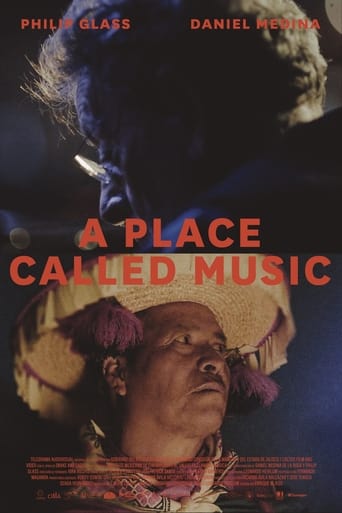
NRThe musical journey between Mexican Wixárika musician Daniel Medina and American composer Philip Glass.
A Place Called Music
2022
 NR
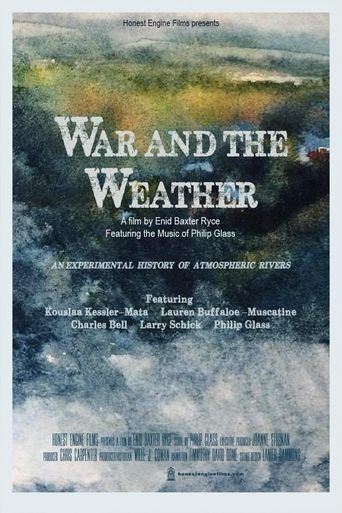
NRArtist Enid Baxter Ryce created an experimental documentary with a musical score by Philip Glass to portray, in moving images, the history of "atmospheric rivers," or streams of water vapor in the sky. Just like rivers that move water around on the land, atmospheric rivers—never visible to the naked eye—were a vital force in shaping the colonization of the American West. Today, the evolving scientific and cultural understandings of atmospheric rivers exemplify the complexity and importance of the stories we tell ourselves about science, climate, and the natural world. This film was created at the Days and Nights Festival held at the Philip Glass Center for the Arts, Science, and the Environment.
War and the Weather
2021
2010s · 6 titles
 7.1
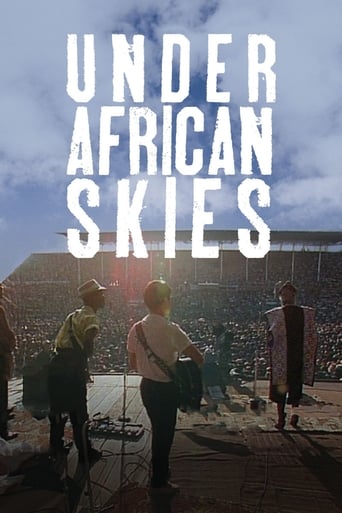
7.1Paul Simon returns to South Africa to explore the incredible journey of his historic Graceland album, including the political backlash he received for allegedly breaking the UN cultural boycott of South Africa designed to end the Apartheid regime. On the 25th anniversary of Paul Simon's GRACELAND, acclaimed documentary filmmaker Joe Berlinger offers a glimpse at the controversy surrounding the decision to record the album in South Africa despite a UN boycott of the nation, which was aimed at ending apartheid. In the run-up to an eagerly anticipated reunion concert, Simon, Quincy Jones, Peter Gabriel, David Byrne, Harry Belafonte, Paul McCartney and others reflect on the decision to record with local artists in South Africa, and the cultural impact of the album that delivered such hits as "I Know What I Know" and "You Can Call Me Al."
Paul Simon: Under African Skies
2012
 NR
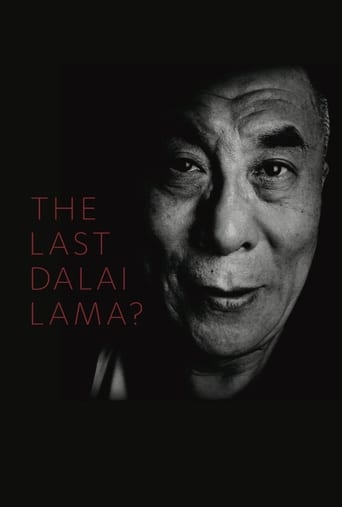
NRIn his 1992 documentary "Compassion in Exile", filmmaker Mickey Lemle created a groundbreaking portrait of the 14th Dalai Lama. His new film takes a fresh look at what is important for His Holiness, who is now in his 80s: the historic confrontation between Tibet and China; his influence in political, spiritual and educational spheres; his work with neuroscientists; and his personal feelings on aging, dying and whether he will be the last Dalai Lama. His impact on the West has grown over the 25 years since the earlier film, and we see some of his influence at work in classes and scientific studies. Artfully weaving interviews and accounts from family, friends and people he inspired, this film vibrantly conveys the Dalai Lama’s humor, wisdom and compassion
The Last Dalai Lama?
2017
 NR
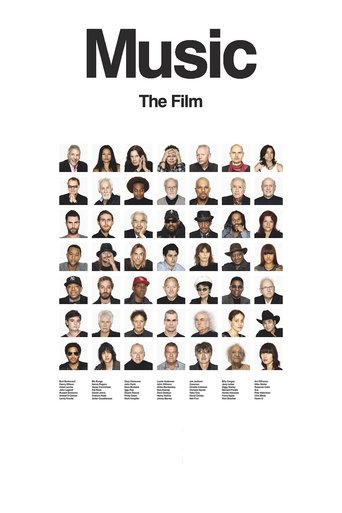
NRThe story of music and the music industry told through interviews with musicians, composers and producers across genres.
Music
2010
 6.8
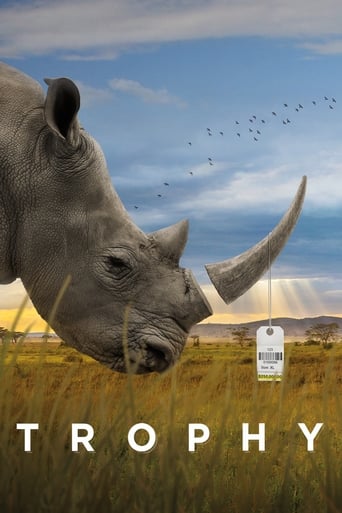
6.8This in-depth look into the powerhouse industries of big-game hunting, breeding and wildlife conservation in the U.S. and Africa unravels the complex consequences of treating animals as commodities.
Trophy
2017
 5.1
5.1A documentary that explores the challenges that a life in music can bring.
What Difference Does It Make?
2014
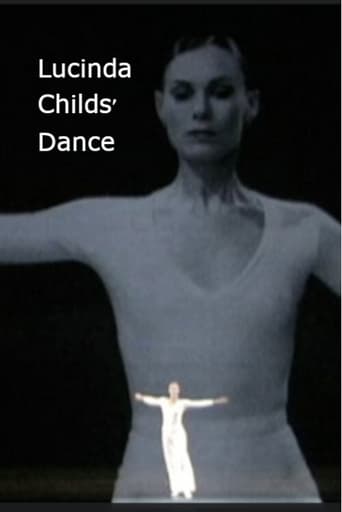 NR
NRA documentary about the American postmodern dancer and choreographer Lucinda Childs. For Dance, a choreography from '79 set to the music of Philip Glass in film/decor of Sol Lewitt, Lucinda received a Guggenheim Fellowship. This masterpiece is the leitmotiv in this documentary. We see Lucinda in NY where she re-stages Dance during the Lincoln Center Out of Doors 2010. We also follow her in Arnhem during the preparations of the piece at Introdans, where it will premiere as a part of ”Sterren en Strepen” (Stars and Stripes). For this show Introdans united the king and queen of modern dance, Hans van Manen and Lucinda Childs, in order to show their pieces together. We will also be speaking to prominent figures from the dance scene about her influence on Dutch modern dance.
Lucinda Childs' Dance
2011
2000s · 17 titles
No synopsis available yet.
Refuge
2006
 6.1
6.1An intimate portrait of poet, painter, musician and singer Patti Smith that mirrors the essence of the artist herself.
Patti Smith: Dream of Life
2008
 10.0
10.0This exhibition focuses on Jonas Mekas’ 365 Day Project, a succession of films and videos in calendar form. Every day as of January 1st, 2007 and for an entire year, as indicated in the title, a large public (the artist's friends, as well as unknowns) were invited to view a diary of short films of various lengths (from one to twenty minutes) on the Internet. A movie was posted each day, adding to the previously posted pieces, resulting altogether in nearly thirty-eight hours of moving images.
365 Day Project
2007
 NR
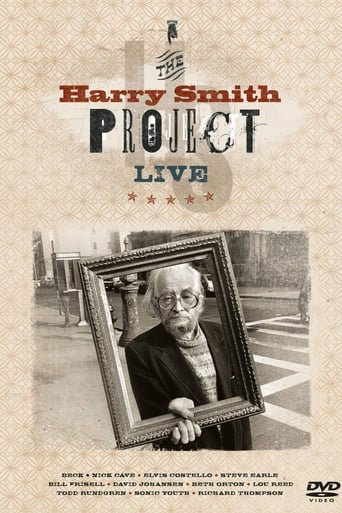
NRHal Willner's Harry Smith Project concerts in London, New York and Los Angeles celebrated the eccentric collector genius and his influential Anthology of American Folk Music. Instrumental in inspiring the urban folk revival of the 1960s, the Anthology's continuing impact on modern music is incalculable. Drawing on this legacy, these landmark shows brought together a remarkable roster of artists performing their own unique interpretations of these classic songs.
The Harry Smith Project Live
2006
 6.2
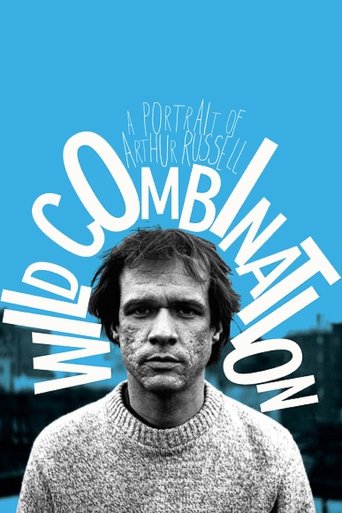
6.2Wild Combination is a visually absorbing portrait of the seminal avant-garde composer, singer-songwriter, cellist, and disco producer Arthur Russell. Before his death in 1992, Arthur prolifically created music that spanned both pop and the transcendent possibilities of abstract art. Now, over fifteen years since his passing, Arthur's work is finally finding its audience. Wolf incorporates rare archival footage and commentary from Arthur's family, friends, and closest collaborators to tell this poignant and important story.
Wild Combination: A Portrait of Arthur Russell
2008
 6.6
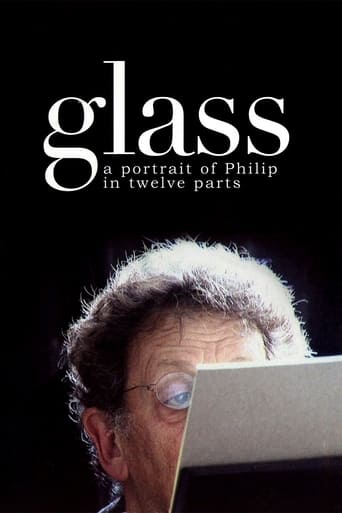
6.6Scott Hicks documents an eventful year in the career and personal life of distinguished Western classical composer Philip Glass as he interacts with a number of friends and collaborators, who include Chuck Close, Ravi Shankar, and Martin Scorsese.
Glass: A Portrait of Philip in Twelve Parts
2007
 NR
NRIn this archival documentary, cinematographer John Bailey, production designer Eiko Ishioka, and composer Philip Glass discuss the conception of Paul Schrader's film, the image of Mishima that they had prior to committing to the project, the manner in which some of his ideas resonated with them, the unusual portrait of Mishima that the film offers, its form and visual style, etc.
Making Mishima
2008
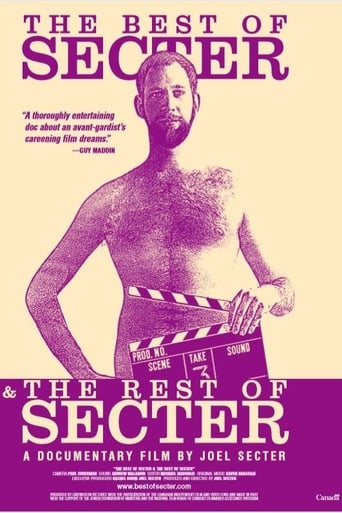 9.0
9.0Tells the story of David Secter, Canada's first acclaimed indie filmmaker.
The Best of Secter & the Rest of Secter
2005
 10.0
10.0The outrageous drag-cabaret duo Kiki and Herb share their past, present and future as they tour the UK. A mixture of live performance and celebrity interviews (featuring Rufus Wainwright and the Scissor Sisters) that reflect on Kiki and Herb's musical influences, fans, politics and family.
Kiki and Herb Reloaded
2005
A short about the making of Powaqqatsi
Powaqqatsi: Impact of Progress
2003
Sculptor and giant of modern art Richard Serra discusses his extraordinary life and work. A creator of enormous, immediately identifiable steel sculptures that both terrify and mesmerise, Serra believes that each viewer creates the sculpture for themselves by being within it. To this end, a Japanese family are reminded of the Temples of Kyoto, a Londoner finds sanctuary in the Serra near Liverpool Street station, and most movingly, a Holocaust survivor sees one piece as a wall separating the living from the dead. Contributors include Chuck Close, Philip Glass and Glenn D Lowry, Director of MoMA.
Richard Serra: Man of Steel
2008
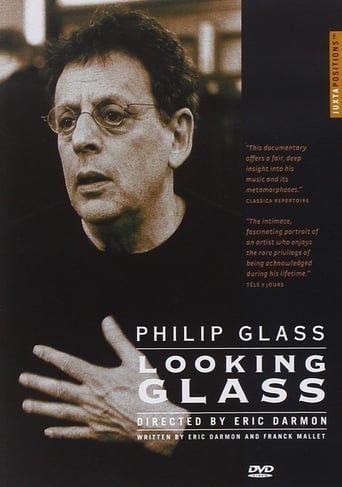 NR
NRThis documentary captures the overflowing energy and activity of one today's greatest composers, Philip Glass, and allows us to follow him from New York to London and from Paris to Boston. He speaks about his beginnings, his moving to Paris for two years of intensive study with Nadia Boulanger, his meeting with Indian musician Ravi Shankar and director Robert Wilson, who had a deep influence on his career. The film also shows him at work on the last details of his opera The Sound of a Voice, directed by Robert Woodruff and conducted by Alan Johnson. Éric Darmon's camera, with its poetic shots and original framings, takes us for a musical journey into seven months of the life of the composer who, rising from the underground scene of the seventies, brought on a revolution in modern theater.
Philip Glass: Looking Glass
2005
 NR
NRA documentary about avant-garde composer Harry Partch.
The Outsider: The Story of Harry Partch
2002
 NR
NRThis was filmed at Anthology Film Archives on May 31, 2000. From the cycle of FIRST FORTY I made in late 2006 as an introduction to my work for my new, Internet audience. All of them are based on my earlier films but slightly, sometimes more than slightly, changed. I consider them works complete in themselves, seperate from the main body of my film work.
Phil Glass Plays for Ralph Steiner's Mechanical Principles
2006
 NR
NRA brief overview and focus on composers Philip Glass, Julia Wolfe, John Cage, Steve Reich, Elliott Carter and their contemporaries.
In the Ocean
2001
 7.0
7.0Filmmaker Godfrey Reggio and composer Philip Glass talk about their 1982 film "Koyaanisqatsi."
Essence of Life
2002
 7.0
7.0Filmmaker Godfrey Reggio and composer Philip Glass discuss their films "Powaqqatsi" (1988) and "Naqoyqatsi" (2002).
Impact of Progress
2002
1990s · 7 titles
8.2In a picture-perfect seaside town, an insurance salesman begins to realize that his entire existence may be staged and observed by a vast unseen audience as part of a long-running real-time reality TV show.
The Truman Show
1998
 5.6
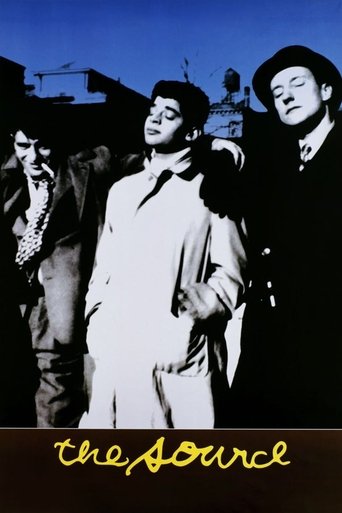
5.6Traces the Beats from Allen Ginsberg and Jack Kerouac's meeting in 1944 at Columbia University to the deaths of Ginsberg and William S. Burroughs in 1997. Three actors provide dramatic interpretations of the work of these three writers, and the film chronicles their friendships, their arrival into American consciousness, their travels, frequent parodies, Kerouac's death, and Ginsberg's politicization. Their movement connects with bebop, John Cage's music, abstract expressionism, and living theater. In recent interviews, Ginsberg, Burroughs, Kesey, Ferlinghetti, Mailer, Jerry Garcia, Tom Hayden, Gary Snyder, Ed Sanders, and others measure the Beats' meaning and impact.
The Source
1999
 NR
NRScenes from the life and work at Anthology Film Archives. Much of the footage in this video was shot by Auguste Varkalis.
Laboratorium Anthology
1999
 6.4
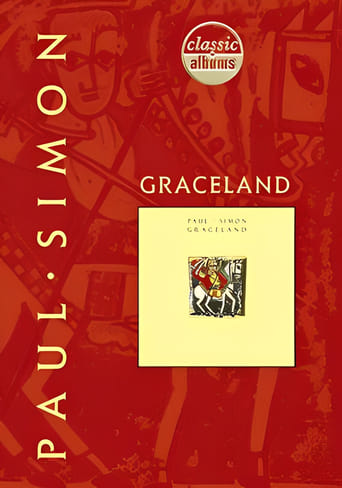
6.4Singer-songwriter Paul Simon had been on the cutting-edge of pop music throughout most of the 1960s and the '70s, first as half of the seminal folk-rock duo Simon & Garfunkel, and then as a well-received solo artist. But the rise of 1980s rock and new wave saw a decline in Simon's commercial success, and the singer responded by experimenting with different musical styles--most notably, world beat--that culminated in his adventurous 1986 masterpiece GRACELAND. The album's fusion of American folk-rock songwriting and buoyant South African rhythms not only broke new ground in pop music, but became Simon's biggest-selling solo record. This episode of the CLASSIC ALBUMS series examines the making of Simon's groundbreaking work through interviews, behind-the-scenes footage, music videos, and live performances of album tracks such as "Boy in the Bubble," "Diamonds on the Soles of Her Shoes," "You Can Call Me Al," and "Under African Skies."
Classic Albums: Paul Simon - Graceland
1997
 9.0
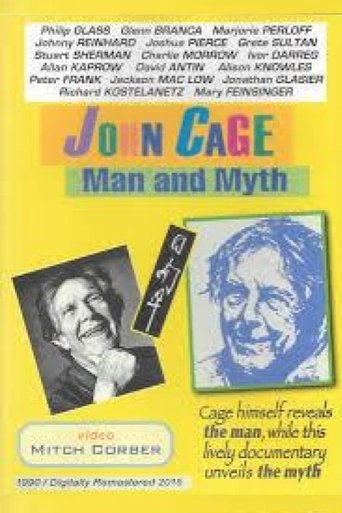
9.0An experimental documentary that looks at its subject John Cage through the eyes of contemporary Avante-Garde artists as well as those who play his music.
John Cage: Man and Myth
1990
 9.0
9.0In this documentary, artist-filmmaker Nicholas Hondrogen asks people to describe memorable moments of their lives. Some, such as Norman Lear and Indian activist Russell Means, talk about religion, while composer Philip Glass and film-producer Irwin Winkler discuss the births of their children. Pastor Jess Moody recalls WW II deaths of his friends, and artist Janice Blake remembers being raped.
Perfect Moment
1997
This film tells the fascinating story of one of the most critically acclaimed careers in independent documentary film making in recent cinema history. This comprehensive overview of Morris' career includes clips of all his important films as well as interviews with collaborators such as Werner Herzog and Phillip Glass.
A Brief History of Errol Morris
1999
1980s · 6 titles
 9.0
9.0Robert Wilson and the Civil Wars is an in-depth documentation of Robert Wilson’s ambitious attempt to stage an epic, twelve-hour, multinational opera for the 1984 Summer Olympics. Filmmaker Howard Brookner follows the avant-garde theatre director as he confronts a hectic work schedule, funding difficulties and relentless international travel in attempt to complete his preparations. The film examines Wilson’s unique theatrical style during The Civil Wars: A Tree Is Best Measured When It Is Down, which involves the continual creation of evocative stage sets, owing to a unique juxtaposition of movement, sound, text and image. Known for his precise, painterly images Wilson’s work derives more from visual art than the orthodox literary traditions of theatre. As a result, Wilson often challenges actors to perform in a boldly minimalist style, as well as collaborating with non-actors, such as young autistic poet Christopher Knowles in Einstein on the Beach.
Robert Wilson and the Civil Wars
1987
 7.7
7.7A television documentary produced for British Television directed by Peter Greenaway about Phillip Glass that is a recording of a performance of the Phillip Glass Ensemble in 1983 with interviews that go in depth of his style and music theory of his signature minimal sound.
Four American Composers: Philip Glass
1983
 9.0
9.0The creative processes of avant-garde composer Philip Glass and progressive director/designer Robert Wilson are examined in this film. It documents their collaboration on this tradition breaking opera.
Einstein on the Beach: The Changing Image of Opera
1985
Two Moon July was a multidisciplinary event that featured experimental video, film, visual art, performance and music in a theatrical framework. More than thirty artists participated in the program, which was produced for the Kitchen by Carlota Schoolman and directed by Tom Bowes.
The Kitchen Presents: Two Moon July
1986
 10.0
10.0This documentary by Michael Blackwood looks at the development and production of Glass' opera Akhnaten. The film follows two productions by the Württemberg State Theater, Stuttgart, and the Houston Grand Opera.
A Composer’s Notes: Philip Glass and the Making of an Opera
1986
 NR
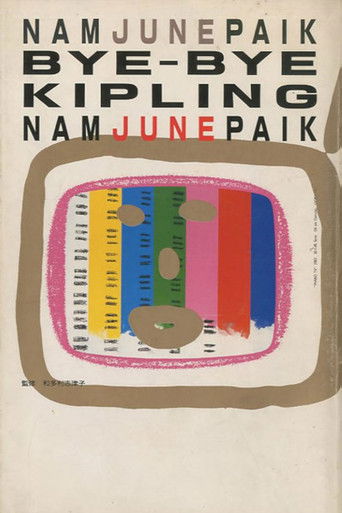
NRThis ambitious live satellite link-up of Japan, Korea and the United States features interviews with Keith Haring and architect Arata Isozaki, and performances and works by Philip Glass and the Kodo Drummers, Charlotte Moorman, Nam June Paik, and Lou Reed. In an extraordinary section, a performance in Japan of classical Western music is accompanied by a group of Kabuki dancers.
Bye Bye Kipling
1986
1970s · 2 titles
 NR
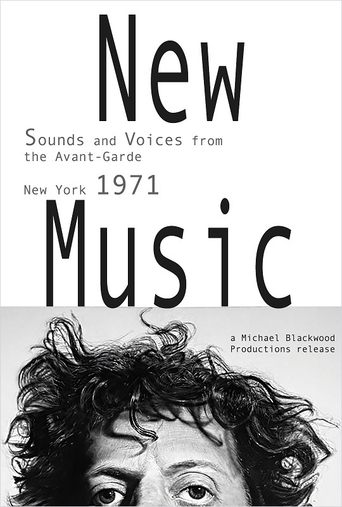
NRWith participation of John Cage, Earle Brown, David Tudor, Gordon Mumma, David Behrman, Max Neuhaus, Morton Subotnik, Phil Corner, Joe Jones, Alvin Lucier, Steve Reich, Philip Glass, Ben Patterson, Wolf Rosenberg In 1971 we produced, in association with West German Television, a documentation on New York’s musical avant-garde. It was broadcast only in Germany at the time. By 2010, after nearly 40 years, it seemed desirable to recycle the performances and interviews with the composers and to create a revealing look back to those years for English-speaking New Music fans. The film offers valuable insights into the nature and issues of advanced composition at the beginning of the 1970s.
New Music: Sounds and Voices from the Avant-Garde New York 1971
1971
 6.0
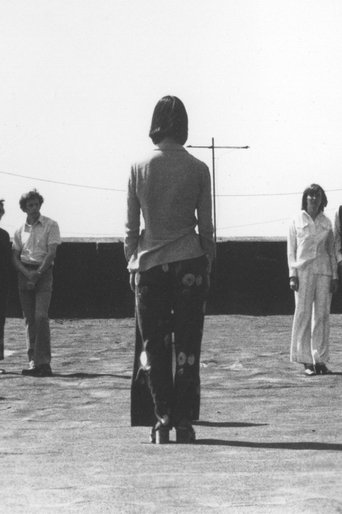
6.0The film is about looking. I bet that slight variations of few recurrent elements would encourage the viewer to free associate and to fantasize a kind of narrative. - BM
What Maisie Knew
1975

Undated · 2 titles
 NR
NRA documentary about the colorful life, times and music of a true original, Louis “Moondog” Hardin, an eccentric blind musician and composer who had far-reaching artistic influence in spite of a deliberate decision to live on the streets of New York City. With a wealth of never before seen archival film, home movies and rare audio recordings, the film is told largely from Moondog’s perspective and features interviews with Moondog’s friends, family, collaborators and musicians who cite him as an influence, including Jarvis Cocker, John Zorn, Chris Stein and Debbie Harry, Damon Albarn, Philip Glass, and many more.
The Viking of Sixth Avenue
—
A documentary about the production of Godfrey Reggio's "Once Within a Time".
The Making of "Once Within a Time"
—
Series credits
6.9A late-night live television sketch comedy and variety show created by Lorne Michaels. The show's comedy sketches, which parody contemporary culture and politics, are performed by a large and varying cast of repertory and newer cast members. Each episode is hosted by a celebrity guest, who usually delivers an opening monologue and performs in sketches with the cast, and features performances by a musical guest.
Saturday Night Live
1975
5.6The South Bank Show is a television arts magazine show produced by ITV between 1978 and 2010. A new series began on Sky Arts from 27 May 2012. Presented by Melvyn Bragg, the show aims to bring both high art and popular culture to a mass audience.
The South Bank Show
1978
7.7A documentary series about pop and rock albums that are considered the best or most distinctive of a well-known band or musician or that exemplify a stage in the history of music.
Classic Albums
1997
7.4The Kennedy Center Honors is an annual honor given to those in the performing arts for their lifetime of contributions to American culture.
The Kennedy Center Honors
1978
6.7A weekly BBC Two magazine programme focusing on the best of the week's arts and culture news, covering books, art, film, architecture and more.
The Culture Show
2004
In 1975, the composer Robert Ashley embarked on an ambitious work titled Music With Roots in the Aether. He called it an opera (or piece of theater, depending on the case) for television. The work is comprised of seven two-hour sections. Each episode is dedicated to investigations, interviews, and performances of one of his peers – David Behrman, Philip Glass, Alvin Lucier, Gordon Mumma, Pauline Oliveros, and Terry Riley, respectively, with the final reserved for himself.
Music with Roots in the Aether: Opera for Television
1976
 NR
NR'Tea with Tosh' was a cable public access TV chat show that aired from 1986-87. Hosted by Tosh Berman and featuring guests such as Philip Glass, Russ Tamblyn, Carole Caroompas, and Michael Silverblatt. All 20 episodes are available on Tosh Berman's YouTube channel.
Tea with Tosh
1986
Behind the camera
 8.3
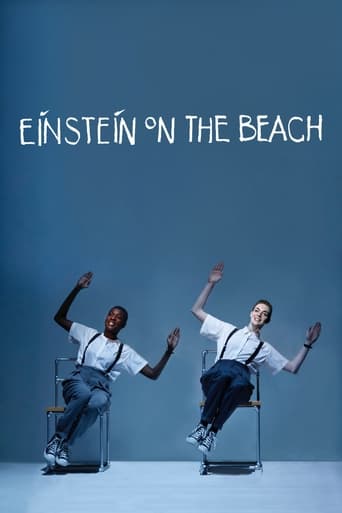
8.3This seminal work of avant-garde opera from composer Philip Glass and director Robert Wilson arrives full-circle, coming to France, the site of its 1976 Avignon Festival world premiere, at the tail end of this 2014 revival tour for a landmark Theâtre du Châtelet production and a first ever filming by award-winning arts filmmaker Don Kent. Eschewing conventional narrative, the opera revolves loosely around pacifist Einstein’s relationship to the creation of the atomic bomb.
Einstein on the Beach
2014
 9.0
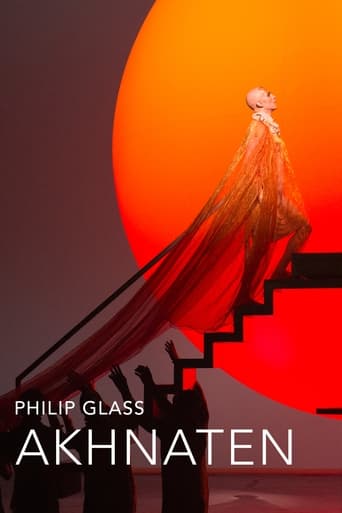
9.0Philip Glass’ opera “Akhnaten”, premiered in Stuttgart in 1984, forms the third part of the portrait opera trilogy about personalities who have influenced the course of human history. The conclusion of the trilogy deals with the ancient Egyptian pharaoh Akhenaten, who attempted to establish a kind of monotheistic cult around the god Aton during his reign in the 14th century BC, but failed due to the resistance of the priesthood. The production presented here was undoubtedly one of the very great successes of the 2019/20 season at New York’s Metropolitan Opera, due not only to the outstanding cast of singers (led by countertenor Anthony Roth Costanzo) but also to Phelim McDermott’s imaginative staging, which captivates with sometimes breathtaking imagery.
The Metropolitan Opera: Akhnaten
2019
 10.0
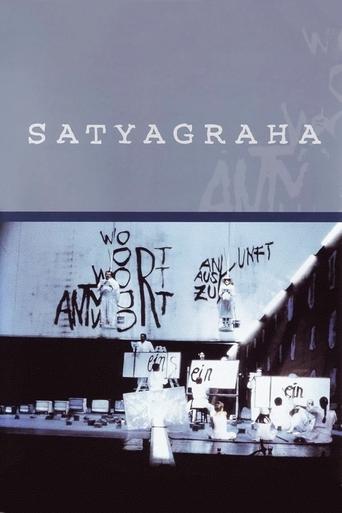
10.0This luminous, visionary opera tells the story of how Mahatma Gandhi developed the philosophy of satyagraha, nonviolent active resistance, as a political revolutionary tool to fight oppression, connecting his lifework to three historical figures who advanced his philosophy: the celebrated Russian writer Leo Tolstoy, the great Indian poet and philosopher Rabindranath Tagore and the heroic American civil rights leader Martin Luther King. The libretto is comprised of passages from “The Bhagavad-Gita,” India’s greatest philosophical epic, and perfectly complements Glass’ ravishing score, mysteriously transporting the audience with a serene power and an all-encompassing sense of peace.
Philip Glass: Satyagraha
1983
 8.0
8.0Following the success of his first foray into opera, Einstein on the Beach, revolutionary American composer and musician Philip Glass soon turned to another great figure of the 20th century for inspiration. Set to lines from the Hindu Bhagavad Gita, Satyagraha depicts scenes from the life of Gandhi as he developed his philosophy of non-violent resistance in South Africa between 1896 and 1913. The opera became the second installment of Glass’s Portrait Trilogy, focused on innovators from across history. Satyagraha arrived at the Met during the 2007–08 season, when director Phelim McDermott made his debut with a production that employed everyday materials like newspaper and corrugated tin to create towering puppets and striking tableaus. In 2011, his staging returned, this time recorded live in HD. In this performance, tenor Richard Croft gives a moving performance as Gandhi, leading a remarkable ensemble cast conducted by Dante Anzolini.
Philip Glass: Satyagraha
2011