
Sound
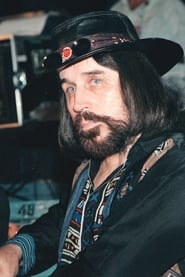
Czesław Niemen
Born — Died
1939-02-16 — 2004-01-17
Place of birth
Stare Wasiliszki, Belarus
Known for
Sound
Credits
8 titles
Czesław Niemen (born Czesław Juliusz Wydrzycki; February 16, 1939 – January 17, 2004) was a distinguished Polish singer-songwriter and rock/folk/jazz/electronica musician who made a name for himself in a variety of genres, instruments, and roles. Niemen was born in a Polish village in what is now Belarus. He studied at a music school in Grodno for a year to study the Russian accordion (баян) when he was young, but he was thrown out for not attending classes. His musical activities didn’t start again until he was in his 20s, after he lived through World War II and his repatriation into Poland after his hometown became part of Belarus. He began playing the guitar, teaching at a music school, …
Known for
 NR
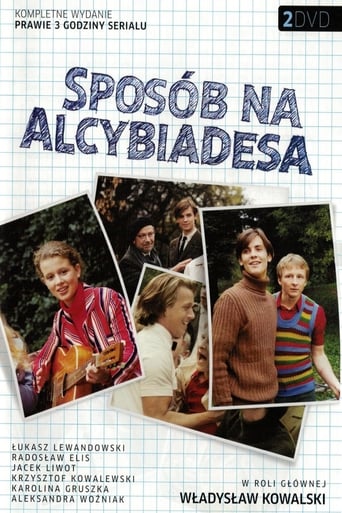
NRAn adaptation of Edmund Niziurski’s novel of the same title.
Sposób na Alcybiadesa
2001
Zofia is an elderly woman living in an retirement home. Separate from the rest, she talks seldom and then only about visiting her daughter's family for Christmas. When she comes to her daughter's home unannounced, her stay is spoiled by the damage to her son-in-law doctorate bookmarks which she removed unknowingly during dusting. She then spends Christmas in an empty restaurant, surrounded by waiters and musicians waiting to be tipped.
Zofia
1976
No synopsis available yet.
Czesław Niemen
2008
 7.3
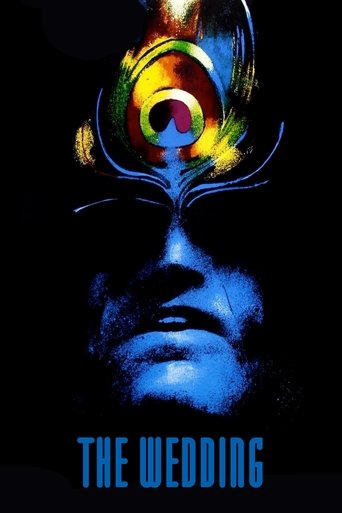
7.3Set at the turn of the century, the story concerns a Polish poet living in Cracow who has decided to marry a peasant girl. The wedding is attended by a heterogenous group of people from all strata of Polish society, who dance, get drunk and lament Poland's 100-year-long division under Russia, Prussia, and Austria. The bridegroom, a painter friend, and a journalist each in turn is confronted with spectres of Polish past.
The Wedding
1973
 NR
NRCzeslaw Niemen, who died ten years ago, was an icon for several generations of Poles. In Poland under communism he managed to raise popular music to the rank of true art; he also won renown abroad. He was born in 1939 in Stare Wasiliszki (today's Belarus) and his biography was largely shaped by the tempestuous history of this part of Europe. The film is a portrayal of the charismatic musician, made up of unique archive materials and reminiscences of his family and friends.
A Dream of Warsaw
2014
 4.3
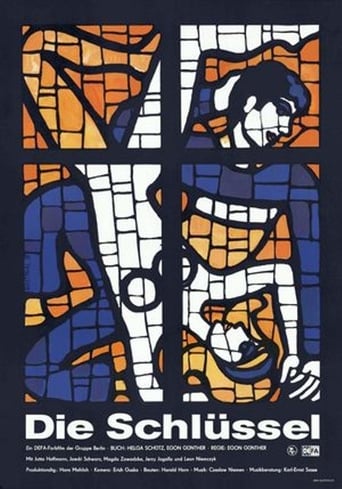
4.3During their holiday in Kraków, a young worker and a student are asked if their love, despite different views on life, will endure.
The Keys
1974
Film credits
1970s · 4 titles
Zofia is an elderly woman living in an retirement home. Separate from the rest, she talks seldom and then only about visiting her daughter's family for Christmas. When she comes to her daughter's home unannounced, her stay is spoiled by the damage to her son-in-law doctorate bookmarks which she removed unknowingly during dusting. She then spends Christmas in an empty restaurant, surrounded by waiters and musicians waiting to be tipped.
Zofia
1976
7.3Set at the turn of the century, the story concerns a Polish poet living in Cracow who has decided to marry a peasant girl. The wedding is attended by a heterogenous group of people from all strata of Polish society, who dance, get drunk and lament Poland's 100-year-long division under Russia, Prussia, and Austria. The bridegroom, a painter friend, and a journalist each in turn is confronted with spectres of Polish past.
The Wedding
1973
4.3During their holiday in Kraków, a young worker and a student are asked if their love, despite different views on life, will endure.
The Keys
1974
No synopsis available yet.
Niemen
1976