
Known for
 8.2
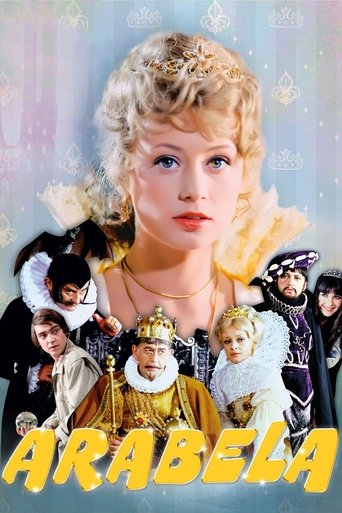
8.2Arabela was a children's television series produced in Czechoslovakia which aired from 1979 to 1981. The series has 13 episodes and is in the Czech language.
Arabela
1980
 8.0
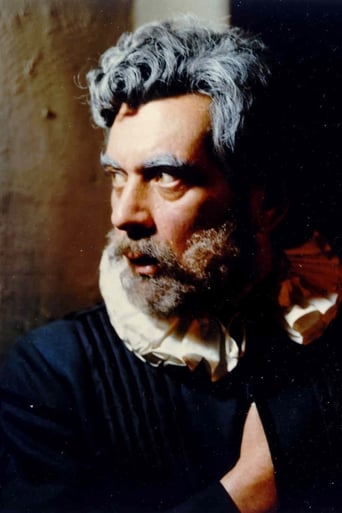
8.0Series about the life of Renaissance anatomist, scholar and politic Johannes Jessenius. Already legendary series today, was produced by Czechoslovak Television Bratislava, directed by Slovak director Miroslav Luther in the first half of 80's in Barrandov Studios in Prague. The story and screenplay of the series wrote Czech writer Vladimír Körner. Five-episodes epic historical narration is a biographical story of distinguished Renaissance scholar, anatomist and politic of Slovak origin, Johannes Jessenius (Ján Jesenský, 1566–1621). It displays his life from the first studies and successes. In 1594 he became professor of surgery and anatomy on Wittenberg University, which he had attended years before. From that moment, his life went through social and personal wins and losses, to the sad end on the Prague Old Town Square gallows, among 27 noblemen, knights and burgenses, after lose Bohemian Revolt in 1621. His destiny was coupled with key events of Czech history in the break of 16th and 17th century, when Renaissance and European humanism slowly fade out.
The Physician of a Dying Time
1984
 6.1
6.1An historical depiction of the events preceding the political murder of Archduke Franz Ferdinand, would-be emperor of the Austro-Hungarian throne, in Sarajevo on June 28th, 1914.
The Day That Shook the World
1975
 8.5
8.5No synopsis available yet.
Slovácko sa nesúdí
1976
No synopsis available yet.
Třetí patro
1986
No synopsis available yet.
Přísahám a slibuji
1990
Film credits
1990s · 10 titles
 7.3
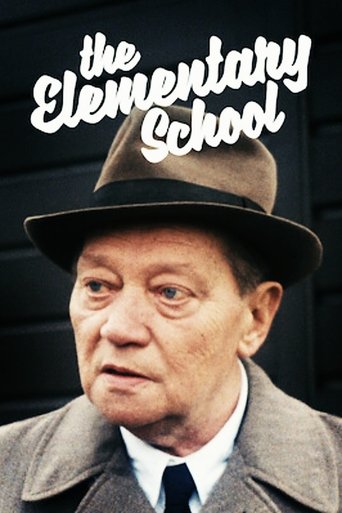
7.3The time is 1945-46. 10 year old Eda and his friend Tonda live in a small village outside Prague. In school, their class is so wild and indisciplined that their teacher quits and is replaced by the militant Igor Hnidzo. He is very strict – but also very fair. His weakness though, is his interest in young women.
The Elementary School
1991
Loosely inspired by a real criminal court case. It took place in Prague and the Tatra Mountains between 1926 and 1928 and was later described as one of the biggest, if not the biggest, cases the pre-Munich Republic had ever seen. Nevertheless, the police and judiciary at the time failed to clarify and close the case in such a way that it would not raise legitimate questions long after the trial had ended. Even though the court handed down its verdicts, the case remained open in a way, and this is also reflected in the script, which remained faithful to the facts in its basic outline," says screenwriter Václav Šašek, author of the two-part television production The Trial of the Martyn Murderers...
Proces s vrahy Martynové
1998
 5.7
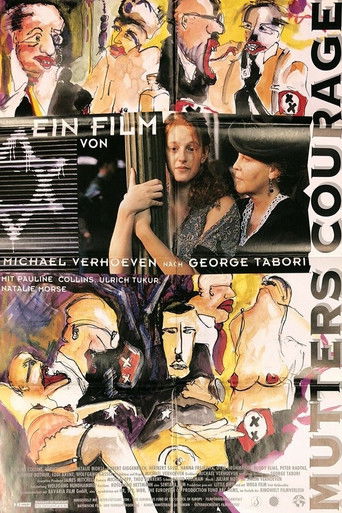
5.7The deportation of 4000 Jews from Budapest to Auschwitz in July 1944, as told by George Tabori, and how the narrator’s mother escaped it, owing to coincidence, courage and some help from where you’d least expect it.
My Mother's Courage
1995
 6.2
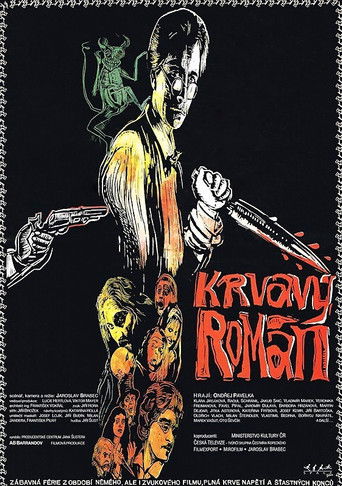
6.2The distinctive artist, typographer, and writer Josef Váchal is known to the public primarily for his Blood Novel. The surrealistic exuberance of this defense of 19th-century pulp fiction caught the attention of Jaroslav Brabec and his colleagues, who found a corresponding image of 20th-century "trash." The authors' interest focuses primarily on the silent film era, with a journey through the history of cinema continuing through the advent of sound film to the present day (auteur cinema of the 1960s, modern horror), formally employing techniques such as tinted film. The versatile parody intertwines a colorful plot with the story of the author (Váchal/Paseky), who comments on and creates his book, and is further split in the plot into the characters of Fragonard and the Master. As with Váchal, reality increasingly enters the fiction, so that the only "happy ending" turns out to be the artist's finished work.
Horror Story
1993
 4.0
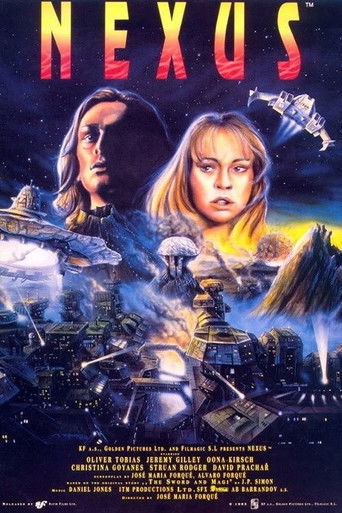
4.0This international co-production, shot at Barrandov Studios with international cast including Czech actors is an attempt to create a sci-fi fantasy in the tradition of Star Wars and Star Trek. Sometime in the distant future, several earthlings turn up on a strange planet ruled over by a despotic ruler with magic powers. A young earth-man initiates a successful uprising.
Nexus 2.431
1994
No synopsis available yet.
Maryša
1991
No synopsis available yet.
Merlin aneb Pustá zem
1991
A tragicomic story about the "hug" that all the characters long for, especially sociologist Oskar, an indecisive loser whose daily bizarre encounters with old people in nursing homes lead to feelings of futility, emptiness, and loss of vital energy, which reinforce his refusal to bring a child into this meaningless world. However, his wife's desire for motherhood grows.
Skús ma objať
1991
 4.2
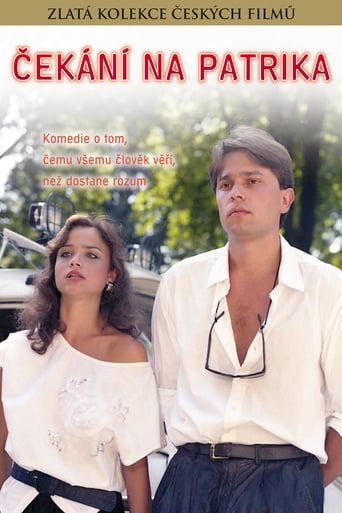
4.2Helenka, a textile industrial student, invents an ideal man who is the envy of all her friends. The dreamy and delusional Helenka resists her complexes with an imaginary lover, her more realistic friend Zuzka would also prefer the dreamy Patrik, but in the end she will probably be happy with the less ideal Honza, and the self-confident vulgar nymphomaniac Sylva flies from one lover to another like a butterfly, finally as she was the only one waiting for her dream Patrick.
Waiting For Patrick
1990
 6.4
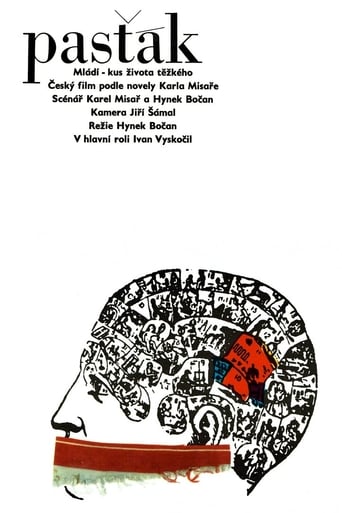
6.4A young teacher is sent to a rural reform school, where he is faced with brutality of the inmates.
The Borstal
1990
1980s · 22 titles
 6.1
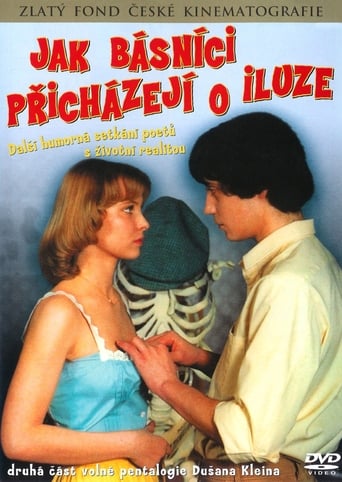
6.1A story about a young medical school student and his adventures.
How Poets Are Losing Their Illusions
1985
Josef Laufer portrays Egon Erwin Kisch in two daring journalistic adventures: in “Zuřivý reportér,” Kisch goes undercover in a poverty lodging house, uncovers a tattoo’s dark backstory and deciphers a secret telegram hinting at war via the legend of the black rose; in “Lovci senzací,” he pursues sensational leads and exposes hidden truths, proving why he was rightly called “the raging reporter.”
Zuřivý reportér
1988
No synopsis available yet.
Naděje má hluboké dno
1989
 6.2
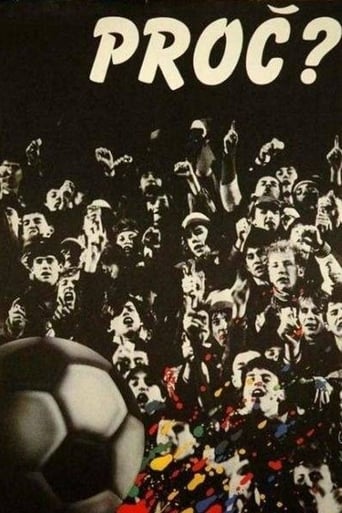
6.2Why? (Czech: Proč?) is a 1987 Czechoslovak drama film directed by Karel Smyczek. It was screened in the Un Certain Regard section at the 1988 Cannes Film Festival. The film deals with the hooliganism in Czechoslovakia, particularly with the fans of football club Sparta from Prague, whose supporters were the pioneers of the football fan riots in Czechoslovakia, starting with hooligan actions already in the 1960s, like breaking the trains in which they travelled when they went on Sparta's away games. The film deals with one of such episodes
Why?
1987
 7.7
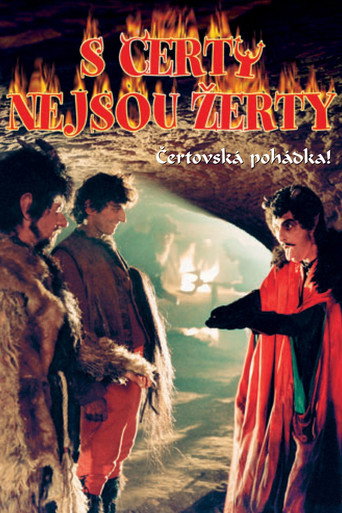
7.7Dorota, a bad woman married the miller, out of sheer greed drives him to death. She then took the mill away from his son Peter and threw him out of the home. Lucifer, who is known to rule in hell, sends out the devil Janek. He is supposed to fetch Dorota because the measure of her earthly sins is overflowing. But the devil himself can not handle this evil woman and flees to the military. There he meets Peter. By joining forces, they finally succeed in transporting the wicked Dorota to hell. Since then hell is hell. But for Peter, who is suddenly in possession of a magic mantle, begins a nice time, because strangely, the prince shows great interest in him.
Give the Devil His Due
1985
No synopsis available yet.
Snídaně v pánském pyžamu
1980
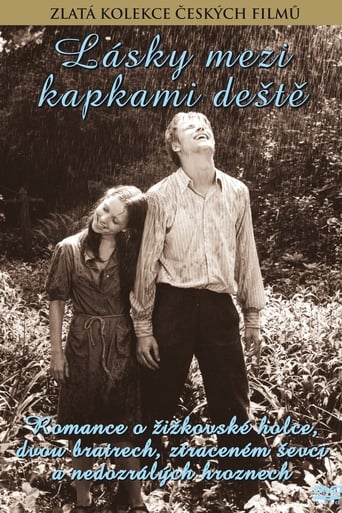 6.4
6.4Set in Prague during the years leading up to World War II, this family saga tells the story of a cobbler named Vincenc Bursik (Vladimir Mensik), who uproots his clan from the country to the city, only to suffer the loss of his wife and the failure of his shoe business within months. When his daughter moves away to go live with a wealthy businessman as his mistress, Vincenc is left to take care of his two sons, who spend their days in a secret garden vying for the affections of a teenage girl.
Love Between the Raindrops
1980
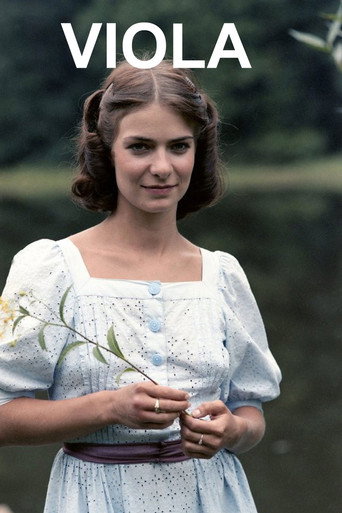 9.0
9.0No synopsis available yet.
Viola
1986
No synopsis available yet.
Otázka cti
1987
A directors autobiography about his debut during the rise of socialism.
Narozeniny režiséra Z. K.
1988
 4.0
4.0During the First World War, the crooks Scholef and Krumka sell weapons on the black market. After the collapse of the monarchy they try their hand at speculation on a grand scale.
Šílený kankán
1983
The unlucky cultural officer of a spa facility gets involved in compromising situations against his will - and he was originally only after a recommendation to study at an art school.
Od vraždy jenom krok ke lži
1983
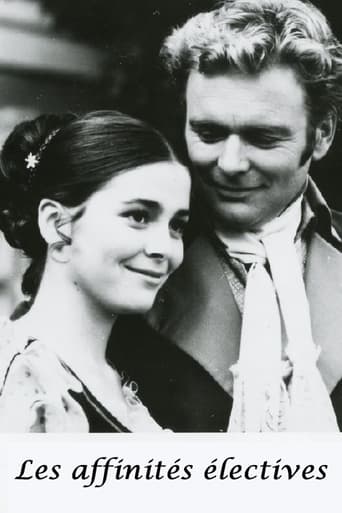 5.5
5.5On the outskirts of Weimar, Edouard and Charlotte, an aristocratic couple united after both becoming widows, invite two guests to their home: a childhood friend of Edouard's called the Captain, and despite Charlotte's ominous premonition, Ottilie, Charlotte's beautiful and orphaned niece...
Elective Affinities
1983
No synopsis available yet.
Santa Lucia
1985
 10.0
10.0How it will end? Let's just tell you that on one side of the mountain, the stream that had run before it dries up, and on the other side of the mountain, the creek starts to breathe.
The Secret of the Devil's Pocket
1981
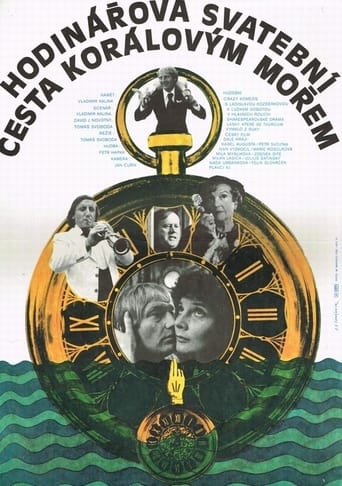 8.0
8.0This wacky musical comedy builds on absurd ideas, parodic humour and many variously subverted references to famous...
Hodinářova svatební cesta korálovým mořem
1980
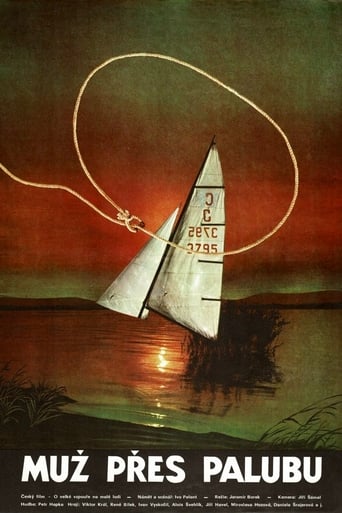 3.8
3.8Ten-year-old David joins a sailing club. He trains hard and helps repair the sailing boats, but people have to take turns actually sailing. The club chairman Vala wants David to sail with his son Olda. Olda's previous team mate Béda has grown too fast, but with little David Olda could win a place on the regatta to Finland. Olda is arrogant and accustomed to winning with little effort; he bullies David and calls him "Greenhorn". He makes David his servant and blames him when things go wrong.
Man Overboard
1981
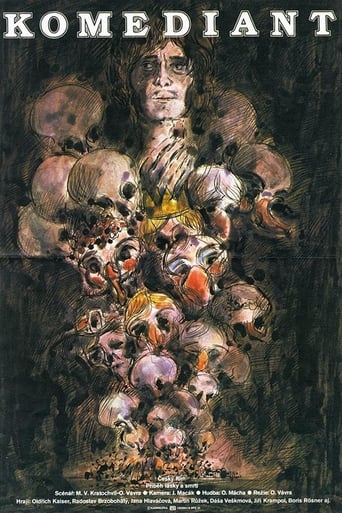 6.0
6.0Saxony, devastated by the Thirty Years' War, is led by the comedy troupe of the principal Fortunato. The student Vavrinec has fled Bohemia and greatly values the text of Shakespeare's tragedy Romeo and Juliet, which he has acquired on his wanderings around the world.
Komediant
1984
No synopsis available yet.
Adieu, mládí
1986
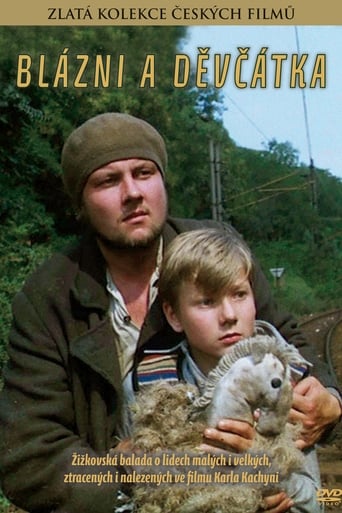 6.3
6.3A coming of age drama about a young boy Jirka who lives in Prague.
Fools and a Girl
1988
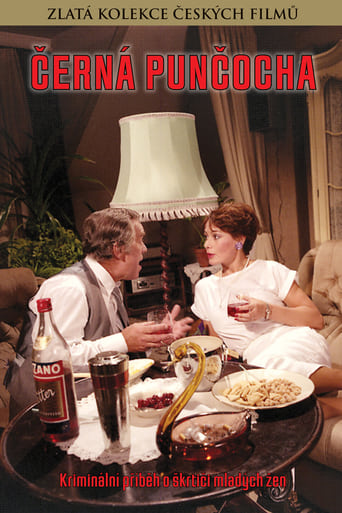 4.9
4.9An elderly tailor strangles young women with a black stocking. Inspired by a true crime.
Černá punčocha
1987
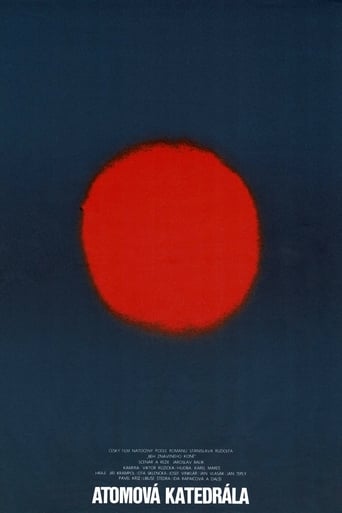 5.7
5.7The construction of a gigantic facility such as the Dukovany nuclear power plant requires only the most capable experts. Such is the engineer Hlaváč, who has been involved in the project from the very beginning as a construction manager. He has to deal with many problems, especially the lack of manpower. He is unfairly demoted to a lower position due to the intrigues of his subordinates and the alibi of the management, but time proves him right and by the time the plant is inaugurated, he is once again the main manager. But the demanding job takes its toll, his heart cannot withstand the frantic pace of work...
Atomová katedrála
1985
1970s · 19 titles
6.1An historical depiction of the events preceding the political murder of Archduke Franz Ferdinand, would-be emperor of the Austro-Hungarian throne, in Sarajevo on June 28th, 1914.
The Day That Shook the World
1975
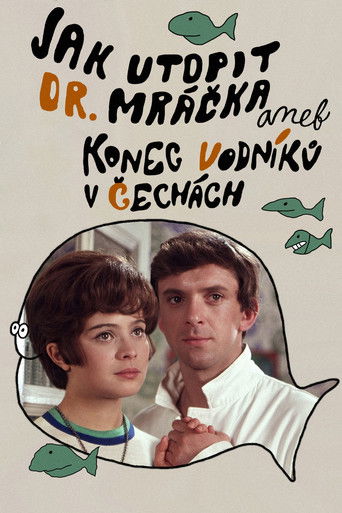 6.6
6.6There are still water spirits among us. One group lives in Prague, led by Mr. Wassermann, who is using his wife's family as a servants. All they need is their old house near the river. But the house is to be demolished. They have to stop it. And the only way is to drown Dr. Mrácek, who is responsible for the demolition. But he falls in love with Wassermann's niece Jana. He changes to fish, is mistaken for water spirit from Germany, is drowned and revived again. The other problem is the flour with ears... and so on...
How to Drown Dr. Mracek, the Lawyer
1975
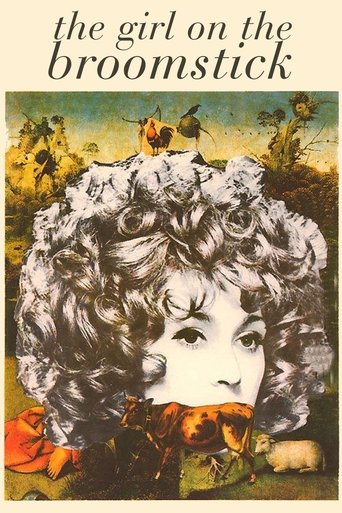 7.0
7.0A teenage witch escapes to the world of humans rather than endure a 300-year detention, and causes chaos in a small Czechoslovakian city.
The Girl on the Broomstick
1972
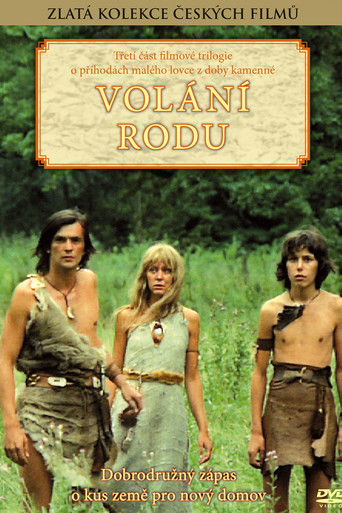 8.5
8.5Third movie of the famous Czech adventure trilogy: Osada Havranů Na veliké rece Volání rodu
House Call
1979
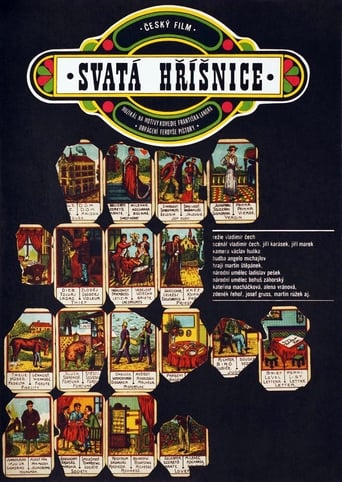 7.0
7.0In the Prague Old Town and the adjoining streets there is always plenty of life. Housewives shop, beggars arouse sympathy, the Salvation Army tries to put the godless on the road to salvation by hymns and sermons, and Ferdys Pistora hunts in the pockets of his fellow men and isn't even put off by the presence of an officer of the law. Ferdys sets off to burgle villa of the banker Rosenstok, but a fire breaks out in the house and Ferdys ends up saving the banker's two small children. For this he is celebrated as a hero and gets a place as an errand boy with the Rosenstoks. At home he is visited by representatives of the Salvation Army, Captain Kosterka and Terezka, with whom Ferdys instantly falls in love.
Svatá hříšnice
1970
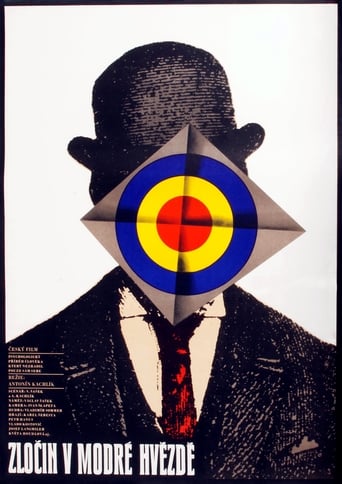 8.5
8.5It is 1920, political unrest is growing in Prague and the Social Democrats are about to betray their historic mission by prioritising their own selfish interests instead of those of the working class. An extortionist scandal falls on the Social Democratic deputy Jandák, forcing him to renounce his convictions. Under these circumstances, the seriously ill Hungarian revolutionary Kerekes, who had to flee his homeland, is hiding in Prague...
Zločin v Modré hvězdě
1974
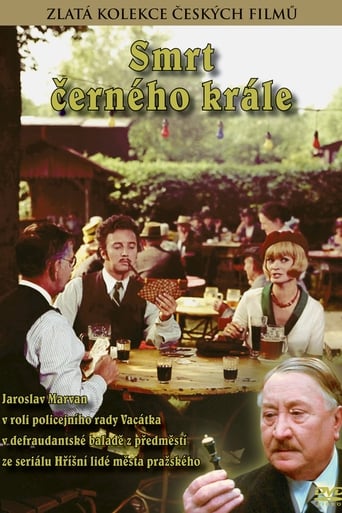 5.2
5.2Prague in the 1930s. A young, pretty girl gets on a crowded tram. She immediately catches the attention of a young man who not only appreciates the girl's charm, but also tries to steal her handbag discreetly. And so we meet one of the main characters of the film, a swindler, pickpocket and generally strange being Josef Kořínek alias Pépi. In addition to him, the story is populated by other characters from the Prague outskirts. Of course, the film also features the shrewd councilman Vacátko and his inseparable investigators Brůžek and Bouše. They have a sad duty - to track down the murderer of the collector Krále, who was found dead and who lost a sum of money on the way from the bank that could interest many people from his surroundings...
The Death of Black King
1972
 4.2
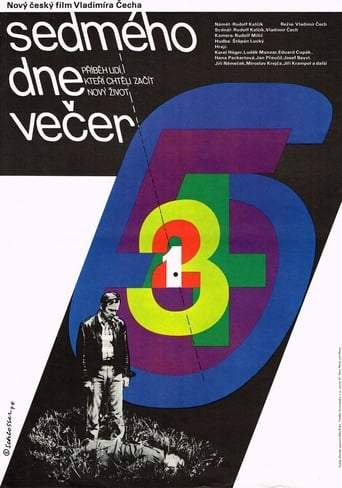
4.2A former aircraft mechanic wants to start a new life in a small border village after a stint in prison and working in the mines. But things don't work out as he would have liked and bad luck follows him. By an unfortunate coincidence, he even falls under suspicion of double murder...
Sedmého dne večer
1975
 8.0
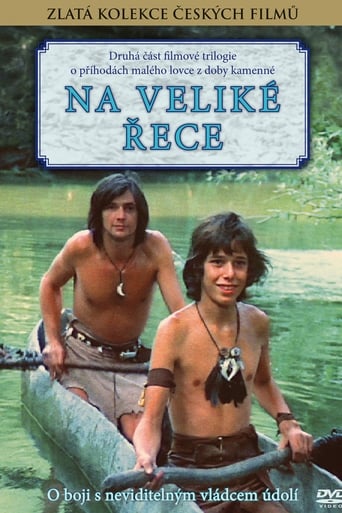
8.0Second movie of the famous Czech adventure trilogy: Osada Havranů Na veliké rece Volání rodu
On the Great River
1978
 6.0
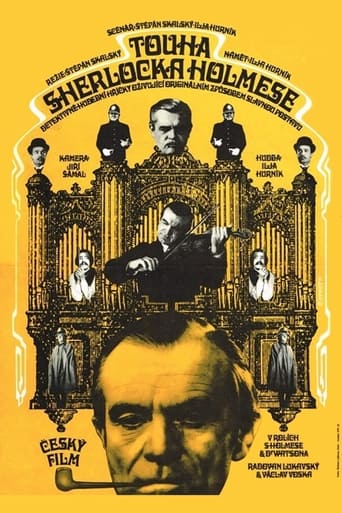
6.0Sherlock Holmes likes to play violin and expects a great career in music. He gets a place in a spa orchestra, but he is again and again distracted by criminal cases. Therefore he is the only one who does not see that his violin has no future. He solves the criminal mysteries in passing but the final test shows that the famous detective is tone-deaf.
Touha Sherlocka Holmese
1972
 10.0
10.0A divorced engineer is preparing "accidental" meeting between his eleven years daughter and his fiancé.
Sunday Father
1971
 9.0
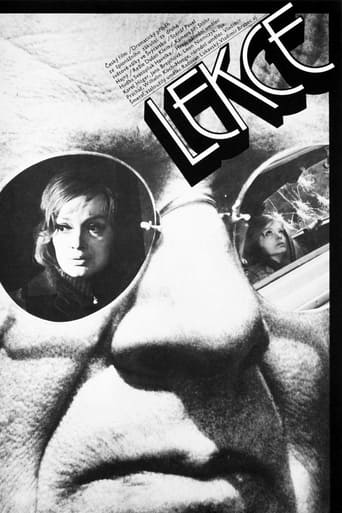
9.0During World War II, a German university professor creates a spy ring that supplies the Allies with information about Nazi plans...
Lekce
1972
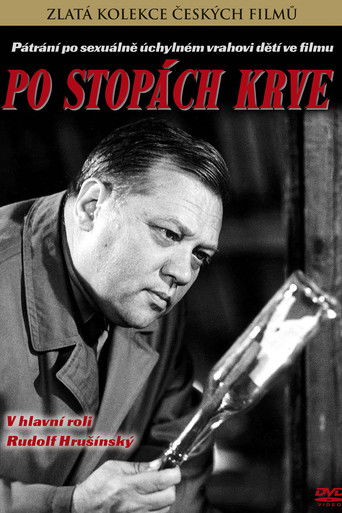 5.2
5.2Major Kalas from the Prague criminal intelligence service has been sent to a small town of Dubá in North Bohemia to help with the investigation of the puzzling death of a child. A gypsy boy has been killed three weeks ago and his body found under a rock. As the investigation continues, another dead boy is found. The boy has bled to death after someone cut his artery with a handsaw. Both deaths are obviously the work of a murderer - a perverted pedophile, sadist who gets sexual satisfaction from the sight of a young boy's blood.
On the Trail of Blood
1970
 7.2
7.2First movie of the famous Czech adventure trilogy: Osada Havranů Na veliké rece Volání rodu, based on the works of Eduard Štorch and directed by Jan Schmidt. Each of the films is a completely separate and self-contained story, although they are all connected by some characters and, of course, by time - five thousand years ago. The story of the Ravenpiercer, a young hero from the Stone Age, is shrouded in mystery - for he was brought there by a swollen river. He was fished out of the waves by a young hunter, Sokol, and adopted by the Raven village. The fate of the boy from his childhood through his desire to become a hunter, through the many disappointments that await him among the adults, to the founding of a new family - this is the plot thread connecting the individual parts.
Settlement of Crows
1978
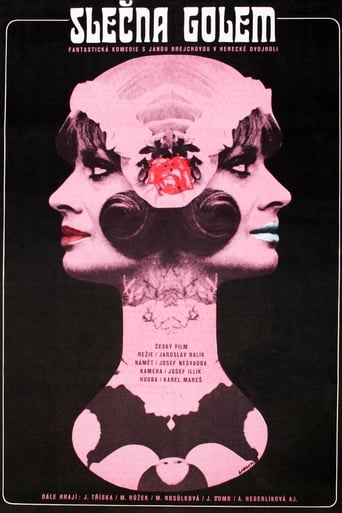 4.2
4.2It is the 1920's. The good-looking hostess Věra demonstrates household robots to visitors of the Futurum exhibition. Young inventor Petr comes to her rescue when she tries to flee from two men wanting to take her away. Věra confesses that she has fled from home because her father, a factory owner, wanted to profitably marry her off. Petr is fascinated by the emancipated woman and shows her round his laboratory, where he plans to create a robot of his own - but one that would be far more advanced. Věra cuts herself on a broken test-tube and a drop of her blood gets in the solution. In the morning, they are taken aback to see Věra's double. This lucky chance has helped Petr create an artificial being, Miss Golem. She has a single motive for her actions: to take care of Věra and allow her to do only what is good for her.
Miss Golem
1973
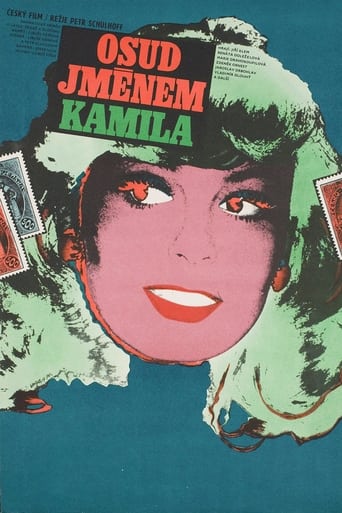 4.2
4.2Tomáš, an unscrupulous Prague taxi driver who is involved in stealing antiques and smuggling them abroad, lives with his devoted mistress, but he is always thinking of his destined love, Kamila, who has emigrated to Switzerland. It is for her that he plans a robbery of a rare stamp, which he convinces his naive brothers to commit. The seemingly simple theft goes wrong and almost ends in the death of an innocent man. The planned escape across the border, in which a slick Swiss businessman plays a key role, also fails...
Osud jménem Kamila
1974
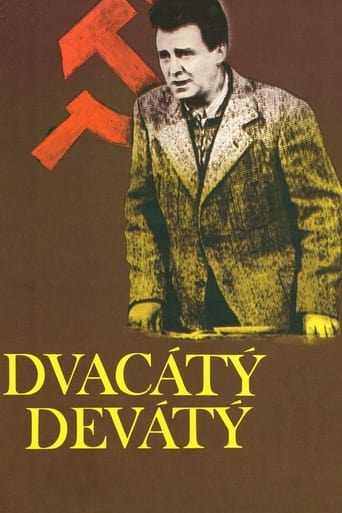 6.0
6.0In the era of normalisation, a number of (pseudo)historical films were made, even described as reconstructions, which glorified the world-building mission of the Communist Party and attributed to it exclusively humanitarian intentions ("Days of Betrayal", "Sokolovo", "Liberation of Prague", "The Victorious People"). In 1929, when its fifth congress met, Klement Gottwald, who had taken the line of the Russian Bolsheviks, took over the leadership of the Communists...
Dvacátý devátý
1975
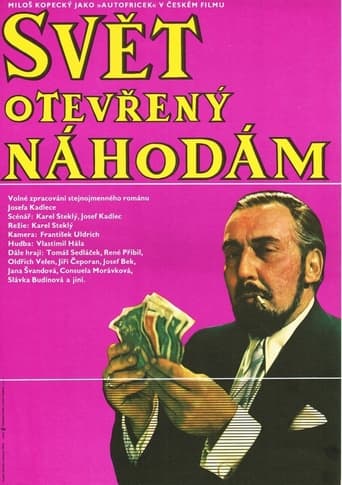 10.0
10.0An unemployed young man in the second half of the 1930s, he tries various ways of making a living and, under the influence of a group of communist youth, eventually goes to Spain as an inter-brigadista...
Svět otevřený náhodám
1972
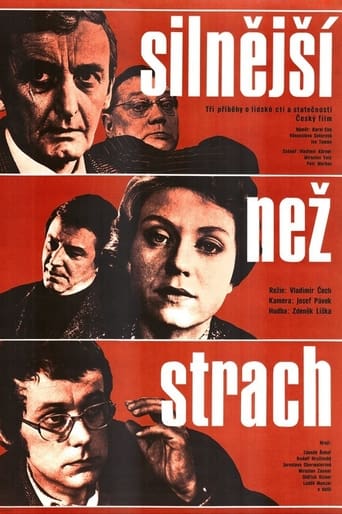 9.0
9.0A short story film in which the first story takes place at the end of the German occupation, when a resistance fighter is arrested while transporting leaflets. The second story takes place in the 1950s at a cattle shed. The final episode tells the story of a doctor terrorized by fleeing criminals.
Silnější než strach
1979
1960s · 9 titles
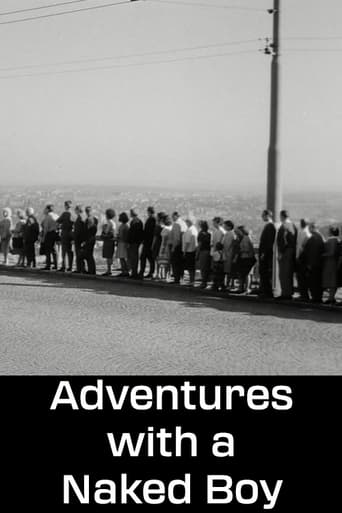 4.0
4.0A man boards on a tram together with a naked boy. Somebody has stolen the boy's clothes when he was out bathing, leaving him with not even change for the tram. The man has taken care of him and is taking him home. At first nobody notices them but as soon as the people realize they are seeing something out of the ordinary they begin to react to the situation. Some are content with the simple explanation as to why the boy is naked. Others are agitated, for they see the whole situation as something unseemly. An ordinary incident, which might have been passed over in silence, results in a heated argument that turns into a fight. More and more people join in the fight until the police are forced to intervene.
Adventures with a Naked Boy
1965
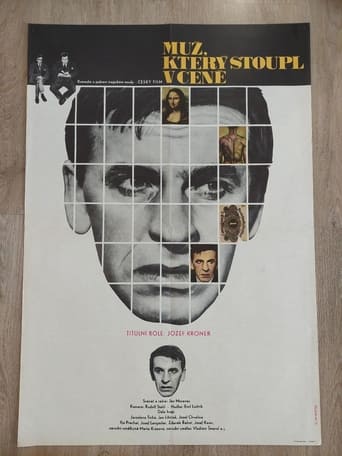 9.0
9.0Mr. Benda, a married father of two children, works for a company that liquidates old banknotes. After one drunken party, he is visited by a painter who tattooed his back in drunkenness the previous night. The image tattooed on Benda’s back is considered the painter’s best work by the professionals.
A Man Who Rose in Price
1968
 6.3
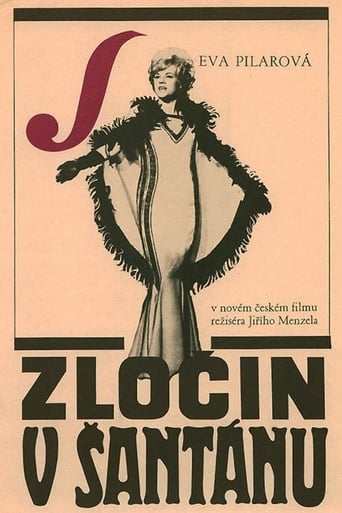
6.3The theft of a pearl necklace and subsequent murder took place at the Tartaros cabaret. All this could compromise the minister, who is an admirer of the singer Clara. The real culprits must be found as soon as possible...
Crime in the Night Club
1968
 7.3
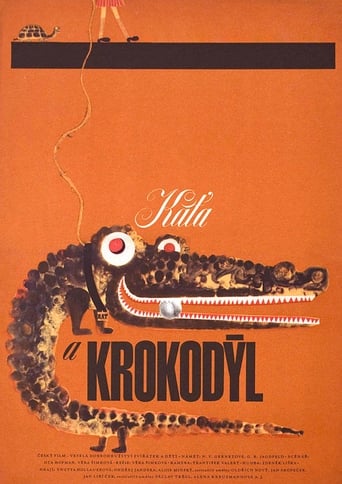
7.3It is the summer holiday and little Mísa Horák has taken a few animals from the school's so-called "Corner of Living Nature" home to care for. But when he brings home two Angora rabbits, a starling, a little monkey, a tortoise and a small crocodile, his parents order him to take them away. He is helped by Káta, who offers to place the animals in the child's room of her family's apartment. Mísa leaves for her friend where the animals will hopefully be able to stay. Káta goes shopping. In the meantime, Káta's younger sister Minka wakes up and begins to play with the animals, who gradually run off in disarray.
Katya and the Crocodile
1966
 9.0
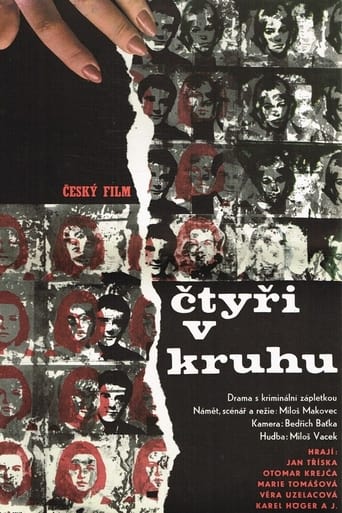
9.0This drama with a criminal plot is a study of the intricately intertwined relationships of four people whose lives have been interrupted by the violent death of a loved one. The story begins almost classically: when a visitor rings the doorbell of a prominent scientist's villa, there is an explosion. The owner is found poisoned by gas in the demolished room. Everything suggests that he committed suicide. But then a major twist comes and the seemingly obvious suicide becomes a well thought out and carefully prepared crime...
Čtyři v kruhu
1968
Young script-writer Frantisek (Petr Cepek) is hired to write a film script based on the successful novel Looking Back. He meets with the novel's female author, a University professor and writer named Olga Machová (Jirina Trebická), approximately ten-years-older than him. In the beginning, they do not understand each other at all. Frantisek is a skeptic experiencing a moral crisis, unsatisfied with both his work and his private life - he lives separated from his wife and has no deeper feelings for his numerous lovers. He even gets drunk from time to time and breaks the public peace. Olga is lonesome, too, but considers her life fulfilled.
Looking Back
1969
 6.0
6.0A girl from a dance ensemble from Uherské Hradiště and an amateur jazz musician from Strakonice will meet at the II. National Spartakiada. Life under victorious socialism is presented as a permanent folk festival with mass gymnastic performances, dance and music. The film was said to have been very popular in Cuba at the time.
Valčík pro milión
1961
 4.5
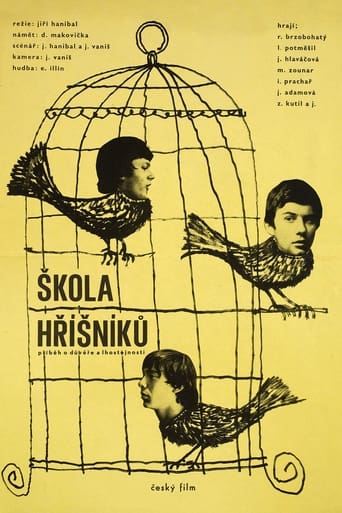
4.5Pavlata, the director of an educational institution for juvenile offenders, will push for the early release of Pepík Adamec, whom he respects for his sincere efforts and good work record. However, the boy bears the dishonest and dishonourable behaviour of adults in his new job and in his family.
Škola hříšníků
1966
 9.0
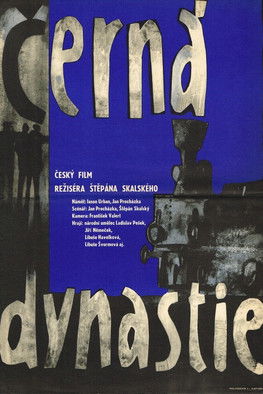
9.0The family is connected with Prague's "Kolbenka", the ČKD locomotive factory. Grandfather Antonín, already retired, son Rudolf, a master in the locomotive assembly section and grandson Antonín, a promising football player. The film also tells the story of Rudolf's daughter Vera - each generation has its own ideas about life and cannot identify with the others. The film is linked by retrospective sequences from the lives of Antonín the Elder and Rudolf, especially from the war years. It is a realistic take on working-class life, unencumbered by ideology (despite the opening dedication), featuring well-known and time-tested actors in mainly male roles.
The Black Dynasty
1962
Series credits
8.2Arabela was a children's television series produced in Czechoslovakia which aired from 1979 to 1981. The series has 13 episodes and is in the Czech language.
Arabela
1980
8.2Arabela was a children's television series produced in Czechoslovakia which aired from 1979 to 1981. The series has 13 episodes and is in the Czech language.
Arabela
1980
8.0Series about the life of Renaissance anatomist, scholar and politic Johannes Jessenius. Already legendary series today, was produced by Czechoslovak Television Bratislava, directed by Slovak director Miroslav Luther in the first half of 80's in Barrandov Studios in Prague. The story and screenplay of the series wrote Czech writer Vladimír Körner. Five-episodes epic historical narration is a biographical story of distinguished Renaissance scholar, anatomist and politic of Slovak origin, Johannes Jessenius (Ján Jesenský, 1566–1621). It displays his life from the first studies and successes. In 1594 he became professor of surgery and anatomy on Wittenberg University, which he had attended years before. From that moment, his life went through social and personal wins and losses, to the sad end on the Prague Old Town Square gallows, among 27 noblemen, knights and burgenses, after lose Bohemian Revolt in 1621. His destiny was coupled with key events of Czech history in the break of 16th and 17th century, when Renaissance and European humanism slowly fade out.
The Physician of a Dying Time
1984
8.5No synopsis available yet.
Slovácko sa nesúdí
1976
No synopsis available yet.
Třetí patro
1986
No synopsis available yet.
Přísahám a slibuji
1990
 6.8
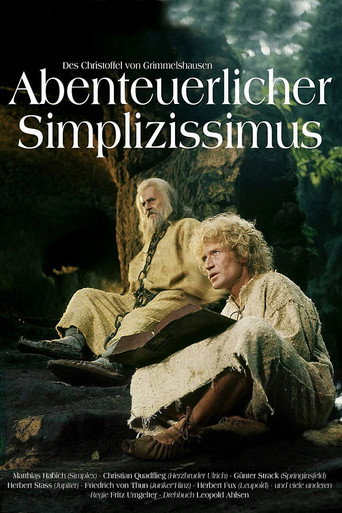
6.8The boy Simplizissimus grows up with simple farmers in the Spessart region. But the idyll is abruptly destroyed by the Thirty Years' War. Simplizissimus is sent to the besieged fortress of Hanau. When the lansquenets there play crude jokes on him, he flees with his friend Herzbruder to the Croats. But even here he does not fare much better.
Des Christoffel von Grimmelshausen abenteuerlicher Simplizissimus
1975
No synopsis available yet.
Obyčejná koňská historie
1991