
Camera
Stanisław Niedbalski
Born — Died
1922-05-02 — 2005-11-30
Place of birth
Slonawy, Kujawsko-Pomorskie, Poland
Known for
Camera
Credits
7 titles
Known for
 8.0
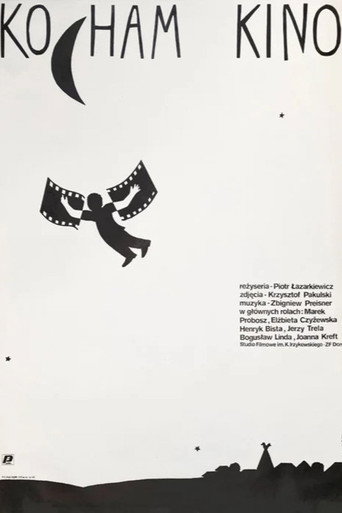
8.0The manager of a small provincial cinema finds her lost son, and he tries to save the movie theater.
I Love Cinema
1988
The protagonist of the film is Stanisław Niedbalski, a legend of Polish cinematography, cinematographer of several dozen documentary films. Usually, he is hidden behind the camera. However, in this film, we could look at him from a different perspective – a witty and emotional film set star.
More Light
1987
 6.3
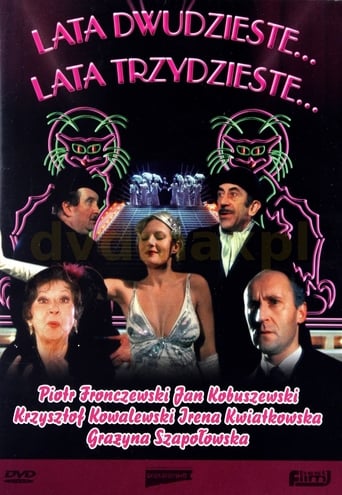
6.3On the way to Warsaw after a crude oil fraud in southern Poland, conman Adam Deren meets singer Liza. He decides to invest his money in a venture deemed to be a failure - a small cabaret where Liza could perform.
The Twenties, the Thirties
1984
A portrait of the inhabitants of Jastrzębie (a mining town in Silesia) – young men and women who came there to begin their adult lives. Jastrzębie received municipal rights in 1963, but it is still a huge construction site. Children slide down the heaps of coal, located between the blocks of flats. Young women, dressed in worker jackets, look for their husbands. The life of the inhabitants is subordinated to communicates released by the council of the mine. Working days are about queues and listening to the radio, and days off are about festivals and performances of the mining band. Boxing in the ring and fights in the streets. The directorial debut of Stanisław Manturzewski, a sociologist, journalist, and documentary filmmaker, made in collaboration with Stanisław Niedbalski, a cameraman.
Tapes from Jastrzebie
1974
 5.0
5.0A small town located right in the middle of Europe, but in reality probably at the end of the world. It is dominated by the depressing atmosphere of the Stalinist era, the still vivid memory of wartime atrocities, and bitter ethnic conflicts. Above all, however, the town has its own secret. Seven years earlier, a bloody pogrom against Jews took place here. Bogdan, the son of one of the victims, tries to uncover the truth. Torn between his father's story and his mother's story, a witness to the madness of Chaimka, a survivor of the pogrom, he flees the hardships of growing up in the "middle of Europe" only to return years later to the cemetery where his parents are buried.
W środku Europy
1993
 8.7
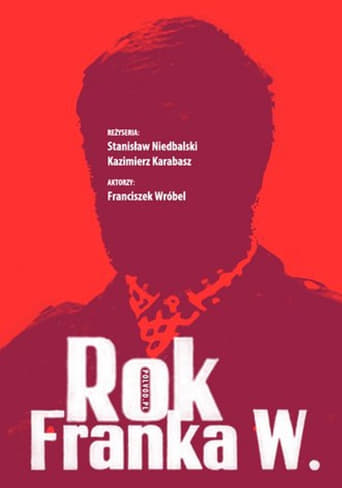
8.7On the cusp of adulthood and in search of work qualifications and a better life, Franciszek Wróbel - a baker from a small village on the Czech border of south-western Poland - emigrates to industrial Silesia to join the Voluntary Labour Corps. There he is chosen from all of the applicants to write a diary of his experiences and daily life. Between his vocational courses and training, he struggles to make friends, pass his exams, and maintain relationships with girls.
A Year in the Life of Franek W.
1968
Film credits
1980s · 3 titles
8.0The manager of a small provincial cinema finds her lost son, and he tries to save the movie theater.
I Love Cinema
1988
The protagonist of the film is Stanisław Niedbalski, a legend of Polish cinematography, cinematographer of several dozen documentary films. Usually, he is hidden behind the camera. However, in this film, we could look at him from a different perspective – a witty and emotional film set star.
More Light
1987
6.3On the way to Warsaw after a crude oil fraud in southern Poland, conman Adam Deren meets singer Liza. He decides to invest his money in a venture deemed to be a failure - a small cabaret where Liza could perform.
The Twenties, the Thirties
1984
Behind the camera
A portrait of the inhabitants of Jastrzębie (a mining town in Silesia) – young men and women who came there to begin their adult lives. Jastrzębie received municipal rights in 1963, but it is still a huge construction site. Children slide down the heaps of coal, located between the blocks of flats. Young women, dressed in worker jackets, look for their husbands. The life of the inhabitants is subordinated to communicates released by the council of the mine. Working days are about queues and listening to the radio, and days off are about festivals and performances of the mining band. Boxing in the ring and fights in the streets. The directorial debut of Stanisław Manturzewski, a sociologist, journalist, and documentary filmmaker, made in collaboration with Stanisław Niedbalski, a cameraman.
Tapes from Jastrzebie
1974
A portrait of the inhabitants of Jastrzębie (a mining town in Silesia) – young men and women who came there to begin their adult lives. Jastrzębie received municipal rights in 1963, but it is still a huge construction site. Children slide down the heaps of coal, located between the blocks of flats. Young women, dressed in worker jackets, look for their husbands. The life of the inhabitants is subordinated to communicates released by the council of the mine. Working days are about queues and listening to the radio, and days off are about festivals and performances of the mining band. Boxing in the ring and fights in the streets. The directorial debut of Stanisław Manturzewski, a sociologist, journalist, and documentary filmmaker, made in collaboration with Stanisław Niedbalski, a cameraman.
Tapes from Jastrzebie
1974
8.7On the cusp of adulthood and in search of work qualifications and a better life, Franciszek Wróbel - a baker from a small village on the Czech border of south-western Poland - emigrates to industrial Silesia to join the Voluntary Labour Corps. There he is chosen from all of the applicants to write a diary of his experiences and daily life. Between his vocational courses and training, he struggles to make friends, pass his exams, and maintain relationships with girls.
A Year in the Life of Franek W.
1968