
Directing
Andrzej Titkow
Known for
Directing
Credits
44 titles
Known for
 7.1
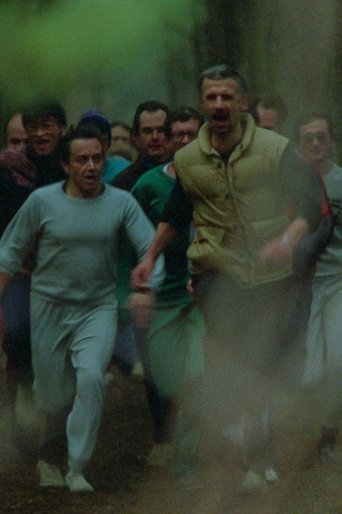
7.1A group of veterans recount a horrifying experience when trapped in a minefield, resulting in each losing their sight.
I Was a Soldier
1971
Collective heroes of the film: men, women from across the eastern border. Belarusians, Russians. In Poland they found a chance for a better existence. Many have education, often higher education, but they work on construction sites. Ten hours a day at a time. They are treated as second- or third-class people. They are required to do more than Polish workers, and paid much less. They accept this. They have no choice.
Trwoga
1993
During the holidays, a famous actress gets into an affair with a student.
Terrarium
1981
The film records several images demonstrating the attitudes and behaviors of various people who happen to be sitting on a park bench.
Ławka
1975
Memories of Andrzej Bursa. His friends, acquaintances, wife, and sister talk about him.
Z pamięci
1983
 7.0
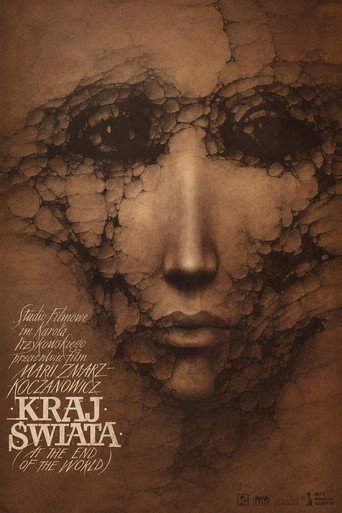
7.0The year is 1989, and the country's first free elections in a long time are approaching. A man in a cycling cap organizes a chain of clean hands, using it as a tool in his election campaign. In the queue outside the passport office, people chat, make plans, and ponder what's worth selling abroad. Writers observe the world around them. One of them is applying for a passport. In Dzierżyński Square, the monument to Feliks Edmundowicz is being dismantled. Two drunk men sleep on a bench, and behind them is a sign reading: "All is well." The two writers observe the ongoing transformation of the political system.
At the End of the World
1994
Film credits
1980s · 2 titles
The writer Zbigniew takes part in a psychotherapeutic session, during which he tells his story.
Światło odbite
1989
 5.9
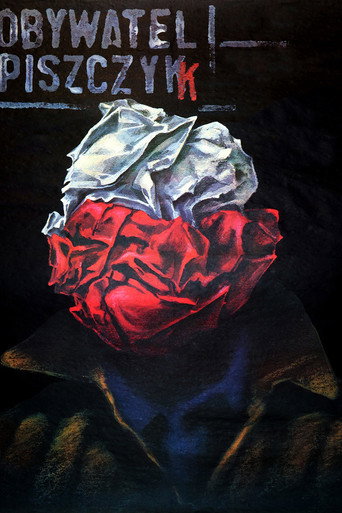
5.9This film is a sequel to Munk's Zezowate Szczescie and it's much the same, only more so. The film begins in a cinema, where the last scenes of Zezowate Szczescie are being shown. Born unlucky, a victim of the errors and distortions of Stalinism, he is released in 1956. He meets a politically feverish woman, her influential parents, and finally becomes the father of her child. But bad luck, or perhaps an unlucky era, will not let him forget.
Citizen Piszczyk
1989
Behind the camera
7.1A group of veterans recount a horrifying experience when trapped in a minefield, resulting in each losing their sight.
I Was a Soldier
1971
Collective heroes of the film: men, women from across the eastern border. Belarusians, Russians. In Poland they found a chance for a better existence. Many have education, often higher education, but they work on construction sites. Ten hours a day at a time. They are treated as second- or third-class people. They are required to do more than Polish workers, and paid much less. They accept this. They have no choice.
Trwoga
1993
Collective heroes of the film: men, women from across the eastern border. Belarusians, Russians. In Poland they found a chance for a better existence. Many have education, often higher education, but they work on construction sites. Ten hours a day at a time. They are treated as second- or third-class people. They are required to do more than Polish workers, and paid much less. They accept this. They have no choice.
Trwoga
1993
During the holidays, a famous actress gets into an affair with a student.
Terrarium
1981
During the holidays, a famous actress gets into an affair with a student.
Terrarium
1981
The film records several images demonstrating the attitudes and behaviors of various people who happen to be sitting on a park bench.
Ławka
1975
The film records several images demonstrating the attitudes and behaviors of various people who happen to be sitting on a park bench.
Ławka
1975
Memories of Andrzej Bursa. His friends, acquaintances, wife, and sister talk about him.
Z pamięci
1983
Memories of Andrzej Bursa. His friends, acquaintances, wife, and sister talk about him.
Z pamięci
1983
The film shows the farewell ceremony for a printer who is retiring.
Drukarz
1974
The film shows the farewell ceremony for a printer who is retiring.
Drukarz
1974
The protagonist of "Passerby" is writer and filmmaker Tadeusz Konwicki. His story, which reflects the paradoxes of the 20th century history, is commented by means of fragments of his films, documentary newsreels and stage productions.
Passerby
1984
The protagonist of "Passerby" is writer and filmmaker Tadeusz Konwicki. His story, which reflects the paradoxes of the 20th century history, is commented by means of fragments of his films, documentary newsreels and stage productions.
Passerby
1984
A story about Kazimierz in Krakow.
Takie miejsce
1985
A story about Kazimierz in Krakow.
Takie miejsce
1985
A record of one day in the life of a chronically ill man. It begins and ends with a fragment from a poem by Horace, who recommends to appreciate every dawn.
Each Day
1973
A record of one day in the life of a chronically ill man. It begins and ends with a fragment from a poem by Horace, who recommends to appreciate every dawn.
Each Day
1973
 NR
NRA somewhat ironic depiction of life in a small Polish town at the beginning of the 1970s. The local brass band plays in the streets. Girls stroll, younger boys play soccer. Someone is looking at someone with interest, someone is courting someone, someone is parting ways. A poet associated with a local art group writes poems about everyday life.
In Such a Small Town...
1971
The writer Zbigniew takes part in a psychotherapeutic session, during which he tells his story.
Światło odbite
1989
The writer Zbigniew takes part in a psychotherapeutic session, during which he tells his story.
Światło odbite
1989
A kind of film essay on the life and work of Gustav Herling-Grudzinski. The writer's story about his life is interspersed with documentary footage shot in Naples, where he has lived for thirty years (hence the title), and in Warsaw, during a visit to Poland in 1994.
Dziennik pisany pod wulkanem
1995
A kind of film essay on the life and work of Gustav Herling-Grudzinski. The writer's story about his life is interspersed with documentary footage shot in Naples, where he has lived for thirty years (hence the title), and in Warsaw, during a visit to Poland in 1994.
Dziennik pisany pod wulkanem
1995
A picture of the life of the residents of a workers' hotel.
Dom
1967
Under the influence of a boy she met, a student rebels against the old man with whom she lives.
Wynajmę pokój...
1994
Under the influence of a boy she met, a student rebels against the old man with whom she lives.
Wynajmę pokój...
1994
A bittersweet look at life in a Polish addiction rehab centre
Azyl
—
 NR
NRPortrait of Andrzej Mleczko - cartoonist and painter. Andrzej Titkow, a documentary filmmaker, is interested in Mleczko's satirical drawings which were extremely popular in the 1970s. With a seemingly reporter-like camera, he films the opening of an exhibition of his works and stages the situations drawn by the artist.
Small Big World
1977
NRPortrait of Andrzej Mleczko - cartoonist and painter. Andrzej Titkow, a documentary filmmaker, is interested in Mleczko's satirical drawings which were extremely popular in the 1970s. With a seemingly reporter-like camera, he films the opening of an exhibition of his works and stages the situations drawn by the artist.
Small Big World
1977
Memories about the writer Marek Hłasko.
Piękny dwudziestoletni
1986
Memories about the writer Marek Hłasko.
Piękny dwudziestoletni
1986
"If God had had more experience with man, he would have created him in Jack's likeness." These words of Lechoslaw Gozdzik, the legendary leader of the Żerań workers in October 1956, may seem blasphemous to many.
Na podobieństwo Jacka
2000
"If God had had more experience with man, he would have created him in Jack's likeness." These words of Lechoslaw Gozdzik, the legendary leader of the Żerań workers in October 1956, may seem blasphemous to many.
Na podobieństwo Jacka
2000
A film dealing with the controversial events that took place during a concert by the band Lady Pank in Wrocław in 1986, in which the band's leader, Jan Borysewicz, became the "hero."
Mniej niż zero
1987
A film dealing with the controversial events that took place during a concert by the band Lady Pank in Wrocław in 1986, in which the band's leader, Jan Borysewicz, became the "hero."
Mniej niż zero
1987
Julian Stryjkowski, writer and philosopher, author of the novels "Bieg do Fragala" (The Run to Fragal), "Pożegnanie z Italią" (Farewell to Italy), "Głosy w ciemności" (Voices in the Dark), "Czarna róża" (The Black Rose), "Austeria" (The Inn), "Wielki strach" (The Great Fear), "Odpowiedź" (The Answer), and "King David Lives," recalls his childhood and his first literary experiences. He evokes the forgotten world of small Galician towns, recounts the traditions of the home where he grew up, and tells of his mother, siblings, and neighbors—the people who shaped the world of his childhood.
I powiesz - Jestem
1994
Julian Stryjkowski, writer and philosopher, author of the novels "Bieg do Fragala" (The Run to Fragal), "Pożegnanie z Italią" (Farewell to Italy), "Głosy w ciemności" (Voices in the Dark), "Czarna róża" (The Black Rose), "Austeria" (The Inn), "Wielki strach" (The Great Fear), "Odpowiedź" (The Answer), and "King David Lives," recalls his childhood and his first literary experiences. He evokes the forgotten world of small Galician towns, recounts the traditions of the home where he grew up, and tells of his mother, siblings, and neighbors—the people who shaped the world of his childhood.
I powiesz - Jestem
1994
A portrait of an elderly lady, created from her memories of an extraordinary and interesting life.
Film o babci
1982
“Stu” theatre rehearses “The Patients”, a play based on Mikhail Bulgakov’s “The Master and Margarita”.
Community: Rehearsal
1976
“Stu” theatre rehearses “The Patients”, a play based on Mikhail Bulgakov’s “The Master and Margarita”.
Community: Rehearsal
1976
 NR
NRA unique recording of a therapy session conducted by Wojciech Eichelberger at the Psychoeducation Laboratory, the first Polish institution of psychotherapy, training and coaching established in 1978. The film includes recordings of fragments of group activities and statements of the participants.
Give Me This
1988