

Directing
Daphné Hérétakis
Place of birth
Paris, France
Known for
Directing
Credits
10 titles
Daphne Heretakis studied at Paris 8 University, where she graduated with a Master’s degree in documentary filmmaking, and at Le Fresnoy national studio for contemporary art. Her films tread a fine line between documentary and fiction, blending intimacy and the collective, and has been presented in many festivals such as IFFR, Hors Piste Pompidou, Visions du Réel, etc. She lives and works between France and Greece.
Known for
Daphne Hérétakis proposes a protean reflection on cinétract, both activist, humorous and poetic. With her camera, she goes to meet the Athenians and collects their disillusions and their hopes. In view of the images, readers, scattered throughout the room, read excerpts from Greek poems.
Au Revoir
2016
 NR
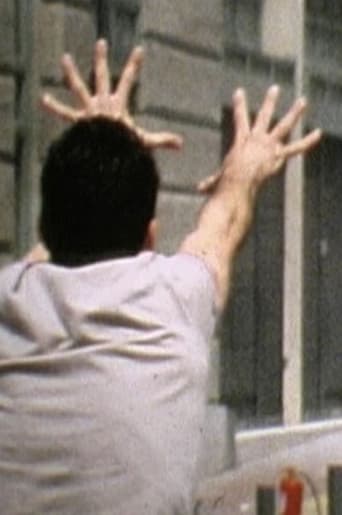
This film begun in september 2008, in Exarchia, "the Mecca" of athenian contestation. As the months passed and the political situation of Greece evolved, the film became the canvas on which testimonies finally laid, thus composing the fragmented landscape of a country in crisis.
Ici rien
2011
 7.0
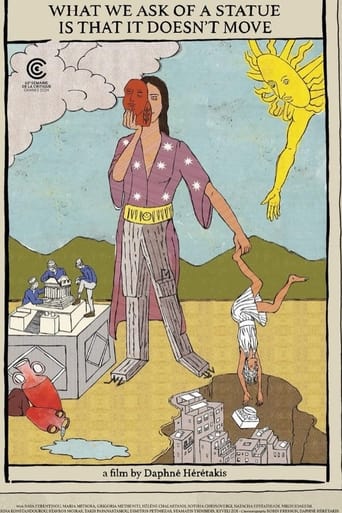
Athens. Nothing seems to move. The locals seem as still as statues. While at the same time, somewhere, a caryatid is escaping from a museum and a small group of people demands the destruction of all antiques. Would film be the only way to avoid stone-cold indifference?
What We Ask of a Statue is That It Doesn’t Move
2024
 4.5
In this shapeshifting essay film by French-Greek filmmaker Daphné Hérétakis, we visit the streets of Athens in July 2015 and the wake of an austerity referendum, finding friends and strangers, pop songs and poetry, fallen monuments and hopes for the future. It is a lyrical sketch of a time of personal and political transition – culminating in an image of liberating, apocalyptic possibility.
The Seaweed in Your Hair
2016
 3.3
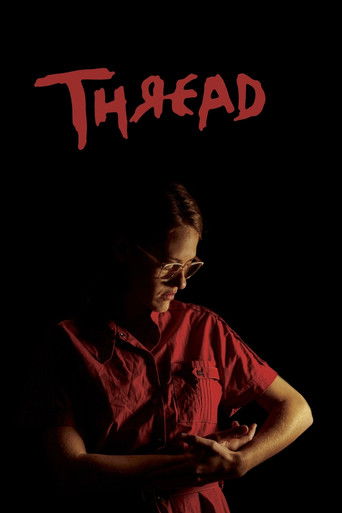
Niki is a resistance fighter living in a nightmarish dictatorship in Athens, 1972, and Lefteris is her son, who will be forced sooner or later to cut the thread that binds them together.
Thread
2017
Athens 2014. Between bereaved desires and lost hopes, a film diary bangs against the walls of the city. The daily life of a country in crisis, the inertia of revolution, the individual issues that confront the political, questions of survival that confront ideals. Can we still ask the simplest questions?
Archipelagos, Naked Granites
2015
Film credits
Behind the camera
Daphne Hérétakis proposes a protean reflection on cinétract, both activist, humorous and poetic. With her camera, she goes to meet the Athenians and collects their disillusions and their hopes. In view of the images, readers, scattered throughout the room, read excerpts from Greek poems.
Au Revoir
2016
NRThis film begun in september 2008, in Exarchia, "the Mecca" of athenian contestation. As the months passed and the political situation of Greece evolved, the film became the canvas on which testimonies finally laid, thus composing the fragmented landscape of a country in crisis.
Ici rien
2011
7.0Athens. Nothing seems to move. The locals seem as still as statues. While at the same time, somewhere, a caryatid is escaping from a museum and a small group of people demands the destruction of all antiques. Would film be the only way to avoid stone-cold indifference?
What We Ask of a Statue is That It Doesn’t Move
2024
4.5In this shapeshifting essay film by French-Greek filmmaker Daphné Hérétakis, we visit the streets of Athens in July 2015 and the wake of an austerity referendum, finding friends and strangers, pop songs and poetry, fallen monuments and hopes for the future. It is a lyrical sketch of a time of personal and political transition – culminating in an image of liberating, apocalyptic possibility.
The Seaweed in Your Hair
2016
Athens 2014. Between bereaved desires and lost hopes, a film diary bangs against the walls of the city. The daily life of a country in crisis, the inertia of revolution, the individual issues that confront the political, questions of survival that confront ideals. Can we still ask the simplest questions?
Archipelagos, Naked Granites
2015
 NR
As the song says: "I'm 26 years old but only 4 useful. I don't understand anything". 8 people read aloud private texts (sms, letters, emails) written or received by Daphné Hérétakis in the months leading up to her 26th birthday. The film proposes to take these texts out of the realm of intimacy and put them back into the public space and the collective nature of the film. The result is a romantic and absurd cadavre exquis, which addresses slightly depressed sensibilities.
26
2013