
Known for
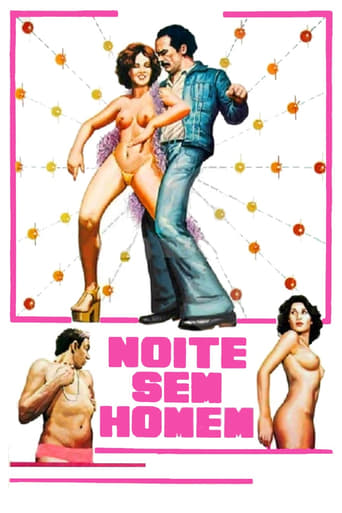 8.0
Two brothels in a small country town fight fiercely for the town's clientele, putting the owners of the two brothels, Salô and Maria Navalha, on a war footing. The conflict between the two establishments will bring problems for Salô's employees, who will rebel while the boss is harassed by the town's police forces because of his homosexuality.
Noite Sem Homem
1976
 NR
Set in the vibrant nightlife of Rio de Janeiro’s historic Lapa district, Lapa 67 captures the atmosphere, music, and social life of one of Brazil’s most iconic cultural neighborhoods during the 1960s. Through documentary-style observation, the film presents dancers, musicians, bars, and ordinary people enjoying an evening in Lapa, creating a time capsule of urban Brazilian culture at a moment of transformation. The short preserves rare images of the district’s nightlife and offers a glimpse into the rhythms, fashions, and social interactions that defined the era.
Lapa 67
1967
No synopsis available yet.
Lapa
1967
 NR
The past of a region that grew on the foundations of the faith, through the catechesis of the Jesuits who formed the theocratic kingdom of the Guarani.
Enfoque - Sete Povos das Missões
1973
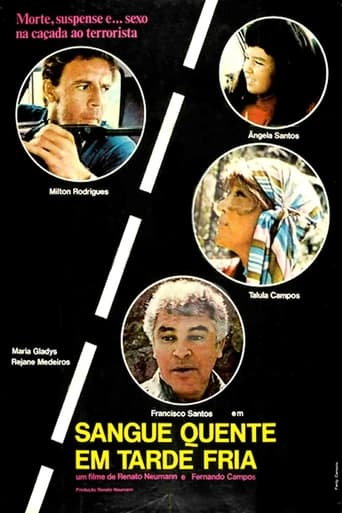 7.0
No synopsis available yet.
Sangue Quente em Tarde Fria
1970
No synopsis available yet.
Festa de Nossa Senhora da Penha
1970
Behind the camera
8.0Two brothels in a small country town fight fiercely for the town's clientele, putting the owners of the two brothels, Salô and Maria Navalha, on a war footing. The conflict between the two establishments will bring problems for Salô's employees, who will rebel while the boss is harassed by the town's police forces because of his homosexuality.
Noite Sem Homem
1976
NRSet in the vibrant nightlife of Rio de Janeiro’s historic Lapa district, Lapa 67 captures the atmosphere, music, and social life of one of Brazil’s most iconic cultural neighborhoods during the 1960s. Through documentary-style observation, the film presents dancers, musicians, bars, and ordinary people enjoying an evening in Lapa, creating a time capsule of urban Brazilian culture at a moment of transformation. The short preserves rare images of the district’s nightlife and offers a glimpse into the rhythms, fashions, and social interactions that defined the era.
Lapa 67
1967
No synopsis available yet.
Lapa
1967
NRThe past of a region that grew on the foundations of the faith, through the catechesis of the Jesuits who formed the theocratic kingdom of the Guarani.
Enfoque - Sete Povos das Missões
1973
7.0No synopsis available yet.
Sangue Quente em Tarde Fria
1970
7.0No synopsis available yet.
Sangue Quente em Tarde Fria
1970
No synopsis available yet.
Festa de Nossa Senhora da Penha
1970
No synopsis available yet.
Festa de Nossa Senhora da Penha
1970
 NR
Investigating environmental devastation in Guanabara Bay, this film examines the impacts of pollution from oil, sewage, and chemical waste, while exploring sanitary measures and chemical analyses.
Pollution
1971
No synopsis available yet.
Vinicius de Moraes
1970
 NR
By manipulating archives from the transitional period between the 19th and 20th centuries in Brazil, Renato Neumann narrates the early exploitation of rubber plantations in regions of the Amazon, the absorption and transformation of rubber in European society, and its political and economic consequences for the territory in question. The story focuses on highlighting the figure of Plácido de Castro, a significant personality in the conflicts that occurred between Brazil and Bolivia in the early 1900s.
Plácido de Castro
1973