
Acting
Chiyoko Komine
Born
1907-07-28 (119)
Place of birth
Tokyo, Japan
Known for
Acting
Credits
38 titles
Known for
A television serial that was in turn adapted from a radio series and a novel, My Daughter And I featured a Japanese novelist who is married to a French woman who have one daughter. The man and his daughter begin a new life when the woman dies. Having difficulty spending time with his daughter, the man sends his daughter to a Christian boarding school. He remarries and brings his daughter back home. After the end of the World War his lot improves professionally, yet his second wife dies.
Musume to Watashi
1961
 NR
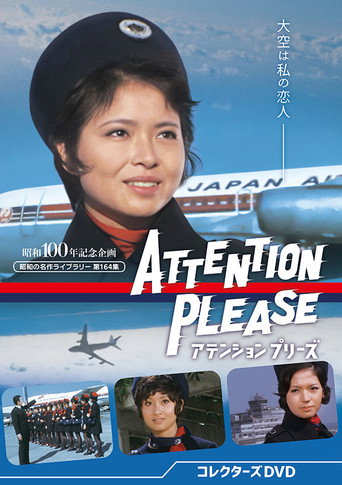
First Japanese TV drama about flight attendants.
Attention Please
1970
 10.0
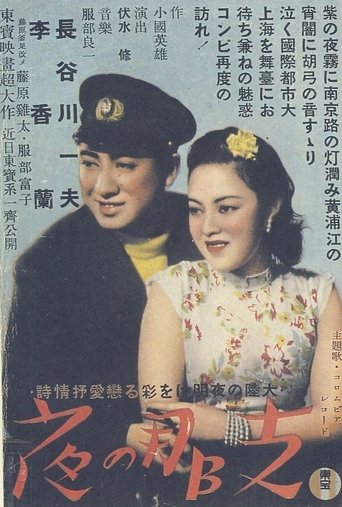
Wartime propaganda filmed by the Japanese in occupied China, Shirley Yamaguchi portrays an orphan rescued from the streets by a kindly Japanese merchant marine officer. Part spy thriller and part Shanghai travelogue, it was part of a popular series known as "Chinese Continental Friendship" made by the occupying Japanese in China.
China Night
1940
 9.0
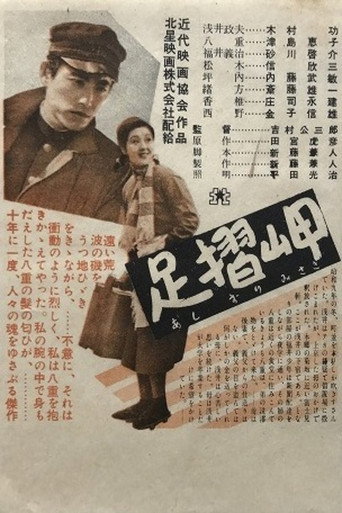
Among Yoshimura’s complex and political works, this episodic film, set in the early 1930s, follows the life of a young left-wing student activist disenchanted by the increasingly hawkish state of Japanese society.
Cape Ashizuri
1954
 6.5
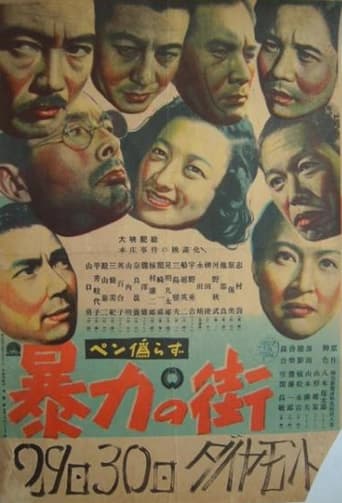
An attempt is made to suppress a journalist's investigation of collusion between a rural police chief and the local gangster bosses.
Town of Violence
1950
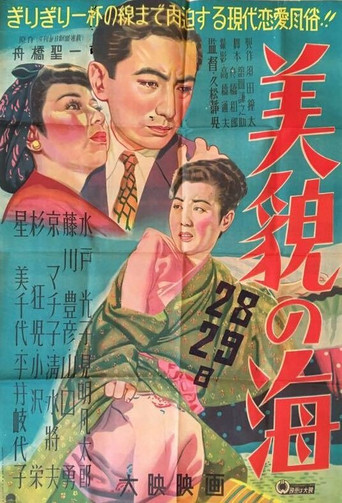 NR
No synopsis available yet.
The Sea of Beauty
1950
Film credits

1960s · 2 titles
 NR
Tetsuo, the captain of the rugby team, who was preparing for the university entrance exams, starts working to earn money for his mother's surgery after she was involved in a hit-and-run accident, giving up on furthering his education. During this time, a relative's college student named Ikuko visits him and introduces him to her grandfather, Tatsunosuke. Tatsunosuke, a wealthy man, asks Tetsuo to take over his business, but...
Let's find your sweetheart
1967
 NR
No synopsis available yet.
Female
1964
1950s · 19 titles
9.0Among Yoshimura’s complex and political works, this episodic film, set in the early 1930s, follows the life of a young left-wing student activist disenchanted by the increasingly hawkish state of Japanese society.
Cape Ashizuri
1954
6.5An attempt is made to suppress a journalist's investigation of collusion between a rural police chief and the local gangster bosses.
Town of Violence
1950
NRNo synopsis available yet.
The Sea of Beauty
1950
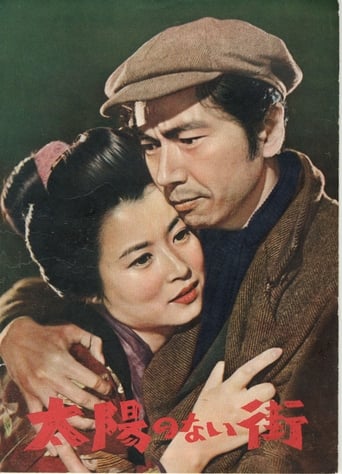 7.0
Based on the novel by proletarian writer Sunao Tokunaga. The story is about a long strike by workers at a large printing house and the strikers' steadfastness, which neither hunger nor violence could break. The heroine of this story actively participates in her colleagues' struggle against layoffs, oppression, and police brutality.
The Street Without Sun
1954
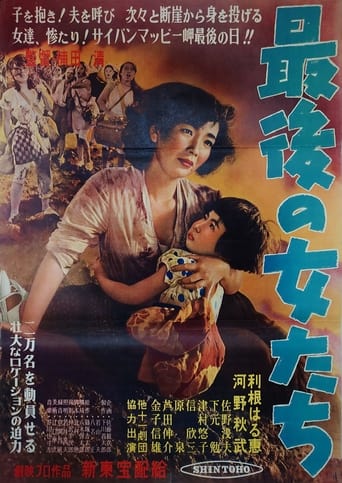 NR
The events of the film are based on the real facts of the Pacific War, when in June 1944 the American troops began landing on the Saipan island. On July 7, an order comes that everyone must die in order not to be captured by the enemy.
The Last Women
1954
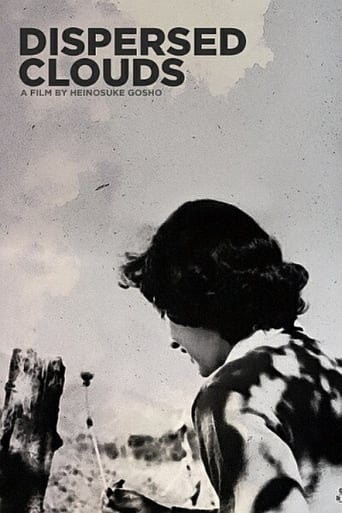 7.0
Five women classmates from a college in Tokyo are on the first stretch of a walking tour when one of them, Masako, falls ill at a railway station. Osen, a middle-aged maid from a nearby inn, takes her in and nurses her, assisted by Dr. Minami, a young physician who diagnoses her illness as a mild case of pneumonia. With Masako in good hands and needing a few days to recuperate, her classmates continue their tour. Masako’s recovery, however, is hampered by her spoiled and immature nature and her determination to punish the world for the loss of her mother.
Dispersed Clouds
1951
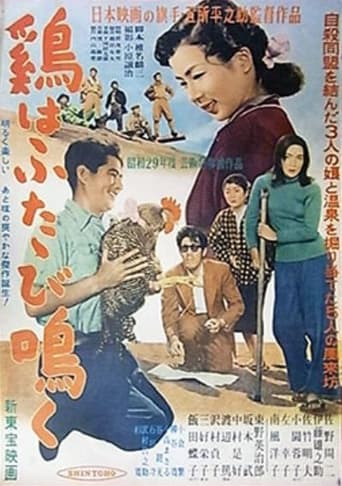 6.5
Three young women make a suicide pact, but they grow to have a better understanding of themselves.
The Cock Crows Twice
1954
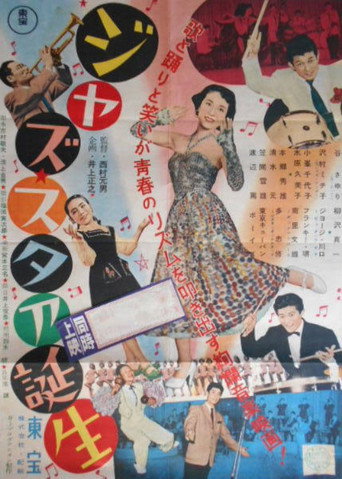 NR
Keiko Togawa, a chorus girl at the Toyo Theater, is told by director Miyauchi that she has been chosen to play the lead role in the next production.
Birth of a Jazz Star
1954
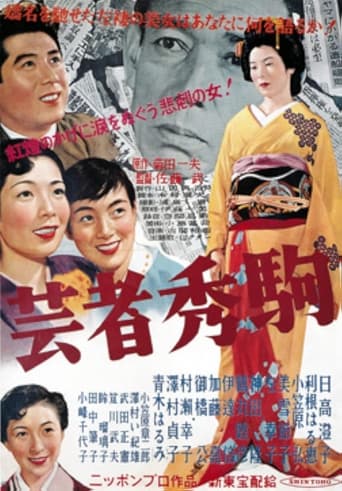 NR
As a bid to win contacts, ship building companies wine and dine political leaders, inviting the geisha Hidekoma and Hidechiyo to entertain the politicians.
Geisha Hidekoma
1954
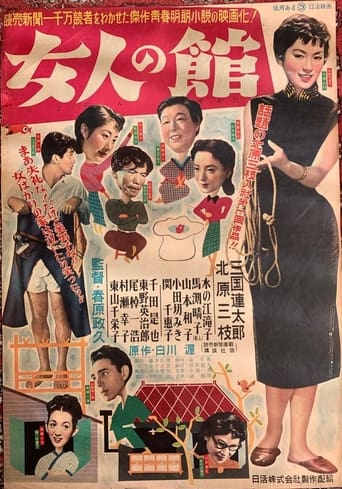 6.0
After Shuichiro moved to Tokyo, the Tanno family became completely female, including Mrs. Tanno, Shuichiro's daughter-in-law Manzuko, painter Takashiro Egi, Shizu Kazemaki, Mitsue Nanbu, an intellectual who works in a university laboratory, and an old woman.
Women's House
1954
 7.5
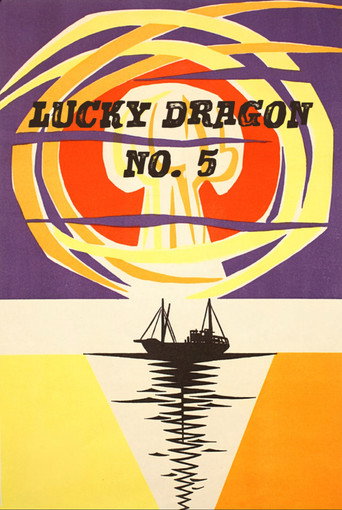
An ageing fishing boat, Dai-go Fukuryu Maru ("Lucky Dragon No. 5") sets out from the port of Yaizu in Shizuoka Prefecture. It travels around the Pacific line fishing. While the ship is near Bikini Atoll, the ship's navigator sees a flash. All the crew come up to watch. They realize it is an atomic explosion, but take time to clear their fishing gear. A short time later, grey ash starts to fall on the ship. When the ship returns to port the sailors have been burned brown. They unload the fish, which are then transported away. They visit the local doctor and then go to Tokyo for an examination. It turns out they are all highly radioactive. Their symptoms become worse, and the contaminated fish causes a panic.
Lucky Dragon No. 5
1959
 NR
Based on the Nobu Koito story
Hahakogusa
1959
 8.0
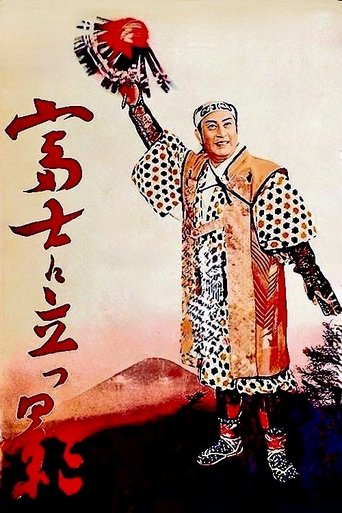
The year is 1805. Napoleon ruled Europe. Ienari is the 11th Tokugawa Shogun. An incident, which was an open official secret, took place on the foothills of Mt. Fuji. Fearing attacks from within and without, the Shogunate planned to build a training castle utilizing the most advanced techniques. Two master castle architects, Sato Kikutaro and Kumai Hakuten, were selected to compete for the honor of building this castle. Lord Mizuno Dewa has even ordered the townspeople to assist both sides with their land surveys and preparations. This leads to fear on the part of farmers that their land will be taken away from them, and sets off a series of events which rock the nation to its very roots. With an all-star cast, this is an important story with relevance to current times. One of Ichikawa Utaemon's finest performances, a true classic!
Shadow Over Fuji
1957
 6.5
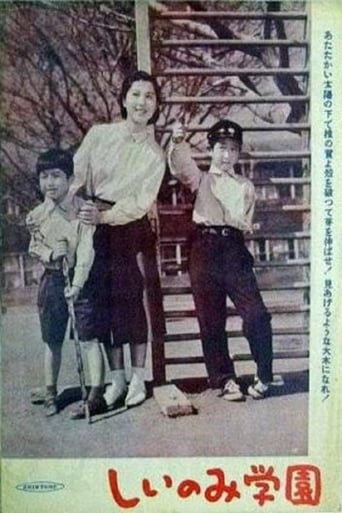
A university professor and his wife have two sons with infantile paralysis. Through trial and error, they struggle to open a school for disabled children at their own expense. Based on a true story, it features natural child performances under Hiroshi Shimizu’s skillful direction.
The Shiinomi School
1955
 NR
1958 Toei movie
Monsoon Son Pt.2
1958
 NR
No synopsis available yet.
Sekai no haha
1958
 NR
20th film adaptation of the novel Ono ga tsumi (published 1900-1901).
Shin ono ga tsumi
1956
 8.0
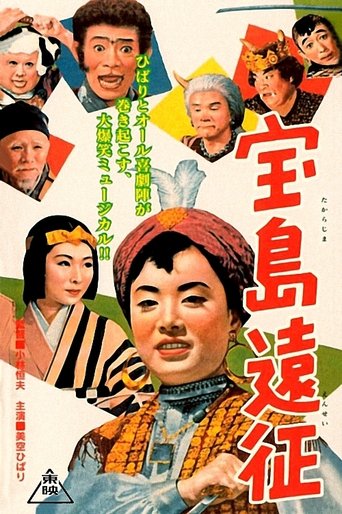
The story is a dramatization of the Japanese folklore legend of Momotaro, the Peach Boy, who with his trusted companions of dog, monkey and pheasant fought against evil in olden times.
Excursion to Treasure Isle
1956
 NR
1958 Toei movie.
Monsoon Son
1958
1940s · 14 titles
10.0Wartime propaganda filmed by the Japanese in occupied China, Shirley Yamaguchi portrays an orphan rescued from the streets by a kindly Japanese merchant marine officer. Part spy thriller and part Shanghai travelogue, it was part of a popular series known as "Chinese Continental Friendship" made by the occupying Japanese in China.
China Night
1940
 NR
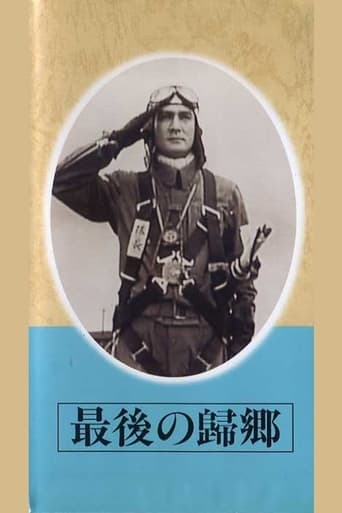
1945 Japanese movie
Saigo no kikyō
1945
A war propaganda film centered on the mobilization of student soldiers.
Twelve Hours Before Departure
1943
Michiko is a spirited young woman who was invited by the delinquent Kuniko to a shady cabaret, where she was introduced to a pseudo-gentleman named Nanbu. However, during a police raid, Michiko was the only unlucky one to be taken into custody. The next morning, her mother Chiyo was summoned to pick her up and was reunited there with her biological son, Prosecutor Hagiwara.
Haha tōdai
1949
No synopsis available yet.
瓢箪から出た駒
1946
While conducting a crackdown on contraband cigarettes at Ueno Station, inspector Tetsuro Shibuya came across an envelope addressed to Misa Makihara inside an unattended backpack filled with loose tobacco. Misa was ostensibly an employee of Yamagishi Shokai, a real estate firm, but in reality she was the mistress of Yuzo Yamagishi, a cigarette bootlegger. Yamagishi’s contraband cigarettes were made from loose tobacco sourced from Misa’s uncle, Kisaku, in Ibaraki.
Jigoku no fue
1949
 NR
Deep down, a dark shadow always lingered in the heart of Ushio, a young prosecutor who had made a name for himself by cracking down on organized crime. In the bribery case involving his old college friend Ayao, he had sought a two-year prison sentence in accordance with the law. Ayao took his own life, and his family was torn apart by the world’s persecution.
Kenji to onnakanshu
1949
A state-sponsored film featuring singers who embodied the joys of rural life.
The Sky Is Blue
1943
This film focuses on Koreans living in Japan. The filmmaker’s humanism comes across in the portrayal of a girl living in a shabby tenement, the warmth of a Korean girl she meets, and the friendliness of this Korean girl’s family.
The Brick Factory Girl
1946
 8.0
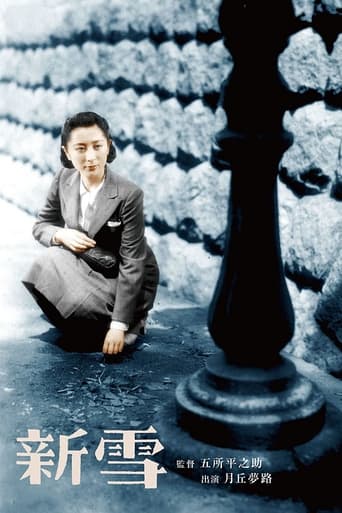
Minowada, a young teacher at a National People's School, has his own theory of education and the daughter of his linguistics teacher becomes drawn to him. Kayo, a strong-willed doctor, is also attracted to him. A mediator tries to arrange a marriage but just at that point Minowada receives military call-up papers.
New Snow
1942
No synopsis available yet.
Machi no ninkisha
1946
Depicts the bereaved families of soldiers sent to the front.
Fushi sakura
1944
 7.0
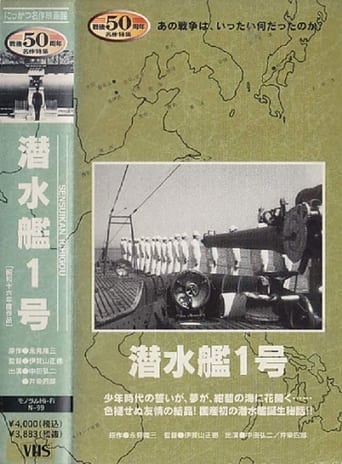
This film begins with a teacher describing to his students how brave the crew was which died as result of Japan's first submarine accident. The film then follows two of the pupils, one becomes a submarine captain and the other designs submarines.
Submarine Number One
1941
Family of Love
Family of Love
1941
Series credits
A television serial that was in turn adapted from a radio series and a novel, My Daughter And I featured a Japanese novelist who is married to a French woman who have one daughter. The man and his daughter begin a new life when the woman dies. Having difficulty spending time with his daughter, the man sends his daughter to a Christian boarding school. He remarries and brings his daughter back home. After the end of the World War his lot improves professionally, yet his second wife dies.
Musume to Watashi
1961
NRFirst Japanese TV drama about flight attendants.
Attention Please
1970