

Acting
Michiko Ikuno
Born
1924-10-12 (102)
Place of birth
Tokyo, Japan
Known for
Acting
Credits
33 titles
Known for
 NR
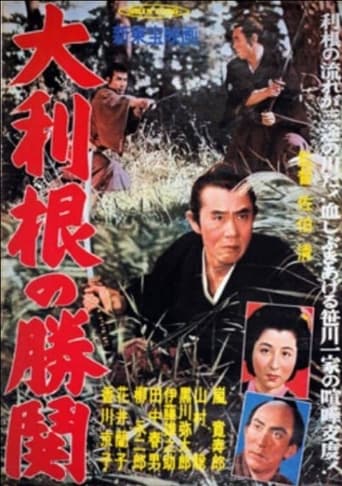
Jidai-geki by Kiyoshi Saeki
Tenpo Suikoden - Otone's Night Fog
1950
 8.0
Takeshi, bound to be an outlaw youth, boards at the home of his female schoolmate who works at the family restaurant in devil-may-care Akasaka.
Tree of Youth
1977
 NR
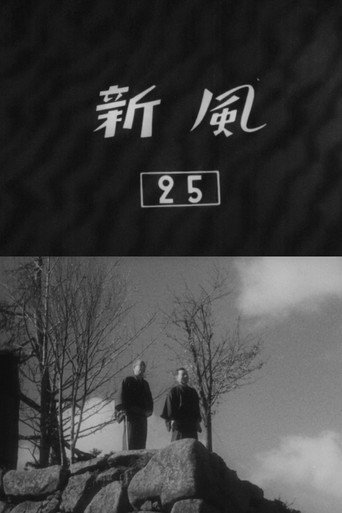
1945 Japanese movie
A New Breeze
1945
 NR
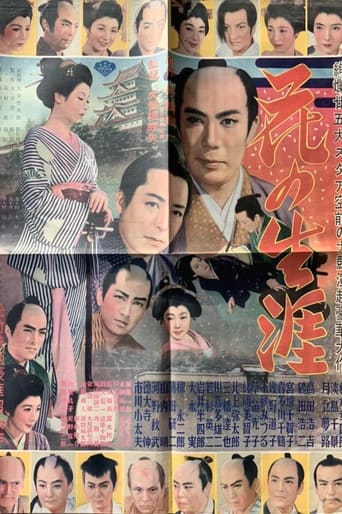
A 1959 Yoshiaki Bansho adaptation of an Osaragi Jiro story.
Bridge
1959
 NR
In 1842, in the Umemoku Mansion within Hikone Castle, Naosuke Ii, despite the tumultuous times, was engrossed in the world of tea ceremony. His friend, the Kokugaku scholar Nagano Shuzen, introduced him to a captivating shamisen master named Murayama Taka. Naosuke became deeply infatuated with her, disregarding the jealousy of his consort Shizu and the warnings of his senior retainer, Gaiji. However, upon discovering Taka's relationship with Shuzen, Naosuke promptly ended his ties with her.
Hana no shôgai
1953
 NR
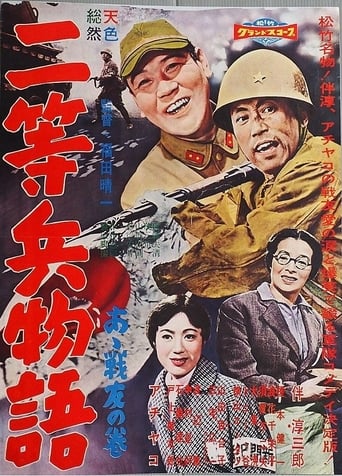
Fifth sequel to "Story of Second Class Private".
Nitōhei monogatari: Aa senyū no maki
1958
Film credits
1960s · 6 titles
 NR
No synopsis available yet.
Love School
1962
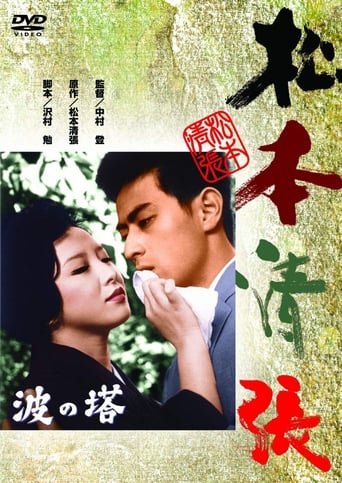 2.7
A young prosecutor named Takao falls in love with Yoriko, only to discover that her husband is the target of his investigation into a major corruption scandal. Torn between professional duty and their forbidden affair, the couple finds themselves trapped by societal expectations and legal consequences.
Towering Waves
1960
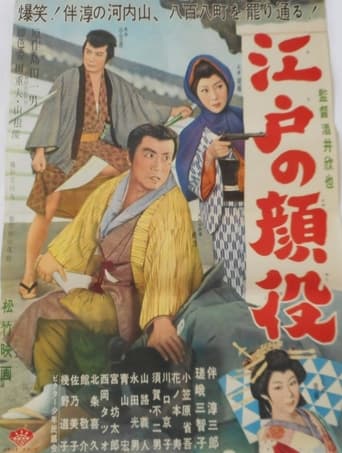 NR
No synopsis available yet.
Edo no kaoyaku
1960
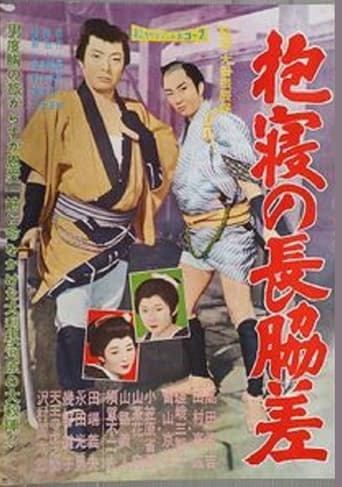 NR
Tatsuo Osone movie
Dakine no nagawakizashi
1960
 NR
1962 Japanese movie
Otoko no Uta
1962
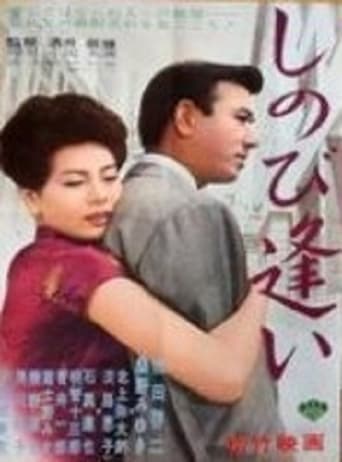 NR
A painfully sad woman's heart cries from forbidden love. A love triangle drawn by three stars of Japanese cinema: Keiji Sada, Miyuki Kuwano and Keiko Awaji.
Secret Love
1962
1950s · 21 titles
NRJidai-geki by Kiyoshi Saeki
Tenpo Suikoden - Otone's Night Fog
1950
NRA 1959 Yoshiaki Bansho adaptation of an Osaragi Jiro story.
Bridge
1959
NRIn 1842, in the Umemoku Mansion within Hikone Castle, Naosuke Ii, despite the tumultuous times, was engrossed in the world of tea ceremony. His friend, the Kokugaku scholar Nagano Shuzen, introduced him to a captivating shamisen master named Murayama Taka. Naosuke became deeply infatuated with her, disregarding the jealousy of his consort Shizu and the warnings of his senior retainer, Gaiji. However, upon discovering Taka's relationship with Shuzen, Naosuke promptly ended his ties with her.
Hana no shôgai
1953
NRFifth sequel to "Story of Second Class Private".
Nitōhei monogatari: Aa senyū no maki
1958
 7.0
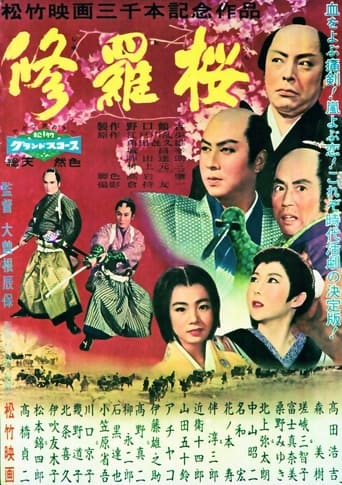
Shochiku's commemorative 3000th film production; a suspenseful period drama.
The Hidden Treasure
1959
 NR
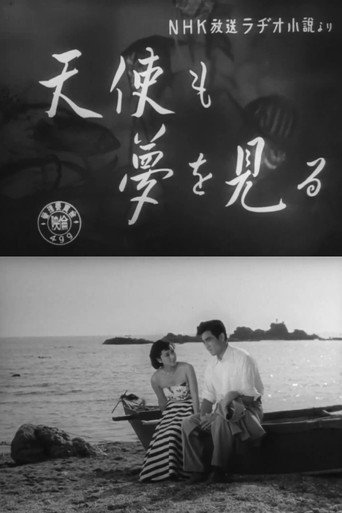
No synopsis available yet.
An Angel Dreams Too
1951
 9.0
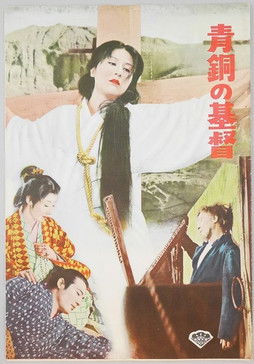
Christian converts face persecution in the feudal society of 17th century Japan.
Christ in Bronze
1955
 8.0
It chronicles the experiences of a neighbourhood doctor, whose taste for tonkatsu (a popular Japanese dish, similar to a pork schnitzel) earns him the nickname ‘the pork cutlet prince’ (‘Tonkatsu Taisho’, the film’s Japanese title) from the affectionate residents of the tenement in which he lives. When a local hospital, run by a female doctor, plans to expand, the future of the tenement is called into question.
Our Chief, Our Doctor
1952
 NR
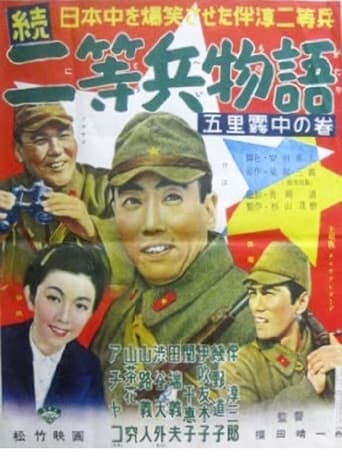
First sequel to "Story of Second Class Private".
Story of Second Class Private, Sequel
1956
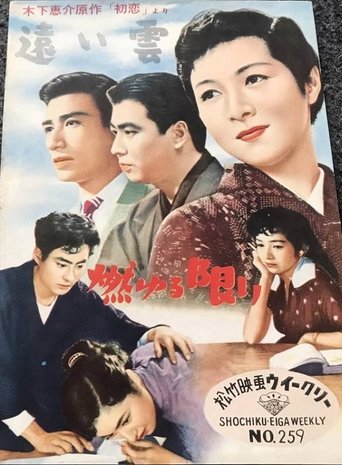 NR
The Nakata family, father, mother, son Hideo, and daughters Taeko and Akiko live in the poorer section of modern Tokyo. Their troubles start when the father leaves with another woman, returns after he is rejected, and leaves again with the family's money.
Next Door to Happiness
1955
 NR
No synopsis available yet.
Red Fan
1952
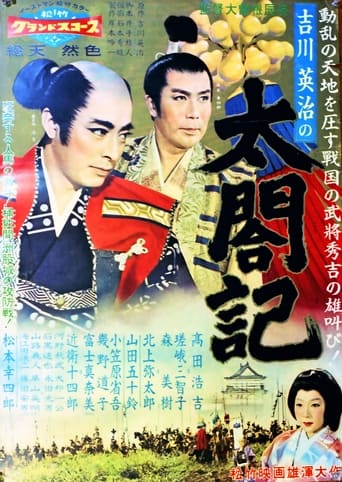 6.5
From birth Hideyoshi was a restless, defiant spirit--a child of the poorest of the poor. Cast out of his peasant cottage, he would live by his wits, driven by his burning ambition to become a samurai and to find a warlord worth pledging his sword to. This is the story of his rise, and the thunderous battle he pinned his hopes on. The challenge that had already ruined and bloodied the armies of higher-ranking samurai than Hiyoshi. The battle that brought him rank, fame and fortune and transformed him into Hashiba Hideyoshi, right-hand man to the ruthless Lord Oda Nobunaga, and would drive him on to conquer Japan.
Taikoki - The Saga of Hideyoshi
1958
 NR
No synopsis available yet.
Ma no kisetsu: Haru no mizuumi
1956
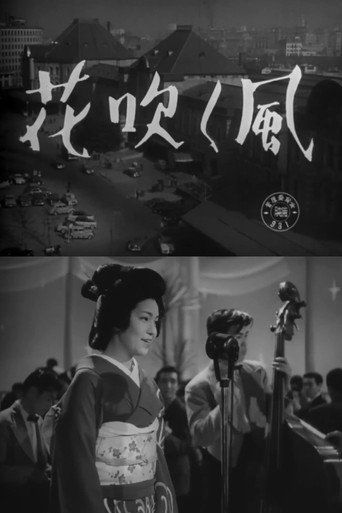 NR
No synopsis available yet.
Hana fuku kaze
1953
 NR
No synopsis available yet.
男の哀愁
1951
 NR
First film in a series of military-themed comedies from Shochiku.
Private Second Class
1955
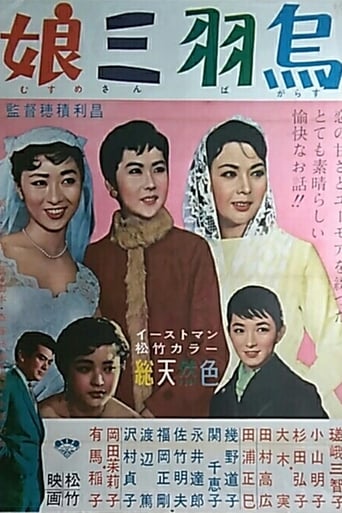 NR
Japanese romantic comedy film.
The Adorable Trio
1957
 NR
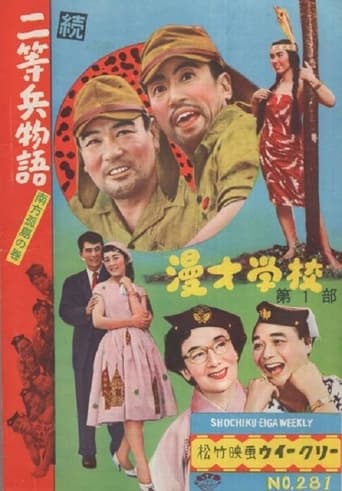
Second sequel to "Story of Second Class Private".
続二等兵物語 南方孤島の巻
1956
 NR
No synopsis available yet.
Gendai Mushuku
1958
 NR
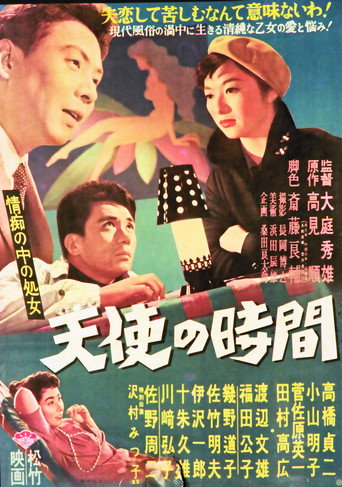
Film about the life of a bitter female reporter with a pure heart.
Angel Time
1957
 NR
The Matsukawa family lived modestly as a close-knit trio of mother and daughters, relying on the income from the younger daughter, Motoko, who worked at a Western-style clothing store in Ginza, and their meager savings. This film was adapted from Nakano Minoru's original work "Otohime-sama Gojouiki" (The Landing of Princess Otohime), serialized in Lucky magazine.
Tekirei san'nin musume
1951
1940s · 5 titles
NR1945 Japanese movie
A New Breeze
1945
Five regulars at “Maxwell,” a cabaret tucked away in the back streets of Ginza—including Chida and Numai—are once again having a lively discussion with the hostess, Mari, about which of the five she likes best. Upon learning that Mari likes Numai, Chida and the others congratulate the pair, but just then, Mari’s younger brother, Daisuke, shows up to beg for money. Chida, Numai, and other three regulars at the cabaret "Maxwell" in the back streets of Ginza are excited to talk to the hostess, Mari, about which of the five she likes best. After learning that Mari likes Numai, Chida and his friends congratulate them, but then Mari's younger brother, Daisuke, shows up to ask for money.
The Fifth Witness
1948
 NR
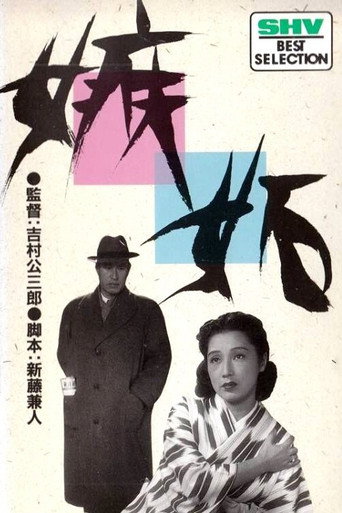
No synopsis available yet.
Jealousy
1949
 7.0
The film features the first scene with kissing in a Japanese film. Kiss scenes were encouraged by the American occupiers of Japan following World War II as it encouraged westernization and contrasted with the traditional bow prevalent in that country.
Twenty-Year-Old Youth
1946
A small-time thug fresh out of prison is lured back onto the path of crime and joins a gang of safe-crackers.
The Follower
1948