
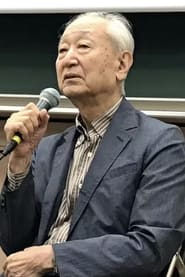
Directing
Eizō Yamagiwa
Born — Died
1932-07-22 — 2024-11-28
Place of birth
Kobe, Hyogo Prefecture, Japan
Known for
Directing
Credits
4 titles
Known for
 NR
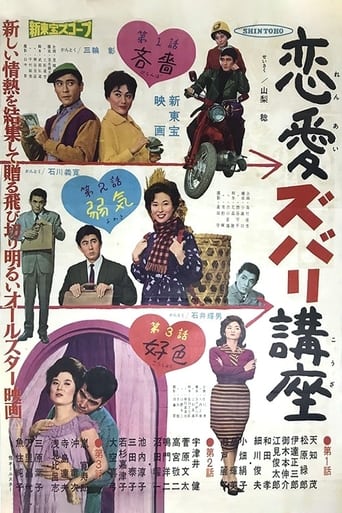
NRA omnibus movie consisting of the three parts: "Kechinbo", "Yowak" and "Kōshoku".
Straight Talk on Romance: The Definitive Guide
1961
 NR
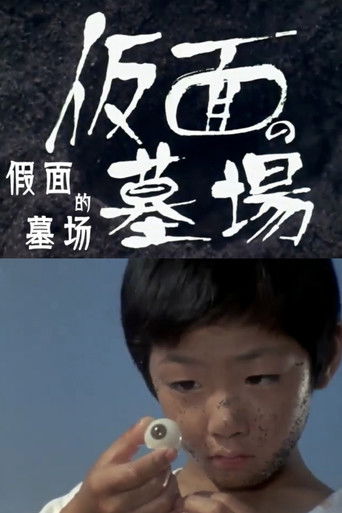
NRIn a struggling small theater troupe, director Inuo pressures an actor to perform a death role with extreme intensity, resulting in a fatal accident. Despite the tragedy, Inuo attempts to proceed with the scheduled performance. Legendary underground theater performers Jūrō Kara and Mako Midori appear in the episode, exploring themes of theatre performance, obsession, and the boundary between reality and illusion.
Graveyard of Masks
1973
 NR
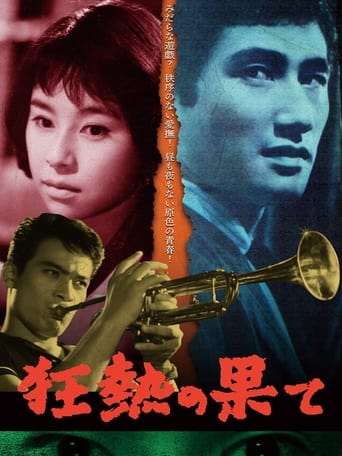
NRA leading postwar Japanese film critic and theorist who co-founded the seminal film magazine Eiga Hihyo (Film Criticism) in 1957, Eizo Yamagiwa made his directorial debut with this independent feature—long thought lost until a negative was recently discovered—about a group of idle bourgeois students known as the “Roppongi Tribe” (Roppongi zoku). Depicting the resignation and nihilism of the postwar generation in the years following the Anpo Treaty conflicts through a coming-of-age narrative, Yamagiwa offers sharp criticism of the prevalent characterizations of Japan's new youth offered by Nikkatsu's taiyozoku (“Sun Tribe”) films and the New Wave at large.
The End of Love
1961
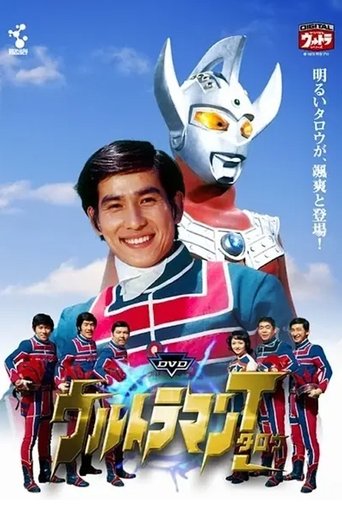 NR
NRNo synopsis available yet.
Ultraman Taro: Like the Sun, Mother of Ultra
1973
Behind the camera
NRA omnibus movie consisting of the three parts: "Kechinbo", "Yowak" and "Kōshoku".
Straight Talk on Romance: The Definitive Guide
1961
NRIn a struggling small theater troupe, director Inuo pressures an actor to perform a death role with extreme intensity, resulting in a fatal accident. Despite the tragedy, Inuo attempts to proceed with the scheduled performance. Legendary underground theater performers Jūrō Kara and Mako Midori appear in the episode, exploring themes of theatre performance, obsession, and the boundary between reality and illusion.
Graveyard of Masks
1973
NRA leading postwar Japanese film critic and theorist who co-founded the seminal film magazine Eiga Hihyo (Film Criticism) in 1957, Eizo Yamagiwa made his directorial debut with this independent feature—long thought lost until a negative was recently discovered—about a group of idle bourgeois students known as the “Roppongi Tribe” (Roppongi zoku). Depicting the resignation and nihilism of the postwar generation in the years following the Anpo Treaty conflicts through a coming-of-age narrative, Yamagiwa offers sharp criticism of the prevalent characterizations of Japan's new youth offered by Nikkatsu's taiyozoku (“Sun Tribe”) films and the New Wave at large.
The End of Love
1961
NRNo synopsis available yet.
Ultraman Taro: Like the Sun, Mother of Ultra
1973