

Known for
 6.5
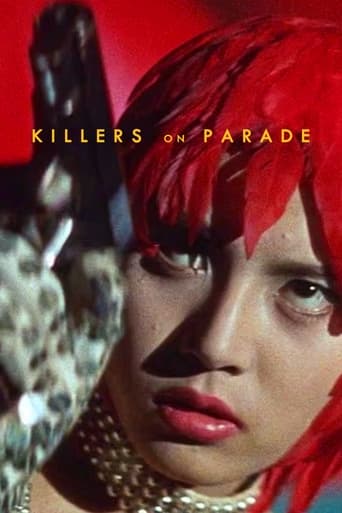
A vengeful contractor hires a series of young killers to target a woman muckraker. Trouble brews when an amateur marksman shows up his eclectic competition.
Killers on Parade
1961
 NR
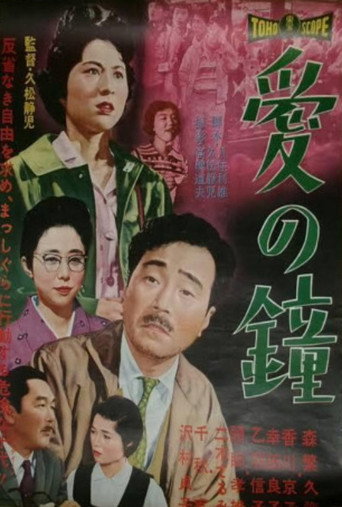
No synopsis available yet.
The Bell of Love
1959
 5.6
A photographer for a weekly magazine becomes obsessed with Nami, a woman he first saw getting brutally raped in an underground porn video. After tracking her down, he begins an affair with her, initially unaware that she is also in an abusive relationship with Muraki, the man responsible for the video that started it all.
Rouge
1984
 NR
A young journalist is writing an article on what happens to girls who are raped. He uncovers the story of a young girl who committed suicide when recognized by her former fiancee after she had become a prostitute. Other stories are interwoven, and the journalist finally comes to the conclusion, which he publishes, that "keeping your virginity until your wedding day will never be a source of regret for either men or women."
Loss of Innocence
1965
 NR
One of the earliest of sukeban / girl boss type eiga
Delinquent Angel
1960
 NR
On his way to Tokyo one night, a truck driver picks up a country girl and has his way with her amidst a forest. A few days later he loses his job after a run-in with some punks, but is offered a job by a gangster impressed by his fighting skills. He tries to make amends with the girl he ravished, but becomes caught up in the ways of the underworld...
Mahiru no wana
1960
Film credits
1960s · 7 titles
6.5A vengeful contractor hires a series of young killers to target a woman muckraker. Trouble brews when an amateur marksman shows up his eclectic competition.
Killers on Parade
1961
NRA young journalist is writing an article on what happens to girls who are raped. He uncovers the story of a young girl who committed suicide when recognized by her former fiancee after she had become a prostitute. Other stories are interwoven, and the journalist finally comes to the conclusion, which he publishes, that "keeping your virginity until your wedding day will never be a source of regret for either men or women."
Loss of Innocence
1965
NROne of the earliest of sukeban / girl boss type eiga
Delinquent Angel
1960
NROn his way to Tokyo one night, a truck driver picks up a country girl and has his way with her amidst a forest. A few days later he loses his job after a run-in with some punks, but is offered a job by a gangster impressed by his fighting skills. He tries to make amends with the girl he ravished, but becomes caught up in the ways of the underworld...
Mahiru no wana
1960
 6.3
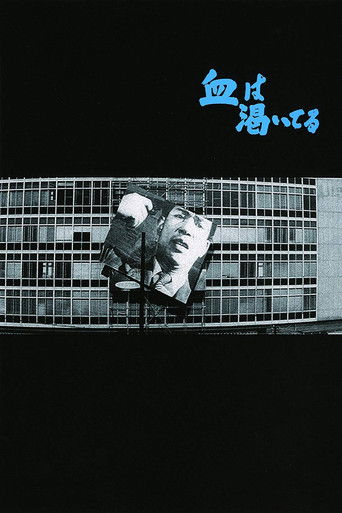
An employee in an assurance company threatens to commit suicide when management announces a massive layoff, the company uses this threat to its own advantage by turning the incident into an advertising campaign. With the success of the campaign, however, he is no longer a desperate man pointing a gun to his head, but a potential leader who wishes to take advantage of his failed suicide.
Blood Is Dry
1960
 NR
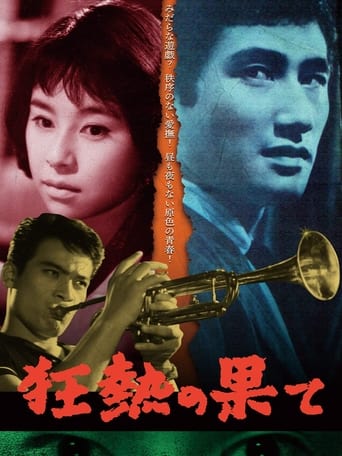
A leading postwar Japanese film critic and theorist who co-founded the seminal film magazine Eiga Hihyo (Film Criticism) in 1957, Eizo Yamagiwa made his directorial debut with this independent feature—long thought lost until a negative was recently discovered—about a group of idle bourgeois students known as the “Roppongi Tribe” (Roppongi zoku). Depicting the resignation and nihilism of the postwar generation in the years following the Anpo Treaty conflicts through a coming-of-age narrative, Yamagiwa offers sharp criticism of the prevalent characterizations of Japan's new youth offered by Nikkatsu's taiyozoku (“Sun Tribe”) films and the New Wave at large.
The End of Love
1961
 NR
1961 Japanese movie
Taiyō o iru mono
1961
1950s · 2 titles
NRNo synopsis available yet.
The Bell of Love
1959
 NR
Explicit drama about a young woman who becomes involved with a group of college students who play "spin-the-bottle" and the women must make love or strip. The woman, Junko, becomes involved with Makoto, leader of the gang, becomes pregnant, has an abortion, then gets involved with an architect.
The Cola Game
1959