
Acting
Mitsuko Sawamura
Born — Died
1941-12-01 — 2008-03-11
Known for
Acting
Credits
11 titles
Known for
 7.5
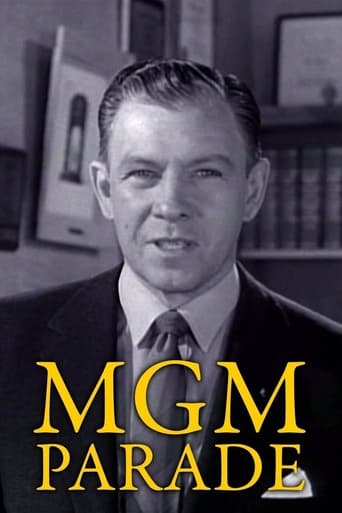
7.5The original concept of the show was to allow the viewer to see the inner workings of a movie studio and featured interviews with MGM stars and explanations of how movies were made. Later, the format changed to show edited versions of MGM films.
MGM Parade
1955
 4.5
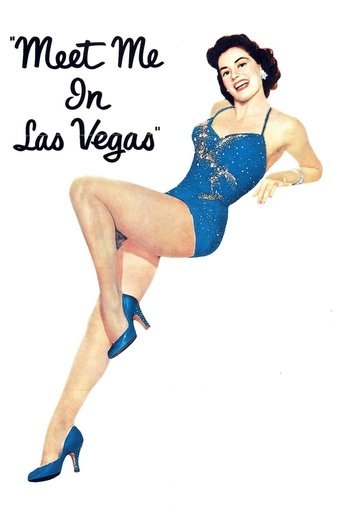
4.5Chuck Rodwell is a gambling cowboy who discovers that he's lucky at the roulette wheel if he holds hands with dancer Marie. However, Marie doesn't like to hold hands with him, at least not in the beginning...
Meet Me in Las Vegas
1956
 6.2
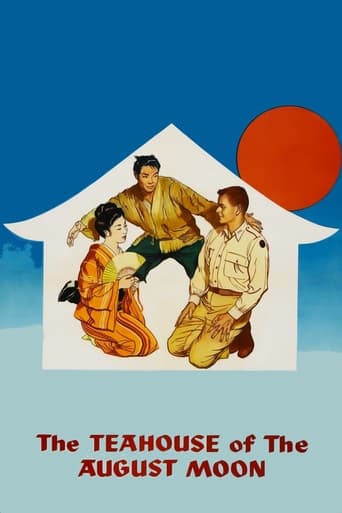
6.2In post-WWII Japan, an American captain is brought in to help build a school, but the locals want a teahouse instead.
The Teahouse of the August Moon
1957
 NR
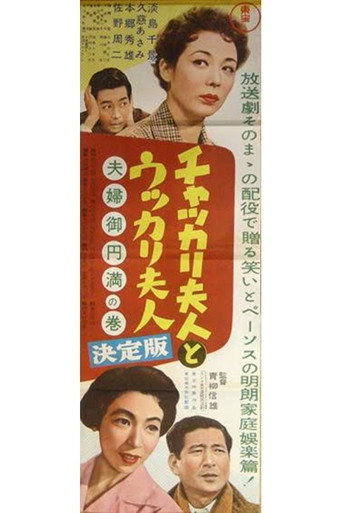
NRNo synopsis available yet.
Careful Wife and Careless Wife: A Peaceful Couple
1956
 NR
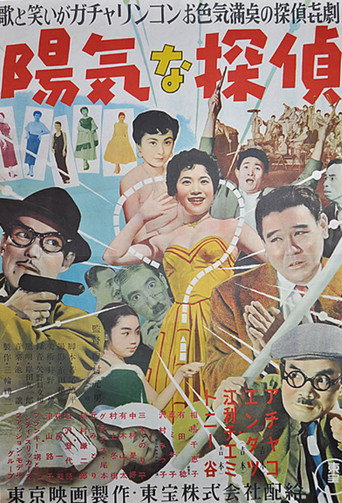
NRAfter graduating from detective school, Achao and Entaro received their certificates and launched a private detective agency. One night, while investigating Otoyo, the wife of a soba shop owner, the two went to the basement of a theater and unexpectedly stumbled upon the murder of model Ranko Nemoto. Using the earring she was wearing as a clue, they began their investigation.
Cheerful Detective
1954
 6.5
6.5This short promotional film provides a behind-the-scenes look at "The Teahouse of the August Moon" (1956).
Operation Teahouse
1956
Film credits
1950s · 9 titles
4.5Chuck Rodwell is a gambling cowboy who discovers that he's lucky at the roulette wheel if he holds hands with dancer Marie. However, Marie doesn't like to hold hands with him, at least not in the beginning...
Meet Me in Las Vegas
1956
6.2In post-WWII Japan, an American captain is brought in to help build a school, but the locals want a teahouse instead.
The Teahouse of the August Moon
1957
NRNo synopsis available yet.
Careful Wife and Careless Wife: A Peaceful Couple
1956
NRAfter graduating from detective school, Achao and Entaro received their certificates and launched a private detective agency. One night, while investigating Otoyo, the wife of a soba shop owner, the two went to the basement of a theater and unexpectedly stumbled upon the murder of model Ranko Nemoto. Using the earring she was wearing as a clue, they began their investigation.
Cheerful Detective
1954
6.5This short promotional film provides a behind-the-scenes look at "The Teahouse of the August Moon" (1956).
Operation Teahouse
1956
 NR
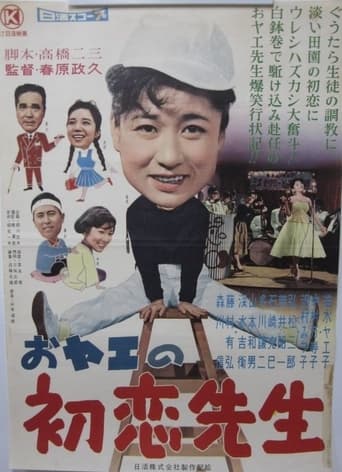
NRA hilarious comedy where newly appointed teacher Oyae shows off her unusual plays as she fights alone against a group of five bad boys.
Oyae no hatsukoi sensei
1959
 NR
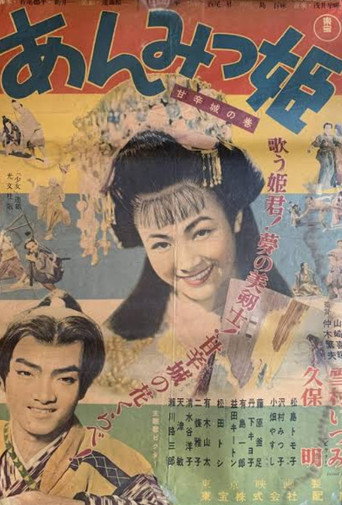
NRNo synopsis available yet.
Anmitsu hime: Amakara shiro no maki
1954
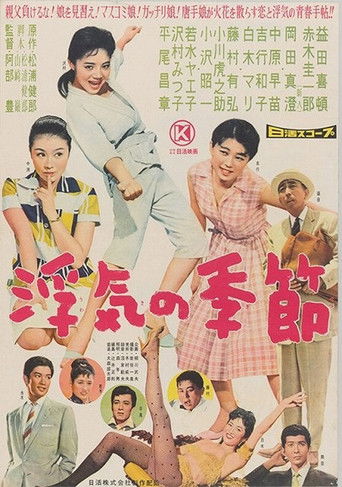 NR
NRShozo, a personnel manager nearing retirement, had three daughters around their age. The eldest daughter, Naoko, is the brilliant type, the second daughter, Maki, is the manly type, and the third daughter, Momoko, is the tomboyish type.
Season of Affairs
1959
 NR
NRNo synopsis available yet.
おヤエの女中の大将
1959