

Acting
Harpo
Born
1950-04-05 (76)
Place of birth
Stockholm, Sweden
Known for
Acting
Credits
11 titles
Harpo Svensson, born in 1950 in Bandhagen, Stockholm, is a Swedish singer and songwriter best known for his international hit "Moviestar" from 1975. During the 1970s, he released several successful singles, including "Honolulu," "Sayonara," and "Horoscope," establishing himself as one of Sweden’s biggest music exports. Especially in Germany, he has a large and loyal audience, where "Moviestar" remains one of the most played songs on the radio. After a serious harness racing accident in 1980, which left him blind in one eye and caused loss of his sense of smell, Harpo withdrew from the music scene and settled on a farm in Halland, where he became a harness racing trainer and horse breeder. …
Known for
 2.8
No synopsis available yet.
ZDF-Fernsehgarten
1986
The show was meant to compete with those on West German television. To this end it was fairly successful even attracting a following in parts of West Germany which could receive Eastern TV. Its production values were high. Apart from song and dance numbers and appearances from East German celebrities, almost every broadcast featured well-known stars from the west, often after their popularity had peaked in their home countries.
Ein Kessel Buntes
1972
No synopsis available yet.
Willkommen bei Carmen Nebel
2004
 NR
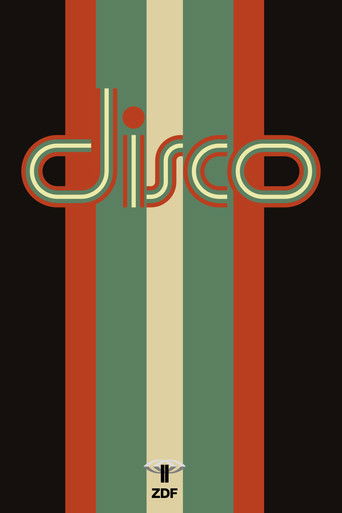
Disco was a pop music program that aired in Germany on the ZDF network from 1971 to 1982. It generally aired on the first Saturday of each month at 7:30PM, each show running 45 minutes. 133 shows were produced. The show was hosted by German actor and comedian Ilja Richter. Its lesser known predecessor on ZDF, 4-3-2-1 Hot & Sweet was aired between 1966 and 1970, presenters included Ilja Richter and Suzanne Doucet. Disco generally served a younger pop-oriented audience compared to ZDF's Hitparade, and until 1972, its main competitor was Beat-Club, followed by Musikladen, both on ARD. Repeats of Disco have been aired since 1984 on ZDF Musikkanal, after its closedown in 1989 on 3sat. Since 2004, the digital ZDF Theaterkanal aired repeats of the entire series. In 2007, ZDF Dokukanal began to air reruns, starting with episodes from 1975 and also multiple repeats of the series have been shown on hit24 in 2008. The show focussed on chart hits current at the time of airing, giving about equal airtime to international pop music and German Schlager. Despite its name, it did not particularly focus on disco music although it featured many disco hits as long as they were chart relevant..
Disco
1971
No synopsis available yet.
Musik für Sie
1995
 6.5
"Så mycket bättre" is the Swedish version of the format "Beste Zangers". This is asinging reality show where each artist attempts to do their own version of another artists well-known songs, with each person getting an episode featuring all of their songs being performed by the other musicians. The artists spend eight days together at a hotel in Gotland, where they attempt to put their own stamps on the songs.
Så mycket bättre
2010
Film credits


Series credits
2.8No synopsis available yet.
ZDF-Fernsehgarten
1986
The show was meant to compete with those on West German television. To this end it was fairly successful even attracting a following in parts of West Germany which could receive Eastern TV. Its production values were high. Apart from song and dance numbers and appearances from East German celebrities, almost every broadcast featured well-known stars from the west, often after their popularity had peaked in their home countries.
Ein Kessel Buntes
1972
No synopsis available yet.
Willkommen bei Carmen Nebel
2004
NRDisco was a pop music program that aired in Germany on the ZDF network from 1971 to 1982. It generally aired on the first Saturday of each month at 7:30PM, each show running 45 minutes. 133 shows were produced. The show was hosted by German actor and comedian Ilja Richter. Its lesser known predecessor on ZDF, 4-3-2-1 Hot & Sweet was aired between 1966 and 1970, presenters included Ilja Richter and Suzanne Doucet. Disco generally served a younger pop-oriented audience compared to ZDF's Hitparade, and until 1972, its main competitor was Beat-Club, followed by Musikladen, both on ARD. Repeats of Disco have been aired since 1984 on ZDF Musikkanal, after its closedown in 1989 on 3sat. Since 2004, the digital ZDF Theaterkanal aired repeats of the entire series. In 2007, ZDF Dokukanal began to air reruns, starting with episodes from 1975 and also multiple repeats of the series have been shown on hit24 in 2008. The show focussed on chart hits current at the time of airing, giving about equal airtime to international pop music and German Schlager. Despite its name, it did not particularly focus on disco music although it featured many disco hits as long as they were chart relevant..
Disco
1971
No synopsis available yet.
Musik für Sie
1995
6.5"Så mycket bättre" is the Swedish version of the format "Beste Zangers". This is asinging reality show where each artist attempts to do their own version of another artists well-known songs, with each person getting an episode featuring all of their songs being performed by the other musicians. The artists spend eight days together at a hotel in Gotland, where they attempt to put their own stamps on the songs.
Så mycket bättre
2010
 NR
No synopsis available yet.
Go'kväll
1997
 NR
Popstar and food enthusiast Benjamin Ingrosso invites Swedish celebrities to dinner.
Benjamin's
2021