
Acting
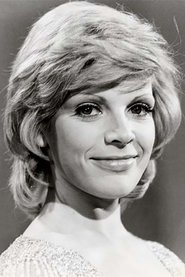
Séverine
Born
1948-10-10 (77)
Place of birth
Paris, France
Known for
Acting
Credits
19 titles
Séverine (born Josiane Grizeau; 10 October 1948) is a French singer. Séverine won the Eurovision Song Contest in 1971 for Monaco, performing "Un banc, un arbre, une rue" (A bench, a tree, a street), with music by Jean-Pierre Bourtayre and words by Yves Dessca. It was recorded in English as "Chance in Time", in German as "Mach die Augen zu (und wünsch dir einen Traum)" and Italian as "Il posto". The original French version made #9 in the UK Singles Chart in May 1971, whereas the English version, released on CBS rather than Philips, did not chart. The song charted highly in most other European markets. Séverine had further success in France and Germany, but never again on an international sca…
Known for
The ZDF-Hitparade, or Hitparade for short was one of the most popular and most well-known music television series presenting mostly German Schlager.
Die ZDF-Hitparade
1969
No synopsis available yet.
Die Drehscheibe
1964
 7.4
7.4The Eurovision Song Contest is an international song competition, organised annually by the European Broadcasting Union (EBU) and featuring participants representing primarily European countries. Each participating country submits an original song to be performed on live television and radio, transmitted to national broadcasters via the EBU's Eurovision and Euroradio networks, with competing countries then casting votes for the other countries' songs to determine the winner.
Eurovision Song Contest
1956
No synopsis available yet.
Samedi soir
1971
 8.0
8.0No synopsis available yet.
Discorama
1959
No synopsis available yet.
Zum blauen Bock
1957
Film credits
Series credits
The ZDF-Hitparade, or Hitparade for short was one of the most popular and most well-known music television series presenting mostly German Schlager.
Die ZDF-Hitparade
1969
No synopsis available yet.
Die Drehscheibe
1964
7.4The Eurovision Song Contest is an international song competition, organised annually by the European Broadcasting Union (EBU) and featuring participants representing primarily European countries. Each participating country submits an original song to be performed on live television and radio, transmitted to national broadcasters via the EBU's Eurovision and Euroradio networks, with competing countries then casting votes for the other countries' songs to determine the winner.
Eurovision Song Contest
1956
No synopsis available yet.
Samedi soir
1971
8.0No synopsis available yet.
Discorama
1959
No synopsis available yet.
Zum blauen Bock
1957
 6.5
6.5No synopsis available yet.
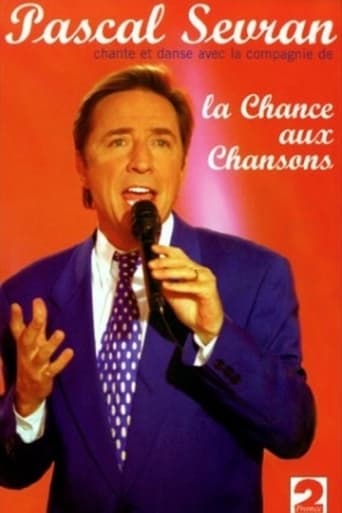
La Chance aux chansons
1984
No synopsis available yet.
Système 2
1975
The show was meant to compete with those on West German television. To this end it was fairly successful even attracting a following in parts of West Germany which could receive Eastern TV. Its production values were high. Apart from song and dance numbers and appearances from East German celebrities, almost every broadcast featured well-known stars from the west, often after their popularity had peaked in their home countries.
Ein Kessel Buntes
1972
The show was meant to compete with those on West German television. To this end it was fairly successful even attracting a following in parts of West Germany which could receive Eastern TV. Its production values were high. Apart from song and dance numbers and appearances from East German celebrities, almost every broadcast featured well-known stars from the west, often after their popularity had peaked in their home countries.
Ein Kessel Buntes
1972
No synopsis available yet.
Willkommen bei Carmen Nebel
2004
No synopsis available yet.
Musik aus Studio B
1961
 NR
NRDisco was a pop music program that aired in Germany on the ZDF network from 1971 to 1982. It generally aired on the first Saturday of each month at 7:30PM, each show running 45 minutes. 133 shows were produced. The show was hosted by German actor and comedian Ilja Richter. Its lesser known predecessor on ZDF, 4-3-2-1 Hot & Sweet was aired between 1966 and 1970, presenters included Ilja Richter and Suzanne Doucet. Disco generally served a younger pop-oriented audience compared to ZDF's Hitparade, and until 1972, its main competitor was Beat-Club, followed by Musikladen, both on ARD. Repeats of Disco have been aired since 1984 on ZDF Musikkanal, after its closedown in 1989 on 3sat. Since 2004, the digital ZDF Theaterkanal aired repeats of the entire series. In 2007, ZDF Dokukanal began to air reruns, starting with episodes from 1975 and also multiple repeats of the series have been shown on hit24 in 2008. The show focussed on chart hits current at the time of airing, giving about equal airtime to international pop music and German Schlager. Despite its name, it did not particularly focus on disco music although it featured many disco hits as long as they were chart relevant..
Disco
1971
No synopsis available yet.
Unsere kleine Show - Musik zur blauen Stunde
1969
No synopsis available yet.
Musik liegt in der Luft
1991
 10.0
10.0No synopsis available yet.
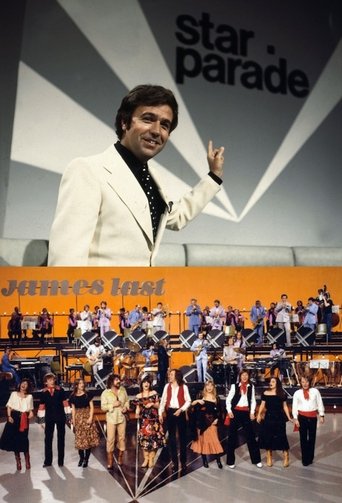
Starparade
1968
No synopsis available yet.
Das große Los
1996
 NR
NRNo synopsis available yet.
Das ZDF-Sommerhitfestival
1999