
Acting
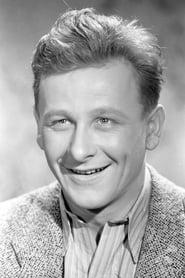
Mieczysław Stoor
Born — Died
1929-09-05 — 1973-10-05
Place of birth
Bojanowo k. Rawicza, wielkopolskie, Polska
Known for
Acting
Credits
54 titles
Mieczysław Stoor (5 September 1929 – 5 October 1973) was a Polish film actor. He appeared in 37 films between 1954 and 1973. While still a student, he performed at the Teatr im. Wojciech Bogusławski in Kalisz. In the theater, he made his debut on August 18, 1950 with the role of Stańczyk in the play Window in the Forest on the stage of the Kalisz stage. In 1953 he graduated from the Acting Department of the PWST in Łódź. In the years 1952-1953 he was an actor in the Universal Theater in Łódź, and in the 1953 season. From Wikipedia, the free encyclopedia
Known for
 7.8
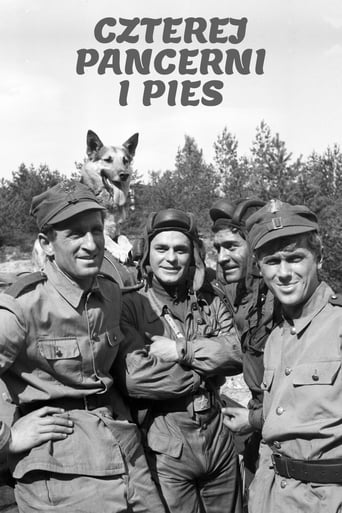
7.8Czterej pancerni i pies was a Polish black and white TV series based on the book by Janusz Przymanowski. Made between 1966 and 1970, the series is composed of 21 episodes of 55 minutes each, divided into three seasons. It is set in 1944 and 1945, during World War II, and follows the adventures of a tank crew and their T-34 tank in the 1st Polish Army. Although both the book and the TV series contain elements of pro-Soviet propaganda, they have achieved and retain a cult series status in Poland, Soviet Union and other Eastern Bloc countries. The T-34 tank Rudy with the identifying number "102", a German Shepherd dog from Siberia Szarik and to a lesser extent the crew Jan Kos, Gustaw Jeleń, Grigorij Saakaszwili, Tomasz Czereśniak, and their commander and mentor Olgierd Jarosz, as well as other heroes of the series, have become icons in Polish popular culture.
Four Tank-Men and a Dog
1966
 8.0
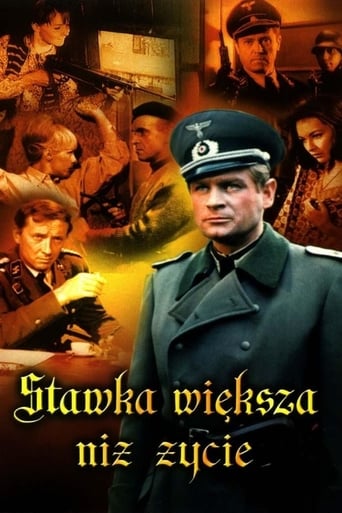
8.0A series about the adventures of a Polish secret agent, Hans Kloss, who acts as a double agent in the Abwehr during Second World War in occupied Poland.
More Than Life At Stake
1968
 9.0
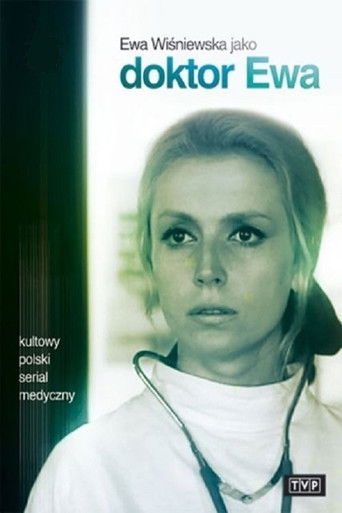
9.0Doctor Ewa Lipska, an attractive young woman just after graduation, with interesting professional prospects for the future, chooses the job of a village doctor. Brought up in a big city, she settles in the small town of Międzybórz in the Łódź Province. She is forced not only to overcome the daily difficulties resulting from medical practice in a rural health center, but also to learn to talk to people of a different mentality and gain the trust of her patients.
Doktor Ewa
1971
 6.4
6.4Polish Fanfan, the first Polish series from the "cloak and dagger" - written about the "black cloud" in the press of the 70's. Axis of the plot became a dramatic episodes of the struggle for the maintenance of the Polish Prussia. They remained in feudal depending on the Republic from 1525, when Albrecht Hohenzollern secularized religious state and filed in Krakow tribute to the Polish king.
Clouds of War
1973
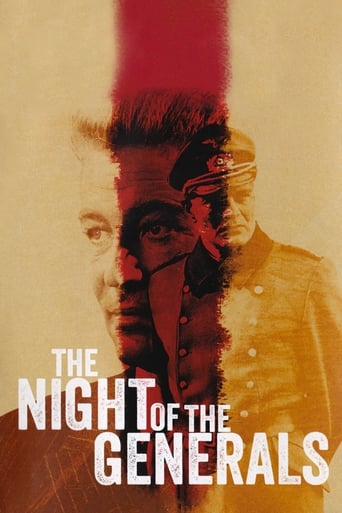 6.8
6.8A German intelligence officer investigates a prostitute's killing in Warsaw during World War II. He lands on three major Nazi generals as suspects, two of whom are also involved in a plot to kill Adolf Hitler.
The Night of the Generals
1967
No synopsis available yet.
Podziemny front
1965
Film credits
2020s · 1 titles
1970s · 12 titles
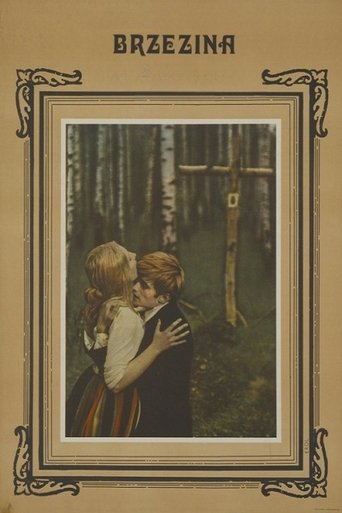 6.6
6.6A man suffering from tuberculosis returns from abroad to stay at his brother's farm, hoping to make amends, while also beginning a love affair with a farm girl.
The Birch Wood
1970
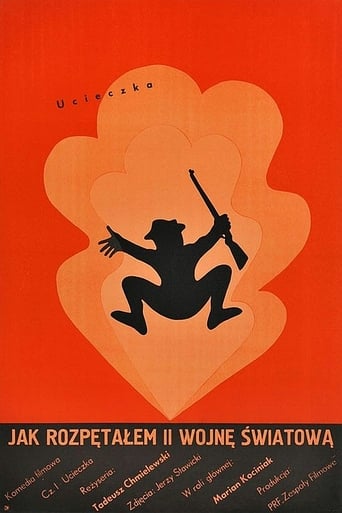 7.6
7.6On the night of August 31, 1939, Dolas, from a platoon reinforcing a train station on the German border, falls asleep in a train car and unknowingly crosses into Germany. The moment he shoots a German, who he thinks is a saboteur, the German invasion of Poland begins, and Dolas is convinced it was his fault. He is taken to Stalag POW camp, the first destination in his odyssey around Europe.
How I Unleashed World War II, Part I: The Escape
1970
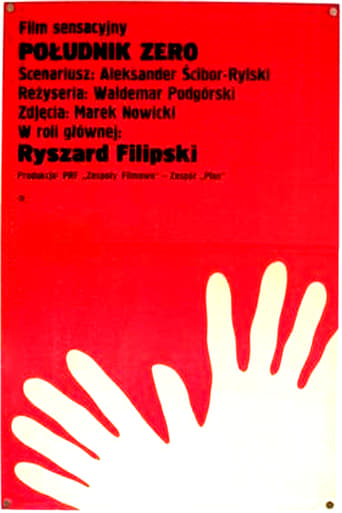 9.0
9.0Shortly after World War 2 a militiaman with the help of two Union of Young Struggle members wages war on a local gang terrorising a small Masurian town.
Południk zero
1971
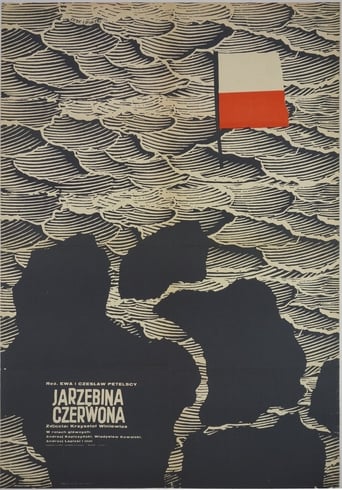 7.0
7.0The Polish Army fights to liberate Kołobrzeg from the Germans in the final months of World War 2.
Red Rowan
1970
 7.3
7.3Set at the turn of the century, the story concerns a Polish poet living in Cracow who has decided to marry a peasant girl. The wedding is attended by a heterogenous group of people from all strata of Polish society, who dance, get drunk and lament Poland's 100-year-long division under Russia, Prussia, and Austria. The bridegroom, a painter friend, and a journalist each in turn is confronted with spectres of Polish past.
The Wedding
1973
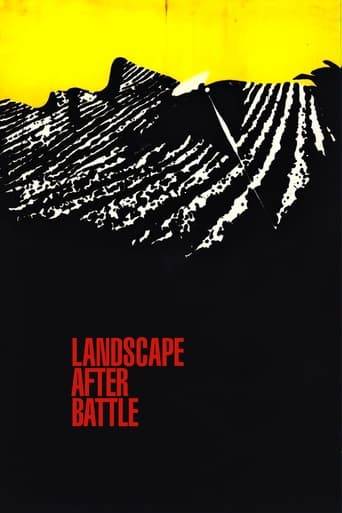 6.1
6.1Film opens with the mad rush of haphazard freedom as the concentration camps are liberated. Men are trying to grab food, change clothes, bury their tormentors they find alive. Then they are herded into other camps as the Allies try to devise policy to control the situation. A young poet who cannot quite find himself in this new situation, meets a headstrong Jewish young girl who wants him to run off with her, to the West. He cannot cope with her growing demands for affection, while still harboring the hatred for the Germans and disdain for his fellow men who quickly revert to petty enmities.
Landscape After Battle
1970
A chance meeting at a dinner table reveals the culprit of an old thought-to-be-solved murder.
Wiktoryna, czyli czy pan pochodzi z Beauvais?
1972
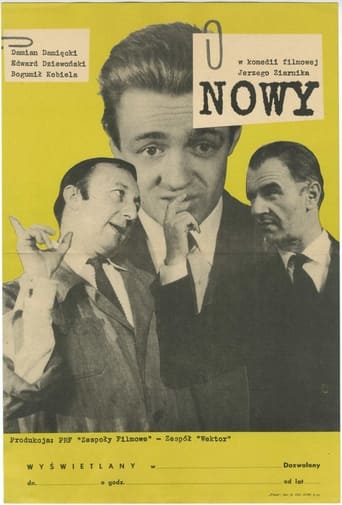 7.0
7.0A young man looking for work in Warsaw has to overcome many hurdles in the world of bureaucracy to finally get employed.
Nowy
1970
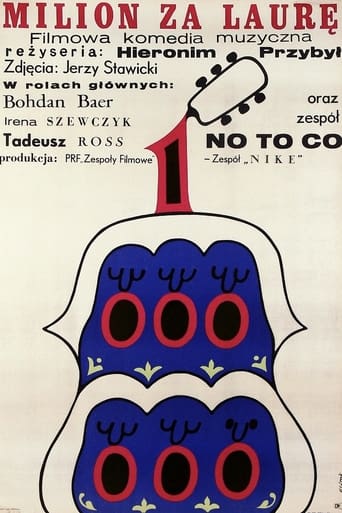 7.5
7.5An antique guitar brings upon a series of increasingly fantastical encounters.
Milion za Laurę
1971
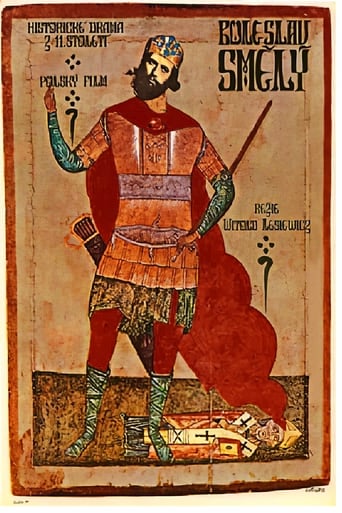 6.6
6.6Portrays the power struggle between the king of Poland, Bolesław the Bold, and the Bishop of Kraków, Stanisław Szczepanowski.
Bolesław Śmiały
1972
An old man's death leads to a high-profile police investigation, who connect the crime with the search for lost corsair treasure.
Skarb trzech łotrów
1972
A young sea rescuer tries to find his place in the difficult world of his work.
In Any Weather
1970
1960s · 25 titles
6.8A German intelligence officer investigates a prostitute's killing in Warsaw during World War II. He lands on three major Nazi generals as suspects, two of whom are also involved in a plot to kill Adolf Hitler.
The Night of the Generals
1967
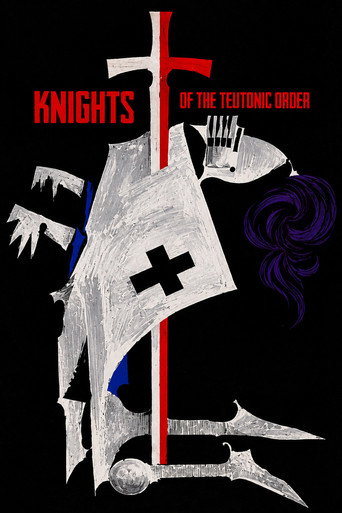 7.1
7.1A tale of a young impoverished nobleman, who with his uncle returns from a war against the order of the Teutonic Knights in Lithuania. He falls in love with a beautiful woman and pledges an oath to bring her "three trophies" from the Teutonic Knights.
Knights of the Teutonic Order
1960
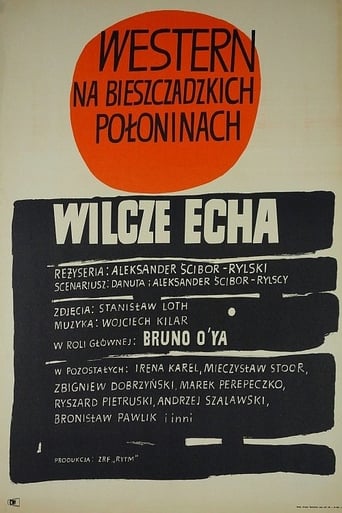 7.4
7.4A lonely Border Guard officer, with a girl and a former villain, has to face a local corrupt Militia commandant and his people in wild Bieszczady Mountains in the Polish East.
Wolves' Echoes
1968
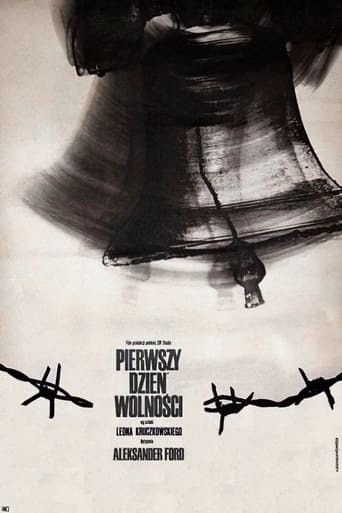 6.5
6.5Freed Polish soldiers are trapped in a small town in Germany during the last days of World War II. After a doctor's daughter is raped by a concentration camp worker, the Poles allow her and her father to stay in the house that is their temporary quarters. While waiting to be repatriated, the war-weary group is forced to fight some German soldiers who invade the town. The war brings out conflicting emotions of the Poles who find themselves trapped in the house and once again under fire from the enemy.
The First Day of Freedom
1964
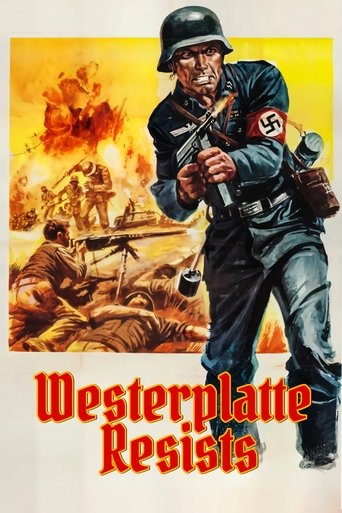 7.3
7.3Westerplatte is a small peninsula at the entry to the Gdańsk Harbour. Before World War II, it functioned as a Polish ammunition depot in the Free City of Danzig. Its crew consisted of one infantry company and a group of civilians, 182 people in total. It was the only Polish guard-post at the mouth of the Vistula River, with as little as five sentries, one field cannon, two anti-armour guns and four mortars. The first shots of World War II were fired there. This film tells the story of Westerplatte's courageous defenders.
Westerplatte Resists
1967
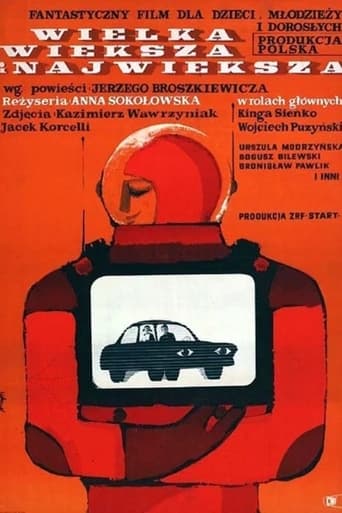 6.4
6.4A young boy and girl travel in a strange car and encounter various objects which come alive to help them. Eventually they leave the Earth altogether and visit a strange, new planet.
The Big, Bigger, and the Biggest
1963
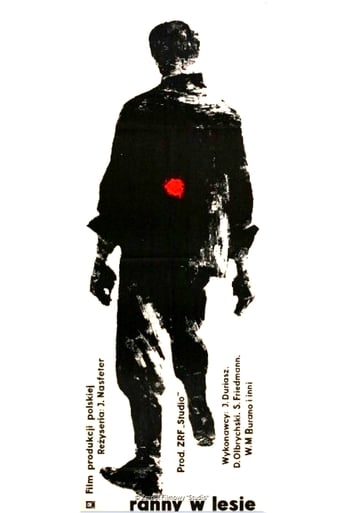 7.5
7.5While hiding from the Germans in the forest, young Polish corporal tries hard to fulfill his order to take care of a wounded lieutenant and wait for the doctor and transportation to come.
Wounded in the Forest
1964
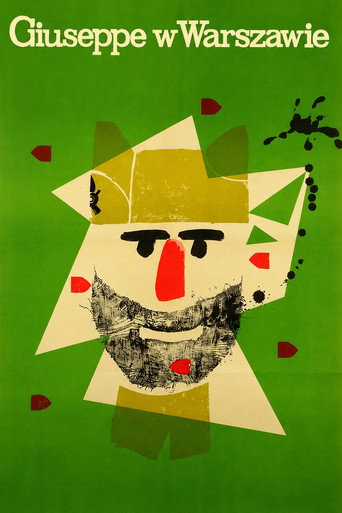 6.3
6.3The Italian soldier Giuseppe Santucci, on his way home from the Russian front has his machine gun stolen in Warsaw. Afraid of consequences, he stays in Warsaw and occupies a flat of the Polish girl Maria, whom he suspects of stealing weapon. Maria indeed is an active member of the Polish resistance, contrary to her brother, Staszek, a painter, who only wants a calm living. In a course of events Giuseppe falls in love and, along with Staszek, becomes a hero of the Polish resistance.
Giuseppe in Warsaw
1964
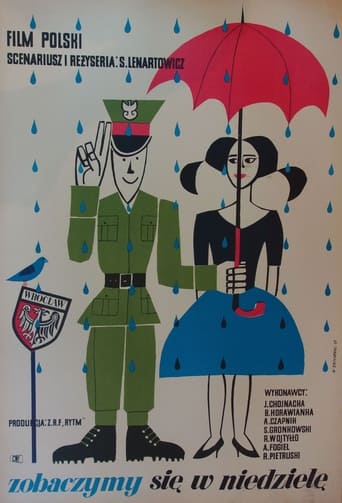 8.0
8.0Two soldiers spend their free Sunday in Wrocław.
Zobaczymy się w niedzielę
1960
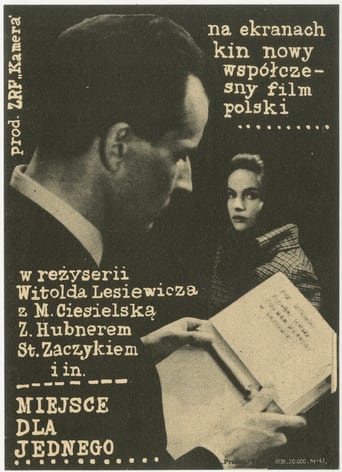 10.0
10.0The deputy director of a machine plant is injured in a car accident and loses important documents. An uncompromising controller is sent to the plant to investigate the matter.
Miejsce dla jednego
1966
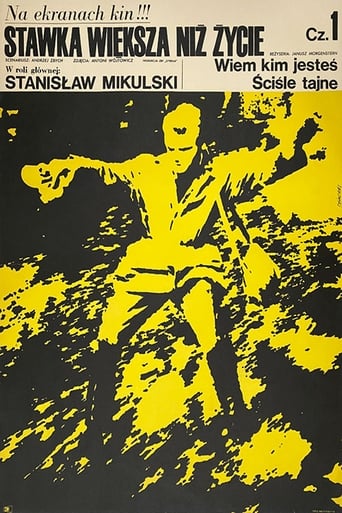 NR
NRThe first of six episode compilations of the TV show released theatrically, featuring episodes 1 and 3. In 1941, Polish soldier Stanisław Kolicki escapes German captivity only to be mistaken for the dashing Abwehr lieutenant Hans Kloss and recruited by the Soviets as their secret agent J-23. Under deep cover behind enemy lines, he feeds crucial intelligence to the Red Army while outwitting suspicions and dueling wits with the formidable SS officer Hermann Brunner.
More Than Life At Stake Part One
1969
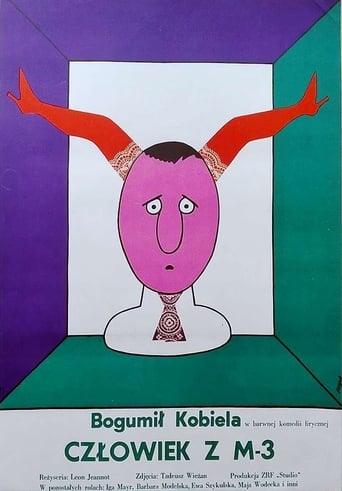 7.2
7.2A young doctor receives an allotment for a state-owned M-3 type flat, but to his disfortune only married couples have a right to an M-3, so he begins a frantic search for a wife.
Człowiek z M-3
1969
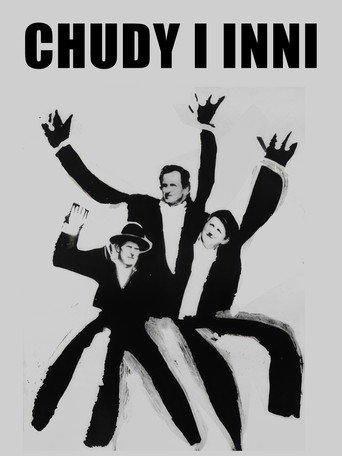 7.0
7.0A group of workers builds a bridge near a large dam. They get drunk with a visiting reporter, who falls into the river and disappears.
Skinny and Others
1967
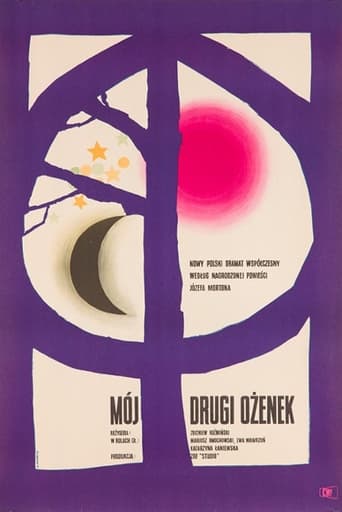 7.0
7.0After the death of his wife, Marcin stays alone with his growing son on the farm.
My Second Marriage
1964
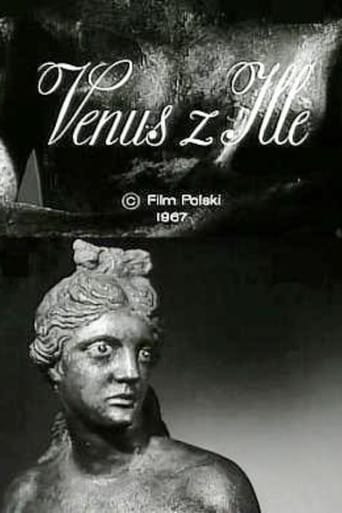 NR
NRJanusz Majewski adapts Prosper Mérimée’s 1835 tale of the same name, centering on a mysterious statue unearthed in a provincial town. The figure, sculpted as a tormented woman, becomes an ominous presence during a wedding celebration. When the groom impulsively slips his ring onto the statue’s finger—and cannot remove it—the joyous occasion descends into a nightmarish spiral of superstition, obsession, and the uncanny.
Venus of Ille
1969
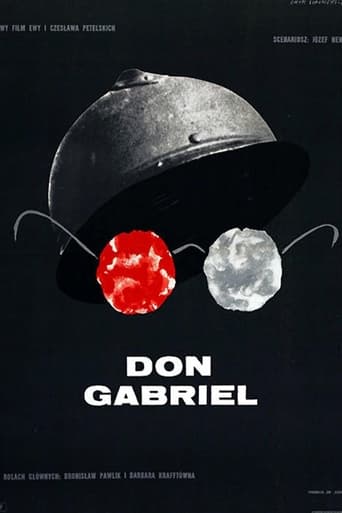 10.0
10.0The first Polish film to discuss the failure of September 1939 Polish-German war, seen from the point of view of a university intellectual, fascinated by German culture, who decides to take active part in the conflict.
Don Gabriel
1966
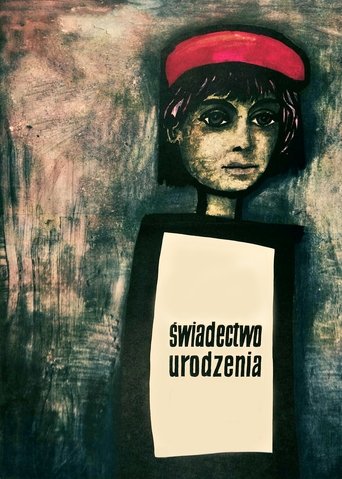 7.2
7.2Three separate stories depicting the tense everyday life during occupation, as seen through the eyes of children. In “On the Road,” the two main protagonists are lost in the September’s strife: a young boy, and a soldier transporting the valueless documents of his broken unit. In “Letter from the Concentration Camp” the story’s protagonists are young boys who help their mother during the hardships of the occupation. Their treasure is an officer uniform belonging their father who is being held in a prisoner of war camp. In “Blood Drop,” the Germans find a set of typical Aryan characteristics in this story’s protagonist – a Jewish girl, hiding in an orphanage.
Birth Certificate
1961
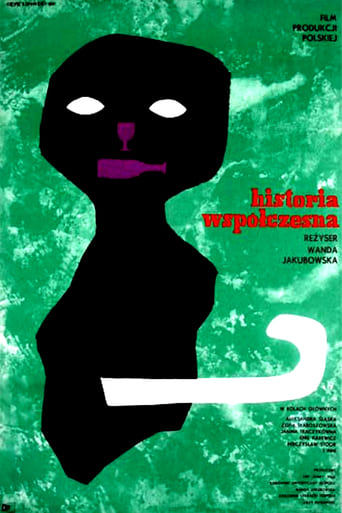 8.0
8.0Based on real events story of stealing methyl alcohol causing mass poisoning in town.
It Started Yesterday
1961
 5.7
5.7A mysterious man takes a writer back to the 19th century, where they meet Death.
Mistrz tańca
1969
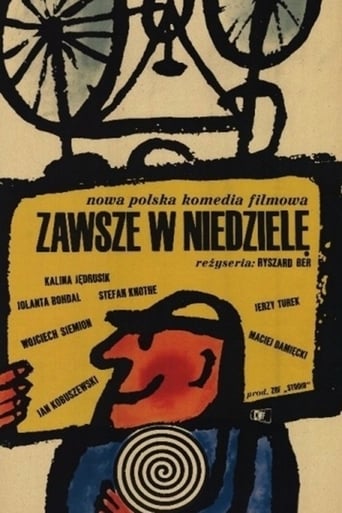 6.3
6.3Three short stories depicting the adventures of athletes from various disciplines. Reserve goalkeeper Antoni gets a chance to play in a match as a substitute for his sick teammate. Hanka and Piotr, although they are in love with each other, only meet at competitions. Adam is the first to arrive in the town where the finish line of a cycling race is located. The residents celebrate his victory.
Zawsze w niedziele
1966
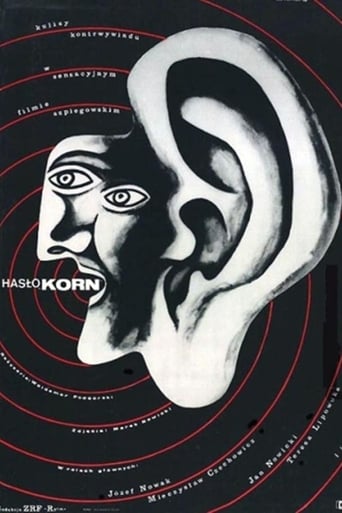 6.2
6.2An intelligence agent's murder bring upon a national investigation into a spy organisation called Korn.
Korn's Password
1968
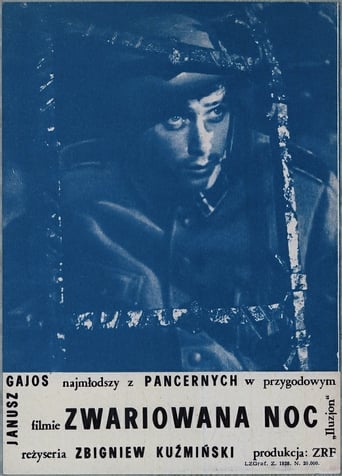 6.0
6.0Three Polish resistance fighters hide in an old castle inhabitated by an old baroness and her relatives.
Zwariowana noc
1967
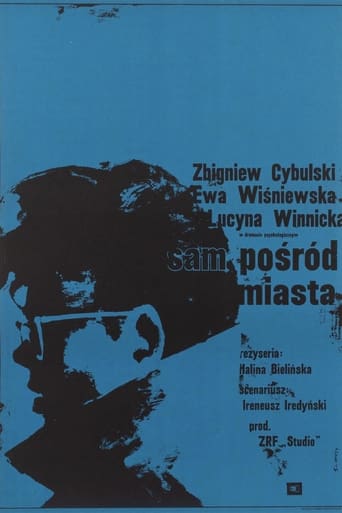 8.0
8.0Because of having a one-day plane delay, Konrad has to spend 24 hours wandering around Warsaw, visiting old friends and meeting some new ones.
Alone in the City
1965
 6.5
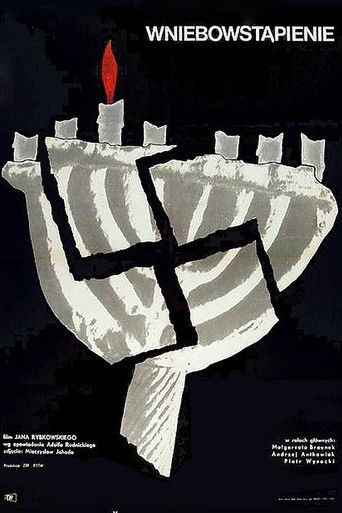
6.5The strain of German persecution causes a mental breakdown in a young Jew, which prompts his wife to take desperate measures.
Wniebowstąpienie
1969
 9.0
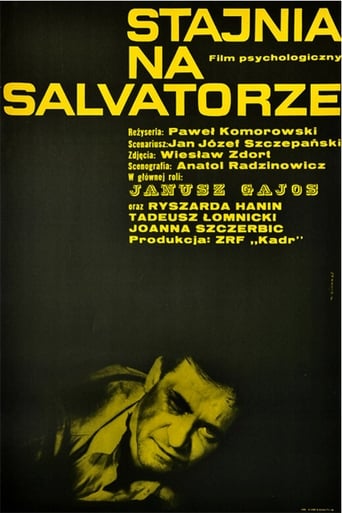
9.0WWII. Zyga, one of the Resistance soldiers in Kraków is arrested by Gestapo. Soon later the Germans make a number of other arrests and Zyga is accused of being an informer.
Stajnia na Salvatorze
1967
1950s · 6 titles
 7.5
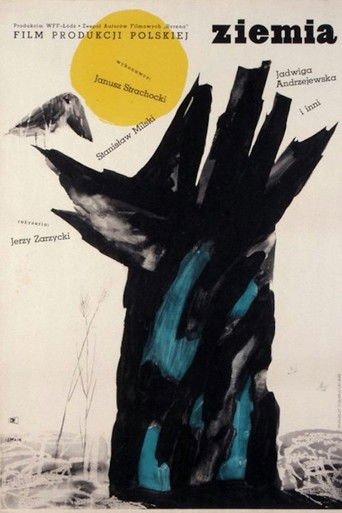
7.5Poland in the 50s, 20th century The process of collectivization of agriculture is under way. The wealthy Slumdog farmer is one of the last individual farmers who have not joined the cooperative and are trying to grow their own land. But it is very difficult - the unemployed mercenaries who paid for them run to cooperatives (where they have better conditions), the environment or the local authorities do not accept him as a kulak. Struggling with the problem of how to make a 40-hectare farm last, he remains alone in the face of a loss of land that he cannot cultivate.
Land
1957
 9.0
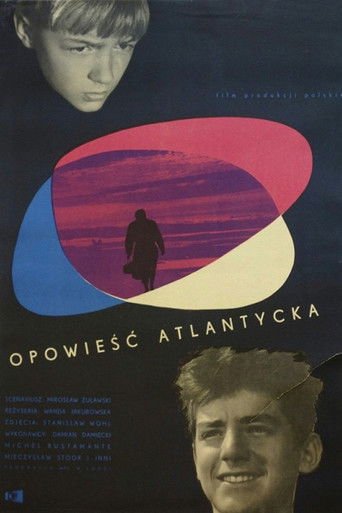
9.0The fate of a German found by the French peasants - a deserter from the Legion of Foreign Affairs fighting in Vietnam.
Atlantic Story
1955
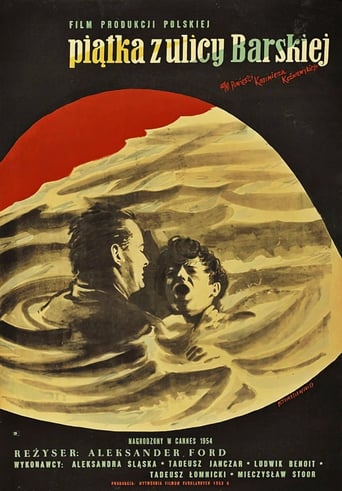 5.9
5.9In war-ravaged Warsaw, five juvenile delinquents are given probation for stealing, to rehabilitate themselves, but remain under the influence of their profiteer-boss.
Five Boys from Barska Street
1954
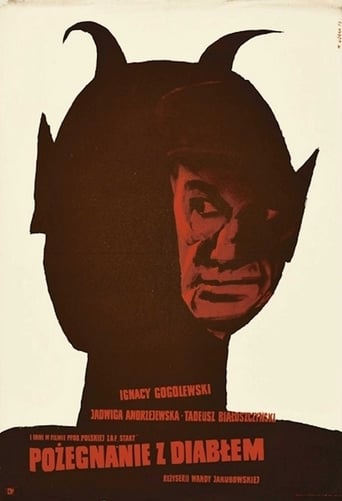 6.0
6.0A journalist investigates a mysterious murder in the countryside.
Farewell to the Devil
1957
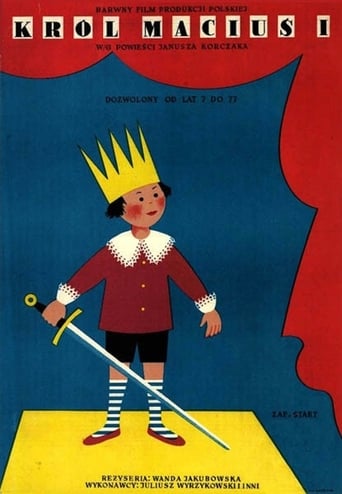 6.5
6.5A 10-year old boy becomes a king after the death of his father and tries to bring reforms to the country, with varying results
Król Maciuś I
1958
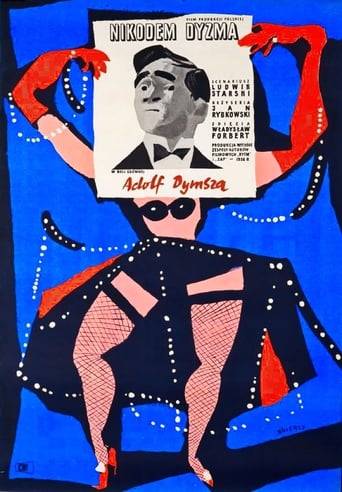 4.7
4.7Nikodem Dyzma is a poor dancer who comes to Warsaw to find a job. The problem is that nobody wants to hire him. One day he finds an invitation to the party with very important people and decides to attend. A small accident at the party makes him the hero of the night and becomes the beginning of his career.
Nikodem Dyzma
1956
Series credits
7.8Czterej pancerni i pies was a Polish black and white TV series based on the book by Janusz Przymanowski. Made between 1966 and 1970, the series is composed of 21 episodes of 55 minutes each, divided into three seasons. It is set in 1944 and 1945, during World War II, and follows the adventures of a tank crew and their T-34 tank in the 1st Polish Army. Although both the book and the TV series contain elements of pro-Soviet propaganda, they have achieved and retain a cult series status in Poland, Soviet Union and other Eastern Bloc countries. The T-34 tank Rudy with the identifying number "102", a German Shepherd dog from Siberia Szarik and to a lesser extent the crew Jan Kos, Gustaw Jeleń, Grigorij Saakaszwili, Tomasz Czereśniak, and their commander and mentor Olgierd Jarosz, as well as other heroes of the series, have become icons in Polish popular culture.
Four Tank-Men and a Dog
1966
8.0A series about the adventures of a Polish secret agent, Hans Kloss, who acts as a double agent in the Abwehr during Second World War in occupied Poland.
More Than Life At Stake
1968
8.0A series about the adventures of a Polish secret agent, Hans Kloss, who acts as a double agent in the Abwehr during Second World War in occupied Poland.
More Than Life At Stake
1968
9.0Doctor Ewa Lipska, an attractive young woman just after graduation, with interesting professional prospects for the future, chooses the job of a village doctor. Brought up in a big city, she settles in the small town of Międzybórz in the Łódź Province. She is forced not only to overcome the daily difficulties resulting from medical practice in a rural health center, but also to learn to talk to people of a different mentality and gain the trust of her patients.
Doktor Ewa
1971
6.4Polish Fanfan, the first Polish series from the "cloak and dagger" - written about the "black cloud" in the press of the 70's. Axis of the plot became a dramatic episodes of the struggle for the maintenance of the Polish Prussia. They remained in feudal depending on the Republic from 1525, when Albrecht Hohenzollern secularized religious state and filed in Krakow tribute to the Polish king.
Clouds of War
1973
No synopsis available yet.
Podziemny front
1965
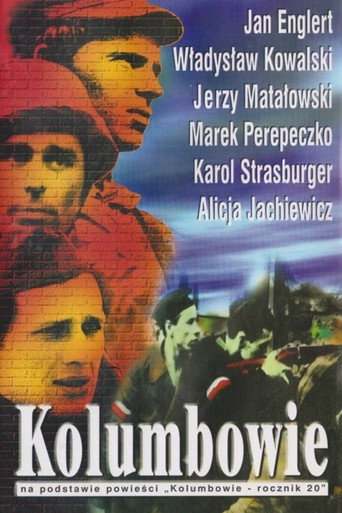 8.0
8.0Kolumbowie follows a group of Polish resistance fighters during WWII in the days leading up to the Warsaw Rising.
Colombuses
1970
No synopsis available yet.
Duhový luk
1973