

Acting
Bea Benaderet
Born — Died
1906-04-04 — 1968-10-13
Place of birth
New York, New York, USA
Known for
Acting
Credits
93 titles
Beatrice "Bea" Benaderet was an American actress born in New York City and raised in San Francisco, California. She appeared in a wide variety of television work, which included a starring role in the 1960s television series Petticoat Junction and Green Acres as Shady Rest Hotel owner Kate Bradley, supporting roles as Blanche Morton in The George Burns and Gracie Allen Show and as the voice of Betty Rubble during the first four seasons of The Flintstones, and in The Beverly Hillbillies as Pearl Bodine. She did a great deal of voice work in Warner Bros. animated cartoons of the 1940s/50s.
Known for
 7.4
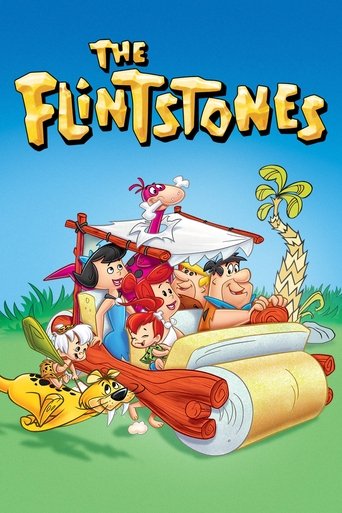
7.4The misadventures of two modern-day Stone Age families, the Flintstones and the Rubbles.
The Flintstones
1960
 5.3
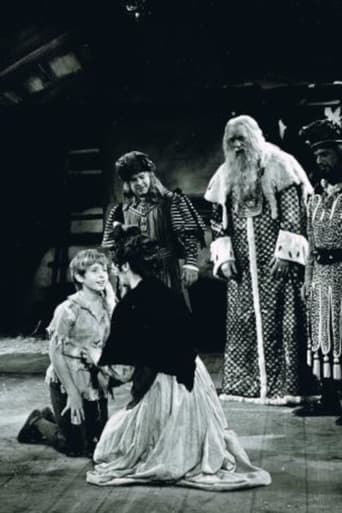
5.3Matinee Theater is an American anthology series that aired on NBC during the Golden Age of Television, from 1955 to 1958. The series, which ran daily in the afternoon, was frequently live. It was produced by Albert McCleery, Darrell Ross, George Cahan and Frank Price with executive producer George Lowther. McCleery had previously produced the live series Cameo Theatre which introduced to television the concept of theater-in-the-round, TV plays staged with minimal sets. Jim Buckley of the Pewter Plough Playhouse recalled: When Al McCleery got back to the States, he originated a most ambitious theatrical TV series for NBC called Matinee Theater: to televise five different stage plays per week live, airing around noon in order to promote color TV to the American housewife as she labored over her ironing. Al was the producer. He hired five directors and five art directors. Richard Bennett, one of our first early presidents of the Pewter Plough Corporation, was one of the directors and I was one of the art directors and, as soon as we were through televising one play, we had lunch and then met to plan next week’s show. That was over 50 years ago, and I’m trying to think; I believe the TV art director is his own set decorator —yes, of course! It had to be, since one of McCleery’s chief claims to favor with the producers was his elimination of the setting per se and simply decorating the scene with a minimum of props. It took a bit of ingenuity.
Matinee Theater
1955
 5.9
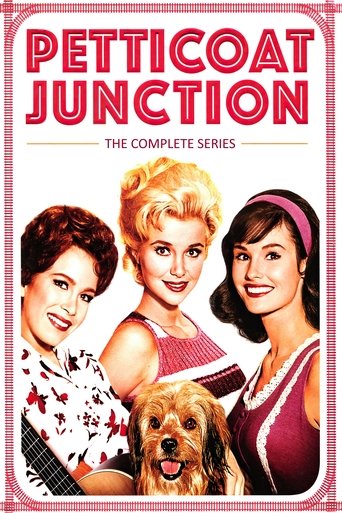
5.9The Bradley family are proud owners of the Shady Rest Hotel. Kate and her three young daughters do the job of running the hotel.
Petticoat Junction
1963
 6.9
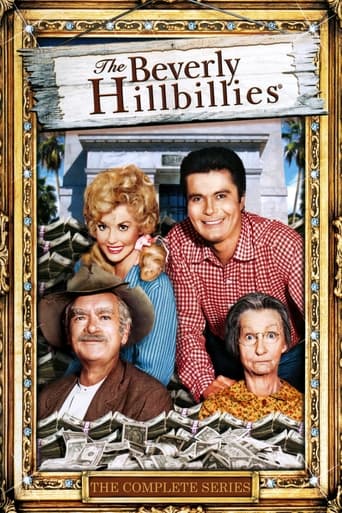
6.9Jed Clampett's swamp is loaded with oil. When a wildcatter discovers the huge pool, Jed sells his land to the O.K. Oil Company and at the urging of cousin Pearl, moves his family to a 35-room mansion in Beverly Hills, California.
The Beverly Hillbillies
1962
 7.9
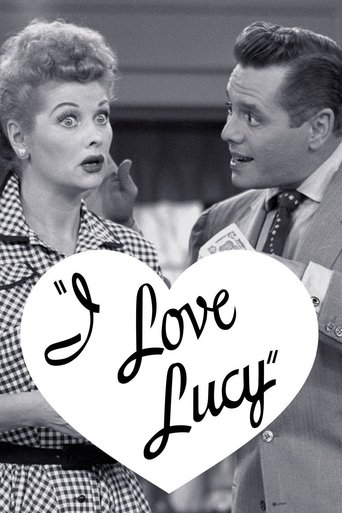
7.9Cuban Bandleader Ricky Ricardo would be happy if his wife Lucy would just be a housewife. Instead she tries constantly to perform at the Tropicana where he works, and make life comically frantic in the apartment building they share with landlords Fred and Ethel Mertz, who also happen to be their best friends.
I Love Lucy
1951
 7.2
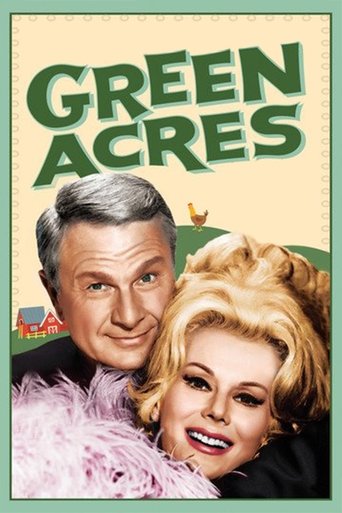
7.2Green Acres is an American sitcom starring Eddie Albert and Eva Gabor as a couple who move from New York City to a rural country farm. Produced by Filmways as a sister show to Petticoat Junction, the series was first broadcast on CBS, from September 15, 1965 to April 27, 1971. Receiving solid ratings during its six-year run, Green Acres was cancelled in 1971 as part of the "rural purge" by CBS. The sitcom has been in syndication and is available in DVD and VHS releases. In 1997, the two-part episode "A Star Named Arnold is Born" was ranked #59 on TV Guide's 100 Greatest Episodes of All Time.
Green Acres
1965
Film credits
2000s · 1 titles
1980s · 3 titles
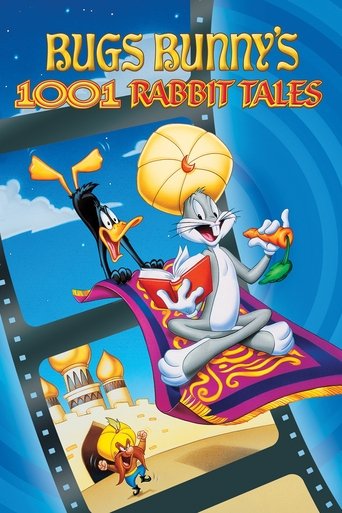 7.2
7.2If Bugs Bunny were to direct his signature inquiry--"What's up, doc?"--toward the modern-day Warner Bros. creative team, he wouldn't be far off. For 1001 Rabbit Tales, they've doctored up a batch of classic cartoons featuring the carrot muncher and his bumbling comrades and bundled them, near seamlessly, into a feature-length film. Here's the premise: Bugs and Daffy, both book salesmen, are competing to sell the most copies of a kids' book. Instead of burrowing a beeline to his sales territory (he should have made a left at Albuquerque), Bugs ends up in the castle of Yosemite Sam, here a harem-leading honcho. Sam's pain-in-the-spurs son, Prince Abalaba, needs somebody to read him stories; Bugs, who'd sooner take the job than suffer the alternative, that involving being boiled in oil, signs on.
Bugs Bunny's 3rd Movie: 1001 Rabbit Tales
1982
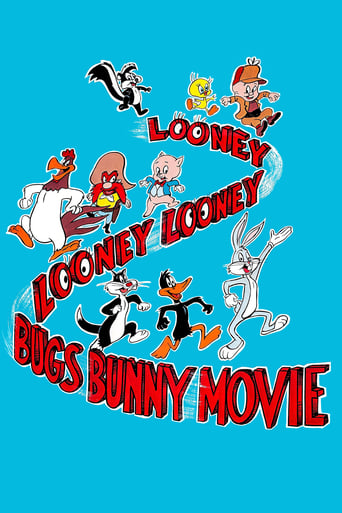 7.3
7.3Bugs Bunny hosts an award show featuring several classic Looney Tunes shorts and characters.
The Looney, Looney, Looney Bugs Bunny Movie
1981
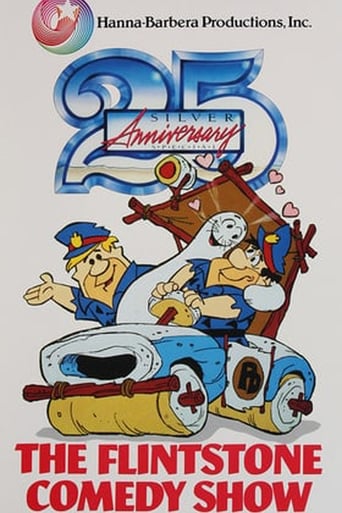 7.4
7.4A live-action and animated television special featuring clips from past episodes and spin-offs combined with new animation and musical segments.
The Flintstones' 25th Anniversary Celebration
1986
1950s · 25 titles
 6.4
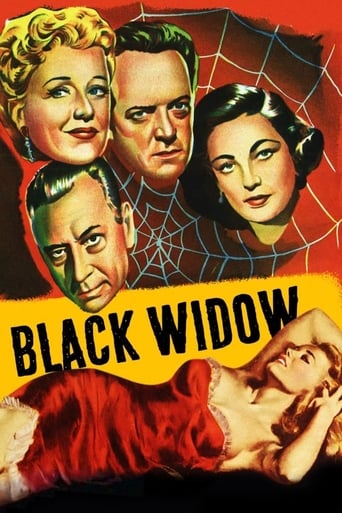
6.4When a young stage hopeful is found dead, suspicion falls on her mentor, a successful Broadway producer.
Black Widow
1954
 7.1
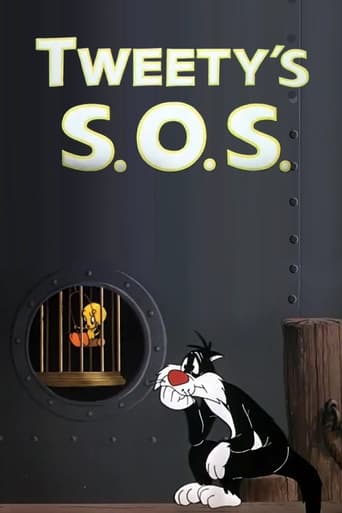
7.1Sylvester Cat stows away aboard a seagoing passenger liner to try and catch Tweety Bird, who is guarded by his mistress, Granny. Sylvester becomes seasick and runs to the sickbay for a remedy. Tweety mixes nitro into the medicine before Sylvester drinks it. When Granny hits Sylvester with her broom, he is blown sky-high.
Tweety's S.O.S.
1951
 7.4
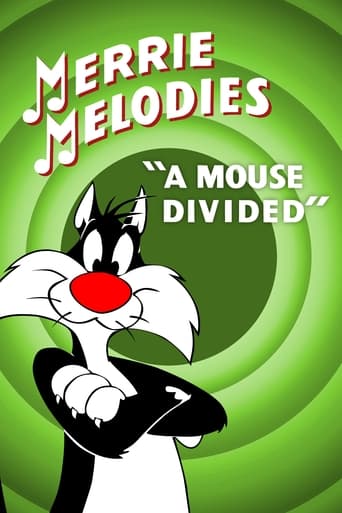
7.4A drunken stork delivers a baby mouse to the home of Mr. and Mrs. Sylvester Cat. Sylvester is about to eat the little rodent when it calls him Daddy. Touched, Sylvester adopts the mouse as his son - which, distressingly, attracts every hungry cat in the neighborhood to his door!
A Mouse Divided
1953
 6.8
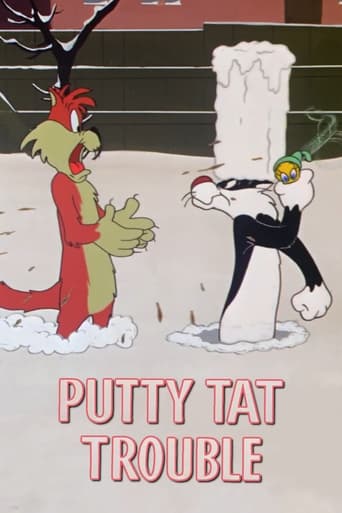
6.8Tweety Bird is shoveling out his nest atop a city pole after a snowstorm and is spotted by Sylvester Cat and a one-eyed orange tabby, who fight over Tweety. Tweety runs into a cellar where he befriends a wooden dunking bird. The two cats then chase Tweety into a park and onto a sheet of ice covering a pond. Tweety cuts a circle around the cats so that they fall into the freezing water and become bedridden with cold.
Putty Tat Trouble
1951
 6.6
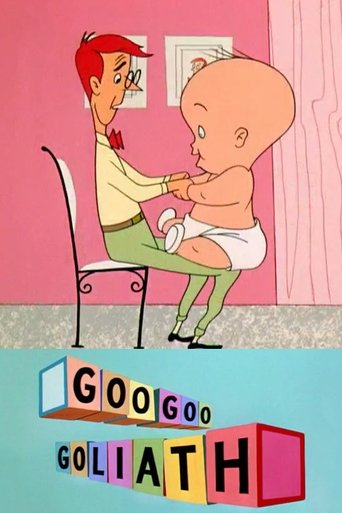
6.6A drunken stork delivers the baby of a giant to a normal-sized couple instead, and they try to raise him as well as they can.
Goo Goo Goliath
1954
 7.2
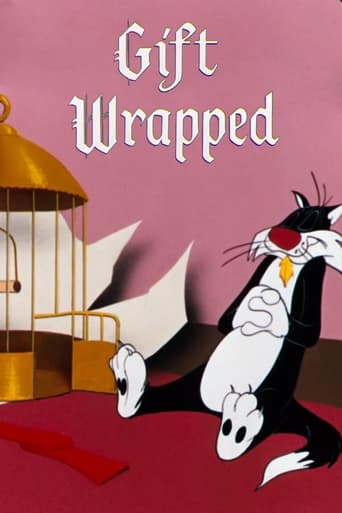
7.2It's Christmas Day in the home of Granny, and her pet cat Sylvester delights at chasing her new Tweety Bird and takes fright at the bulldog unwrapped from under the tree.
Gift Wrapped
1952
 6.8
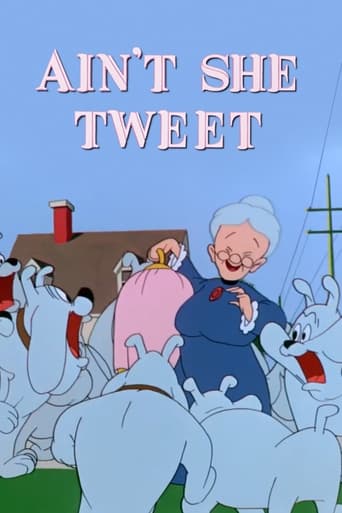
6.8Sylvester Cat discovers Tweety Bird in a pet store window. Tweety is taken to be delivered by truck to a new owner - Granny. Sylvester chases the delivery truck to Granny's home, where Granny has a huge, fenced-in area for her army of bulldogs. Sylvester makes several unsuccessful attempts to pass the dogs and reach Tweety inside Granny's house.
Ain't She Tweet
1952
 6.8
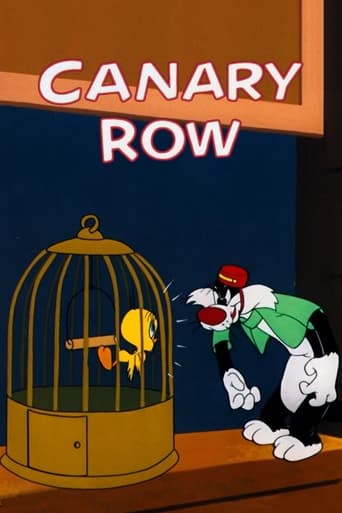
6.8Sylvester Cat spots Tweety Bird in a San Francisco apartment and tries to gain access but cannot make it past Granny or the cat-hating desk clerk.
Canary Row
1950
 6.6
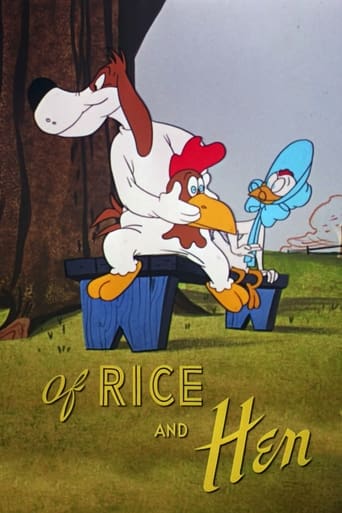
6.6Miss Prissy, the slow-witted hen, sets out to land a husband - Foghorn Leghorn, and Barnyard Dog is willing to help her by dressing as a rooster to "rival" Foghorn Leghorn's non-existent affections and make him jealous so that he'll marry Prissy without thinking. Foghorn Leghorn falls for the scheme - hook, line, and sinker.
Of Rice and Hen
1953
 7.2
7.2A harried housewife is criticized by her male-chauvinist husband, who remarks that she doesn't make effective use of her time during the day and insinuates that she doesn't finish her chores because of laziness.
Wild Wife
1954
 7.3
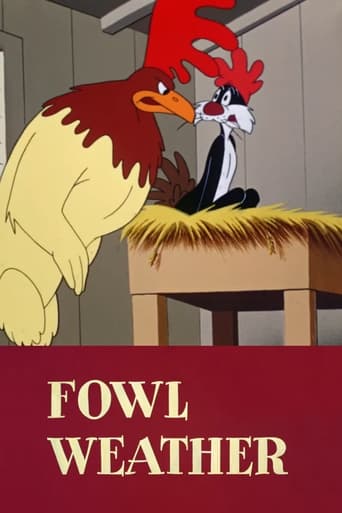
7.3After Granny leaves a bulldog named Hector to guard Tweety while she's away from her farm, Sylvester manages to sneak in disguised as a scarecrow and soon gets more than he bargained for.
Fowl Weather
1953
 6.9
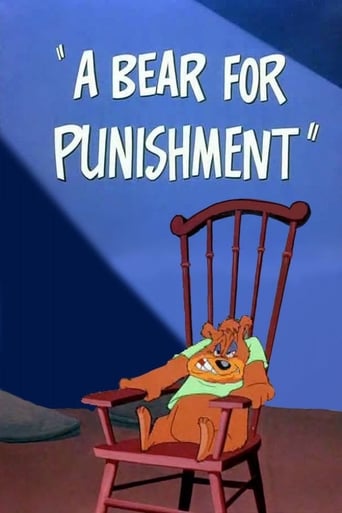
6.9Junyer Bear has a number of surprises for Good Ol' Pa on Good Ol' Father's Day, whether he wants them or not.
A Bear for Punishment
1951
 5.2
5.2To scare the squatters from the cattle country he claims as his own, rancher Ed Sampson orders the Martin farm house burned. Galt Martin is killed, and his eldest son, Joe, is pistol-whipped. Timmy Martin sees the killer, Cass Becker and points him out when he and Joe are in Painted Flats. Cass forces Joe to put on a gun but Ned East, a retired gunfighter, saves the inexperienced Joe by forcing Cass to draw on him, and Ned is the winner.
Plunderers of Painted Flats
1959
 6.6
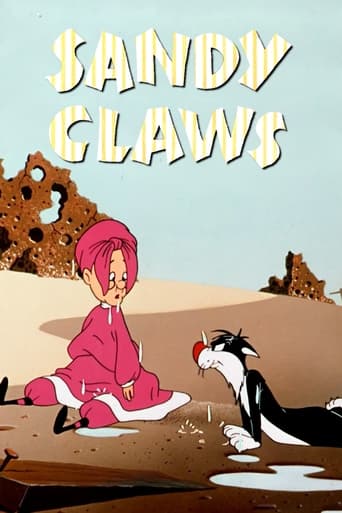
6.6Tweety Bird goes to the beach with Granny, and Sylvester tries once again to catch him.
Sandy Claws
1955
 7.1
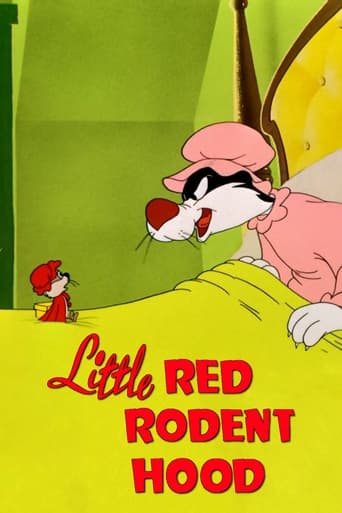
7.1An elderly mouse tells the bedtime story of Little Red Riding Hood to her grandson, who visualizes the tale in cat-and-mouse terms, with himself as Red and Sylvester as the Big Bad Wolf.
Little Red Rodent Hood
1952
 6.4
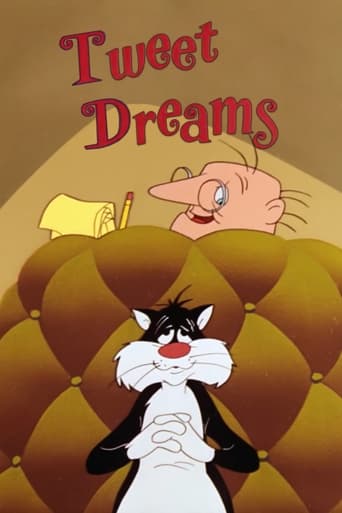
6.4Warners' "economy cartoon," repackaging footage from earlier Tweety and Sylvester chases with new footage. In this one, Sylvester tells a psychiatrist of his frustration at not being able to catch Tweety, his repeated failures illustrated through past cartoons featuring the canary and puddy tat.
Tweet Dreams
1959
 7.0
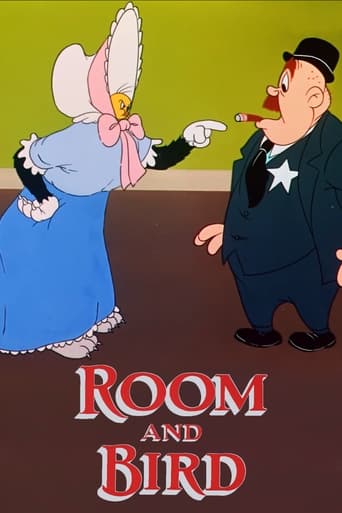
7.0Tweety and Sylvester are Granny's pets in the Spinsters Arms Hotel, where pets aren't allowed.
Room and Bird
1951
 7.3
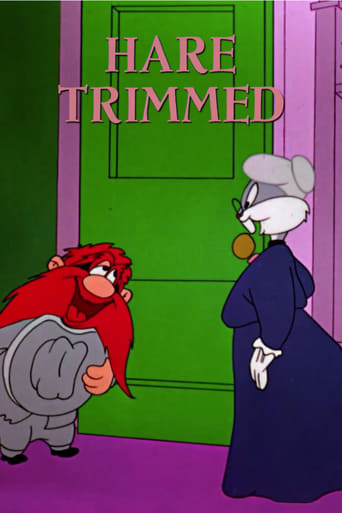
7.3Yosemite Sam hears that Granny has inherited fifty million dollars. Good guy Bugs tries to save Granny from Sam's clutches.
Hare Trimmed
1953
 6.6
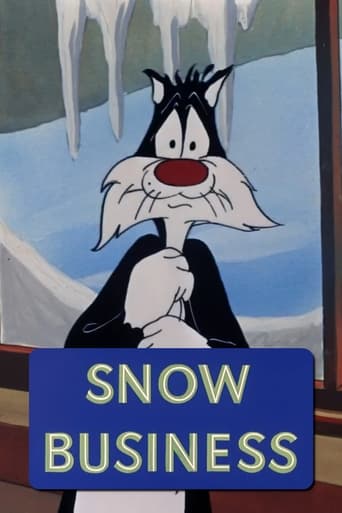
6.6Sylvester Cat and Tweety Bird are snowbound in a mountain cabin, and though Tweety has lots of bird seed, Sylvester will starve unless he can cook the unsuspecting Tweety. Meanwhile, a starving mouse thinks Sylvester is edible.
Snow Business
1953
 6.5
6.5The title of this cartoon is a misnomer, because it is in fact Tweety Bird who is the homeless one here, and Sylvester is Granny's pet. Tweety seeks shelter from a blizzard and taps on Granny's house door. Sylvester answers and grabs the canary. He tries to hide Tweety from Granny while evading the attacks of Hector, Granny's bed-ridden bulldog, who wants revenge on Sylvester for his broken leg. Tweety keeps escaping Sylvester's clutches, with Hector's help.
A Street Cat Named Sylvester
1953
 7.1
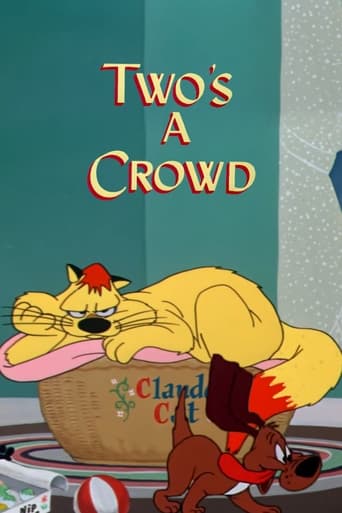
7.1Claude Cat is determined to get rid of the mistress's birthday present: a new puppy.
Two's a Crowd
1950
 6.2
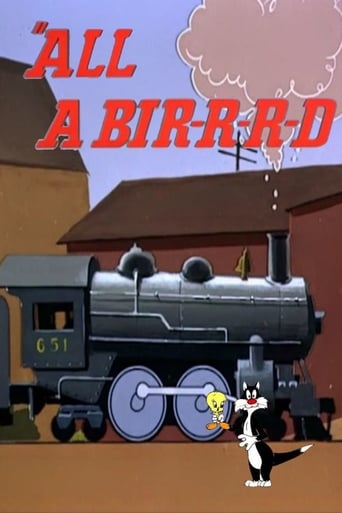
6.2Tweety Bird is on a train with Sylvester.
All a Bir-r-r-d
1950
 5.5
5.5A live-action Warner short in the spirit of Hal Roach's "Dippy Doo Dads" series detailing the perils of a soon-to-be-married capuchin couple, Fred and Violet, as the bride is stolen away by the villainous Harvey, leading to wild and wacky monkey action.
Orange Blossoms for Violet
1952
 7.5
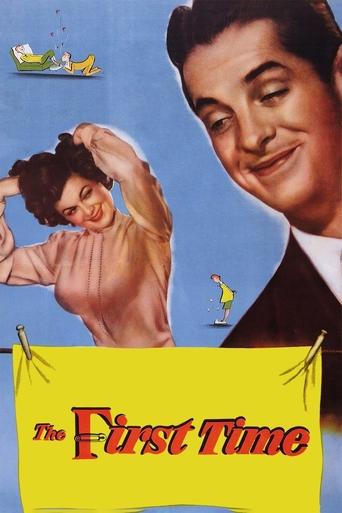
7.5A married couple welcomes their first child.
The First Time
1952
 7.1
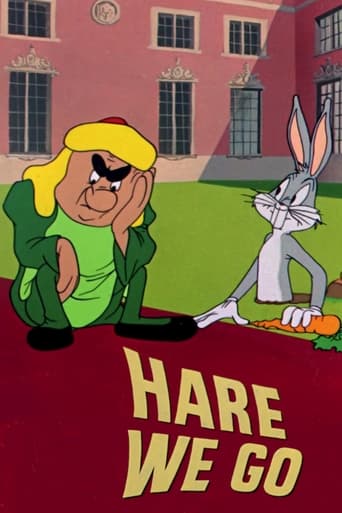
7.1In 1492, Bugs Bunny sails the ocean blue, as mascot for Christopher Columbus.
Hare We Go
1951
1940s · 29 titles
 7.7
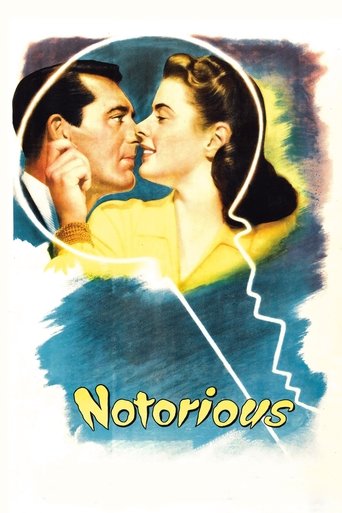
7.7In order to help bring Nazis to justice, U.S. government agent T.R. Devlin recruits Alicia Huberman, the American daughter of a convicted German war criminal, as a spy. As they begin to fall for one another, Alicia is instructed to win the affections of Alexander Sebastian, a Nazi hiding out in Brazil. When Sebastian becomes serious about his relationship with Alicia, the stakes get higher, and Devlin must watch her slip further undercover.
Notorious
1946
 7.0
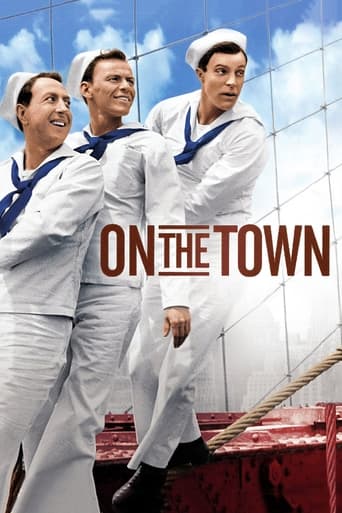
7.0Three sailors wreak havoc as they search for love during a whirlwind 24-hour leave in New York City.
On the Town
1949
 6.9
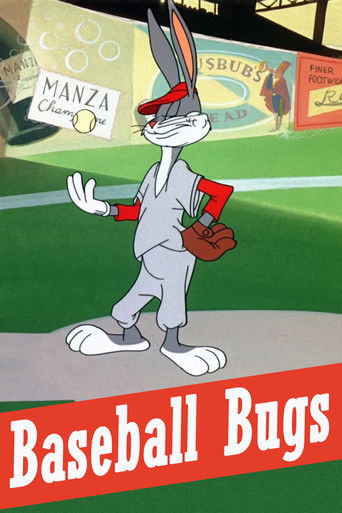
6.9Bugs Bunny single handedly takes on the “Gas-House Gorillas,” a baseball team of hulking, cigar-chomping bullies.
Baseball Bugs
1946
 7.1
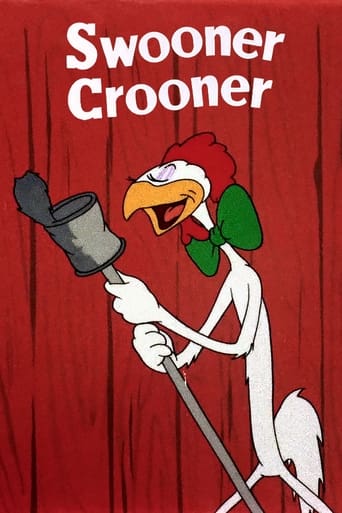
7.1Porky Pig's egg farm faces production problems when a crooning rooster distracts the hens from their jobs.
Swooner Crooner
1944
 7.1
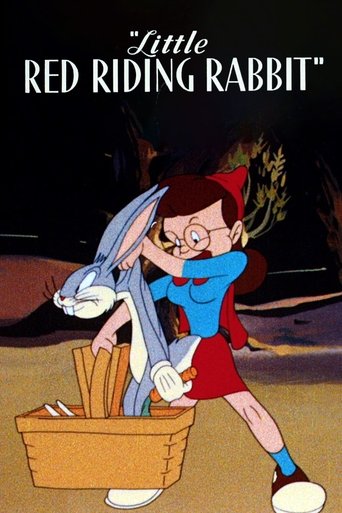
7.1Bugs, the Wolf and bobby-soxer Red chase each other around while Grandma is off working at Lockheed aircraft.
Little Red Riding Rabbit
1944
 6.8
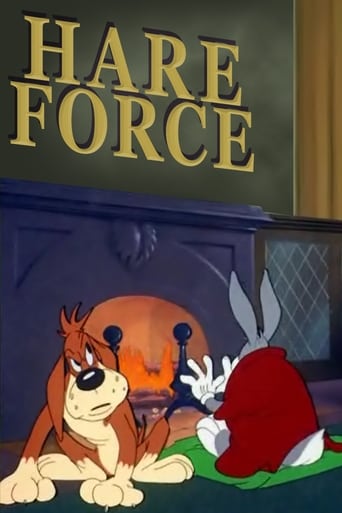
6.8Granny lets Bugs Bunny come in from the cold, but her dog Sylvester will have none of it.
Hare Force
1944
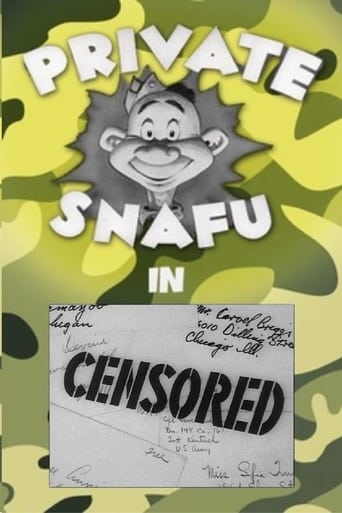 6.6
6.6Private Snafu wants to tell his sweetheart, Sally Lou, that he thinks his unit will be sent to the South Pacific. But every effort he makes to get his letter through uncensored is thwarted by a resourceful (and unseen) censor with an array of contraptions and booby traps. Not even Snafu's carrier pigeon can avoid the censor -- not when he has a hawk for an assistant. Technical Fairy, First Class, comes to the rescue and agrees to deliver the letter -- but he has good reason to say that he'll hate himself in the morning.
Censored
1944
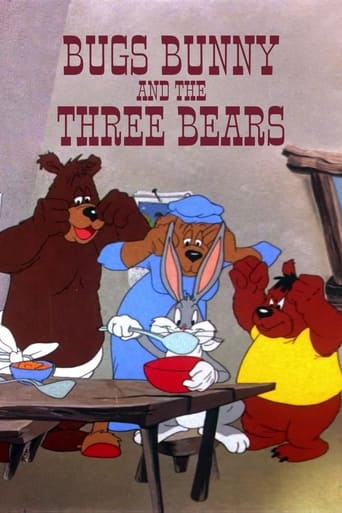 6.7
6.7The bears tempt Goldilocks with carrot soup, the scent of which brings Bugs on the scene. Bugs romances Mama Bear, and she becomes infatuated with him.
Bugs Bunny and the Three Bears
1944
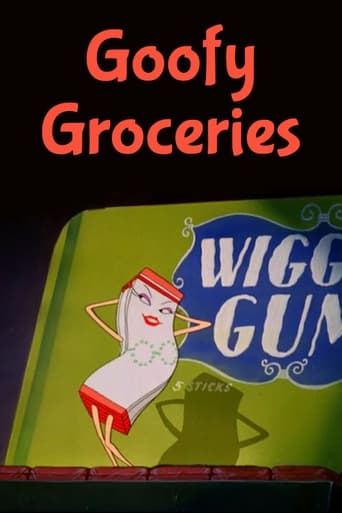 5.8
5.8Grocery store products come to life, along with caricatures of Jack Benny, Rochester and Ned Sparks, and take-offs on Superman and King Kong.
Goofy Groceries
1941
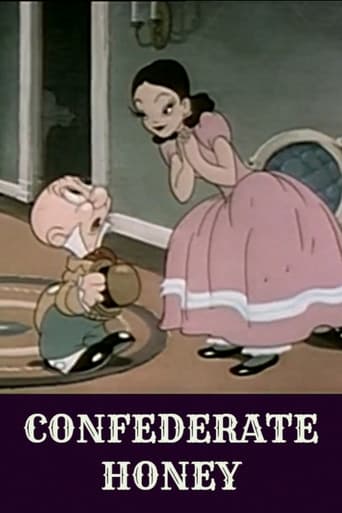 6.0
6.0Nett Cutler (Elmer Fudd) romances Crimson O'Hairoil in this send-up of Gone With the Wind (1939).
Confederate Honey
1940
 7.0
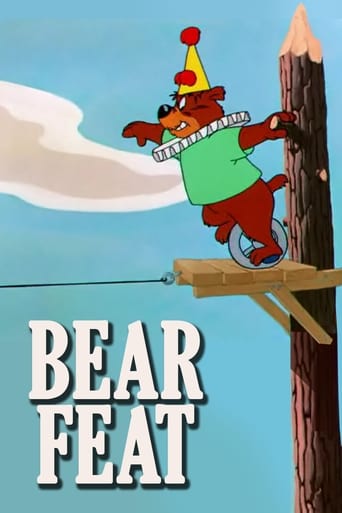
7.0The three bears try to train to become vaudeville stars, but things do not go well for Pa Bear.
Bear Feat
1949
 6.8
6.8A tuxedo-clad wolf Master of Ceremonies announces the evening's program: the tale of the Big Bad Wolf and the Three Little Pigs, set to the music of Johannes Brahms's Hungarian Dances. Queue the fairy tale.
Pigs in a Polka
1943
 6.5
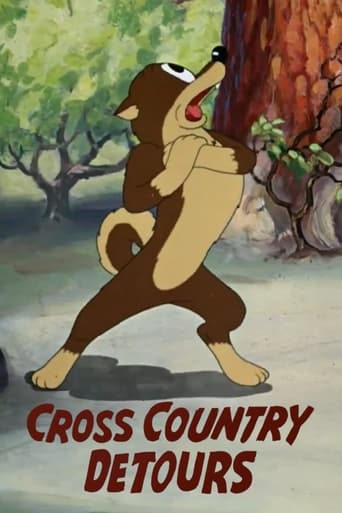
6.5A wacky travelogue takes us to the forests of Yosemite, the rocks of Brice Canyon, the frozen wastes of Alaska, the desert wastes of New Mexico, the Grand Canyon, the Colorado River and the giant redwoods of California.
Cross Country Detours
1940
 8.0
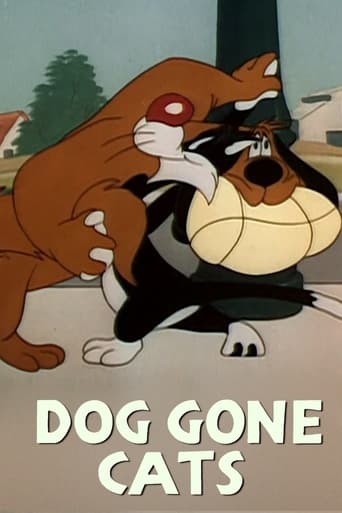
8.0Wellington the dog is given a package to deliver to Uncle Louie, with strict instructions not to let go of it. Sylvester and another cat that Wellington has been tormenting see this as their chance to get even. Besides repeatedly filching the package, at one point they drop a duplicate off a bridge. Wellington still manages to retrieve the package a few times, but never for long.
Doggone Cats
1947
 7.3
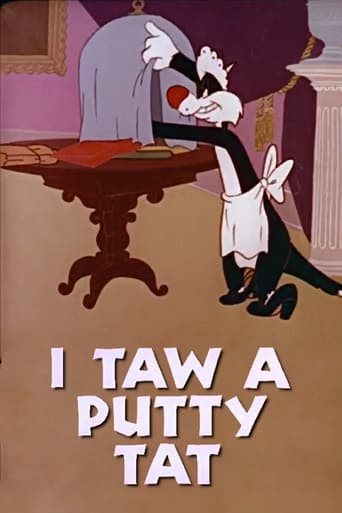
7.3Woman wonders why her little pet birds keep disappearing. Sylvester the cat knows, but other than burping feathers, he's not saying. But it looks like he's met his match when the woman orders another bird from the pet shop: a little yellow canary named "Tweety".
I Taw a Putty Tat
1948
 6.9
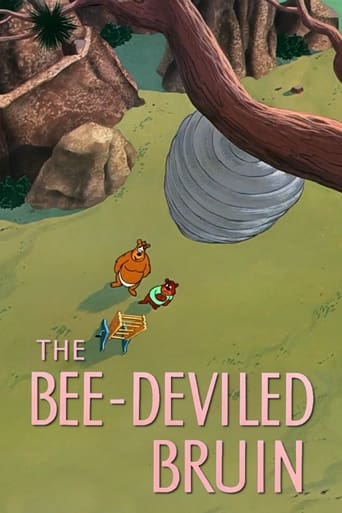
6.9It's breakfast time, and Pa finds the honeypot empty. Literally risking life and limb, he has Junyer help him raid a nearby beehive. In the end, he finds he should have listened to Ma in the first place, rather than telling her to "Shaddap!"
The Bee-Deviled Bruin
1949
 5.3
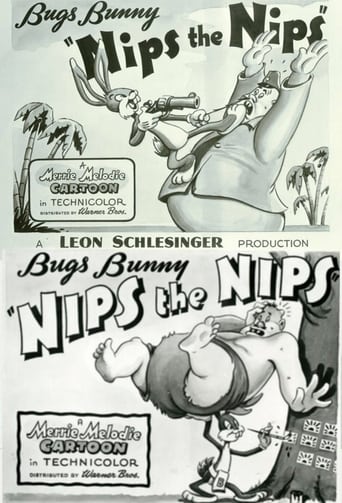
5.3Bugs fights stereotyped Japanese during World War II.
Bugs Bunny Nips the Nips
1944
 6.8
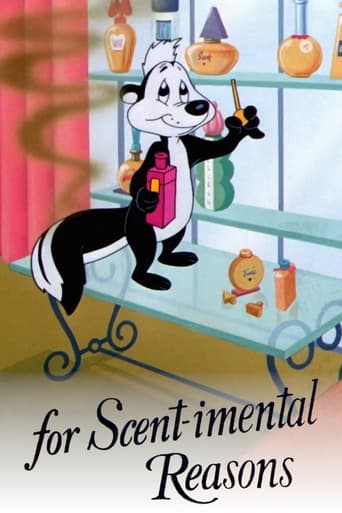
6.8Pepé Le Pew invades a Parisian perfumery, where he sniffs the various scents. The shopkeeper runs in horror and recruits a female cat to run the skunk out of the shop. She tosses the cat inside, and a bottle of dye falls over, accidentally painting a white stripe down the cat's back. Pepé gives chase...
For Scent-imental Reasons
1949
 6.6
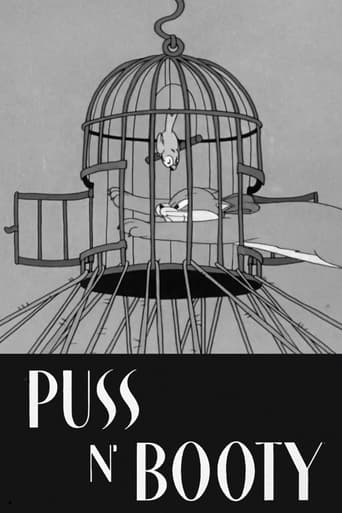
6.6Woman wonders why her little pet birds keep disappearing. Rudolph the cat knows, but other than burping feathers, he's not saying. But it looks like he's met his match when the woman orders another bird from the pet shop: a little yellow canary named "Petey".
Puss n' Booty
1943
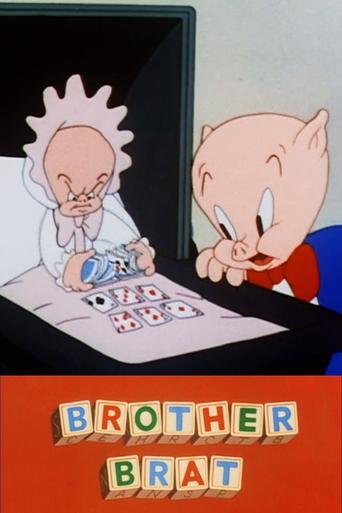 7.2
7.2A "Rosie the Riveter" type is in need of a baby-sitter for her awful child. The only person available is a clueless Porky Pig. His only instructions are to use a book of child psychology. After fruitless attempts to control the brat, his mother returns to show Porky how to use the book - as a paddle on his little behind.
Brother Brat
1944
 6.1
6.1The Three Bears meets Little Red Riding Hood, told in the style of Tex Avery.
The Bear's Tale
1940
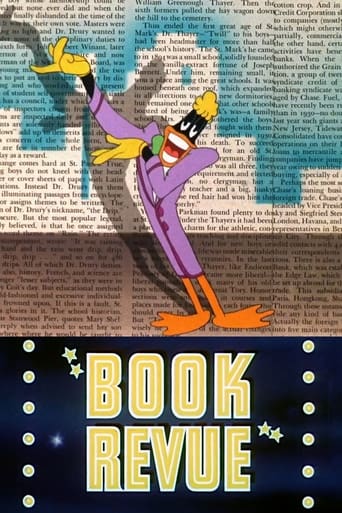 6.6
6.6A secluded bookstore comes to life in madcap, pop culture reference-heavy fashion.
Book Revue
1946
 7.6
7.6An old woman has a cat, a dog, and a canary. The cat and dog fight even worse than normally. Fed up, she tells them both off, then threatens to throw them both out if there's any more trouble.
Hiss and Make Up
1943
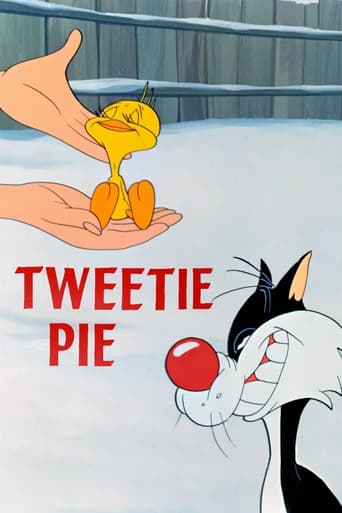 6.8
6.8Thomas the cat finds Tweetie in the snow, warming himself by a cigar butt. Thomas's mistress rescues the little yellow bird before her cat can devour him, but Thomas doesn't give up.
Tweetie Pie
1947
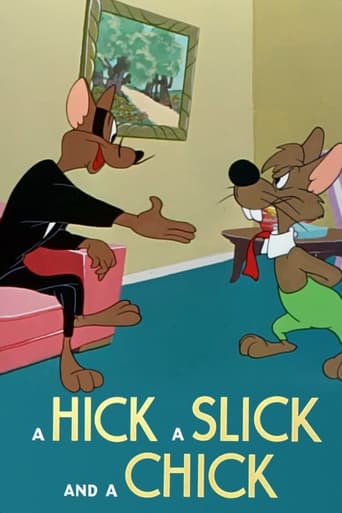 6.6
6.6A mouse named Elmo, who's a bit of a yokel, goes to beautiful Daisy Lou to woo her. However, he finds her with the slick Blackie.
A Hick, a Slick and a Chick
1948
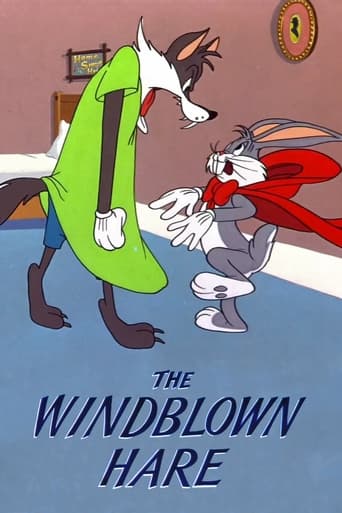 7.3
7.3Bugs buys the homes of the three little pigs and the wolf starts blowing them down. Of course you know "this means war."
The Windblown Hare
1949
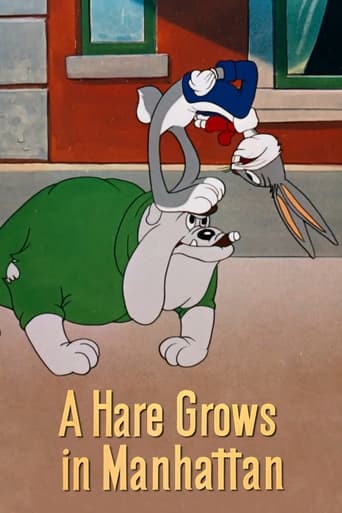 6.4
6.4Bugs Bunny relates his early life in the Manhattan tenements and spotlights his encounter with a gang of canine toughs.
A Hare Grows in Manhattan
1947
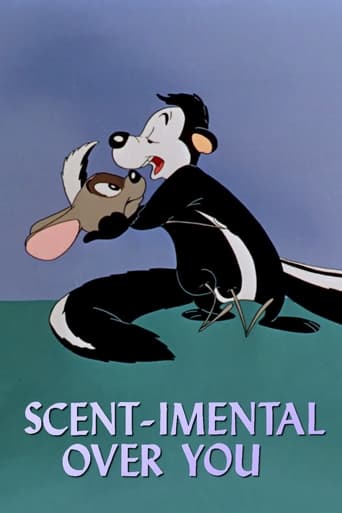 6.5
6.5Striving to be like all the high-class dogs in their fine coats, a little hairless pooch borrows a black and white fur coat of her owner, not realizing it makes her appear to be a skunk. Once she has it on, she finds everyone fleeing from her - everyone, that is, except for the amorous Pepé Le Pew.
Scent-imental Over You
1947
 5.2
5.2A haggard mosquito complains how tough life is with the military taking the proper precautions against malaria infection.
It's Murder She Says...
1945
Series credits
7.4The misadventures of two modern-day Stone Age families, the Flintstones and the Rubbles.
The Flintstones
1960
5.3Matinee Theater is an American anthology series that aired on NBC during the Golden Age of Television, from 1955 to 1958. The series, which ran daily in the afternoon, was frequently live. It was produced by Albert McCleery, Darrell Ross, George Cahan and Frank Price with executive producer George Lowther. McCleery had previously produced the live series Cameo Theatre which introduced to television the concept of theater-in-the-round, TV plays staged with minimal sets. Jim Buckley of the Pewter Plough Playhouse recalled: When Al McCleery got back to the States, he originated a most ambitious theatrical TV series for NBC called Matinee Theater: to televise five different stage plays per week live, airing around noon in order to promote color TV to the American housewife as she labored over her ironing. Al was the producer. He hired five directors and five art directors. Richard Bennett, one of our first early presidents of the Pewter Plough Corporation, was one of the directors and I was one of the art directors and, as soon as we were through televising one play, we had lunch and then met to plan next week’s show. That was over 50 years ago, and I’m trying to think; I believe the TV art director is his own set decorator —yes, of course! It had to be, since one of McCleery’s chief claims to favor with the producers was his elimination of the setting per se and simply decorating the scene with a minimum of props. It took a bit of ingenuity.
Matinee Theater
1955
5.9The Bradley family are proud owners of the Shady Rest Hotel. Kate and her three young daughters do the job of running the hotel.
Petticoat Junction
1963
6.9Jed Clampett's swamp is loaded with oil. When a wildcatter discovers the huge pool, Jed sells his land to the O.K. Oil Company and at the urging of cousin Pearl, moves his family to a 35-room mansion in Beverly Hills, California.
The Beverly Hillbillies
1962
6.9Jed Clampett's swamp is loaded with oil. When a wildcatter discovers the huge pool, Jed sells his land to the O.K. Oil Company and at the urging of cousin Pearl, moves his family to a 35-room mansion in Beverly Hills, California.
The Beverly Hillbillies
1962
7.9Cuban Bandleader Ricky Ricardo would be happy if his wife Lucy would just be a housewife. Instead she tries constantly to perform at the Tropicana where he works, and make life comically frantic in the apartment building they share with landlords Fred and Ethel Mertz, who also happen to be their best friends.
I Love Lucy
1951
7.2Green Acres is an American sitcom starring Eddie Albert and Eva Gabor as a couple who move from New York City to a rural country farm. Produced by Filmways as a sister show to Petticoat Junction, the series was first broadcast on CBS, from September 15, 1965 to April 27, 1971. Receiving solid ratings during its six-year run, Green Acres was cancelled in 1971 as part of the "rural purge" by CBS. The sitcom has been in syndication and is available in DVD and VHS releases. In 1997, the two-part episode "A Star Named Arnold is Born" was ranked #59 on TV Guide's 100 Greatest Episodes of All Time.
Green Acres
1965
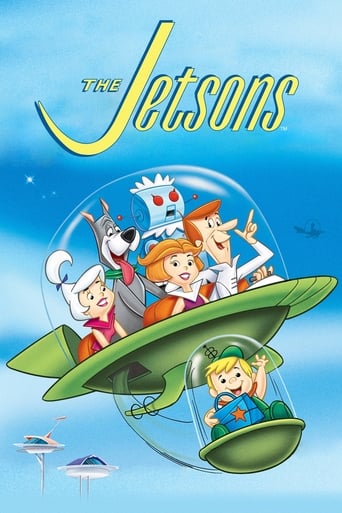 7.3
7.3Meet George Jetson and his quirky family: wife Jane, son Elroy and daughter Judy. Living in the automated, push-button world of the future hasn't made life any easier for the harried husband and father, who gets into one comical misadventure after another!
The Jetsons
1962
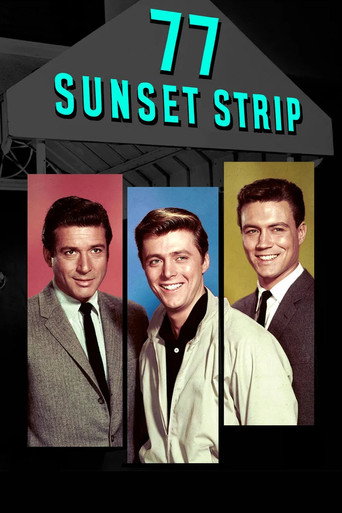 7.2
7.2Stu Bailey and Jeff Spencer are the wisecracking, womanizing private-detective heroes of this Warner Brothers drama. They work out of an office located at 77 Sunset Strip in Los Angeles, California, right next door to a snazzy restaurant where Kookie works as a valet. The finger-snapping, slang-talking Kookie occasionally helps Stu and Jeff with their cases, and eventually becomes a full-fledged member of the detective agency. Rex Randolph and J.R. Hale also join the firm, and Suzanne is their leggy secretary.
77 Sunset Strip
1958
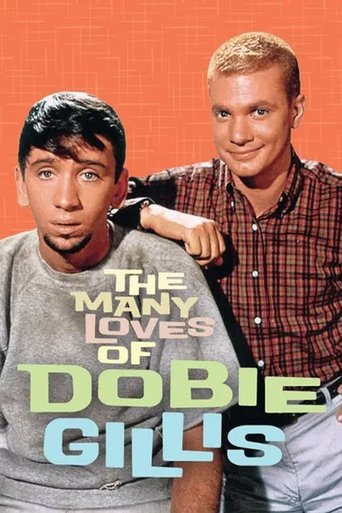 6.3
6.3The Many Loves of Dobie Gillis is an American sitcom that aired on CBS from 1959 to 1963. The series and several episode scripts were adapted from a 1951 collection of short stories of the same name, written by Max Shulman, who had also written a feature film adaptation of his short stories for MGM in 1953, The Affairs of Dobie Gillis. The series revolved around the life of teenager/young adult Dobie Gillis, who, along with his best friend, beatnik Maynard G. Krebs, struggles against the forces of his life - high school, the military, college, and his parents - as he aspires to attain both wealth and dates with girls. The Many Loves of Dobie Gillis was produced by Martin Manulis Productions in association with 20th Century Fox Television. Creator Shulman also wrote the theme song in collaboration with Lionel Newman.
The Many Loves of Dobie Gillis
1959
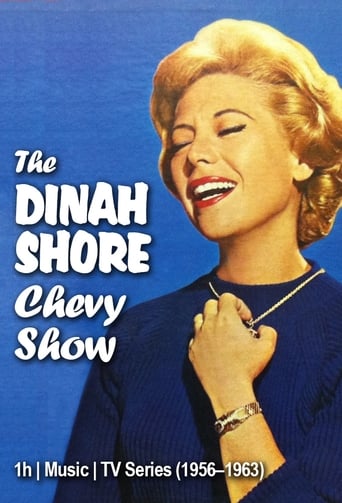 6.4
6.4The Dinah Shore Chevy Show is an American variety series hosted by Dinah Shore, and broadcast on NBC from October 1956 to June 1963. The series was sponsored by the Chevrolet Motor Division of General Motors and its theme song, sung by Shore, was "See the U.S.A. in Your Chevrolet", which continued to be used in Chevrolet advertising for several more years after the cancellation of the show.
The Dinah Shore Chevy Show
1956
 7.8
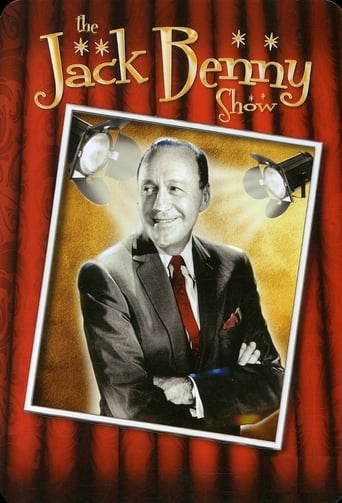
7.8Laugh along with funnyman Jack Benny as he brings his underplayed humor to TV along with regular performers from his radio show days.
The Jack Benny Program
1950
7.8Laugh along with funnyman Jack Benny as he brings his underplayed humor to TV along with regular performers from his radio show days.
The Jack Benny Program
1950
 7.2
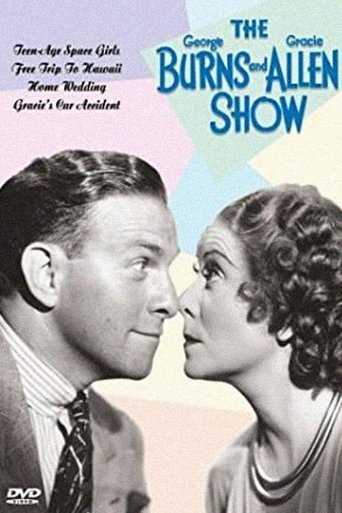
7.2Burns and Allen, an American comedy duo consisting of George Burns and his wife, Gracie Allen, worked together as a comedy team in vaudeville, films, radio and television and achieved great success over four decades.
The George Burns and Gracie Allen Show
1950
 7.0
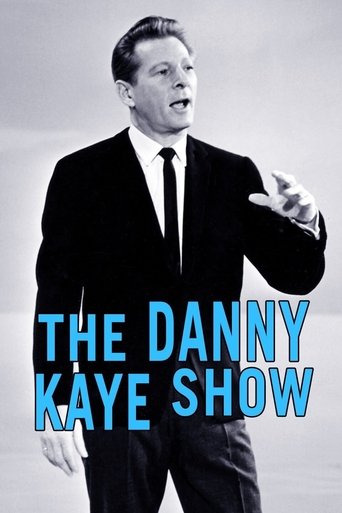
7.0The Danny Kaye Show is an American variety show hosted by Danny Kaye that aired on CBS from 1963 to 1967 on Wednesday nights. Directed by Robert Scheerer, the show premiered in black-and-white, but later switched to color broadcasts. At the time, Kaye was at the height of his popularity, having starred in a string of successful films in the 1940s and '50's, made successful personal appearances at such venues as the London Palladium, and appeared many times on television. His most recent films had been considered disappointing, but the television specials he starred in were triumphant, leading to this series. Prior to his television and film career, Kaye had made a name for himself with his own radio show, and numerous other guest appearances on other shows.
The Danny Kaye Show
1963
 6.2
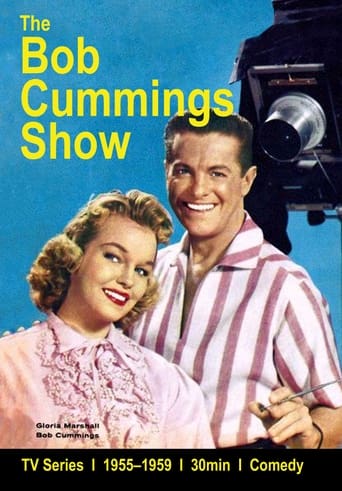
6.2The Bob Cummings Show is an American sitcom starring Robert "Bob" Cummings which was produced from January 2, 1955 to September 15, 1959. The Bob Cummings Show was the first series ever to debut as a midseason replacement. The program began with a half-season run on NBC, then ran for two full seasons on CBS, and returned to NBC for its final two seasons. The program was later rerun in the daytime hours on ABC and then syndicated under the title Love That Bob. A similar, but less successful, follow-up series, The New Bob Cummings Show, was broadcast on CBS during the 1961-62 television season.
The Bob Cummings Show
1955
6.2The Bob Cummings Show is an American sitcom starring Robert "Bob" Cummings which was produced from January 2, 1955 to September 15, 1959. The Bob Cummings Show was the first series ever to debut as a midseason replacement. The program began with a half-season run on NBC, then ran for two full seasons on CBS, and returned to NBC for its final two seasons. The program was later rerun in the daytime hours on ABC and then syndicated under the title Love That Bob. A similar, but less successful, follow-up series, The New Bob Cummings Show, was broadcast on CBS during the 1961-62 television season.
The Bob Cummings Show
1955
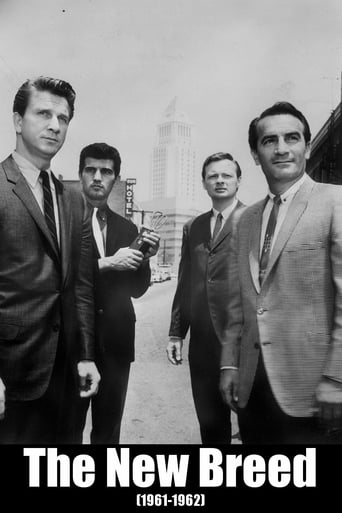 7.7
7.7No synopsis available yet.
The New Breed
1961
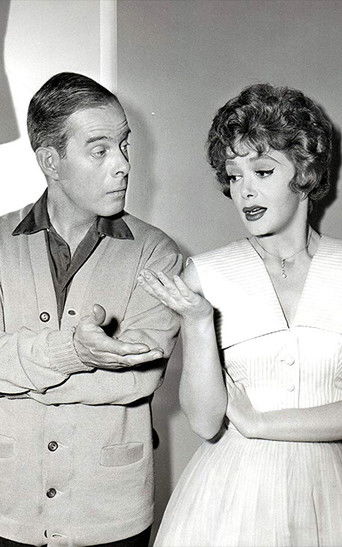 6.2
6.2Pete and Gladys is an American situation comedy television series starring Harry Morgan and Cara Williams that aired on CBS on Mondays at 8:00 p.m. Eastern and Pacific time for two seasons, beginning on September 19, 1960. The last episode was broadcast on September 10, 1962.
Pete and Gladys
1960
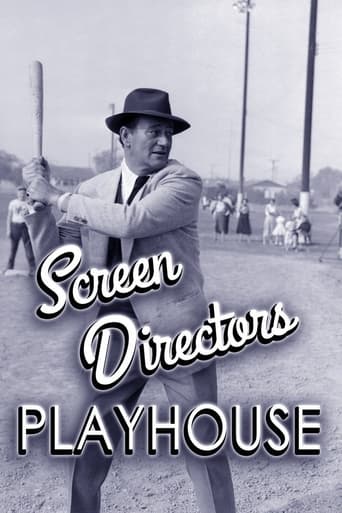 7.0
7.0Presented by Eastman Kodak, this show was a series of original scripts directed by acclaimed directors and featuring well-known performers. The stories ranged from musicals to comedies and dramas.
Screen Director's Playhouse
1955
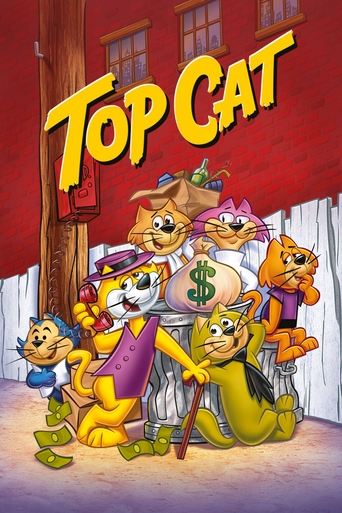 7.5
7.5Top Cat, known as T.C. to his alley cat friends, is a mischievous prankster who lives in a trash can in the alley ways of New York City. He and his alley-cat cohorts think of get rich schemes and assorted pranks which are mostly involving and aimed at Officer Dibble, their nemesis and friend. T.C. manages to get out of his tight situations with hilarity and charm and even helps Dibble on occasion who is underscored by his overbearing sergeant...
Top Cat
1961
7.5Top Cat, known as T.C. to his alley cat friends, is a mischievous prankster who lives in a trash can in the alley ways of New York City. He and his alley-cat cohorts think of get rich schemes and assorted pranks which are mostly involving and aimed at Officer Dibble, their nemesis and friend. T.C. manages to get out of his tight situations with hilarity and charm and even helps Dibble on occasion who is underscored by his overbearing sergeant...
Top Cat
1961
7.5Top Cat, known as T.C. to his alley cat friends, is a mischievous prankster who lives in a trash can in the alley ways of New York City. He and his alley-cat cohorts think of get rich schemes and assorted pranks which are mostly involving and aimed at Officer Dibble, their nemesis and friend. T.C. manages to get out of his tight situations with hilarity and charm and even helps Dibble on occasion who is underscored by his overbearing sergeant...
Top Cat
1961
7.5Top Cat, known as T.C. to his alley cat friends, is a mischievous prankster who lives in a trash can in the alley ways of New York City. He and his alley-cat cohorts think of get rich schemes and assorted pranks which are mostly involving and aimed at Officer Dibble, their nemesis and friend. T.C. manages to get out of his tight situations with hilarity and charm and even helps Dibble on occasion who is underscored by his overbearing sergeant...
Top Cat
1961
7.5Top Cat, known as T.C. to his alley cat friends, is a mischievous prankster who lives in a trash can in the alley ways of New York City. He and his alley-cat cohorts think of get rich schemes and assorted pranks which are mostly involving and aimed at Officer Dibble, their nemesis and friend. T.C. manages to get out of his tight situations with hilarity and charm and even helps Dibble on occasion who is underscored by his overbearing sergeant...
Top Cat
1961
7.5Top Cat, known as T.C. to his alley cat friends, is a mischievous prankster who lives in a trash can in the alley ways of New York City. He and his alley-cat cohorts think of get rich schemes and assorted pranks which are mostly involving and aimed at Officer Dibble, their nemesis and friend. T.C. manages to get out of his tight situations with hilarity and charm and even helps Dibble on occasion who is underscored by his overbearing sergeant...
Top Cat
1961
The concept of the series was the showing of unaired and unsold television pilots that did not make the television lineup for CBS. The show was successful during its first few seasons due to the fact that the show's concept, airing unsold and unaired television pilots, was a popular concept in the 1960s. But during its last two seasons on the air, the series did find some trouble due to the fact that the series were running out of pilots to air and, in their 4th season, they began airing repeats from the three seasons prior. During its 1966 summer run, the series aired eights new pilots and two repeats and during its last year airing five new pilots and four repeats.
Vacation Playhouse
1963
 4.4
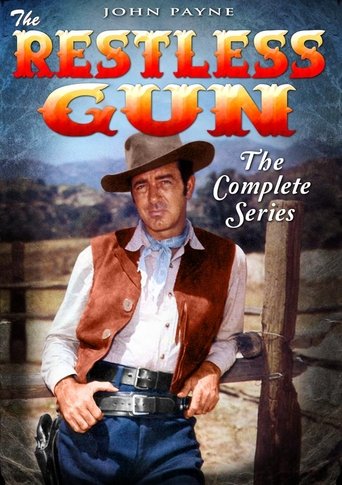
4.4The Restless Gun is an American western television series that appeared on NBC between 1957 and 1959, with John Payne in the role of Vint Bonner, a wandering cowboy in the era after the American Civil War. A skilled gunfighter, Bonner is an idealistic person who prefers peaceful resolutions of conflict wherever possible. He is gregarious, intelligent, and public-spirited. The half-hour black-and-white program aired seventy-eight episodes. Jeanne Bates appeared in varying roles with Payne in five episodes of The Restless Gun. The Restless Gun theme song begins: "I ride with the wind, my eyes on the sun, and my hand on my restless gun..." The song composer is probably Paul Dunlap, credited as the primary series composer, but could have been contributed to by either of the two other series composers, Dave Kahn and Stanley Wilson, also. Two versions are currently posted on YouTube, but neither posting lists any composer or performance credits.
The Restless Gun
1957
 7.8
7.8No synopsis available yet.
The Bugs Bunny Show
1983
 6.5
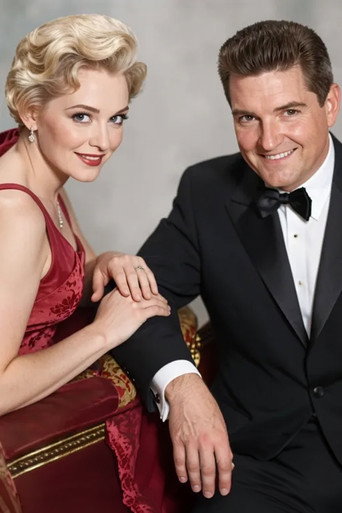
6.5Peter Loves Mary is a one-season American situation comedy, starring real-life husband and wife Peter Lind Hayes and Mary Healy, that aired on NBC from October 12, 1960 to May 31, 1961.
Peter Loves Mary
1960
A showbusiness producer navigates the challenges of the entertainment industry while managing performers, developing acts, and helping friends and colleagues with their problems.
The George Burns Show
1958
 8.0
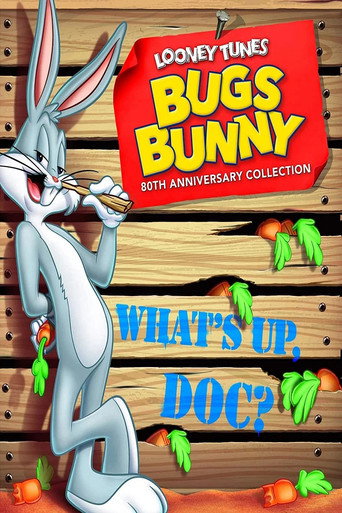
8.0Bugs Bunny first hopped onto the screen in 1940 and he’s been a pop-culture icon ever since. More than eight generations have enjoyed the timeless antics of the carrot-munching wise guy who always outsmarts his rivals. Cartoons, movies, TV, comics, music, sports and more – this wascally wabbit has done it all. Clever pranks and one-liners are here, along with interviews with today’s most renowned animators, historians and superstars. Enjoy the full range of his silly and smart-alecky personality with 60 theatrical shorts restored and remastered to their original 4x3 aspect ratio on Blu-ray for the first time. It's just what the doctor – er, doc – ordered.
Looney Tunes: Bugs Bunny 80th Anniversary Collection
1940
 6.8
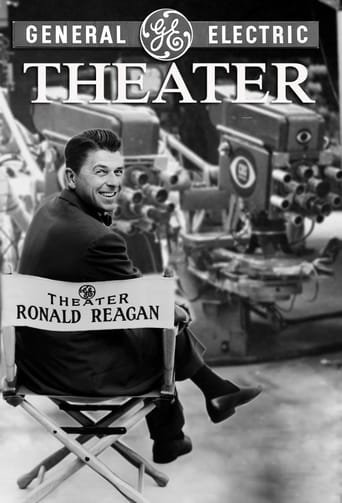
6.8General Electric Theater is an American anthology series hosted by Ronald Reagan that was broadcast on CBS radio and television. The series was sponsored by General Electric's Department of Public Relations.
General Electric Theater
1953