
Known for
 6.6
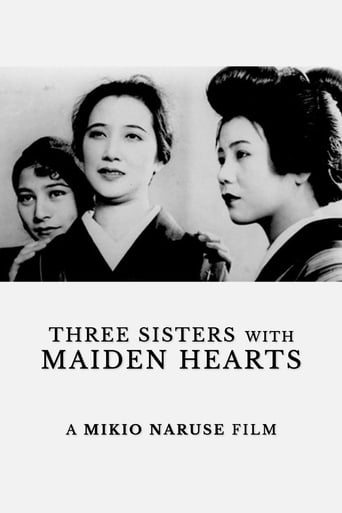
6.6Three sisters earn money for their bossy mother by being samisen street musicians. This means mainly playing a banjo type instrument for tips in bars...
Three Sisters with Maiden Hearts
1935
 NR
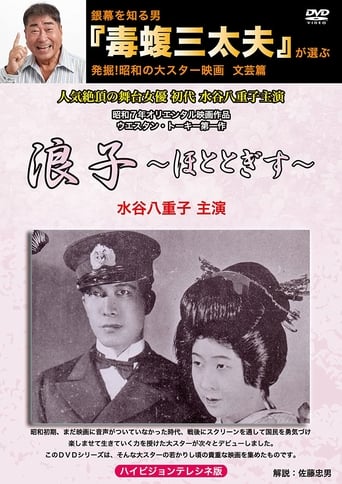
NRAn early Japanese sound film, notable for being the only Japanese film ever to use the Western Electric Sound System. Contrary to most Western sources that give sole directing credit to Eizo Tanaka, it was actually co-directed by six different directors, Tanaka, Kazue Kimura, Kazuo Takimura, Ryoji Mikami and Hidekuni Ouchi.
Namiko
1932
 NR
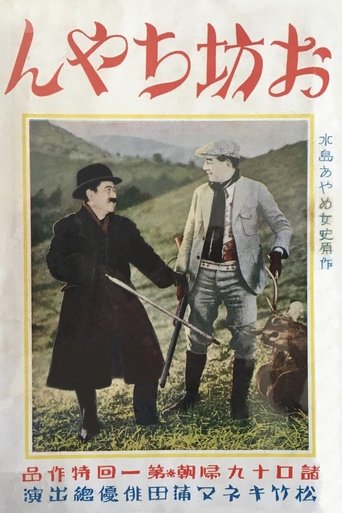
NRJapanese silent film from 1926. (Obo-chan meaning "Young Master.") Written by Ayame Mizushima, the first female screenwriter in Japan.
Young Master
1926
 NR
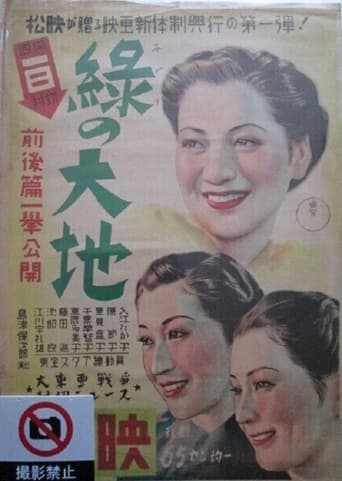
NRSet in Qingdao, China, a Japanese company locates an office there and begins work and cooperation with a local Chinese company for business. Many Japanese engineers also move to China, with their families, for the company in order to construct a canal. There are young Chinese resisting the Japanese in this area.
Green Earth
1942
 NR
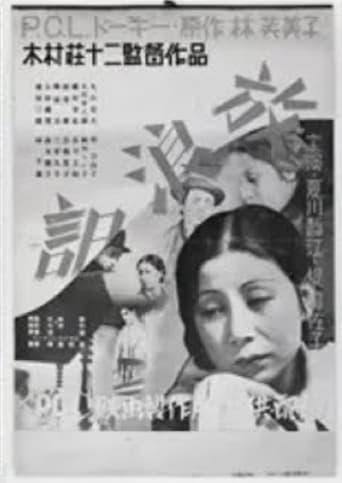
NRAdaptation of Fumiko Hayashi's novel.
Drifting
1935
No synopsis available yet.
Yama no senroban
1923
Film credits
1940s · 2 titles
NRSet in Qingdao, China, a Japanese company locates an office there and begins work and cooperation with a local Chinese company for business. Many Japanese engineers also move to China, with their families, for the company in order to construct a canal. There are young Chinese resisting the Japanese in this area.
Green Earth
1942
 10.0
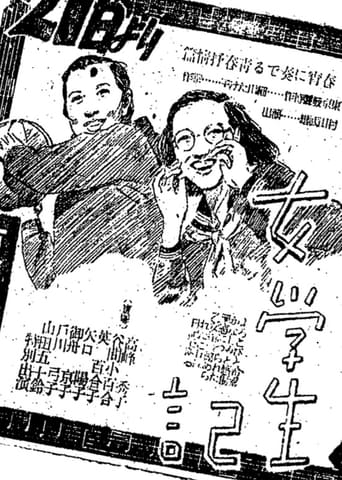
10.0A "slice-of life" film about a group of high school girls in 1940s Japan.
Schoolgirl Records
1941
1930s · 5 titles
6.6Three sisters earn money for their bossy mother by being samisen street musicians. This means mainly playing a banjo type instrument for tips in bars...
Three Sisters with Maiden Hearts
1935
NRAn early Japanese sound film, notable for being the only Japanese film ever to use the Western Electric Sound System. Contrary to most Western sources that give sole directing credit to Eizo Tanaka, it was actually co-directed by six different directors, Tanaka, Kazue Kimura, Kazuo Takimura, Ryoji Mikami and Hidekuni Ouchi.
Namiko
1932
NRAdaptation of Fumiko Hayashi's novel.
Drifting
1935
 6.0
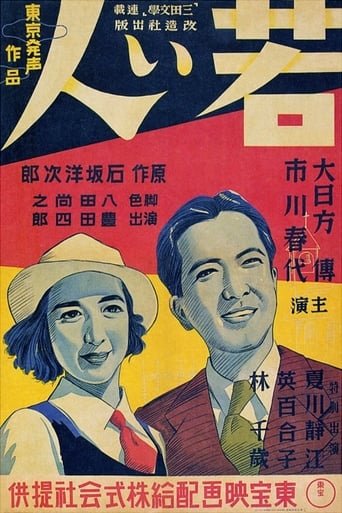
6.0Based on an original story by Yojiro Ishizaka, this well-made drama is set in a Christian school in a beautiful northern harbor town. Teacher Masaki (Obinata) speaks up for Keiko, one of the girls at the school, every time she causes problems because he feels sorry for her, a child born out of wedlock. Sumi (Natsukawa), one of Masaki’s colleagues and who is secretly in love with him, strongly disagrees with him about Keiko. Then Sumi hears a rumor that Keiko is pregnant with Masaki's child . . . .
Young People
1937
 10.0
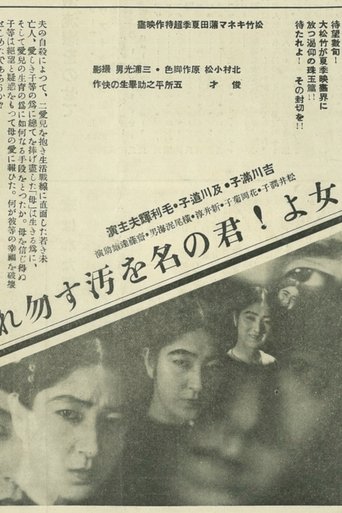
10.0Because of her husband’s suicide, a young widow finds herself suddenly cast into a life of solitude, with only her beloved child in her arms. At first, her pure devotion is directed toward the memory of her late husband, but before long it transforms into a fierce, consuming love for her child. That very love, however, drives her onto a perilous path, leading inexorably toward the tragic fate of a doomed flower. Ah, Mother! For what sin must you endure the scourge of the world? This work is offered in silence and reverence—above all to mothers everywhere. [Adapted from the promotional poster.]
Mother, Don't Tarnish Your Name
1930
1920s · 9 titles
NRJapanese silent film from 1926. (Obo-chan meaning "Young Master.") Written by Ayame Mizushima, the first female screenwriter in Japan.
Young Master
1926
No synopsis available yet.
Yama no senroban
1923
Japanese silent film from 1929.
The Father and His Son
1929
An early Japanese film
Father
1923
 NR
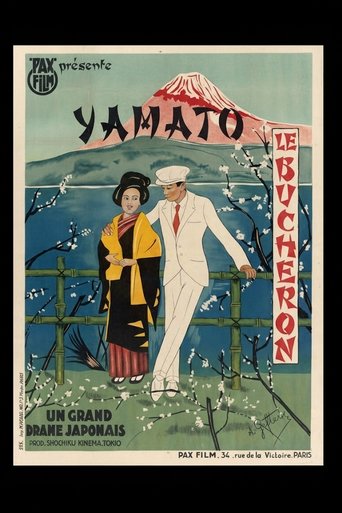
NRThe logger Yamato has been raising his daughter alone since his wife died in childbirth. The baron who owns the forests where he works convinces him to let him adopt the child, despite his reluctance. Fifteen years of age pass without Yamato seeing his daughter again.
The Eternal Heart
1928
Directed by Kiyomatsu Hosoyama.
On the Verge of Spiritual Light
1922
 7.0
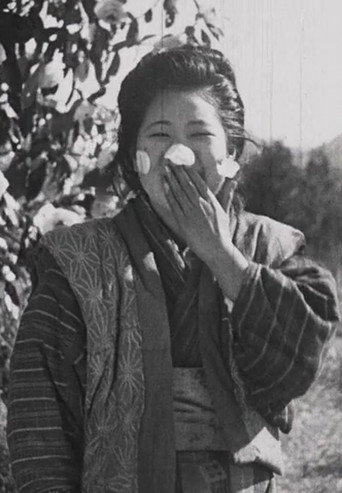
7.0Rinzou tries to pressure Gosuke into marrying his daughter, Osumi, to him to make up for his debts. In a chance encounter the father and daughter become acquainted with Asahiko, the Count's heir, and his fiancée, Kimiko, which results in Osumi moving into the Count's villa as a live-in maid. After a night of drinking, celebrating the Doll's Festival/Hinamatsuri, Asahiko jokingly gives a ring to Osumi, who interprets the act as an engagement. The next day she goes to tell her father the news and give him the ring; soon after a drunken Rinzou shows up wanting repayment so Gosuke shows him the ring. Doing so sends Rinzou into a fury and, equipped with a sickle, he heads to the villa! Outline by 畑中蓼坡
Winter Camellia
1921
 NR
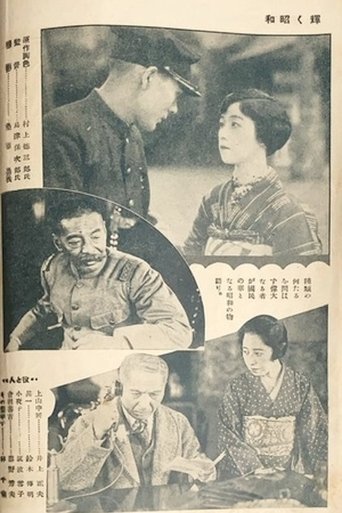
NRJapanese silent film from 1928.
The Glory of the Shōwa Era
1928
Japanese silent film from 1928.
Symphony of Youth
1928