
Acting
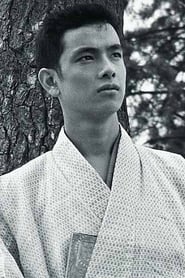
Ken Yamauchi
Born — Died
1943-12-09 — 2011-09-24
Place of birth
Tokyo, Japan
Known for
Acting
Credits
56 titles
Known for
 NR
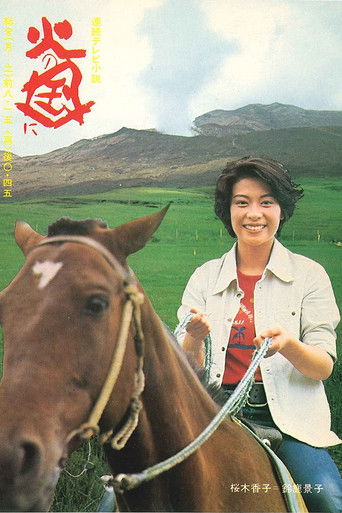
NRThe 18th NHK Asadora. Starring Keiko Suzuka about a woman who strives to become a landscape gardener.
Hi no kuni ni
1976
 NR
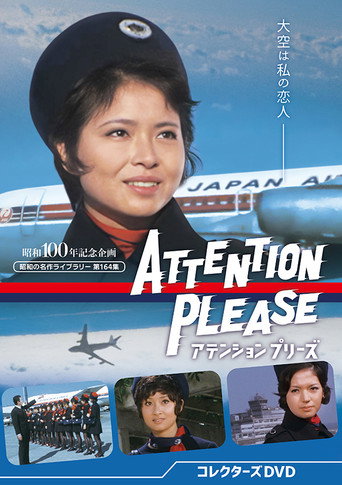
NRFirst Japanese TV drama about flight attendants.
Attention Please
1970
 NR
NRNo synopsis available yet.
The Story of Zenta and Sanpei: Kids in the Wind
1957
 6.5
6.5In the Tokugawa Era, the clan of Lord Yagyu has hidden away three scrolls containing clan secrets which, if revealed, would cause revolution and disaster for the clan. The information is divided among the three scrolls, all of which must be possessed for the secrets to be understood. When Princess Yuhime steals the scrolls, Tasaburo, a samurai with magical powers, and his brother Senshiro are sent to retrieve them.
Yagyu Secret Scrolls
1957
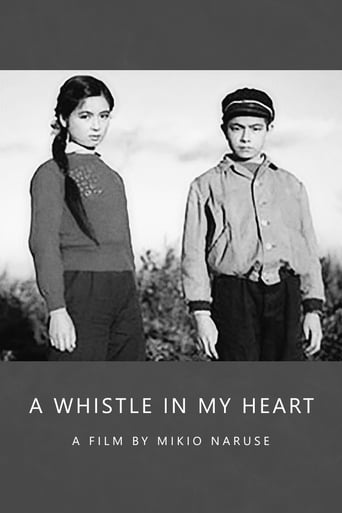 6.7
6.7The story is about the social problems faced by Japan's indigenous Ainu, mostly centered on the reactions of the characters to their oppressed state.
A Whistle in My Heart
1959
 9.0
9.0On the day of college graduation, Mieko (Sayuri Yoshinaga) stood on stage as the valedictorian for the Department of English. During her university years she made sure that she would always come out on top, and she did. With a victorious graduation behind her, she plans out the next chapter of her life: become a successful novelist and go out with a classmate she's been secretly eyeing for the past couple of years.
Bright Sea
1963
Film credits
1960s · 46 titles
9.0On the day of college graduation, Mieko (Sayuri Yoshinaga) stood on stage as the valedictorian for the Department of English. During her university years she made sure that she would always come out on top, and she did. With a victorious graduation behind her, she plans out the next chapter of her life: become a successful novelist and go out with a classmate she's been secretly eyeing for the past couple of years.
Bright Sea
1963
 NR
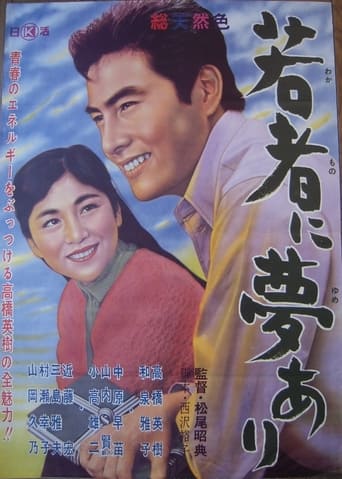
NRNo synopsis available yet.
The President's Son
1962
 NR
NRSet on a luxury ship sailing through the Far East, the film depicts the affection of young boys for a young girl traveling alone and the exchange of youthful feelings across borders.
Sora no shita tōi yume
1963
 NR
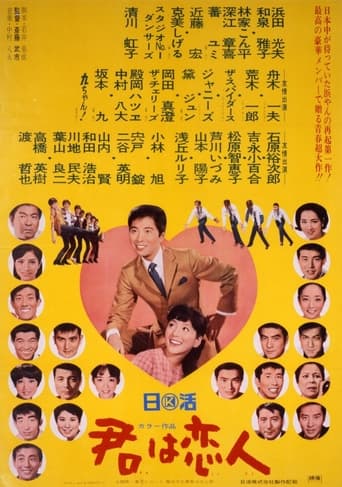
NRIt had been a year and four months since Mitsuo was last on a movie set. Welcomed back by director Ishizaki and his film crew, Mitsuo is excited to star as the lead in "My Sweetheart". One day, half way through production, he meets his friends from a popular rock group, "The Spiders". Through their discussion regarding the climax scene, they criticize that the script is too grim. In a notion to protect their friend's career, they decide to pay the scriptwriter a little visit.
My Sweetheart
1967
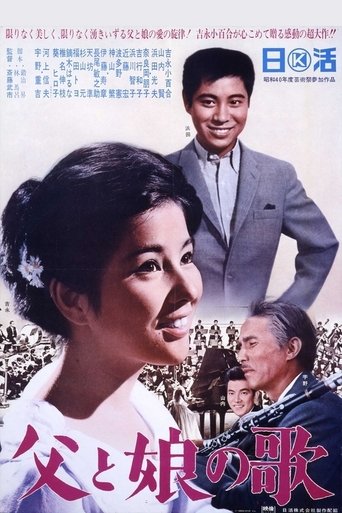 NR
NRHeartwarming story of an ambitious girl who becomes a concert pianist with the help of her musician father.
The Song of Love
1965
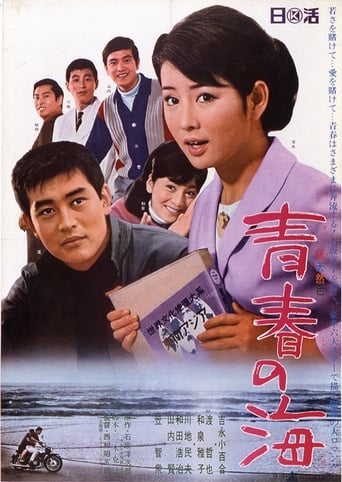 NR
NRYoung female teacher Kyoko Miyake relocates to a small seaside town with her runaway little sister, but their new life is complicated by hoodlum-like Jiro Yamazaki.
The Black Sheep
1967
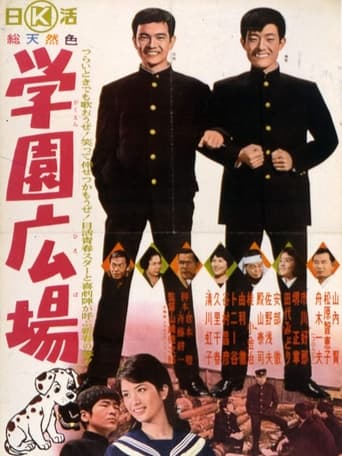 NR
NRA Tokyo student transfers to a rural school and finds it difficult to adjust himself to its customs and traditions. One of the customs is the wearing of an old school cap by a senior. It is a symbol of courage and bravery and is handed down to a new senior each year.
The School Cap
1963
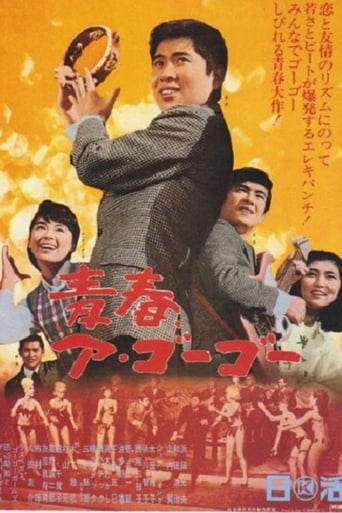 NR
NRKenichi and Satoru join up with three other electric music lovers to form their own band, "The Young and Fresh."
Youth A Go Go!
1966
 7.0
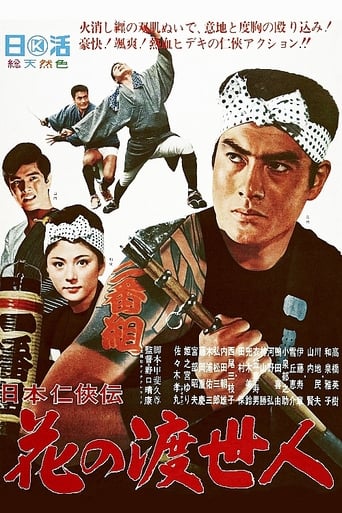
7.0In the early years of the twentieth-century a young gambler returns to his home town where he finds the gang of which he was once a member engaged in a feud with a rival gang. Though he successfully settles their differences he is turned out of the organization for the way in which accomplishes it. Upon his return he finds that the fortunes of the group have declined - there has been treachery and desertion. This time with the approval of the seniors he settles the differences with a duel. After winning, however, he declines the position of gang-boss, preferring his freedom, and once more leaves town.
Story of Japanese Chivalry: Flower of a Chivalrous Man
1966
 7.0
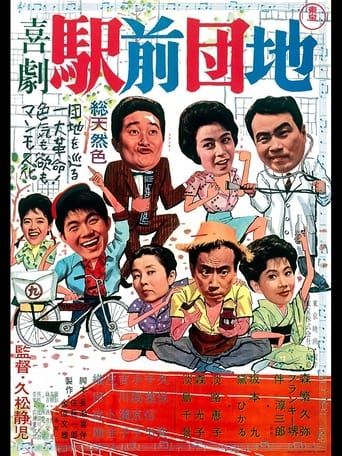
7.0Follow-up to "Ekimae Ryokan." Set around the Yurigaoka and Nishi-Ikuta stations on the Odakyu-Odawara line, the film takes up the problem of real estate around the expanding Yurigaoka apartments.
An Urban Affair
1961
 7.0
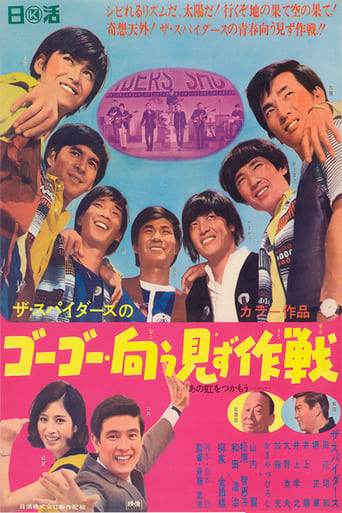
7.0The Spiders, a Japanese pop group, in their first starring role, walk from Yokohama to Tokyo, to prove their love for a girl who told them "the person who can overcome any obstacle will be my lover"! Neither traffic, buildings, nor the police can stop them, in this madcap rock musical adventure!
The Spiders: The Reckless Operation
1967
 NR
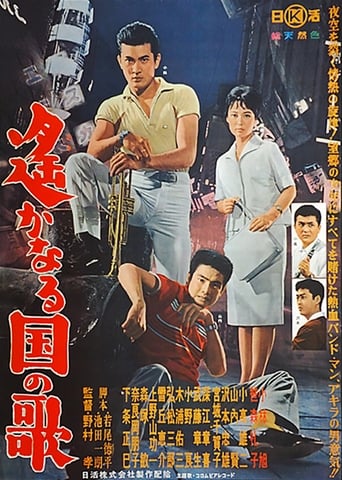
NRNo synopsis available yet.
Dahil Sa Iyo – The Song of Sad Love
1962
 10.0
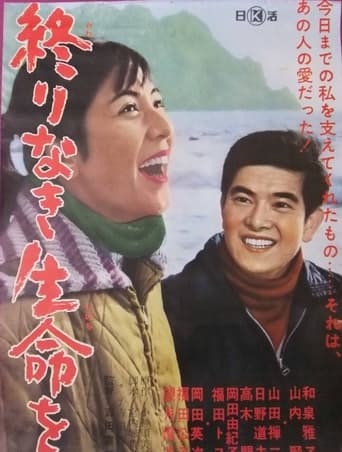
10.0No synopsis available yet.
The Will to Live
1967
 7.0
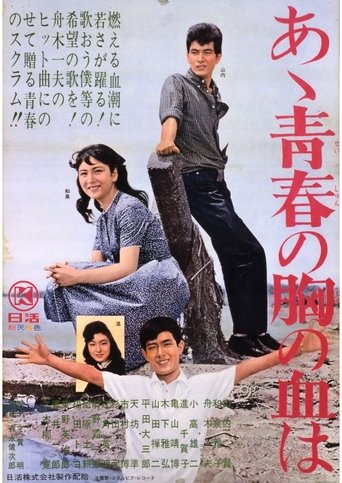
7.0Kunio Shimizu, a sailor of Tohto University, helped a girl that was chased by someone on her way home from practice.The girl went away without saying anything, leaving her wallet with Kunio. A few days later, she visited Kunio. She was working at a toy factory called Tomoko Nishizawa. Kunio naturally became attracted to Tomoko, but for some reason Tomoko refused to talk about her past. One day, the two went to the bowling alley and were approached by Tempira...
Aa Seishun no Mune no Chi wa
1964
 NR
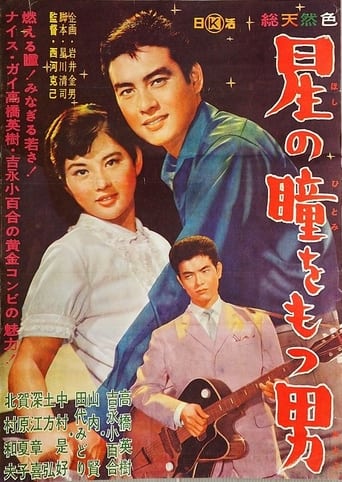
NR1962 Japanese movie
The Man With Starry Eyes
1962
 7.2
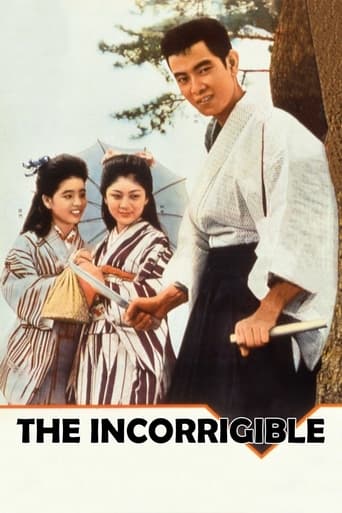
7.2Based on the loosely autobiographical novel of the same name by Toko Kon. Ken Yamanouchi stars as Togo Konno, the titular bastard.
The Incorrigible
1963
 NR
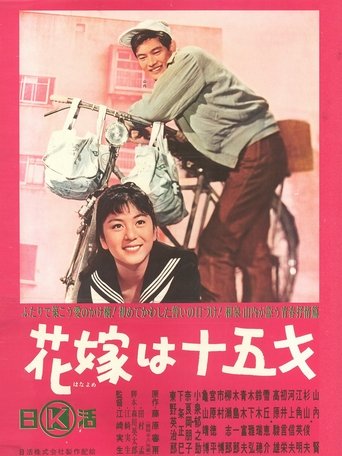
NRHanayome wa Jūgo-sai, directed by Mio Ezaki and distributed by Nikkatsu, stars Masako Izumi and Ken Yamauchi. The high-key pink background and casual photographic portrait embody Nikkatsu’s 1960s youth-film aesthetic. Clean, hopeful, and pop-oriented. The large white title, handwritten for a softer impression, injects playful energy that contrasts with the strict vertical text blocks. As Japan’s youth culture blossomed after the 1964 Tokyo Olympics, posters like this captured the spirit of romance and rebellion marketed to teenage audiences. The vivid color palette and carefree composition signal a stylistic shift from postwar black-and-white melodrama to the vibrant optimism of modern Technicolor cinema.
The Bride is Fifteen
1964
 NR
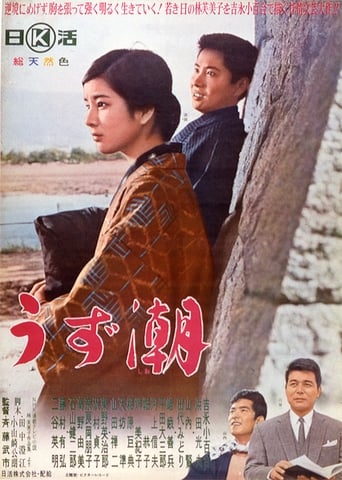
NRIt is 1922 and Fumiko is a high school student. Her family is poor but she loves to study literature. Her father, a peddler, does not return home and Fumiko finds herself in financial trouble, not being able to pay for her schooling and her school excursion trip. Still, she gets a temporary job at a factory and tries to make ends meet. A film about bright side of youth adapted from the television serial of the same name.
Eddy Currents of Life
1964
 NR
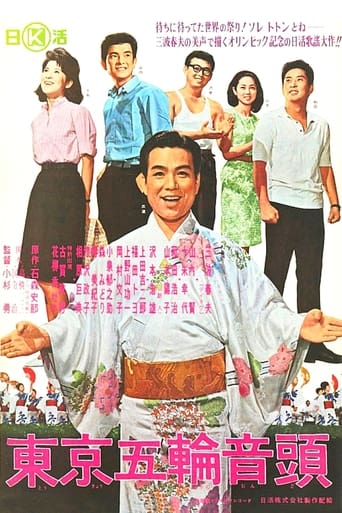
NRAdapted from the song " Tokyo Olympic Ondo " , which was the theme song for the 1964 Tokyo Olympics held in October 1964 . Song was composed by Masao Koga.
Tokyo Olympics
1964
 NR
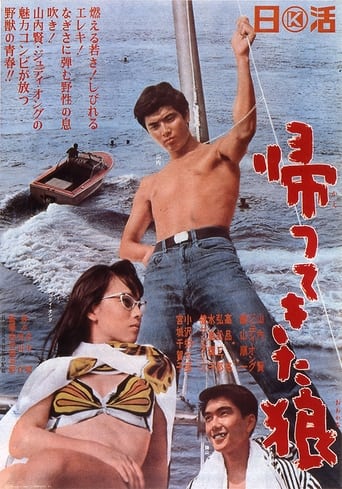
NRA Nikkatsu sun tribe / youth film set in a small seaside town.
Return of the Wolf
1966
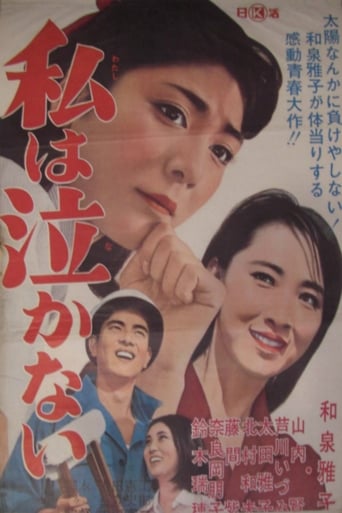 NR
NRThe rehabilitation of a delinquent on leaving reformatory. Her redemption comes through a boy in a wheelchair; by his rehabilitation, growing comes in courage along with her patient, she grows by finding meaning in her own existence. She finally sees a new world before her and has the determination to lead a normal life.
I'll Never Cry!
1966
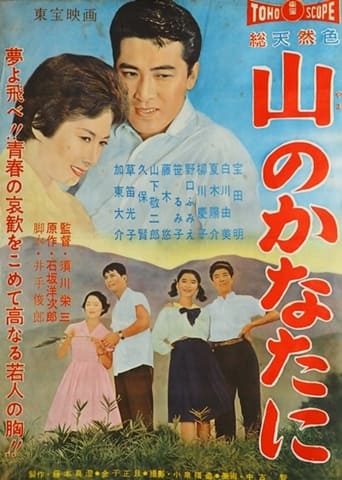 NR
NRStory of young love in the hills.
Beyond the Hills
1960
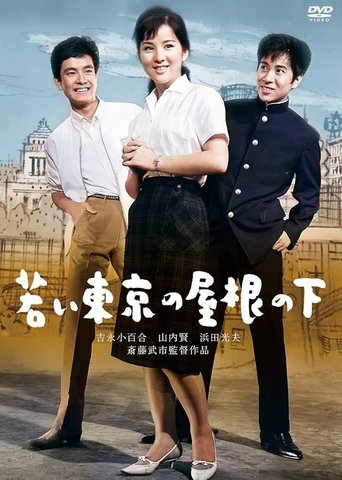 NR
NRNineteen-year-old Fukiko Kuwano lives with her father, who is nearing retirement, her mother, and her younger brother. After colliding with a stranger while speeding on her bicycle, she is surprised to discover that their new lodger is that very stranger.
Under the Roof of Young Tokyo
1963
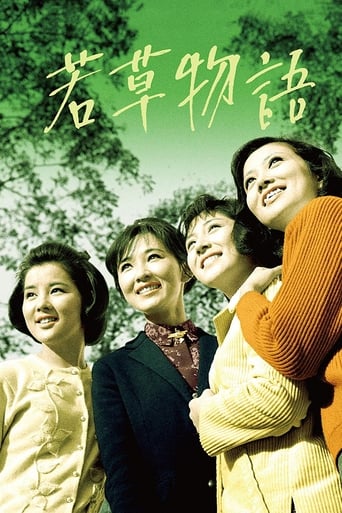 6.0
6.0Three girls come to Tokyo to stay with their elder sister. Actually they are running away from home because their father has married again to a very young woman. They have many romantic adventures and one finally decides against the boy she thought she loved because he, just like her father is always away from home. But directly after her marriage to another young man, her sister runs after the former boy-friend.
Four Young Sisters
1964
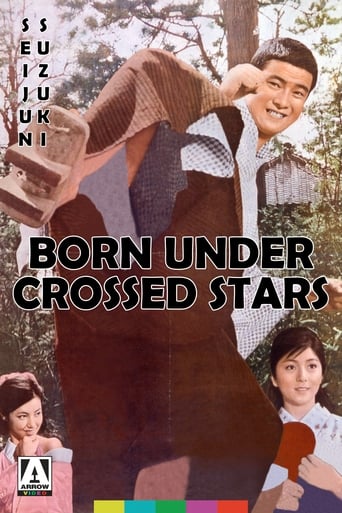 6.6
6.6A young man with a strong sense of justice is torn between two girls: the flighty Taneko and the serious Suzuko. With wisdom, courage and honor in a Japanese spirit of manliness he wins the day.
Born Under Crossed Stars
1965
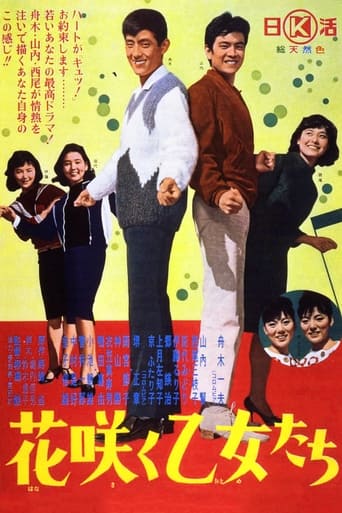 NR
NRThe young yakuza who have arrived in the city are being taught the beauty of work and the pleasure of learning by hard-working young people of the same generation. Youth masterpiece created based on the hit Kazuo Funaki.
Flowering Maidens
1965
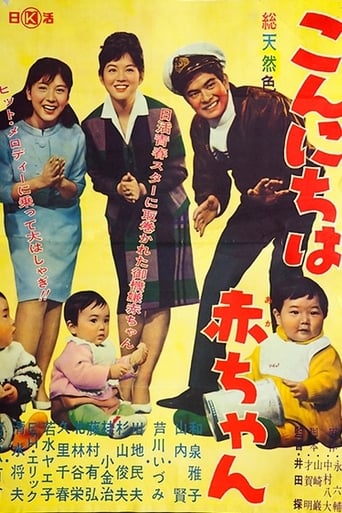 NR
NRTwo friends, both members of a Japanese cargo boat, return to Japan after a three-month voyage and have just 24 hours shore leave. In those hectic hours, they vie for the affections of a hotel owner's daughter but wind up with separate girl friends and attempt to bring together the parents of a baby who have separated.
Welcome, My Baby
1964
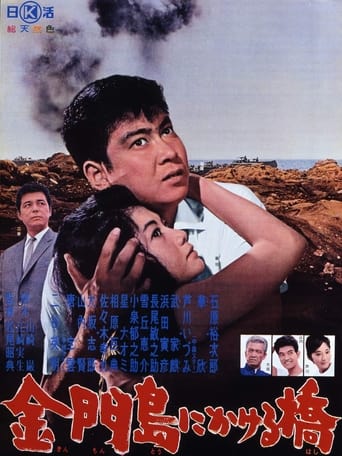 NR
NRThree years had passed since Ichiro Takeo left Japan. He was a young physician with a promising future, until his medical error caused the death of a big-shot politician. He was discharged from the hospital and had since sailed around the world as an on-board doctor. As he was about to reach the Taiwanese piers of Kinmon Island, thoughts of his days in Japan crossed his mind - he reminisced about the Taiwanese girl, Yan, who had scooped him out of his misery during the time of the medical accident. At times of war, the two rekindle an old flame.
Rainbow Over Kinmon
1962
 NR
NRThe story of love and friendship between a seamstress girl and a member of a student ensemble, who, against all odds, turned a song written by the composer about adversity into a real hit.
Ginza for Two
1967
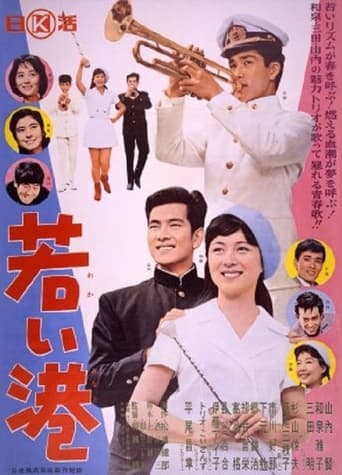 NR
NRJapanese youth film.
Spirit of Youth
1964
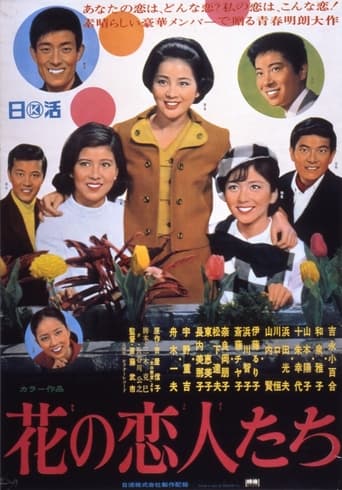 8.0
8.0The love and friendship adventures of seven internship medical students.
The Sweet Interns
1968
 NR
NRNot too long ago, Soichiro was considered one of the most powerful men in business. But his business had failed, his granddaughter had committed suicide. There was nothing in his life anymore that he could look forward to. Sochiro was ready to put an to it end to all. As he drives down the Usui Pass, headed toward his summer house in Karuizawa, a girl in red heels, wearing nothing else but a coat jumps in front of the car.
The Young and Bad
1962
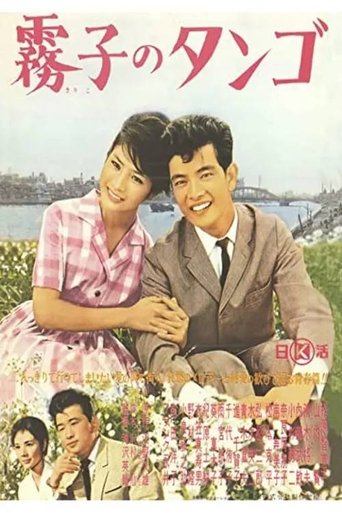 NR
NRA story of the conflicting friendship and love between two young men over a young girl from a working-class neighborhood.
Kiriko's Tango
1963
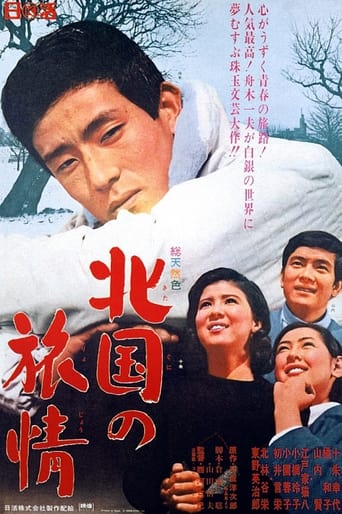 NR
NRWinter holidays at the university. Eikichi visits a city in the north of the country, the hometown of Yuko, a classmate for whom he has feelings. However, Yuko, having returned home, has just become engaged to a local young man, and the sudden appearance of Eikichi makes others worry that their good relationship will be spoiled. An epic about pure love, which tells the story of a man who leaves his beloved woman, praying for her happiness. Adapted from the novel "Kiri no Naka no Shojo" Yojiro Ishizaka.
Journey to the North
1967
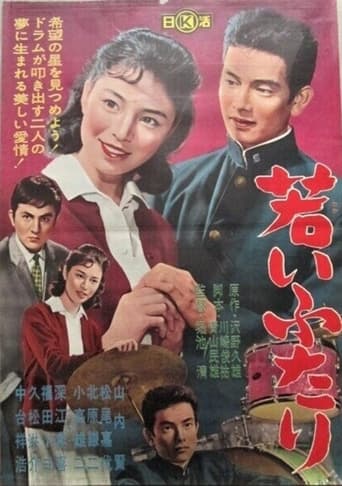 NR
NR1962 Japanese movie
Wakai futari
1962
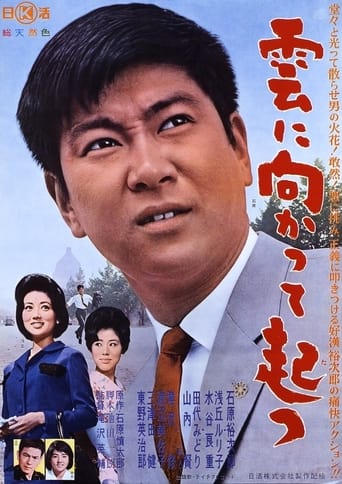 NR
NRA rookie newspaper journalist, Takema Sakaki, has a strong sense of justice. In the Diet Building he gets acquainted with a library worker, Reiko Nakafuji. Reiko's father was a member of the Diet who was assassinated six years ago. Through Reiko, Takema joins Tsūkai-kai, a group of young people who respect her late father's political ideas. With the assistance of Tsukai-kai, Takema eventually uncovers the political scandal related to postwar compensation which led to the murder of Reiko's father.
Facing to the Clouds
1962
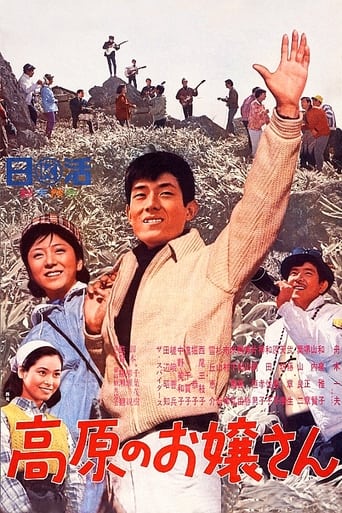 8.0
8.0Kazuo Kitagawa lives on a farm on the Tateshina Plateau with his late teacher's widow and daughter, continuing his research. One day, Kazuo is attracted to the beautiful young lady who is visiting the villa when he goes out to the town…
A Girl of the Plateau
1965
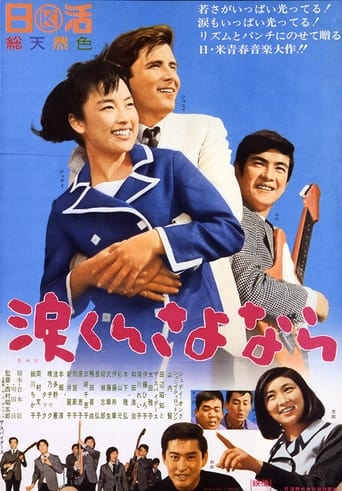 NR
NRAn American-Japanese girl travels to Japan to find her mother.
Goodbye Mr. Tears
1966
 NR
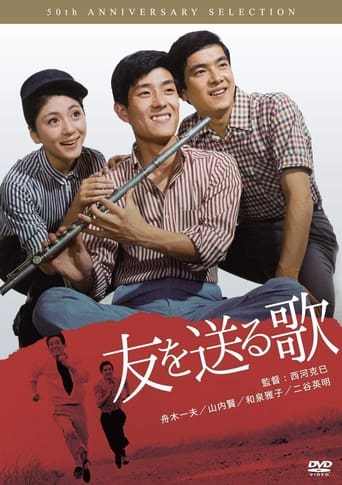
NRNo synopsis available yet.
Tomo o okuru uta
1966
 6.0
6.0A romance of a pure young lover and his heartbreak for a beautiful older woman.
Distant Love
1963
 10.0
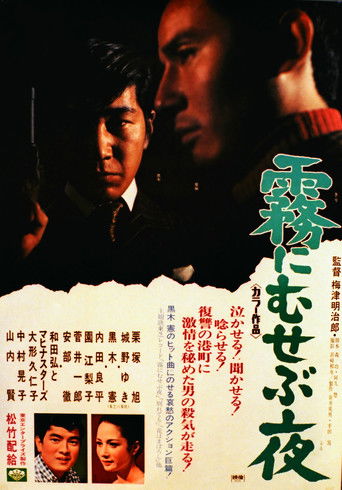
10.0A hit-man returns to Japan after a long sojourne.
Harbor Light Yokohama
1968
 NR
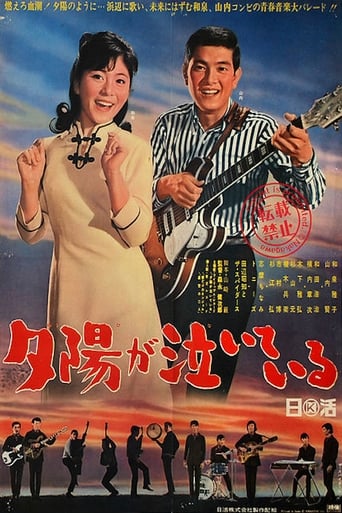
NRYoung men get together and dream of becoming a successful band, while a young woman (Masako Izumi) dreams of becoming a successful manager. Inspired by her brother, a Jazz Guitarist (Shoji Yokouchi) and the successful band The Spiders, they form a new band called "Young & Fresh" and work hard to make it.
The Sunset Is Crying
1967
 NR
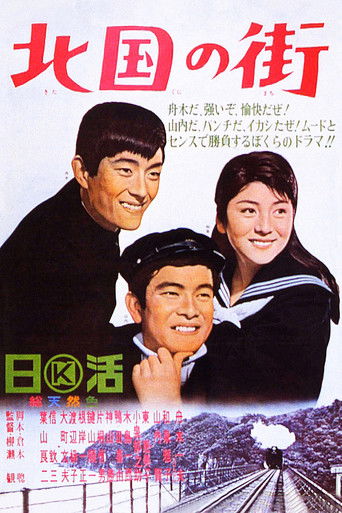
NRNikkatsu youth masterpiece, which celebrates the love and friendship of young people who have blossomed in a beautiful northern spring with a lot of young dreams. Based on the novel "Memory of Snow" written by Takeo Tomishima.
Northern City
1965
 NR
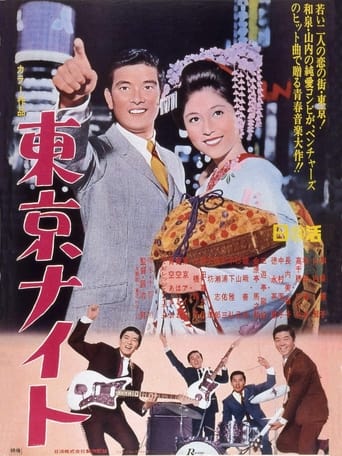
NRA girl runs away form her house in Kyoto to find fortune in the Japanese capital.
Tokyo Night
1967
 NR
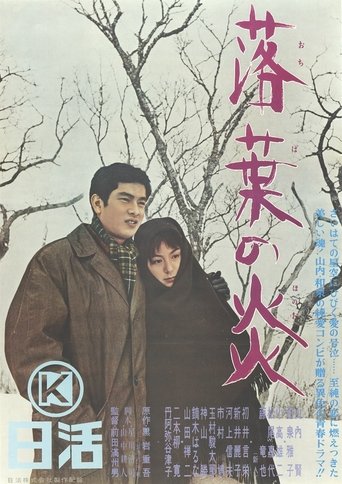
NRTwo young lovers stake their lives on passion. Yet a cruel and capricious fate cruelly extinguishes the blazing flame of their love.
Ochiba no honō
1965
 NR
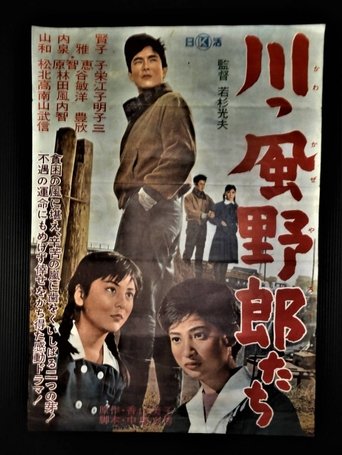
NRa modest family struck by hardship after a tragic event. The film explores the sacrifices of a brother and sister as they struggle with economic pressures and the trials of adolescence, while holding onto hope through family bonds and determination.
The Kawakaze Guys
1963
1950s · 7 titles
NRNo synopsis available yet.
The Story of Zenta and Sanpei: Kids in the Wind
1957
6.5In the Tokugawa Era, the clan of Lord Yagyu has hidden away three scrolls containing clan secrets which, if revealed, would cause revolution and disaster for the clan. The information is divided among the three scrolls, all of which must be possessed for the secrets to be understood. When Princess Yuhime steals the scrolls, Tasaburo, a samurai with magical powers, and his brother Senshiro are sent to retrieve them.
Yagyu Secret Scrolls
1957
6.7The story is about the social problems faced by Japan's indigenous Ainu, mostly centered on the reactions of the characters to their oppressed state.
A Whistle in My Heart
1959
No synopsis available yet.
The Story of Zenta and Sanpei in the Ghost World
1957
 7.7
7.7A war widow with a young boy manages a farm with her bossy mother-in-law. When a reporter comes to interview her, the two begin an affair. He turns out to be married and won't leave his wife. Her older brother tries to marry off his children and hang on to/ extend his farm through an advantageous marriage in the face of threatened land confiscation and the desire of his children to get comfortable urban jobs instead of the backbreaking work in the paddy fields under parental control.
Summer Clouds
1958
 NR
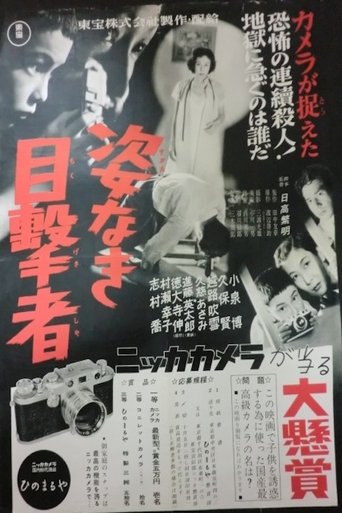
NRNo synopsis available yet.
Ticket to Hell
1955
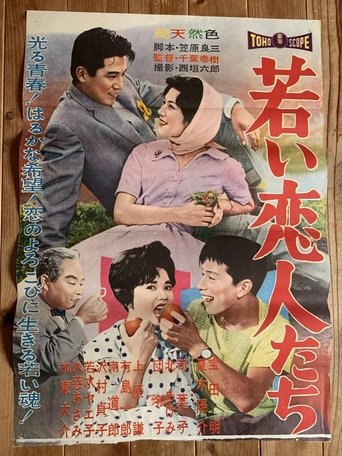 NR
NREngineer Shuichi defies his wealthy family to live with bar hostess Kazuyo, whose loyalty to her struggling family complicates their love. As class, pride, and temptation test them, true affection proves stronger than circumstance.
Young Lovers
1959