
Directing
Rajen Tarafdar
Known for
Directing
Credits
13 titles
Rajen Tarafdar (7 July 1917 – 23 November 1987) was an Indian film director, actor, and screenwriter. He was the recipient of two National Awards and two BFJA Awards.
Known for
 6.4
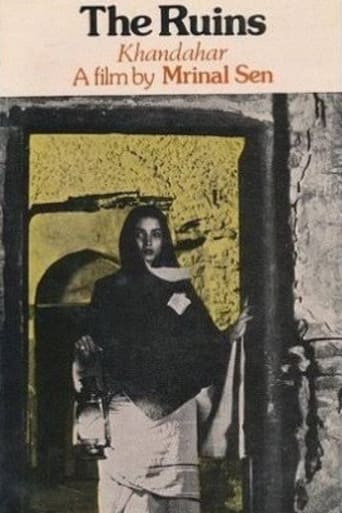
6.4Subhash is a photographer from the city, who has come to take pictures of some old temples and ruins in a village. Ruins fascinate him. While in the village, he gets acquainted with a young woman, Jamini, who has had her heart broken in the past, by another visitor from the big city. Will history repeat itself, or will she find a way out of the ruins at last?
The Ruins
1984
 8.7
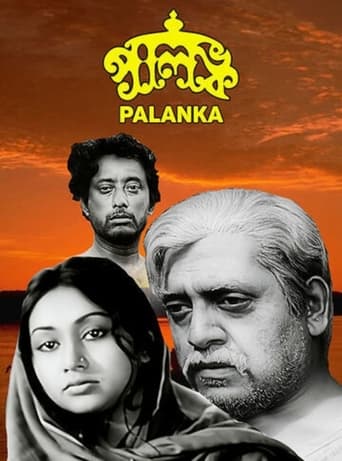
8.7Rajmohan remains in Pakistan at the time of partition and sells Maqbool a giant bed, which upsets the local Muslims.
Palanka
1975
 7.0
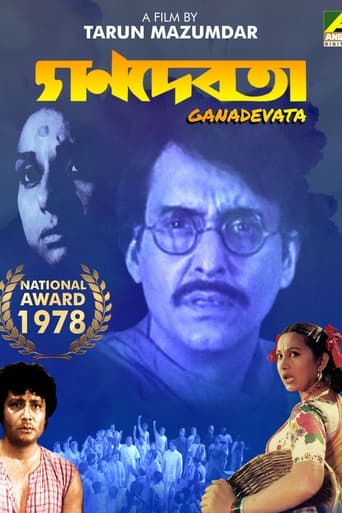
7.0Set in 1920's during the British Raj, the film is about the breakdown of socio-economic structures, impact of industrialization and non-cooperation movement in rural Bengal.
Ganadevata
1978
 7.2
7.2A young, idealistic director arrives in a village to make a picture set during the Great Bengal Famine. It’s a film that he hopes will reveal the problems and privations still current in rural India.
In Search of Famine
1981
Endearingly realist love story between a prostitute and a thief. Rajani (Roy), a streetwalker, shelters the thief Aghor (So. Chatterjee) but he steals her money.
Sangsar Simantey
1975
 NR
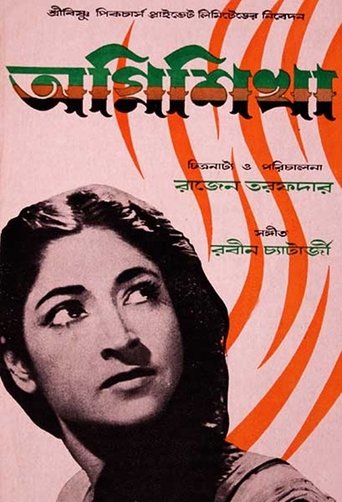
NRThe young daughter of a struggling family is forced to get a job when her father is killed in an auto accident caused by an industrialist's son.
The Flame
1962
Film credits
1980s · 3 titles
6.4Subhash is a photographer from the city, who has come to take pictures of some old temples and ruins in a village. Ruins fascinate him. While in the village, he gets acquainted with a young woman, Jamini, who has had her heart broken in the past, by another visitor from the big city. Will history repeat itself, or will she find a way out of the ruins at last?
The Ruins
1984
7.2A young, idealistic director arrives in a village to make a picture set during the Great Bengal Famine. It’s a film that he hopes will reveal the problems and privations still current in rural India.
In Search of Famine
1981
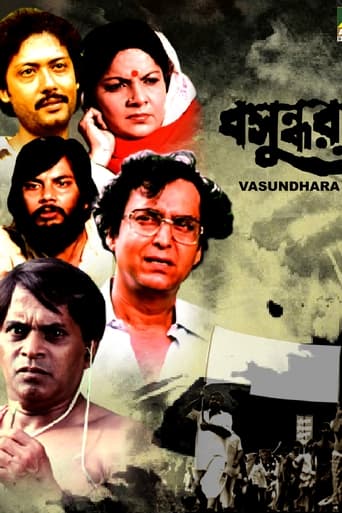 NR
NRHaji and Rupchand are amongst those who oppress the poor sharecroppers of Asmanpur. Eventually, Jagra and Nitai raise their voices against them but are incessantly harassed.
Vasundhara
1986
Behind the camera
8.7Rajmohan remains in Pakistan at the time of partition and sells Maqbool a giant bed, which upsets the local Muslims.
Palanka
1975
7.0Set in 1920's during the British Raj, the film is about the breakdown of socio-economic structures, impact of industrialization and non-cooperation movement in rural Bengal.
Ganadevata
1978
Endearingly realist love story between a prostitute and a thief. Rajani (Roy), a streetwalker, shelters the thief Aghor (So. Chatterjee) but he steals her money.
Sangsar Simantey
1975
NRThe young daughter of a struggling family is forced to get a job when her father is killed in an auto accident caused by an industrialist's son.
The Flame
1962
This is a story about a landlord in a local rural Bengal. He is very stubborn, egoist, commanding person. Every steps of his move has logical conclusions, with reasons and vision. He doesn't want to commit himself for any cause. But Jayanta doesn't always agree with landlord's decisions. He is very honest, sincere and whimsical person who doesn't know how to plan a work. He likes a girl from his early days and always wants to marry that girl. So he conveys his wish to the father of that girl. After a small hesitation, the landlord also agrees with his wife and nods for the approval. But after the marriage takes place, a long time mystery breaks out. As a result Jayanta has to suffer, but at last the landlord rescues him.
Antariksha
1957
 NR
NRAn insurance agent who's deeply in debt tries to commit suicide, but thinks better of it when he meets a young man who's even more desperate than he is.
Jiban Kahini
1964
NRAn insurance agent who's deeply in debt tries to commit suicide, but thinks better of it when he meets a young man who's even more desperate than he is.
Jiban Kahini
1964
 6.4
6.4Film about the lives of people on the banks of the Ganges.
Ganga
1960
6.4Film about the lives of people on the banks of the Ganges.
Ganga
1960
The backdrop of the story is a village in Sunderban delta. It tells about the lives of the villagers, their customs and rituals. The protagonist wins a boat race, symbolizing the struggle against oppression and exploitation.
Nagpash
—