

Directing
Ladislav Helge
Born — Died
1927-08-21 — 2016-01-31
Place of birth
Prague, Czechoslovakia [now Czech Republic]
Known for
Directing
Credits
15 titles
Ladislav Helge was a Czech film director and screenwriter. He directed 7 films between 1957 and 1967, including Škola otců. He also wrote screenplays for 5 films. He started as an assistant director for Jiří Krejčík in 1947 and directed his first movie in 1957.
Known for
Television series Golden Sixties examines new insights into Czech and Slovak cinema of the 1960s and the role of the Czechoslovak New Wave. Each episode focuses on a different filmmaker.
Golden Sixties
2009
 7.5
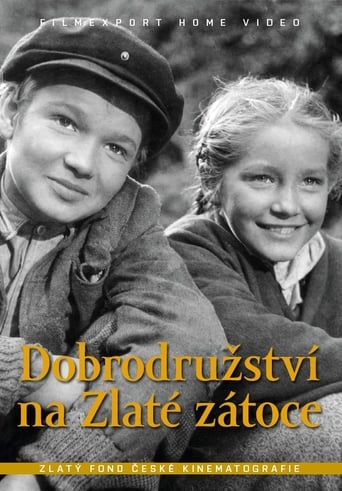
Orphan Jirka lives alone with his grandfather by the river. He spends all his free time by the water and does not grow up with the other children. His biggest dream is to catch a big pike, which he knows that he can't do without friends. ► International Film Festival of Documentary and Experimental Films Montevideo - 1956 - 1st Main Prize (Distributor's Official Text)
Dobrodružství na Zlaté zátoce
1955
 9.0
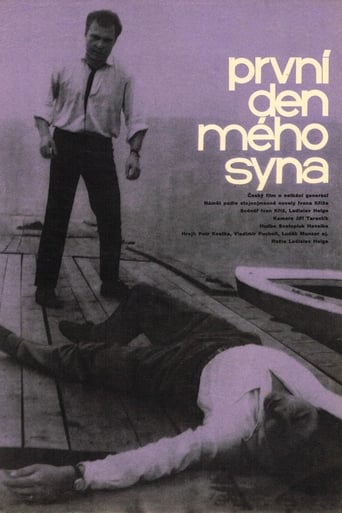
Thirty-year-old worker Oldřich Olejník is a pub and wine bar worker, because he is celebrating the birth of his son. It is no wonder that he ends up in the detention center. This is how he meets seventeen-year-old Jirka Kouba. The troubled young man, who was nicknamed Žluťásek because of the color of his favorite T-shirt, left his job after numerous conflicts. His father disappeared for no apparent reason and his mother could not cope with it. Therefore, Žluťásek spends most of his time in a gang led by the bankrupt actor Ancek. Oldřich, in whom paternal qualities have awakened for understandable reasons, begins to take an interest in and care for Žluťásek. In addition to breaking through Žluťásek's initial distrust, this will also mean getting to know Ancek and his dubious gang...
První den mého syna
1965
In southern Moravia, in the native village of Velka Samota, a ministry official returns from Prague to lift the declining JZD he helped establish.
Great Solitude
1960
 8.5
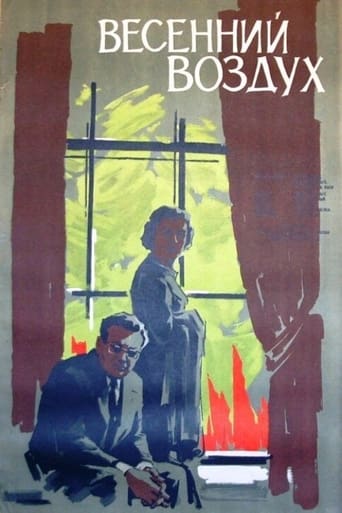
People in Czechoslovakia perceive the events of February 1948 differently. This movie tells how they behave depending on their views, beliefs and character.
Jarní povětří
1961
A new teacher with high standards and a strong sense of duty replaces an easy grader. Once bad grades begin to pile up, a product of his predecessor's subservience to the system, the new teacher has to stand up for himself and his students.
School for Fathers
1957
Series credits
Behind the camera
7.5Orphan Jirka lives alone with his grandfather by the river. He spends all his free time by the water and does not grow up with the other children. His biggest dream is to catch a big pike, which he knows that he can't do without friends. ► International Film Festival of Documentary and Experimental Films Montevideo - 1956 - 1st Main Prize (Distributor's Official Text)
Dobrodružství na Zlaté zátoce
1955
9.0Thirty-year-old worker Oldřich Olejník is a pub and wine bar worker, because he is celebrating the birth of his son. It is no wonder that he ends up in the detention center. This is how he meets seventeen-year-old Jirka Kouba. The troubled young man, who was nicknamed Žluťásek because of the color of his favorite T-shirt, left his job after numerous conflicts. His father disappeared for no apparent reason and his mother could not cope with it. Therefore, Žluťásek spends most of his time in a gang led by the bankrupt actor Ancek. Oldřich, in whom paternal qualities have awakened for understandable reasons, begins to take an interest in and care for Žluťásek. In addition to breaking through Žluťásek's initial distrust, this will also mean getting to know Ancek and his dubious gang...
První den mého syna
1965
In southern Moravia, in the native village of Velka Samota, a ministry official returns from Prague to lift the declining JZD he helped establish.
Great Solitude
1960
In southern Moravia, in the native village of Velka Samota, a ministry official returns from Prague to lift the declining JZD he helped establish.
Great Solitude
1960
8.5People in Czechoslovakia perceive the events of February 1948 differently. This movie tells how they behave depending on their views, beliefs and character.
Jarní povětří
1961
8.5People in Czechoslovakia perceive the events of February 1948 differently. This movie tells how they behave depending on their views, beliefs and character.
Jarní povětří
1961
A new teacher with high standards and a strong sense of duty replaces an easy grader. Once bad grades begin to pile up, a product of his predecessor's subservience to the system, the new teacher has to stand up for himself and his students.
School for Fathers
1957
A new teacher with high standards and a strong sense of duty replaces an easy grader. Once bad grades begin to pile up, a product of his predecessor's subservience to the system, the new teacher has to stand up for himself and his students.
School for Fathers
1957
An outdated fireclay factory is due to close, but its long-time employees can't imagine stopping what has fed them all their lives and what they do best...
Bez svatozáře
1964
An outdated fireclay factory is due to close, but its long-time employees can't imagine stopping what has fed them all their lives and what they do best...
Bez svatozáře
1964
 6.4
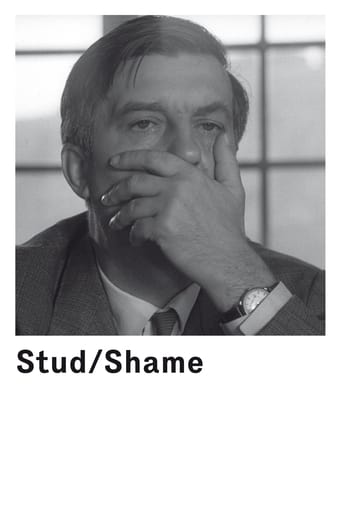
The drama offers Arnošt Pánek, chairman of the National Committee, as the protagonist of the story. Pánek is disturbed by news of the arrest of his protégé Kvasil – chairman of a JZD agricultural cooperative in the nearby village of Spádová. He is responsible for the revival of a neglected village, but is now accused of theft, fraud, and – on top of that – the rape of an under-aged girl.
Stud
1968
6.4The drama offers Arnošt Pánek, chairman of the National Committee, as the protagonist of the story. Pánek is disturbed by news of the arrest of his protégé Kvasil – chairman of a JZD agricultural cooperative in the nearby village of Spádová. He is responsible for the revival of a neglected village, but is now accused of theft, fraud, and – on top of that – the rape of an under-aged girl.
Stud
1968
 5.9
Autumn 1944, the Slovak National Uprising is suppressed and the fighters must withdraw to the mountains. Commander Repta’s unit takes along the thirteen-year old Zuzka, who lost her home and all her relatives in the rebellion. But the enemy brutally pursues them and Repta therefore must divide his unit. The withdrawal is covered by the group commanded by Peter, whose members almost all die in an exchange of fire with the German soldiers. The only one to survive is the severely wounded Peter. Zuzka, of whom everybody forgot in the zeal of the fight, hides him from the Germans. As soon as Peter is able to walk, he and Zuzka set off to meet their co-fighters.
White Clouds
1962