
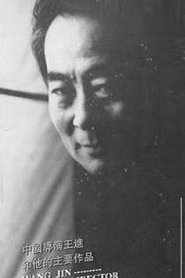
Directing
Wang Jin
Born
1947-07-18 (79)
Place of birth
Shijiazhuang,Hebei Province,China
Known for
Directing
Credits
14 titles
Known for
 7.0
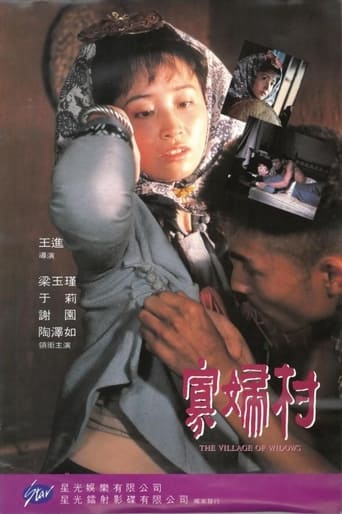
7.0In 1949, a small Chinese fishing village populated almost entirely by women awaits the establishment of a government by the newly victorious communist regime. In addition to other worries, the villagers wonder how the government will react to their traditional customs, which decree that wives may only see their husbands three times a year, and the circumstances under which they are permitted to become pregant are very limited. In addition, those who are caught violating these rules are drowned. The almost exclusively female population of the village is explained by the fact that most of the male population died during an ocean storm. Winner of the Hundred Flowers Award for Best Film in 1989
The Village of Widows
1989
 7.0
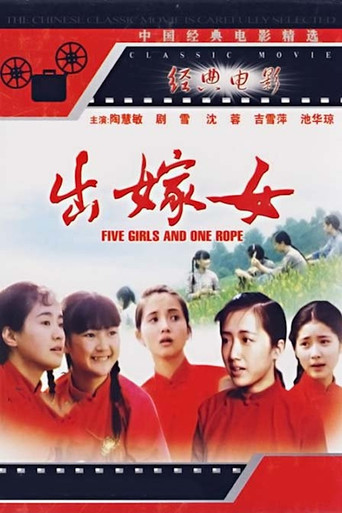
7.0Five young girls in a remote mountain village each find themselves forced into unhappy marriages. Together, they find solace in an old legend, that a girl may hang herself before marriage and retain her purity, her soul turning into a white bird and soaring to the heavenly garden, where there is only beauty and peace.
The Wedding Maidens
1990
 7.0
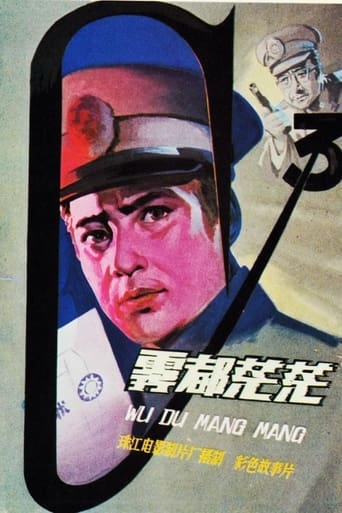
7.0Police attempt to stop Nationalist agents from destroying public buildings in Ruancheng after the Red Army occupies the city.
Wu du mang mang
1980
 NR
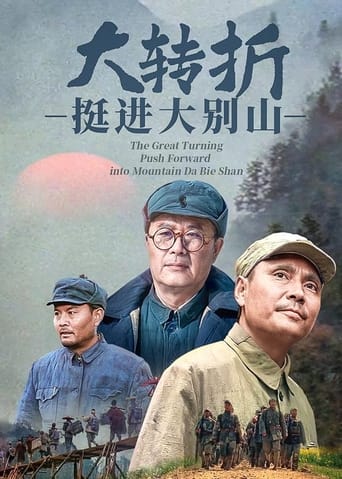
NRNo synopsis available yet.
The Great Turning: Push Forward into Mountain Da Bie Shan
1996
 NR
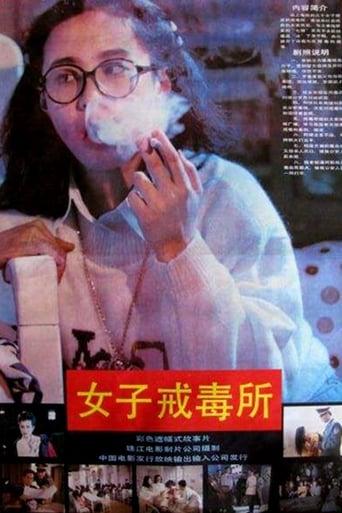
NRTo fight against the Hong Kong triads and their drugs, police officers are investigating a women drug rehabilitation center.
Women Drug Rehabilitation Center
1992
 6.7
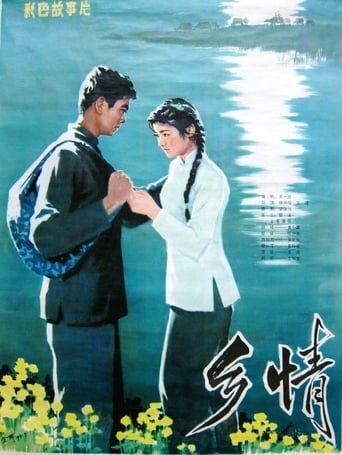
6.7A 20-year old young man who has been brought up by a foster mother in the countryside has fallen in love with another foster child in the same "family" and the two have decided to get married. Just after this decision, the young man's real mother contacts him and asks him to come and stay with her and his father (she is a high-ranking Party official). She is against his marriage but her husband is not. In the end, the young man decides to marry at the home of his real parents, and when his foster mother shows up, his real mother treats her like dirt - it turns out that the foster mother was a concubine for awhile. Before things deteriorate any further, the husband has some news for his wife that helps her to see the foster mother in a different light.
Call of the Home Village
1981
Film credits
Behind the camera
7.0In 1949, a small Chinese fishing village populated almost entirely by women awaits the establishment of a government by the newly victorious communist regime. In addition to other worries, the villagers wonder how the government will react to their traditional customs, which decree that wives may only see their husbands three times a year, and the circumstances under which they are permitted to become pregant are very limited. In addition, those who are caught violating these rules are drowned. The almost exclusively female population of the village is explained by the fact that most of the male population died during an ocean storm. Winner of the Hundred Flowers Award for Best Film in 1989
The Village of Widows
1989
7.0Five young girls in a remote mountain village each find themselves forced into unhappy marriages. Together, they find solace in an old legend, that a girl may hang herself before marriage and retain her purity, her soul turning into a white bird and soaring to the heavenly garden, where there is only beauty and peace.
The Wedding Maidens
1990
7.0Five young girls in a remote mountain village each find themselves forced into unhappy marriages. Together, they find solace in an old legend, that a girl may hang herself before marriage and retain her purity, her soul turning into a white bird and soaring to the heavenly garden, where there is only beauty and peace.
The Wedding Maidens
1990
7.0Police attempt to stop Nationalist agents from destroying public buildings in Ruancheng after the Red Army occupies the city.
Wu du mang mang
1980
NRTo fight against the Hong Kong triads and their drugs, police officers are investigating a women drug rehabilitation center.
Women Drug Rehabilitation Center
1992
6.7A 20-year old young man who has been brought up by a foster mother in the countryside has fallen in love with another foster child in the same "family" and the two have decided to get married. Just after this decision, the young man's real mother contacts him and asks him to come and stay with her and his father (she is a high-ranking Party official). She is against his marriage but her husband is not. In the end, the young man decides to marry at the home of his real parents, and when his foster mother shows up, his real mother treats her like dirt - it turns out that the foster mother was a concubine for awhile. Before things deteriorate any further, the husband has some news for his wife that helps her to see the foster mother in a different light.
Call of the Home Village
1981
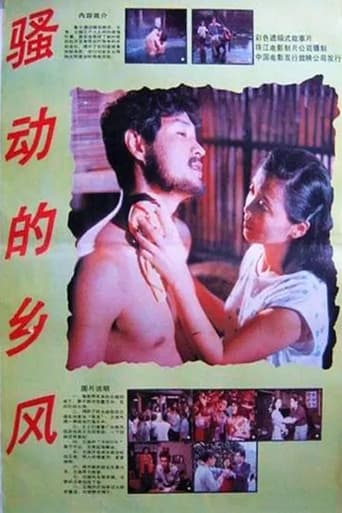 NR
NRThe Rough Countryside Wind
The Rough Countryside Wind
1991
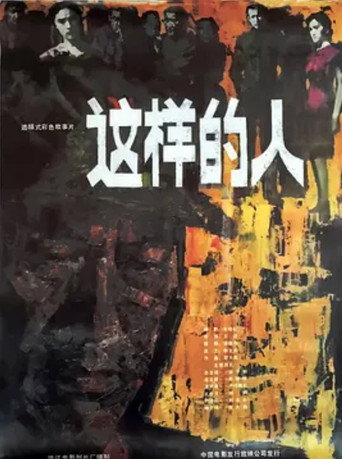 NR
NRNo synopsis available yet.
这样的人
1984
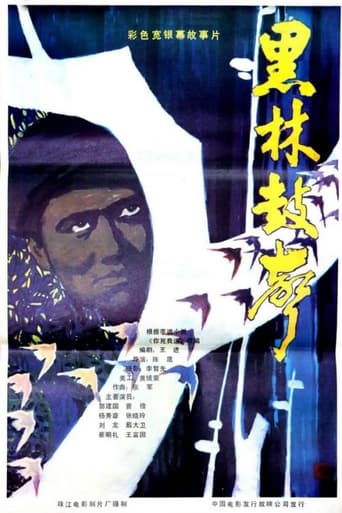 10.0
10.0The People's Liberation Army battles bandits in a region of Yunnan.
Hei lin gu sheng
1985
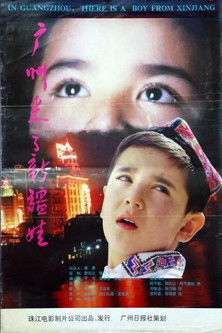 8.0
8.0Xinjiang Kid coming to Guangzhou to work
In Guangzhou, there is a boy from Xinjiang
1995
 7.0
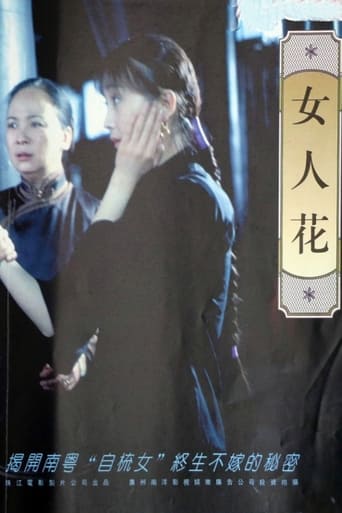
7.0In the early 20th century Pearl River Delta, “self-combed women” like Shang Meiju, who vowed never to marry, adopted and raised girls to sell as concubines. Ah Di, a self-combed woman, was forced into marriage by her fiancé, Tan Afu, but Shang Meiju intervened, leading to a “fake marriage” agreement. Shang Meiju’s adopted daughter, Yan Zhi, was offered for 20,000 silver dollars but deterred suitors with her beauty. Ah Di developed feelings for Ah Fu, and their secret meeting was discovered. Shang Meiju’s lover returned as a buyer for Yan Zhi, who, feeling like a commodity, committed suicide. Overwhelmed, Shang Meiju went mad, witnessing her sister’s wedding procession fade away.
Women Flowers
1994
7.0In the early 20th century Pearl River Delta, “self-combed women” like Shang Meiju, who vowed never to marry, adopted and raised girls to sell as concubines. Ah Di, a self-combed woman, was forced into marriage by her fiancé, Tan Afu, but Shang Meiju intervened, leading to a “fake marriage” agreement. Shang Meiju’s adopted daughter, Yan Zhi, was offered for 20,000 silver dollars but deterred suitors with her beauty. Ah Di developed feelings for Ah Fu, and their secret meeting was discovered. Shang Meiju’s lover returned as a buyer for Yan Zhi, who, feeling like a commodity, committed suicide. Overwhelmed, Shang Meiju went mad, witnessing her sister’s wedding procession fade away.
Women Flowers
1994