
Known for
 8.9
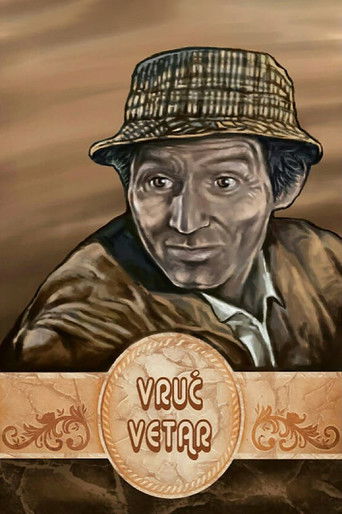
Vruć vetar is one of the most popular Yugoslav TV miniseries that aired in 1980. The show and movie cut from scenes of the show were popular in neighboring countries-also very popular in Czechoslovakia. Its main theme became very popular and enjoying a bit of a cult status. The story follows Shurda, a man in his 30s, who comes from a small town to Belgrade to get rich. However, as no job is good enough for him, he tries his luck in Germany, but this venture proves to be the same, so he returns to his native Yugoslavia.
Hot Wind
1980
 10.0
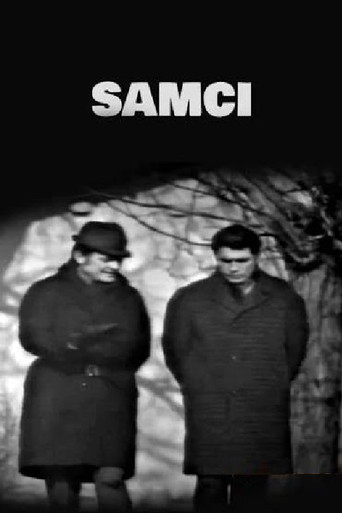
Samci is a Yugoslav black-and-white television anthology produced by RTV Belgrade and broadcast in 1968. It consists of seven episodes, which are short romantic comedies. It was directed by Aleksandar Đorđević and written by Gordan Mihić.
Singles
1968
 8.0
Black ant Ameisen, the infantry ant, got mixed up in war and love turmoils. He's an experienced military slacker who does not respect strict military standards, but performs each task successfully. Red ants, headed by their clumsy general, are on the war path with black ants. Unfortunately for both sides, war happened because of a jar of moldy marmalade.
The Infantry Ant
1993
 10.0
Yugoslav adaptation of the famous film.
The Invisible Man
1976
 10.0
The series is about the life of a group of students on the outskirts of Belgrade. One of the main characters is Buda, who fails to pass the final exam, but with the help of his father Sima Bumba, manages to get a job.
The Graduates
1971
 10.0
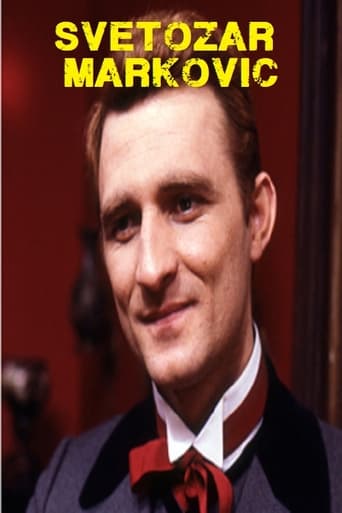
A biopic of an influential Serbian political activist, literary critic and philosopher. Svetozar Markovic developed an activist anthropological philosophy with a definite program of social change, which set foundations for socialist ideals in his homeland.
Svetozar Markovic
—
Film credits

1970s · 6 titles
10.0Yugoslav adaptation of the famous film.
The Invisible Man
1976
 10.0
This comedy shows the events before the Second World War. Master Toza, a rich and prominent merchant, hires judge Andra to teach his daughter Ljubica. Andra is a poor student and SKOJ member, in which he organizes courses on class struggle and other activities with other youths.
Andra and Ljubica
1975
 6.2
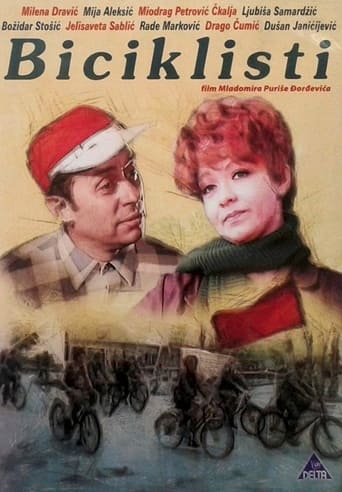
A small town in the first year of the war. A story about young seamstress, a student, a traitor and two Czech artists, their joining the partisans. All of them die and girl stays alone. She's looking for a bicycle bell that is gone...
The Cyclists
1970
 9.0
The play follows the staff in a cafe's kitchen during the course of a busy morning.
The Kitchen
1976
 NR
A now-adult man remembers of one winter of his childhood - 1949.
All Wonders of the World
1978
 5.7
Small village farmers grow tobacco which they are forced to sell to the government for next-to-nothing prices. This repeats with Italians during the WW2, and with the communists after the war. Boiling point is getting high.
Burning
1979

Series credits
8.9Vruć vetar is one of the most popular Yugoslav TV miniseries that aired in 1980. The show and movie cut from scenes of the show were popular in neighboring countries-also very popular in Czechoslovakia. Its main theme became very popular and enjoying a bit of a cult status. The story follows Shurda, a man in his 30s, who comes from a small town to Belgrade to get rich. However, as no job is good enough for him, he tries his luck in Germany, but this venture proves to be the same, so he returns to his native Yugoslavia.
Hot Wind
1980
10.0Samci is a Yugoslav black-and-white television anthology produced by RTV Belgrade and broadcast in 1968. It consists of seven episodes, which are short romantic comedies. It was directed by Aleksandar Đorđević and written by Gordan Mihić.
Singles
1968
10.0The series is about the life of a group of students on the outskirts of Belgrade. One of the main characters is Buda, who fails to pass the final exam, but with the help of his father Sima Bumba, manages to get a job.
The Graduates
1971
10.0A biopic of an influential Serbian political activist, literary critic and philosopher. Svetozar Markovic developed an activist anthropological philosophy with a definite program of social change, which set foundations for socialist ideals in his homeland.
Svetozar Markovic
—